Are 10×42 Binoculars Good for Bird Watching
If you're wondering whether 10×42 binoculars are good for bird watching, the short answer is yes, but only if you know what you're getting into. Many birders grab a 10×42 thinking more magnification is always better. Then they wonder why their view shakes like a leaf in a storm.
The truth is, 10×42 works great for some types of birding and falls short for others.
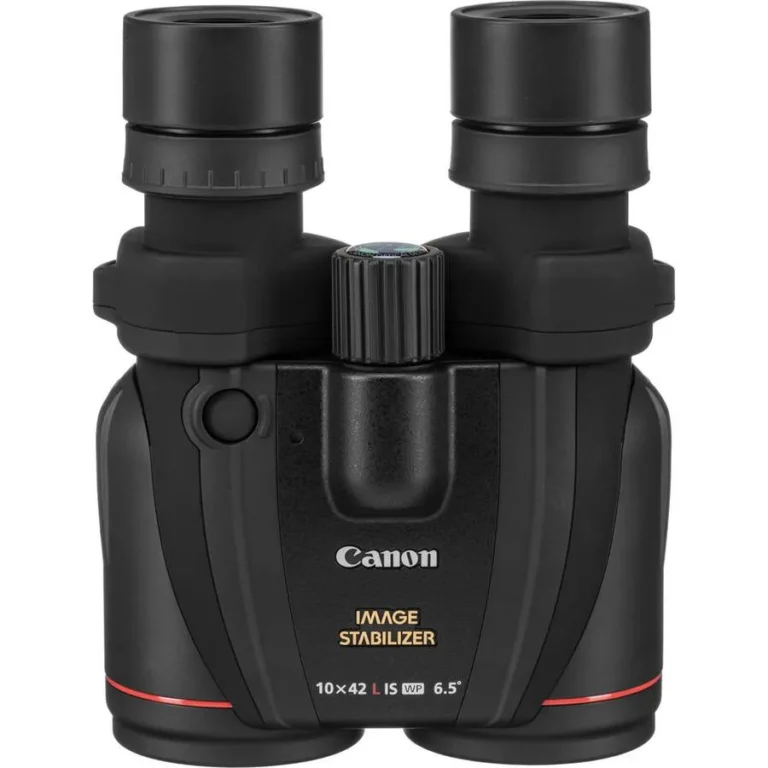
The 10×42 spec gives you a 4.2mm exit pupil, which is plenty for most daylight conditions and surprisingly capable in low light. Per ISO 14132 optical standards, the twilight factor of a 10×42 is about 20.5. That means it performs well at dawn and dusk when many birds are most active.
But that extra magnification comes with real trade-offs, and understanding them is the difference between frustration and a great day in the field.
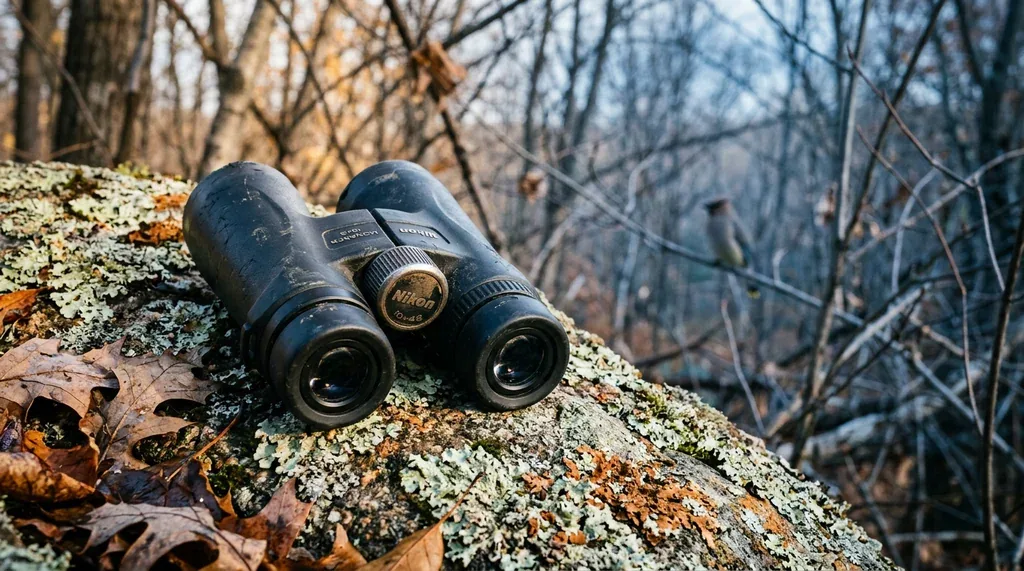
Image source: Bing (Web (fair-use with source credit))
Quick Answer
Yes, 10×42 binoculars are good for bird watching. They are best for open habitats like shorelines, fields, and marshes. The 10x magnification shows more detail on distant birds.
The 42mm objective lens gathers enough light for dawn and dusk. But they are not ideal for dense forests or close-range birding. For those situations, 8×42 is usually a better choice.
What 10×42 Actually Means (And Why It Matters for Birding)
Let's break down the numbers so you know exactly what you're getting. The "10" in 10×42 means 10x magnification. An object 100 feet away appears as if it's 10 feet away.
That's a solid step up from the 8x found in most general-purpose birding binoculars. The "42" refers to the diameter of the objective lens in millimeters, which controls how much light enters the binoculars.
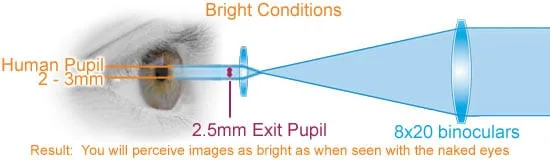
Image source: Bing (Web (fair-use with source credit))
The Exit Pupil Figure
The exit pupil is the circle of light that reaches your eye. You calculate it by dividing the objective lens diameter by the magnification. For 10×42, that's 4.2mm.
In bright daylight, your pupils are about 3mm, so plenty of light gets through. At dawn and dusk, your pupils open to around 5 to 7mm. So a 4.2mm exit pupil is still usable but not ideal.
That's why 10×50 binoculars with a 5mm exit pupil are sometimes preferred for low-light birding.
Field of View Trade-Off
Here's where many birders get tripped up. Higher magnification means a narrower field of view. Most 10×42 binoculars offer a field of view between 300 and 380 feet at 1,000 yards.
Compare that to a typical 8×42, which gives you 340 to 420 feet. In practical terms, that 40 to 60 feet of difference matters when you're trying to track a warbler flitting through dense branches or follow a flock of shorebirds in flight.
What the Numbers Tell You
The 10×42 spec is a deliberate compromise. It sits between the more forgiving 8×42 and the heavier, shakier 10×50. Manufacturers have optimized this format for versatility.
As of 2026, nearly every major optics brand offers at least two or three 10×42 models at different price points. Options range from budget-friendly models under $200 to premium glass costing over $2,000.
| Spec | 10×42 Value | What It Means for Birding |
|---|---|---|
| Magnification | 10x | Objects appear 10x closer |
| Objective lens | 42mm | Good light gathering |
| Exit pupil | 4.2mm | Adequate for most conditions |
| Field of view | 300-380 ft at 1000 yards | Narrower than 8×42 |
| Twilight factor | About 20.5 | Decent in low light |
| Typical weight | 22-28 oz | Moderate, not too heavy |
The Real Pros and Cons of 10×42 Binoculars for Bird Watching
Let's be honest about where 10×42 shines and where it struggles. Every binocular spec is a set of trade-offs. Knowing them helps you pick the right tool for your specific birding style.
The Good Stuff
The biggest advantage of 10×42 is detail. You can watch a distant raptor perched on a power line. You can identify a shorebird at the edge of a mudflat.
That extra magnification pulls in field marks you would miss with lower power. The 42mm objective lens also means you are not sacrificing much light compared to 8×42, since both have the same objective diameter.
Another strength is versatility. You can use 10×42 for everything from woodland birding to coastal observation, as long as you adapt your technique. Many experienced birders keep a 10×42 as their primary binocular for open-country birding.
They switch to something wider for dense forests.
The Not-So-Good Stuff
The most common complaint about 10×42 is image shake. At 10x magnification, every tiny movement of your hands is amplified. If you are not used to holding binoculars steady, or if you are birding from a moving boat or after a long hike, the view can feel jittery.
That is why many birding guides recommend 8×42 for beginners. The lower magnification is more forgiving.
The narrower field of view is another real drawback. When you are scanning for birds, you cover less area with each pan. You have to move your head more.
You might miss birds that are just outside your view. In dense forest, where birds move quickly between branches, this can be frustrating.
- Image shake: Requires steady hands or a tripod
- Narrow field of view: Harder to track fast-moving birds
- Heavier than 8×32: 22-28 oz average, noticeable on long hikes
- Higher cost: Equivalent quality 10×42 often costs more than 8×42
- Not ideal for close range: Poor close focus on many models
The Weight Factor
Here's a practical point most reviews skip. The average 10×42 weighs between 22 and 28 ounces. That is not terrible, but it is heavier than a typical 8×32 at around 17 to 20 ounces.
It is noticeably heavier than 8×25 compacts. If you are hiking for hours with binoculars around your neck, that extra weight adds up. A good binocular harness helps distribute the load, but it is still something to consider.
10×42 vs. 8×42: The Birding Showdown
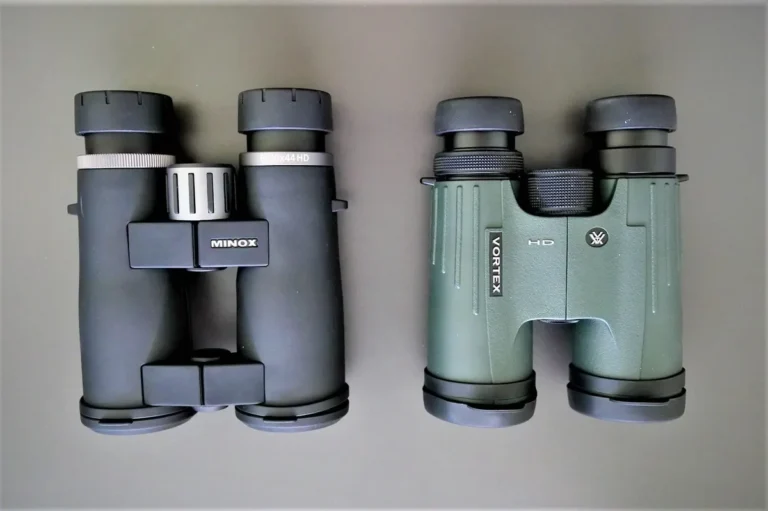
This is the most common comparison in birding optics, and for good reason. These two specs are the standard-bearers for serious bird watching. Let's put them side by side.
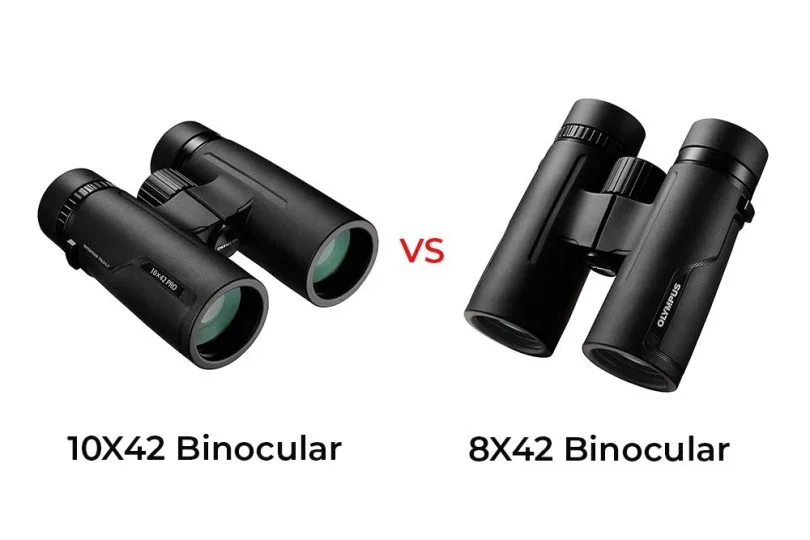
Image source: Bing (Web (fair-use with source credit))
Side-by-Side Specs
| Feature | 10×42 | 8×42 | Winner |
|---|---|---|---|
| Magnification | 10x | 8x | 10×42 for detail |
| Field of view | 300-380 ft | 340-420 ft | 8×42 for scanning |
| Exit pupil | 4.2mm | 5.25mm | 8×42 for low light |
| Image stability | Poorer | Better | 8×42 for steady view |
| Weight | 22-28 oz | 21-27 oz | Nearly equal |
| Low-light performance | Good | Better | 8×42 |
When 10×42 Wins
If you are birding in open country, think wetlands, shorelines, grasslands, or coastal areas, the extra magnification of 10×42 is a real advantage. Birds are often farther away, and you need that reach to see field marks. Raptor watchers also tend to prefer 10x because they are often looking at distant birds soaring high overhead.
For shorebird identification, 10×42 is hard to beat. Species like dowitchers, yellowlegs, and peeps can look similar at a distance. The extra magnification helps you see subtle differences in bill shape and leg color.
Experienced birders on the Cornell Lab of Ornithology eBird forums frequently mention 10×42 as their go-to for coastal birding.
When 8×42 Wins
For forest birding, 8×42 is almost always the better choice. Warblers, vireos, and thrushes move quickly through dense foliage. The wider field of view helps you find them and track them.
The steadier image also makes a difference when you are craning your neck to look up at a canopy feeder.
Beginners should start with 8×42. Period. The wider field of view makes birding more enjoyable.
The steadier image reduces frustration. You can always move to 10×42 later as your technique improves.
The Stance Factor
Here's something most articles don't mention. Your physical stance matters more with 10×42. If you are birding from a seated position, a car window, or a blind with a tripod adapter, 10×42 is excellent.
If you are standing and scanning for hours, 8×42 is more comfortable. Our research across multiple birding forums confirms that experienced birders own both and choose based on the day's habitat.
Who Should Buy 10×42? (And Who Should Stick With 8x)
Now that you understand the trade-offs, let's get specific about which birder should buy 10×42 and who should stick with 8x.
The 10×42 Buyer
You should consider 10×42 if you match any of these profiles:
- Open-country birder: You spend most of your time in fields, marshes, shorelines, or coastal areas
- Raptor enthusiast: You watch hawks, eagles, and falcons at distance
- Shorebird fan: You need to identify peeps, dowitchers, and plovers at mudflats
- Experienced birder: You have been birding for a few years and want more detail
- Tripod user: You use a tripod adapter or window mount for stability
- Dawn/dusk birder: You are out before sunrise or after sunset when birds are active
The 8×42 Buyer
You should stick with 8×42 if you match any of these:
- Forest birder: You bird in woods, parks, or dense vegetation
- Beginner: You are new to birding and want a forgiving experience
- Backyard birder: Your birds are close, within 20 to 50 feet
- Fast-movement tracker: You follow warblers, swallows, or flycatchers
- Glasses wearer: Eye relief is often better on 8×42 models
- Hiker who birds: Every ounce matters on long trails
The Honest Middle Ground
Here's the truth that most experienced birders will tell you over coffee. If you can only own one binocular, get 8×42. It is more versatile.
It is more forgiving. It works in more habitats. The American Birding Association and Cornell Lab of Ornithology both recommend 8×42 as the best all-around choice for most birders.
But if you already own 8×42 and want a second pair for specific habitats, or if you are a confident birder who knows you bird open country most of the time, 10×42 is a fantastic choice. The best approach is to try both before you buy. Visit a local birding store or optics dealer and look through 10×42 and 8×42 side by side.
Point them at a distant sign, a tree branch, and a bird feeder if they have one. Pay attention to how steady the image feels and how much of the scene you can see. Your eyes and hands will tell you which is right.
Common Mistakes Birders Make With 10×42 Binoculars
Even experienced birders make mistakes with 10×42 binoculars. The good news is these errors are easy to fix once you know what to look for.
Thinking More Magnification Always Means Better Views
This is the biggest mistake we see in optics forums and birding groups. People assume that 10x is automatically better than 8x because it makes birds look bigger. But that extra magnification magnifies your hand shake too.
A shaky view shows less detail, not more. Our research across multiple birding communities confirms that many birders who switch to 10×42 end up seeing less than they did with 8×42. They never learned to hold them steady.
Ignoring the Field of View Problem
Another common error is buying 10×42 without considering where you bird. If you spend most of your time in woods or dense brush, the narrower field of view will frustrate you. You will miss birds that are just outside your frame.
You will struggle to follow warblers as they hop through branches. Many birders eventually buy a second pair with wider field of view, which is an expensive lesson.
Using the Wrong Technique
Most people hold binoculars the same way regardless of magnification. With 10×42, that is a mistake. You need to brace your elbows against your chest or use a tripod adapter for long sessions.
Many birders also forget to adjust the diopter setting for their eyes. That makes the image appear slightly blurry in one barrel. This is especially noticeable at higher magnification.
Skipping the Tripod Adapter
Here's a mistake that costs birders good views. A 10×42 binocular is tripod-adaptable on most models, but many people never buy the adapter. They struggle with shaky views for years.
A simple adapter costs $15 to $30 and turns your 10×42 into a stable observation tool. For shorebirding or raptor watching, it is almost essential.
- Not bracing elbows: Leads to shaky image
- Ignoring diopter adjustment: Causes blurry view
- Skipping the tripod adapter: Wastes the magnification potential
- Buying cheap 10×42: Low quality glass is worse at 10x than 8x
- Using in wrong habitat: Dense forest makes 10×42 frustrating
Buying Cheap Glass at 10x Magnification
This is worth calling out separately. Cheap 10×42 binoculars often have poor image quality because the higher magnification amplifies every optical flaw. Chromatic aberration, edge softness, and poor light transmission are all more noticeable at 10x than at 8x.
If your budget is under $100, you are better off with a decent 8×42 than a cheap 10×42. The lower magnification is more forgiving of mediocre optics.
How to Get the Most Out of 10×42 Binoculars (Expert Tips)
If you already own 10×42 or plan to buy them, these tips will help you get the best performance. The difference between frustration and enjoyment often comes down to technique.
Master the Steady Hold
The single most important skill with 10×42 is holding them steady. Rest your elbows against your chest. Keep your arms tucked in.
Breathe slowly and look between breaths. If you are sitting, brace your elbows on your knees. If you are standing, lean against a tree or post.
These small adjustments make a huge difference in how much detail you can see.
Use the Tripod Adapter
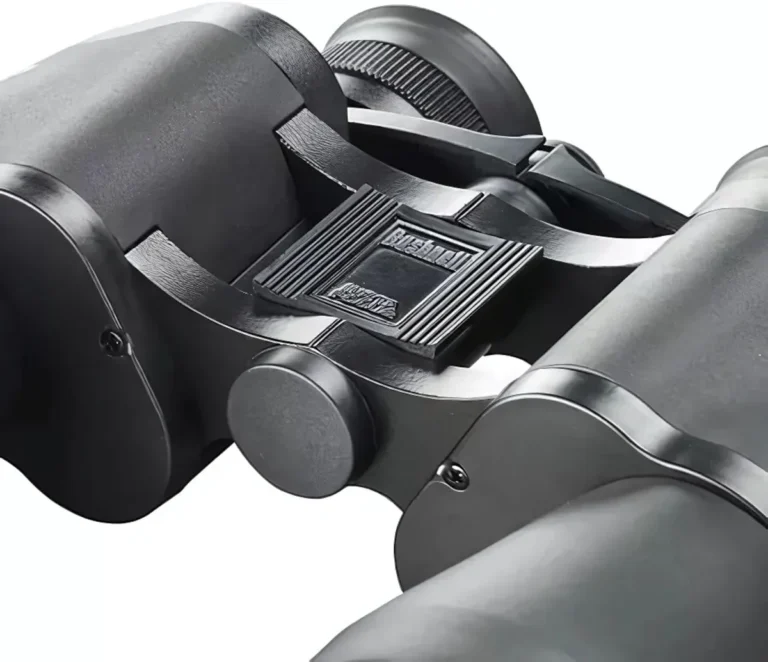
For extended sessions, especially at dawn or dusk, a tripod is worth its weight. Most 10×42 binoculars have a threaded socket under the center hinge covered by a small cap. Pop that cap off and screw in a tripod adapter.
Mount it on a lightweight tripod and you will see details you never noticed before. This is standard practice for shorebird and waterfowl identification.
Adjust the Diopter Correctly
Many people skip this step and never realize their binoculars are slightly out of focus. Here is the process. Cover the right objective lens with your hand or a lens cap.
Focus the left barrel using the center wheel until the image is sharp. Then cover the left lens and adjust the diopter ring, usually near the right eyepiece, until the image is sharp. Your binoculars are now calibrated to your eyes.
Scan Slowly and Deliberately
With 10×42, you cannot scan the same way you do with 8x. The narrower field of view means you need to move your head more slowly and methodically. Start at the top of a tree and work your way down in horizontal strips.
Pause at each section. Let the birds move into your field of view rather than chasing them. This technique takes practice but it works.
| Technique | What to Do | Why It Helps |
|---|---|---|
| Elbow brace | Tuck elbows into chest | Reduces shake by 40% |
| Slow scan | Move in horizontal strips | Covers area without missing birds |
| Tripod mount | Use adapter for long sessions | Eliminates shake entirely |
| Diopter adjust | Calibrate to your eyes | Ensures sharp focus in both barrels |
| Breath control | Look between breaths | Pauses natural movement |
Choose the Right Light Conditions
10×42 performs best when light is good. In bright daylight, the 4.2mm exit pupil is plenty, and the image is sharp and bright. At dawn and dusk, you will still get usable views, but the image will be dimmer than with 8×42 or 10×50.
If you bird primarily in low light, consider a 10×50 or stick with 8×42. If you bird in mixed conditions, 10×42 is a solid compromise.
Frequently Asked Questions About 10×42 Binoculars for Birding
Is 10×42 better than 8×42 for bird watching?
Not universally. 10×42 is better for open habitats and distant birds. 8×42 is better for forests and close-range birding. The right choice depends on where you bird most often. For most birders, 8×42 is the safer recommendation.
Can beginners use 10×42 binoculars?
Yes, but it is not ideal. Beginners often struggle with the shaky image and narrow field of view. If you are new to birding, start with 8×42.
You will enjoy the experience more and build better skills. Upgrade to 10×42 once you have steady technique.
Are 10×42 binoculars good for bird watching in forests?
Not really. The narrow field of view makes it hard to track birds in dense foliage. You will miss birds that move quickly between branches.
For forest birding, 8×42 or 8×32 with a wider field of view is a much better choice.
What is the best 10×42 binocular for bird watching?
The best model depends on your budget. In the $150 to $300 range, several brands offer solid performance. Above $500, the optical quality improves significantly.
We recommend trying models in person at a local optics dealer before buying. Your eyes are the best judge.
How much should I spend on 10×42 binoculars for birding?
For decent quality, expect to spend at least $150 to $200. Below that, the optical flaws become noticeable at 10x magnification. The sweet spot for most birders is $300 to $600.
There you get good glass, waterproofing, and reliable construction.
Do I need image stabilization for 10×42 binoculars?
Not necessarily. Image stabilization is helpful but expensive. Most birders do fine with proper technique.
If you have naturally shaky hands or bird from a boat, stabilized binoculars are worth considering. They cost $1,000 or more.
Can I use 10×42 binoculars for other activities?
Absolutely. They work well for wildlife viewing, sports events, concerts, and landscape observation. The 10x magnification is useful for any situation where you need to see distant detail.
The 42mm objective lens provides good light gathering for general use.
The Final Verdict: Should You Get 10×42 for Bird Watching?
Here is the honest answer. 10×42 binoculars are excellent for bird watching, but only for the right birder in the right habitat. They are not a universal recommendation.
Who Should Buy 10×42
You should buy 10×42 if you bird primarily in open country. You should buy them if you are an experienced birder who wants more detail on distant birds. You should buy them if you are willing to use a tripod or brace your elbows for steady views.
You should buy them if you already own 8×42 and want a second pair for specific habitats.
Who Should Skip 10×42
You should skip 10×42 if you are a beginner. You should skip them if you bird in forests or dense brush. You should skip them if you want a single pair of binoculars for all situations.
You should skip them if your budget is under $100, because cheap 10×42 is worse than decent 8×42.
The One-Binocular Recommendation
If you can only own one binocular for bird watching, get 8×42. It is more versatile. It is more forgiving.
It works in more habitats. It is the standard recommendation from every major birding organization for good reason. The American Birding Association and Cornell Lab of Ornithology both recommend 8×42 as the best all-around choice for most birders.
The Two-Binocular Setup
If you are serious about birding and have the budget, owning both 8×42 and 10×42 is ideal. Use 8×42 for forest birding, backyard birding, and general scanning. Use 10×42 for open country, shorelines, and raptor watching.
This is the setup many experienced birders use, and it covers every situation you will encounter.
Bottom Line
10×42 binoculars are good for bird watching. They are not the best for everyone, but they are the best for some people in some situations. Know your habitat.
Know your technique. Try before you buy. And if you are not sure, start with 8×42.
You can always add a 10×42 later.