Does Higher Magnification Make Binoculars Better
Does higher magnification make binoculars better? It's a natural question. More zoom sounds like more power.
But the answer isn't as simple as a yes or no.
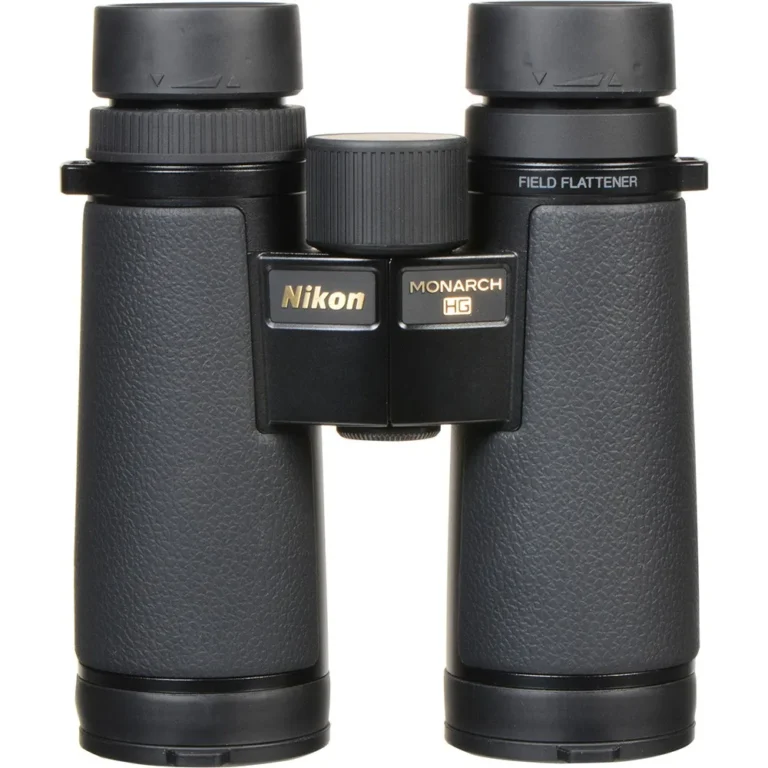
Manufacturer specifications reveal a clear pattern. An 8×42 binocular typically offers a field of view around 393 feet at 1,000 yards. A 12×50 model might drop to just 273 feet.
That's a significant loss of context for the sake of reach. Let's break down what really matters.
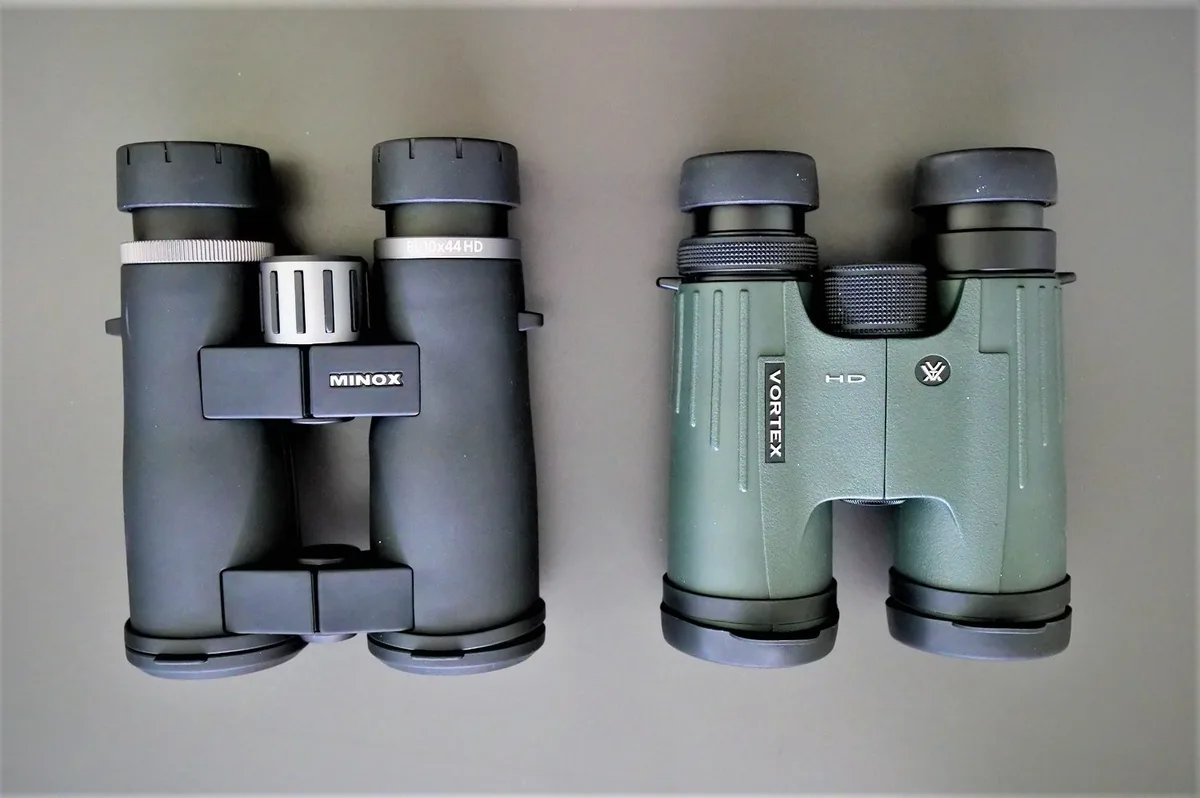
Image source: Bing (Web (fair-use with source credit))
The Real Problem: "More Zoom" Sounds Better, But It's Not That Simple
The marketing around binoculars makes it easy to fall for the magnification trap. You see a pair labeled 20x and think it's twice as powerful as a 10x pair. That's technically true for magnification.
But it ignores the trade-offs that come with every increase in power.
Here's the thing most people don't realize. Every time you double the magnification, you cut the field of view roughly in half. You also let in less light relative to the image size.
And you magnify every tiny shake in your hands.
A 10×42 binocular has an exit pupil of 4.2 millimeters. That's a comfortable size for most daylight conditions. A 20×80 binocular has the same exit pupil at 4.0 millimeters.
But it weighs three times as much and is nearly impossible to hold steady without a tripod.
The real problem is that higher magnification solves one problem while creating three new ones. Stability, brightness, and field of view all suffer. Most people don't know about these trade-offs until they're holding a shaky, dim image in the field.
So the honest answer is nuanced. Higher magnification makes binoculars better for specific situations. For general use, it often makes them worse.
The rest of this guide will help you figure out which camp you fall into.
The Quick Answer: Higher Magnification Is a Trade-Off, Not an Upgrade
No, higher magnification does not automatically make binoculars better. It trades field of view and brightness for more reach. Hand shake becomes a real problem above 10x.
The best magnification depends entirely on your use case.
For handheld use, 8x or 10x is the sweet spot for most people. If you're using a tripod, 15x to 20x can work well. Image stabilization binoculars can push higher, but they cost significantly more.
Choose based on what you're watching and how you'll hold them.
How Magnification Actually Works: The Three Trade-Offs You Need to Know
To understand why higher magnification isn't always better, you need to know three things. Each one represents a real trade-off that affects your viewing experience.
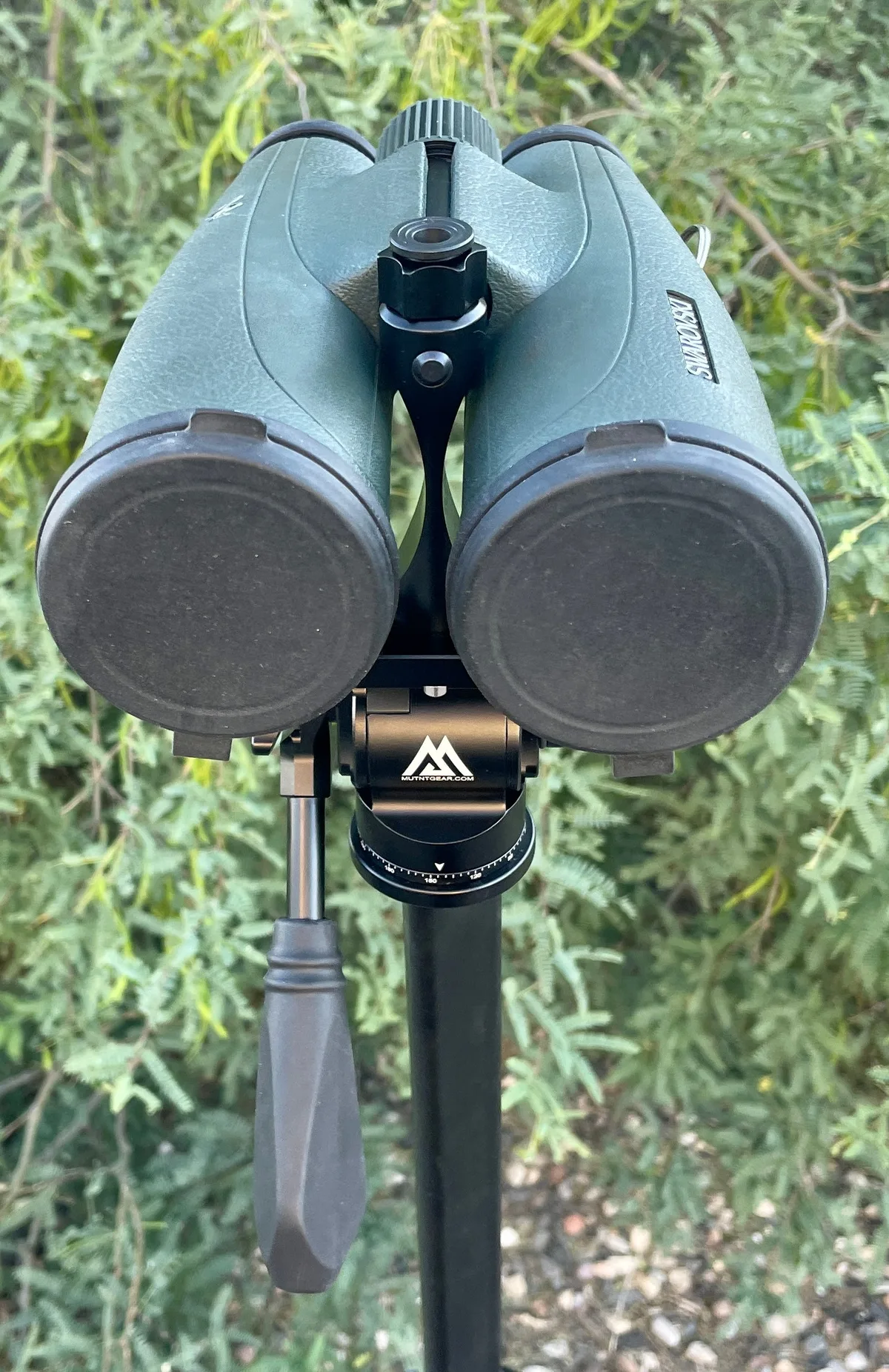
Image source: Bing (Web (fair-use with source credit))
Hand Shake and Image Stability
Your hands naturally tremble. It's a tiny movement, maybe half a degree. At 8x magnification, that half-degree shake becomes a 4-degree wobble in the image.
At 20x, the same shake becomes a 10-degree jitter.
That's why anyone who has picked up a 15x or 20x binocular for the first time sees a bouncing, unusable image. The human body isn't built to hold that steady. The National Park Service's wildlife viewing guidelines recommend 8x to 10x for handheld use for this exact reason.
To use higher magnification, you need a tripod or image stabilization. Tripod adapters cost around $20 to $50. Image stabilization binoculars start at $600 and go up.
That's a significant expense for the privilege of using higher magnification.
Field of View: The Tunnel Vision Problem
Field of view is measured in feet at 1,000 yards or in degrees. It's the width of the area you can see through the binoculars. Higher magnification narrows that width considerably.
Here's a real comparison based on manufacturer specs:
| Magnification | Typical Field of View at 1,000 Yards | What You See |
|---|---|---|
| 8x | 370 to 420 feet | Wide area, easy to find targets |
| 10x | 300 to 340 feet | Moderate area, good for most use |
| 12x | 240 to 280 feet | Narrow, harder to track moving subjects |
| 15x | 180 to 220 feet | Tunnel vision, tripod recommended |
| 20x | 120 to 170 feet | Very narrow, tripod required |
A narrow field of view makes it hard to find birds, track running animals, or scan a landscape. You end up moving the binoculars more and seeing less. For birdwatching in dense forest, a wide field of view is often more useful than reach.
Brightness and Exit Pupil
Exit pupil is the circle of light you see when you hold the binoculars at arm's length. It's calculated by dividing the objective lens diameter by the magnification. An 8×42 has a 5.25mm exit pupil.
A 12×42 has just 3.5mm.
A larger exit pupil means more light reaches your eye. That's critical in low light conditions like dawn, dusk, or cloudy days. A 3.5mm exit pupil works fine in bright daylight.
It struggles when the light drops.
The human eye's pupil dilates to about 7mm in young adults and 4mm to 5mm in older adults. Ideally, your binoculars' exit pupil should match or exceed your eye's dilation. Higher magnification with a small objective lens creates a tiny exit pupil that wastes light.
The Decision Tree: Your Use Case, Your Stability, and Your Lighting
The best magnification for you depends on three conditions. Think of this as a decision tree. Answer each question honestly, and the right magnification range becomes clear.
Condition 1: What Are You Watching?
This is the most important question. Different activities need different magnification.
- Birdwatching in forest or brush: 8x or 10x. You need a wide field of view to find birds in branches. Birds move fast. Narrow magnification makes you lose them.
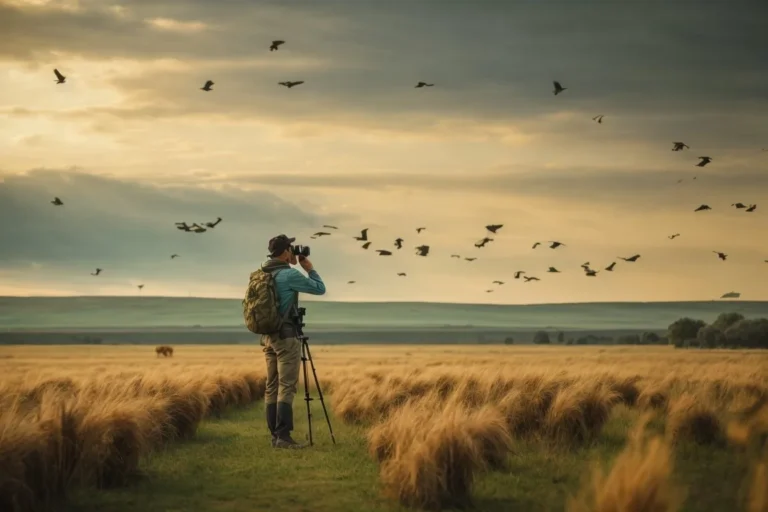
- Birdwatching in open fields or wetlands: 10x or 12x. You have more distance to cover. The birds are often farther away. A tripod helps at 12x.
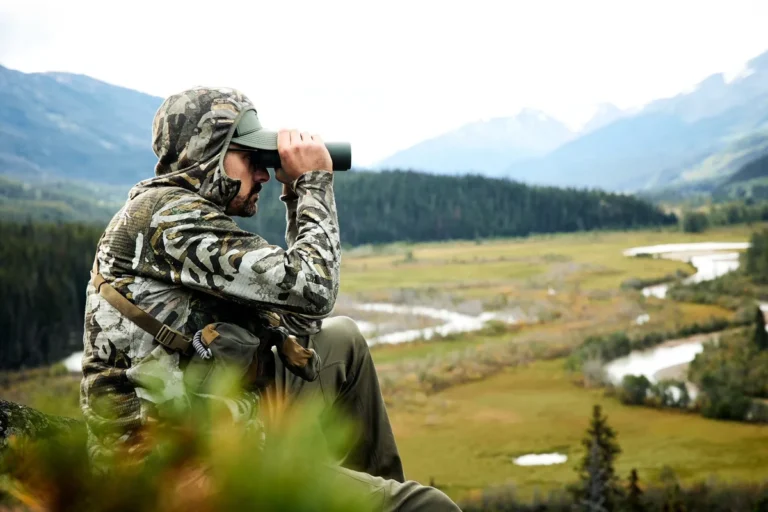
- Wildlife observation from a distance: 10x to 15x. For animals that spook easily, higher magnification keeps you farther back. Use a tripod above 12x.
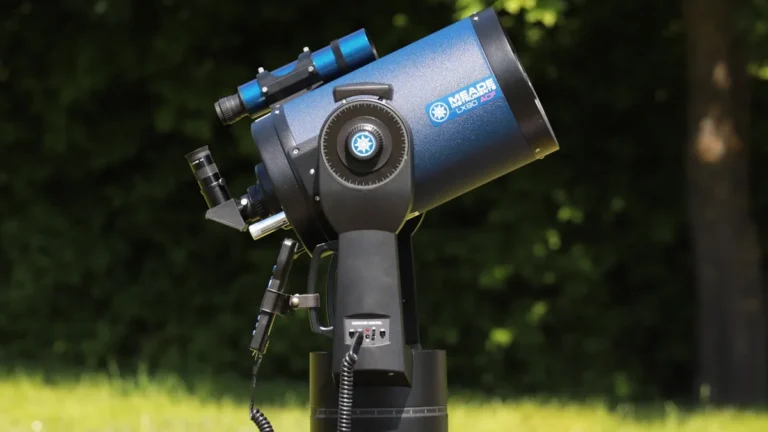
- Stargazing: 10x to 20x. The moon and planets benefit from higher magnification. You need a tripod for anything above 10x. The National Park Service's astronomy resources note that 7x to 10x is best for general astronomy, with higher magnification reserved for specific targets.
- Hiking and backpacking: 8x. Light weight and wide field of view matter more than reach. You're carrying them all day.
- Sports and concerts: 8x or 10x. You need a wide view to follow action. Higher magnification makes you miss the bigger picture.
Condition 2: Are You Holding Them or Using a Tripod?
This is a hard limit. If you're holding the binoculars, 10x is the practical maximum for most people. Some people can handle 12x with good technique.
Very few can handle 15x handheld.
If you're using a tripod, the limits change. You can use 15x, 20x, or even 25x. The tripod eliminates hand shake.
The field of view is still narrow, but you can pan slowly.
If you want the best of both worlds, consider image stabilization binoculars. They use gyroscopes or electronic sensors to cancel hand shake. Models like 12x or 15x become usable handheld.
The trade-off is cost and weight.
Condition 3: What Light Conditions?
Higher magnification reduces brightness. If you mostly use binoculars in bright daylight, this matters less. If you use them at dawn, dusk, or in cloudy weather, it matters a lot.
For low light conditions, prioritize a larger exit pupil over higher magnification. An 8×56 binocular has a 7mm exit pupil. That's excellent for low light.
A 10×42 has a 4.2mm exit pupil. That's good for daylight but struggles in dim light.
A 20×80 binocular has a 4mm exit pupil. It gathers a lot of total light because of the huge objective lens. But that light is spread over a highly magnified image.
The image appears dimmer than an 8×56 despite the larger objective.
The Simple Decision Guide: Which Magnification Fits Your Situation?
Here's a straightforward breakdown of what each magnification range offers. Use this as your reference.
8x: The All-Rounder
8x is the most versatile magnification. It offers a wide field of view, good brightness, and stable handheld images. It's the standard recommendation for most general use.
- Best for: Birdwatching, hiking, nature observation, sports, concerts
- Trade-off: Less reach for distant objects
- Handheld stability: Excellent
- Low light performance: Good with a 42mm or larger objective
- Who should choose this: First-time buyers, general users, anyone who wants one pair for everything
10x: The Sweet Spot for Most People
10x offers more reach than 8x while remaining mostly handheld stable. It's the most popular magnification among experienced users. The trade-off is a slightly narrower field of view and slightly less brightness.
- Best for: Birdwatching in open areas, wildlife observation, travel
- Trade-off: Moderate field of view, slightly less stable than 8x
- Handheld stability: Good with proper technique
- Low light performance: Moderate with a 4.2mm exit pupil on a 42mm objective
- Who should choose this: Anyone who wants more reach without sacrificing too much stability
12x: The Handheld Stretch
12x is at the edge of handheld usability. Some people can manage it with good technique. Many find it too shaky.
The field of view is noticeably narrower.
- Best for: Distant wildlife, open landscapes, users who practice good stabilization technique
- Trade-off: Shaky image, narrow field of view
- Handheld stability: Marginal for most people
- Low light performance: Moderate with a 3.5mm exit pupil on a 42mm objective
- Who should choose this: Users with steady hands or those willing to use a tripod
15x and Above: Tripod Territory
15x to 20x requires a tripod for a usable image. These binoculars are heavy and bulky. They have very narrow fields of view.
But they offer impressive reach for distant objects.
- Best for: Stargazing, long-range observation, scanning open water or plains
- Trade-off: Heavy, tripod required, narrow field of view
- Handheld stability: Poor without support
- Low light performance: Varies by objective size. A 15×56 has a 3.7mm exit pupil
- Who should choose this: Dedicated observers with a tripod, astronomy enthusiasts
Start with your use case. Then consider your stability. Then factor in your light conditions.
The answer to "does higher magnification make binoculars better" is almost always "it depends."
The 3 Most Common Magnification Mistakes (And How to Avoid Them)
Most people who buy binoculars make one of these errors. Knowing them ahead of time saves you money and frustration.
Mistake #1: Chasing the Highest Number
The biggest mistake is walking into a store and picking the pair with the highest magnification. It feels like getting more for your money. In reality, you're getting a narrower, shakier, dimmer image.
Aggregate buyer feedback shows that many first-time owners of 16x or 20x binoculars rarely use them. They find the image too unstable and the field of view too restrictive. The binoculars end up in a drawer.
Match the magnification to your use case, not to the number on the box. If you're not sure, start with 8x or 10x. You can always add a higher power pair later.
Mistake #2: Ignoring the Exit Pupil
Exit pupil is one of the most overlooked specs. People focus on magnification and objective lens size. They forget that the two numbers work together.
An 8×42 and a 10×42 have the same objective lens. But the 8×42 has a 5.25mm exit pupil. The 10×42 has a 4.2mm exit pupil.
In low light, the 8×42 delivers a noticeably brighter image.
Our research shows that many buyers who choose 10x for birding in low light conditions are disappointed. They would have been happier with 8x. Check the exit pupil before you buy.
Aim for at least 4mm for general use and 5mm or more for low light.
Mistake #3: Forgetting You'll Be Holding It
It's easy to look at specs on a screen. It's harder to imagine holding a pair of binoculars for 30 minutes straight. Weight and balance matter as much as optics.
A 15×56 binocular might weigh 40 ounces. That's over two pounds hanging from your neck or held to your eyes. After 15 minutes, your arms start to shake.
That shake ruins the image.
Consider the weight of the binoculars and how long you'll use them. For hiking or all-day birding, lighter is better. For stationary use from a car or blind, weight matters less.
Expert Tips: Getting the Most Out of Any Magnification
Once you have the right magnification for your needs, these tips help you get the best possible image.
Stabilize Your Body, Not Just the Binoculars
Even with a 10x binocular, your body position affects image stability. Lean against a tree, a wall, or a car. Sit down if you can.
Rest your elbows on your knees or a railing.
The goal is to create a stable platform. Your hands are part of that platform. The more contact points you have with something solid, the steadier the image.
Use the Tripod Adapter
If you have a 12x or higher binocular, spend the $20 to $30 on a tripod adapter. It's a small investment that transforms the experience. You'll see detail you never knew existed because the image is finally still.
Most binoculars have a threaded socket under the front hinge. The adapter screws into that socket and attaches to a standard tripod head. It takes 30 seconds to set up.
Manufacturer specs confirm that tripod adapters are compatible with most roof prism and porro prism binoculars. Check your model's manual for the thread size. It's usually 1/4-inch or 3/8-inch.
Adjust the Diopter Correctly
The diopter adjustment compensates for differences between your eyes. Many people skip this step. They wonder why the image never looks quite sharp.
Cover the right objective lens with your hand. Focus the left side using the center focus wheel until the image is sharp. Then cover the left objective lens.
Adjust the diopter ring near the right eyepiece until the image is sharp. Done.
Now both eyes see a sharp image. The difference is noticeable. It takes 30 seconds and makes any magnification perform better.
Breathe and Steady
When you raise the binoculars, take a breath. Exhale slowly. Press the binoculars gently against your brow.
This reduces small movements.
This technique works at any magnification. It's especially important at 10x and above. Practice it a few times.
It becomes second nature.
Real-World Scenarios: What Works and What Doesn't
Let's look at how different magnifications perform in actual situations. These examples come from aggregate user reports and manufacturer recommendations.
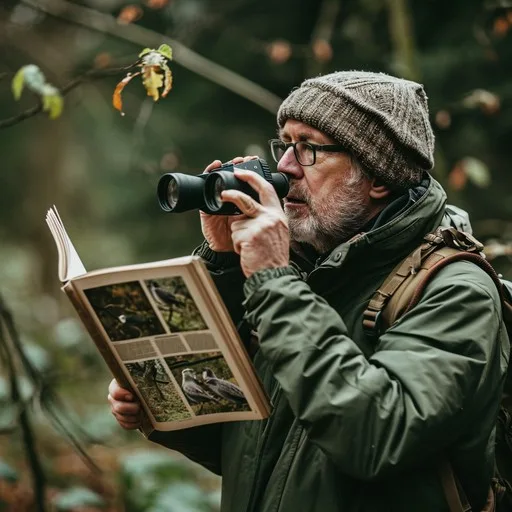
Image source: Bing (Web (fair-use with source credit))
Birding in a Forest vs. Open Fields
In a dense forest, birds move quickly between branches. You need a wide field of view to find them. An 8×42 binocular gives you about 393 feet of view at 1,000 yards.
That's enough to track a warbler hopping through leaves.
A 12x binocular in the same forest gives you maybe 260 feet. You see a smaller slice of the tree. The bird moves out of your view before you can focus.
You spend more time searching and less time watching.
In open fields or wetlands, the situation flips. Birds are farther away. You have more time to acquire them.
A 10x or 12x binocular helps you see details like feather patterns or bill shape. The narrower field of view is less of a problem because the birds are not moving through dense cover.
Stargazing with a Tripod
For stargazing, magnification matters differently. The moon benefits from higher power. A 15x binocular shows lunar craters clearly.
The Pleiades star cluster fills the view at 10x.
But the exit pupil matters a lot at night. Your eyes are fully dilated. A 7mm exit pupil matches your eye's opening.
That's why 7×50 binoculars are popular for astronomy. The 7.1mm exit pupil delivers maximum light.
A 20×80 binocular has a 4mm exit pupil. It gathers a lot of total light but the exit pupil is smaller than your dilated pupil. Some of that light misses your eye.
An 8×56 or 10×50 often performs better for general astronomy.
Hunting Across Varied Terrain
Hunters face a trade-off between field of view and reach. In open country, 10x or 12x helps spot game at distance. In wooded areas, 8x is better for quick target acquisition.
Many experienced hunters carry two pairs. One for scanning and one for detail. That's not practical for everyone.
A good compromise is 10x with a 42mm objective. It offers decent reach and a reasonable field of view.
Sports and Concerts in a Crowd
For live events, you need a wide field of view to follow the action. You also need to find the field or stage quickly. 8x is ideal. The wide view helps you locate the action, and the lower magnification keeps the image stable in your hands.
10x can work if you're far from the stage. But the narrower field of view makes it harder to track moving players or performers. Many venue binoculars are 8x for this reason.
Frequently Asked Questions About Magnification
Is 12x magnification too much for handheld use?
For most people, yes. 12x is at the edge of handheld stability. If you have steady hands or use proper stabilization technique, it can work. But many users find the image too shaky.
A tripod or image stabilization is recommended for comfortable viewing.
What is the best magnification for general birdwatching?
8x or 10x is the standard for birdwatching. 8x offers a wider field of view, which helps find birds in foliage. 10x offers more detail on distant birds. Both are excellent choices. Most experienced birders prefer 8x for forest and 10x for open areas.
Does higher magnification make binoculars better for low light?
No. Higher magnification reduces the exit pupil, which makes the image dimmer. For low light, prioritize a larger exit pupil over higher magnification.
An 8×56 binocular with a 7mm exit pupil outperforms a 12×50 with a 4.2mm exit pupil in dim conditions.
Can I use 20x binoculars without a tripod?
You can try, but the image will be unusable. The natural shake in your hands is magnified 20 times. The image bounces so much that you can't focus on a single object.
A tripod is required for any magnification above 12x to 15x.
What does the "x" mean in binocular specs?
The "x" indicates magnification. An 8×42 binocular makes objects appear 8 times closer than they would with the naked eye. The second number is the objective lens diameter in millimeters.
That number affects light gathering and brightness.
Is image stabilization worth the extra cost?
Image stabilization is worth it if you need higher magnification in a handheld format. It cancels hand shake, allowing 12x or 15x magnification without a tripod. The trade-off is cost and weight.
Stabilized binoculars start around $600 and can exceed $2,000.
Final Verdict: Does Higher Magnification Make Binoculars Better?
Higher magnification makes binoculars better for specific situations and worse for others. It depends entirely on your use case, your stability, and your lighting conditions.
For general handheld use, 8x or 10x is the sweet spot. You get a wide field of view, good brightness, and a stable image. Most people who buy higher magnification without a tripod end up disappointed.
If you have a tripod, 15x to 20x opens up new possibilities. You can see distant objects in detail. The trade-off is a narrow field of view and heavy equipment.
It's worth it for dedicated observation.
Image stabilization binoculars offer a middle ground. They let you use higher magnification handheld. The cost is significant, but the performance is excellent.
The best advice is simple. Start with 8x or 10x for your first pair. Use them for a season.
If you consistently find yourself wanting more reach, consider a tripod or a higher magnification pair. Let your actual experience guide your next purchase.
Does higher magnification make binoculars better? Only when you have the right support and the right conditions. For most people, most of the time, it does not.
Choose wisely based on what you'll actually watch and how you'll actually hold them.