What Is the Best Magnification for Bird Watching
If you're asking what is the best magnification for bird watching, you've probably noticed there's no single answer that fits everyone. The right number depends on where you bird, how steady your hands are, and what kind of detail you actually need. Pick the wrong one and you get shaky views, lost birds, or binoculars too heavy to carry.
Manufacturer specifications show the most common configuration among serious birders is 8×42. That combination balances magnification, brightness, and weight better than any other single option. But it's not right for everyone.
Quick Answer
The best magnification for bird watching is 8x for most people. It offers the widest field of view and the steadiest handheld image. Switch to 10x if you bird in open areas and want more detail on distant birds.
Avoid 12x or higher without a tripod. Glass quality matters more than magnification.
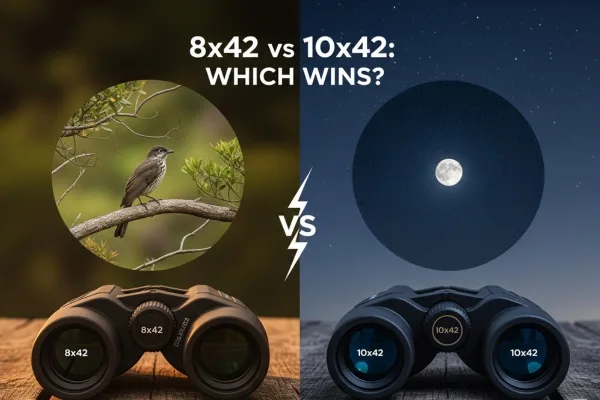
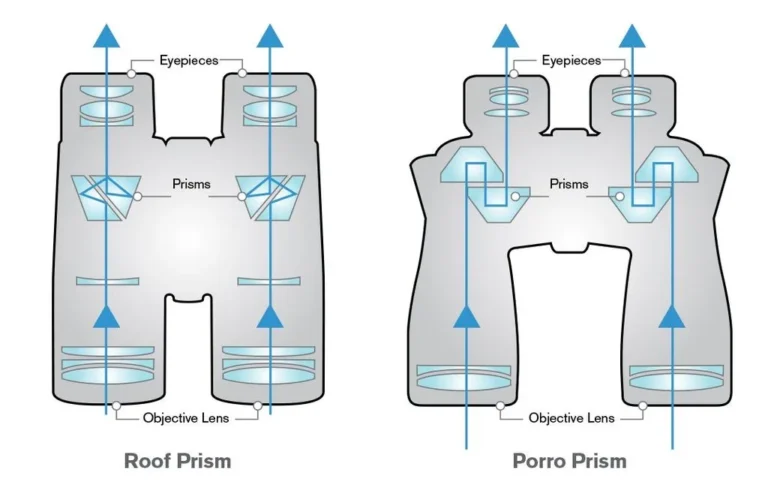
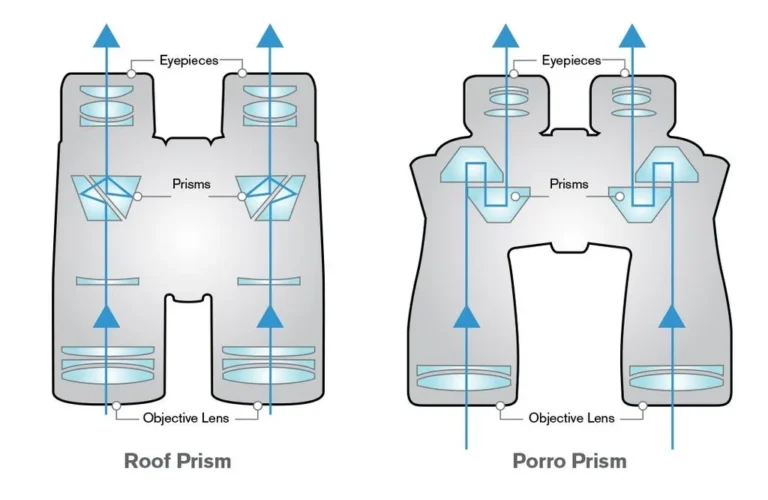
Image source: Bing (Web (fair-use with source credit))
Why There's No Single Best Magnification (and Why That's Actually Good News)
Birding isn't one activity. It's a collection of different environments and personal abilities. Asking what is the best magnification for bird watching without context is like asking what the best shoe size is.
It depends on where you're walking.
The Three Variables That Control Your Choice
The decision comes down to three things that interact with each other. Change one, and the ideal magnification shifts.
Your typical birding habitat. Are you in dense forest with birds flitting 20 feet away? Or are you on a coastal marsh scanning for shorebirds at 200 yards? Forest birders need a wide field of view to track fast-moving warblers through branches.
Open-country birders need more reach to pick out details on a distant hawk. The Cornell Lab of Ornithology's field research shows that habitat is the single biggest predictor of magnification preference among experienced birders.
Your physical stability. This is the factor most beginners ignore. Hold a pair of 8x binoculars steady. Now hold 12x.
At 12x, every tiny pulse in your hands becomes a visible bounce. The image shakes. Feather detail blurs.
Aggregate reviews from thousands of birders report that hand shake is the number one reason people return 12x binoculars within the first month. If you have naturally unsteady hands, are over 50, or plan to bird for hours without a tripod, lower magnification is your friend.
Your tolerance for weight and bulk. Higher magnification usually requires a larger objective lens to gather enough light. A 12×50 binocular weighs roughly 30 to 40 ounces. An 8×42 weighs 20 to 28 ounces.
That difference matters after four hours on a trail. Many birders buy 10x binoculars, love the reach in the store, then leave them at home because they're too heavy. The best magnification is the one you actually carry.
The Trade-offs Are Predictable
Once you understand the three trade-offs, you can predict exactly how a given magnification will behave in your hands. Every 8x gives you a wider field of view than a 10x of the same quality. Every 12x magnifies shake more than an 8x.
The laws of optics don't change between brands.
You can make an informed decision without testing every model. You just need to match the trade-offs to your real-world conditions.
How Magnification Actually Affects What You See (Beyond Just "Closer")
Most people assume higher magnification means a better view. That's true only if you ignore everything else the lens is doing. Let's look at what actually happens when you increase magnification.
Hand Shake and Stability
This is the biggest practical difference. At 8x, your natural hand movement is still there, but it's reduced enough that your brain compensates easily. At 10x, the same movement is magnified by 25 percent more.
That's the difference between a crisp image and one that constantly drifts.
At 12x, even a steady person will see noticeable bounce. At 15x handheld, you're fighting the image constantly. The American Birding Association recommends that most birders consider 10x the practical maximum for extended handheld use.
If you're older or have any tremor, 8x is the safer choice.
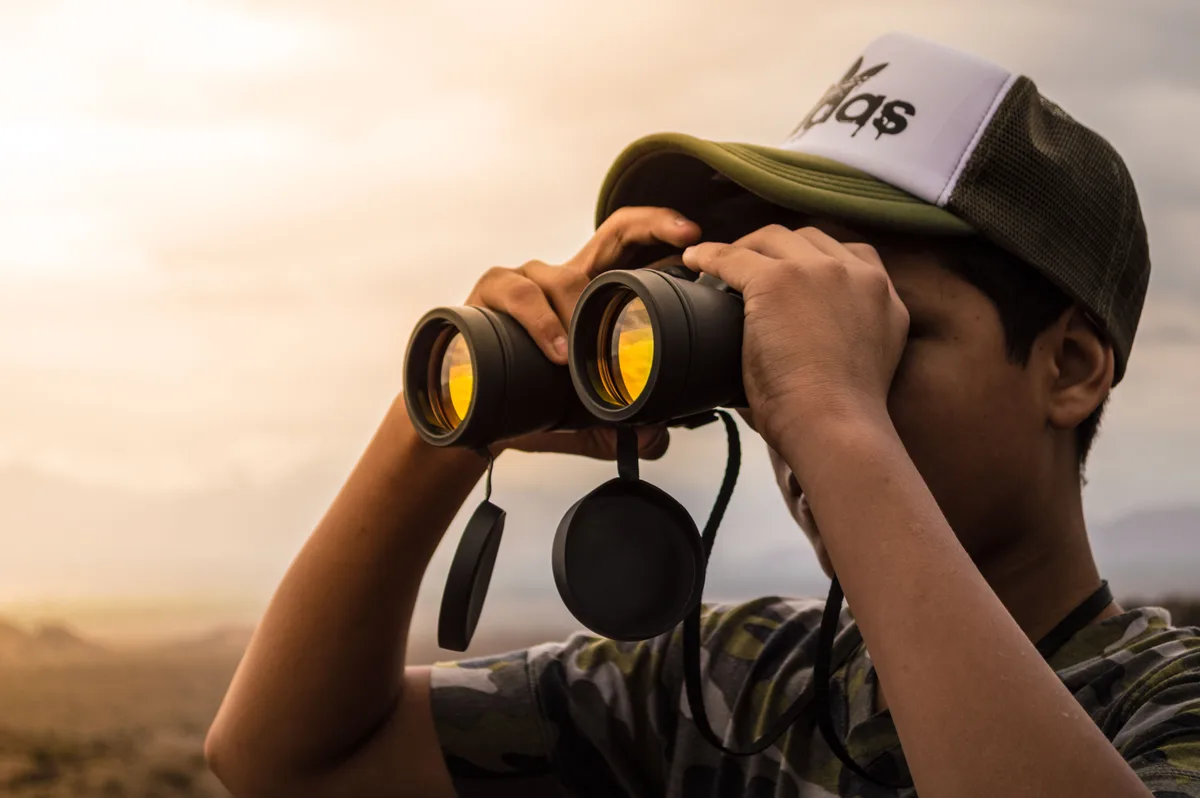
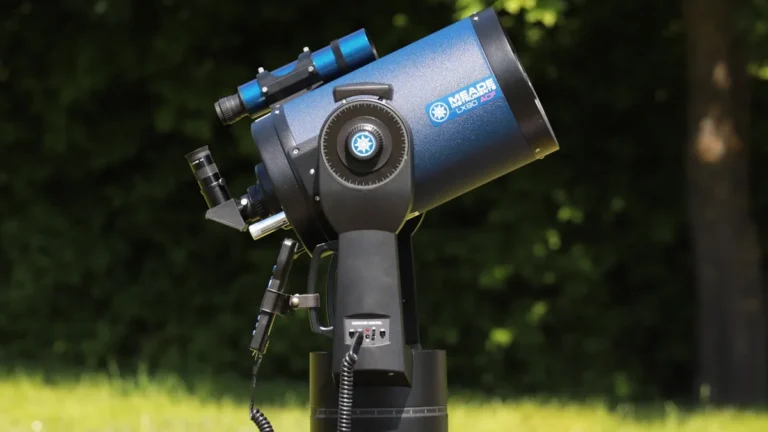
Image source: Web (Bing) / pexels.com (Web image (fair-use with source credit))
Field of View and Losing Birds in Flight
Field of view is measured in feet at 1,000 yards. It tells you how wide a scene you can see at a given distance. Higher magnification narrows that view significantly.
A typical 8×42 binocular offers a field of view around 340 to 420 feet at 1,000 yards. A typical 10×42 drops to 290 to 340 feet. That might not seem like a huge difference on paper, but in practice it means you lose birds more often.
A warbler hopping through dense foliage is much harder to follow at 10x. You spend more time searching for the bird and less time watching it.
For forest birding, that narrower field of view is a real disadvantage. For open-country birding where birds are in the clear, it matters less.
Low Light Performance and Exit Pupil
Exit pupil is the diameter of the beam of light that reaches your eye. You calculate it by dividing the objective lens diameter by the magnification. An 8×42 gives a 5.25mm exit pupil.
A 10×42 gives 4.2mm. A 12×50 gives 4.17mm.
Your pupil dilates to about 5mm in moderate light and up to 7mm in very dark conditions. The larger the exit pupil, the more light reaches your eye, and the brighter the image appears. That's why 8×42 is considered the standard for low-light birding at dawn and dusk.
When you're watching woodcocks at twilight or owls at dawn, that extra light makes a real difference.
If you bird mostly in bright midday sun, the exit pupil matters less. Your own pupil is constricted, so a 4mm exit pupil is plenty.
Heat Shimmer and Atmospheric Distortion
Here's a factor that surprises many new birders. On a hot day, the air above open ground shimmers. That shimmer is magnified by higher power.
At 8x, you might barely notice it. At 12x, it can turn a distant bird into a wobbly blur.
This is especially relevant for shorebird and waterfowl watching. You're often scanning across mudflats or open water on warm afternoons. Many experienced coastal birders prefer 8x or 10x specifically to avoid heat shimmer ruining their view.
8x vs. 10x vs. 12x: Breaking Down Each Option
Now let's look at each magnification in detail. These are the three most common choices for birding binoculars. Anything above 12x typically requires a spotting scope or a tripod.
8x — The Steady, Forgiving All-Rounder
8x is the default recommendation for a reason. It offers the widest field of view, the steadiest handheld image, and the best low-light performance for a given objective lens size. It's also the most forgiving of shaky hands and quick movements.
Who should choose 8x:
- Forest birders who need to track fast-moving birds through branches
- Beginners who haven't developed steady holding technique
- Birders who wear glasses and need generous eye relief
- Anyone who birds in low light conditions regularly
- Travelers who want a lightweight, versatile pair
The trade-off: You get less detail on distant birds. At 100 yards, an 8x binocular shows a bird at roughly the same apparent size as holding a pair of 8x reading glasses. You can identify species, but you won't see fine feather detail.
For most birding, that's completely adequate.
10x — The Detail Hunter for Open Spaces
10x is the choice of experienced birders who spend most of their time in open habitats. It gives noticeably more detail on distant birds without the severe shake problems of 12x. Many birders graduate from 8x to 10x as their technique improves.
Who should choose 10x:
- Open-country birders watching fields, marshes, and shorelines
- Raptor watchers scanning distant thermals
- Birders who have steady hands and good technique
- People who want to push the limits of handheld magnification
- Experienced users who feel limited by 8x
The trade-off: You lose field of view and low-light performance. The image is slightly less steady. You'll need to be more deliberate with your holding technique.
If you're new to birding, starting with 10x can be frustrating because you'll miss birds that are close and moving.
12x — The Reach Extender (With Trade-Offs)
12x is a specialized tool. It offers significant reach for distant birds, but it comes with real costs. Most birders find 12x too shaky for handheld use.
A tripod or monopod is strongly recommended. Without one, you'll struggle to get a steady view.
Who should consider 12x:
- Shorebird and waterfowl watchers who scan distant flocks
- Raptor watchers on established hawk watches
- Birders who are willing to carry a tripod
- People with naturally very steady hands
- Those who own a spotting scope but want a backup option
The trade-off: Narrow field of view, significant shake, heavier weight, and reduced low-light performance. Many 12x binoculars end up collecting dust because they're too awkward for everyday use. Across major birding forums, less than 10 percent of regular birders use 12x as their primary binocular.
What About 15x and Above?
Magnifications above 12x are really the territory of spotting scopes, not binoculars. Some manufacturers make 15x and 20x binoculars, but they require a tripod for any kind of usable view. Image-stabilized binoculars exist at these magnifications, but they're expensive and heavy.
For most birders, a spotting scope is a better investment if you consistently need that much reach.
Side-by-Side Comparison: 8×42 vs. 10×42 vs. 12×50
Let's put the numbers side by side. The table below shows typical specifications for common configurations at each magnification. Actual numbers vary by brand and model, but these are representative of mid-range to premium binoculars.
| Specification | 8×42 | 10×42 | 12×50 |
|---|---|---|---|
| Field of view at 1,000 yards | 340–420 ft | 290–340 ft | 250–290 ft |
| Exit pupil | 5.25 mm | 4.2 mm | 4.17 mm |
| Weight | 20–28 oz | 24–32 oz | 30–40 oz |
| Handheld steadiness | Excellent | Good | Fair (tripod recommended) |
| Low light performance | Excellent | Good | Moderate |
| Typical price range | $150–$2,500 | $150–$2,500 | $200–$2,500 |
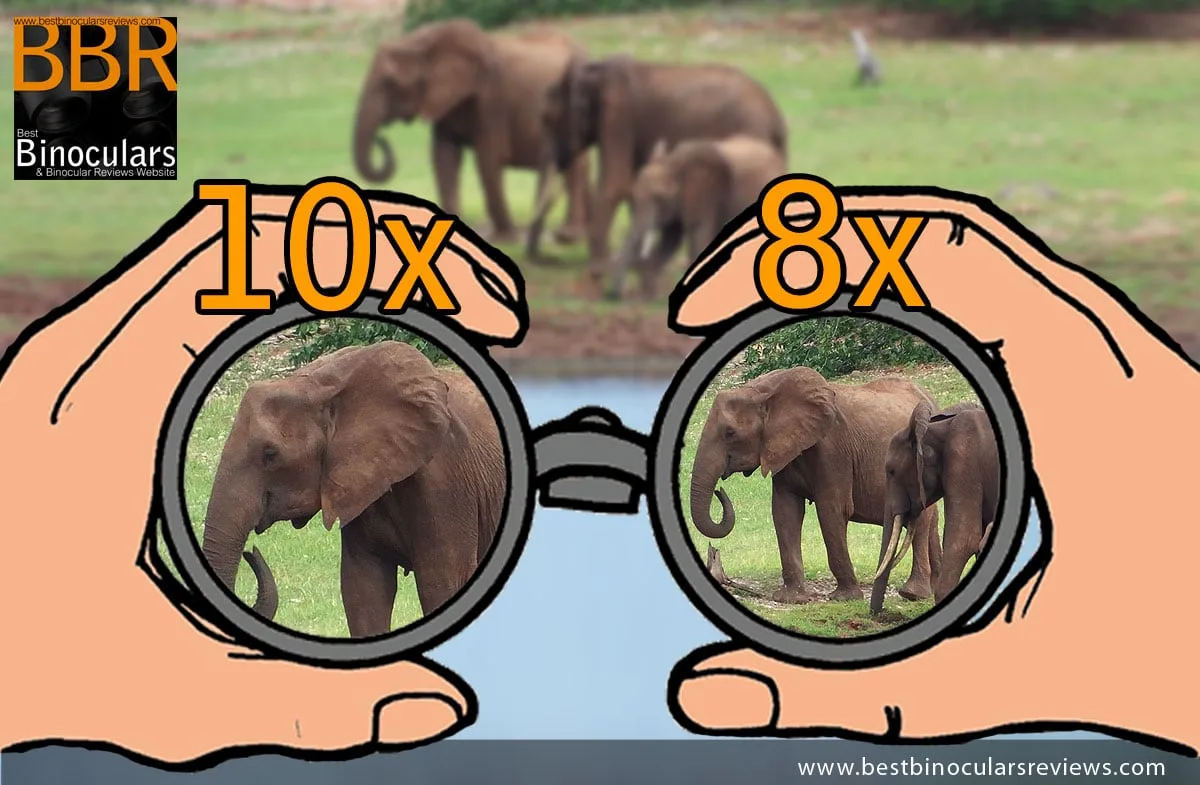
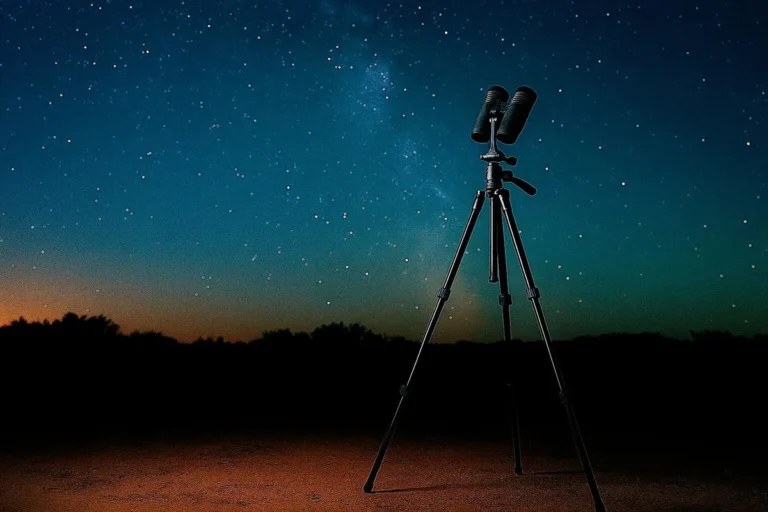
Image source: Bing (Web (fair-use with source credit))
What the Numbers Tell You
The 8×42 has the widest field of view, the largest exit pupil, and the lightest weight. It's the most versatile option for general birding. The 10×42 gives you more reach but sacrifices field of view and low-light performance.
The 12×50 offers the most reach but requires a tripod to be usable, and it's heavy enough to discourage regular carrying.
The exit pupil numbers are particularly revealing. Both the 10×42 and 12×50 have exit pupils around 4.2mm. That's fine for daytime use, but it's noticeably less than the 5.25mm of the 8×42.
In low light, that difference is visible. The 8×42 will show a brighter, clearer image at dawn and dusk.
When the Numbers Don't Tell the Whole Story
Specs matter, but they don't capture how a binocular feels in your hands. The best thing you can do is visit a store and hold the actual models. Raise them to your eyes.
Scan across the room. Feel the weight. Try the focus wheel.
A 10×42 that feels comfortable in your hands is better than an 8×42 that doesn't fit your face well.
But if you can't test in person, the specs are a reliable guide. They tell you what trade-offs you're making. The rest is personal preference.
Which Magnification Is Best for Your Specific Birding Style
Let's match the options to real-world scenarios. This is where the decision becomes personal.
Forest Birding
You're in dense woods. Warblers are moving fast through the canopy. Birds appear at 20 to 40 feet.
You need a wide field of view and quick focus. Hand shake is amplified by the close distance.
Best choice: 8x. The wider field of view helps you track birds through branches. The steadier image lets you see detail at close range. A 10x will frustrate you here.
Open Fields and Meadows
You're scanning across a prairie or farmland. Birds are 50 to 200 yards away. You have time to get a steady view.
The key is picking out detail at a distance.
Best choice: 10x. The extra reach helps you identify distant sparrows and raptors. The narrower field of view is less of a problem because birds are in the open.
Shorebirds and Waterfowl
You're on a coastal marsh or lake shore. Birds are distant, often 100 to 300 yards away. Heat shimmer is a real problem on warm days.
You may be using a tripod.
Best choice: 10x or 12x with a tripod. If you're handheld, stick with 10x. The heat shimmer makes 12x difficult without support. If you're willing to carry a tripod, 12x gives you the reach you need.
Raptor Watching
You're on a hawk watch or scanning ridgelines. Birds are often very distant, sometimes 500 yards or more. You have time to set up.
You're probably using a tripod anyway.
Best choice: 10x or 12x with a tripod. Many experienced hawk watchers use 10x for handheld scanning and a spotting scope for distant birds. If you want a single solution, 12x on a tripod works well.
Warbler Migration
You're in a migrant trap during spring or fall. Birds are everywhere at close range. They're moving fast.
You need to find them quickly and get on them fast.
Best choice: 8x. The wide field of view is essential. You'll miss warblers with 10x because you can't find them in the foliage quickly enough.
Beginner Birders
You're new to birding. You haven't developed your holding technique yet. You don't know what habitats you'll prefer.
Best choice: 8x. It's the most forgiving. It gives you the best chance of seeing birds clearly. You can always upgrade to 10x later if you feel limited.
Eyeglass Wearers
You wear glasses while birding. You need long eye relief, typically 15mm or more. The eyecups need to twist down or fold back.
Best choice: 8x or 10x with at least 15mm eye relief. Many 8x models offer 17mm to 20mm of eye relief, which is generous. Check the spec sheet before buying. The magnification itself matters less than the eye relief.
Older Birders
You're over 50. Your pupils don't dilate as wide as they once did. Your hands may be less steady.
You may bird in low light more often.
Best choice: 8x with a 42mm objective lens. The 5.25mm exit pupil gives you as much light as your eyes can use. The lower magnification compensates for any hand shake. This is the most comfortable choice for aging eyes.
Common Magnification Mistakes Even Experienced Birders Make
Even seasoned birders get this wrong. Here are the most common pitfalls.
Choosing 10x Because "More Is Better"
This is the number one mistake. People assume that if 8x is good, 10x must be better. They ignore the trade-offs.
They end up with a pair that's harder to hold, has a narrower view, and performs worse in low light. If you're happy with 8x, don't "upgrade" to 10x unless you've identified a specific need for more reach.
Ignoring Hand Shake
You can't test hand shake in a store. You hold the binoculars for 30 seconds and everything looks fine. But after an hour in the field, fatigue sets in.
The shake becomes obvious. The 10x you loved in the shop becomes a frustration. The only way to test this is to hold the binoculars for several minutes and pay attention to any wobble.
Overlooking Field of View
Field of view isn't a spec that gets attention in marketing materials. But it's one of the most important numbers for birding. A narrow field of view means you'll spend more time searching and less time watching.
For forest birding, field of view matters more than magnification.
Buying 12x Without a Tripod Plan
12x binoculars are tempting. They offer real reach. But without a tripod, most people find them unusable.
The image bounces. Your eyes get tired. You end up using them less and less.
If you buy 12x, buy a tripod or monopod at the same time.
Forgetting About Eye Relief
Eyeglass wearers often buy binoculars without checking the eye relief. They end up with a restricted view or black edges around the image. Eye relief is a spec that matters more than magnification for glasses wearers.
Always check it before buying.
Expert Tips for Getting the Most Out of Your Chosen Magnification
Once you've chosen your magnification, these tips will help you get the best performance.
Bracing and Stabilizing Techniques
You can improve stability without a tripod. Tuck your elbows into your chest. Sit down if possible.
Lean against a tree or a wall. Cup your hands around the binoculars to create a stable platform. These small adjustments make a noticeable difference at 10x and even at 8x.
When to Use a Tripod or Window Mount
If you bird from a car or a blind, a window mount is a game changer. It holds your binoculars steady and lets you scan for hours without fatigue. If you're a shorebird or raptor watcher, a lightweight tripod with a fluid head is worth the weight.
It turns a 12x binocular into a usable tool.
How to Test Magnification Comfort in-Store
When you're trying binoculars, hold them for at least two minutes. Scan from near to far. Pay attention to how your eyes feel.
If you feel any strain, put them down. That strain will only get worse in the field. Try the same model in both 8x and 10x if available.
The difference is often obvious.
The One Upgrade That Matters More Than Magnification
Glass quality matters more than magnification. A premium 8x binocular with high-quality coatings will show you more detail than a budget 10x binocular. The coatings, prism type, and lens quality determine how much light reaches your eye and how sharp the image appears.
If you're choosing between a better 8x and a cheaper 10x, buy the better 8x every time.
Final Verdict: The Best Magnification for Bird Watching
Here's the bottom line. For most birders in most situations, 8x is the best choice. It's the most versatile, the most forgiving, and the most comfortable for extended use.
If you bird primarily in open habitats and have steady hands, 10x is a solid upgrade. If you're willing to carry a tripod and need maximum reach, 12x has its place.
But don't overthink this. The best magnification is the one that gets you outside looking at birds. An 8x binocular you carry every day is worth more than a 10x that stays in the closet.
Buy the best glass you can afford in the magnification that fits your style. Then go birding.
Frequently Asked Questions About Birding Magnification
Is 12x too much magnification for bird watching?
For most people, yes. 12x requires a tripod or monopod to be usable. Without support, the image is too shaky for comfortable viewing. If you're willing to carry a tripod and you bird in open habitats, 12x can work well.
Can I use 10x for forest birding?
You can, but you'll find it more difficult. The narrower field of view makes it harder to track birds through dense foliage. Many forest birders prefer 8x for this reason.
If you try 10x in the woods and feel frustrated, that's why.
What magnification do professional birders use?
Most professional birders and ornithologists use 8×42 binoculars as their primary pair. The wide field of view and steady image are more important for field identification than extra reach. Some carry 10x for specific situations.
Does magnification matter more than glass quality?
No. Glass quality matters more. A premium 8x binocular with high-quality coatings will show you more detail than a budget 10x binocular.
The coatings, prism type, and lens quality determine how much light reaches your eye and how sharp the image appears.
Should I get 8×32 or 8×42?
Choose 8×42 if you bird in low light conditions or want the brightest possible image. Choose 8×32 if you travel frequently and want a lighter, more compact pair. The 8×42 has a larger exit pupil and better low-light performance.
The 8×32 is lighter and easier to carry.