Are Binoculars Worth It
You've probably asked yourself this question while scrolling through options online or standing in an aisle at a store. Are binoculars worth it? It is a fair question.
Binoculars range from twenty-dollar toys to thousands of dollars for a single pair. The answer is not a simple yes or no.
Manufacturer specifications indicate that a quality 8×42 pair delivers a field of view between 340 and 390 feet at 1,000 yards. That is enough to track a bird in flight or follow a play across a football field. But specs alone do not tell you whether you will actually use them.
Let us walk through what matters.

Image source: Web (Bing) / flickr.com (Web image (fair-use with source credit))
The Quick Answer: It Depends on You
Are binoculars worth it? Yes, for most people with a specific use. They magnify distant details you would otherwise miss.
Good binoculars can last decades with proper care.
The real question is whether you have a reason to use them regularly. If you birdwatch, hunt, attend outdoor sports, stargaze, or hike, binoculars improve the experience. If you rarely look at distant things, they will sit in a drawer.
Aggregate reviews from thousands of users show one clear pattern. People who match their binoculars to their primary activity are satisfied. People who buy based on price alone are often disappointed.
As of 2026, the market offers strong options at every price point. The best value sits in the mid-range from $150 to $400.
The Basics: Magnification, Lens Size, and Prism Type
You do not need to become an optics expert to buy good binoculars. But you need to understand three numbers and one internal design choice. Those numbers are magnification and objective lens diameter.
The design choice is the prism type.
Magnification: What Do Those Numbers Mean?
Binoculars are labeled with two numbers like 8×42 or 10×50. The first number is magnification. An 8x pair makes objects appear eight times closer.
A 10x pair makes them appear ten times closer.
Higher magnification sounds better, but it has a trade-off. It magnifies your hand shake too. At 10x and above, most people need a tripod or image stabilization for a steady view.
At 8x, you can hold them steady with your hands. That is why 8x is the most popular choice for general use.
Manufacturer specs confirm that 8x binoculars also offer a wider field of view. You can follow moving subjects like birds or athletes more easily. For most people starting out, 8x is the right call.
Objective Lens: How Big Should It Be?
The second number is the objective lens diameter in millimeters. A 42mm lens gathers more light than a 25mm lens. More light means brighter images in low light conditions like dawn or dusk.
But bigger lenses mean bigger binoculars. A 50mm pair is heavy and bulky. A 25mm pair fits in a jacket pocket.
Your choice depends on when and where you use them.
- 25mm to 32mm, Compact and lightweight. Great for daytime hiking, concerts, and travel. Limited in low light.
- 42mm, The sweet spot for most people. Good brightness in low light. Still portable enough for all-day carry.
- 50mm and above, Maximum brightness. Best for stargazing and hunting at dawn or dusk. Heavy. Often needs a tripod.
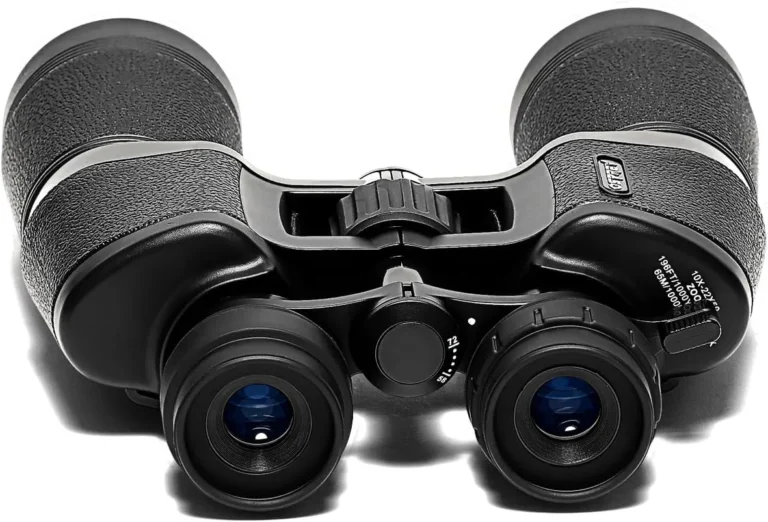
Prism Type: Roof vs. Porro
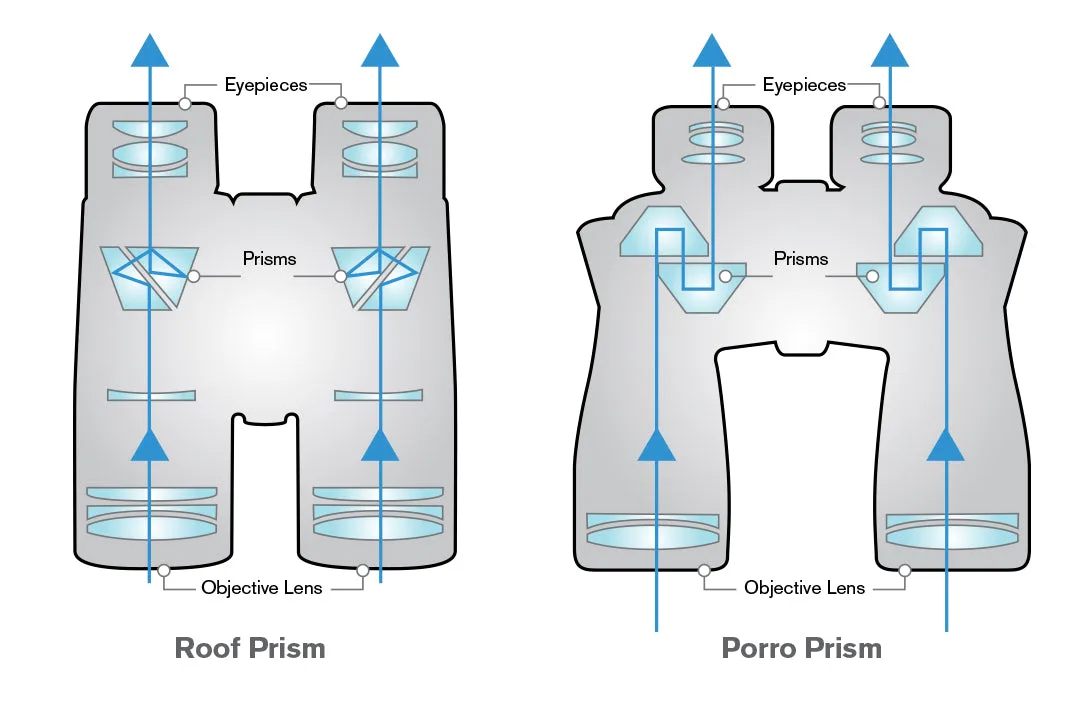
Image source: Bing (Web (fair-use with source credit))
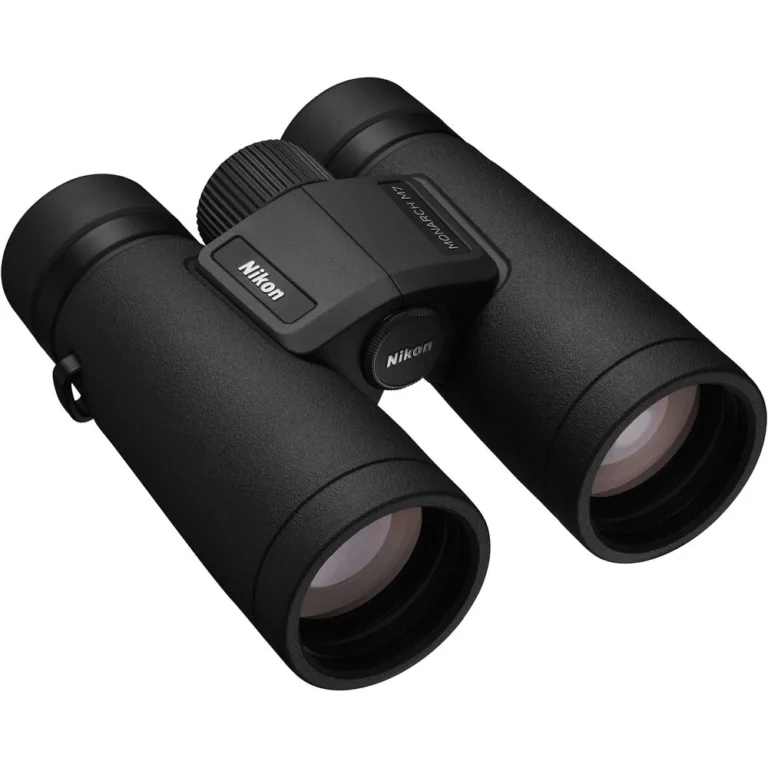
The prism inside the binoculars makes the image appear right-side up. There are two main types. Roof prism binoculars have straight barrels.
Porro prism binoculars have offset barrels that look like a classic H shape.
Roof prism binoculars are more compact and durable. They are the standard for modern binoculars. But quality roof prism designs require precision manufacturing.
Cheap roof prism binoculars often have poor image quality.
Porro prism binoculars are simpler to make well. They typically offer better image quality for the same price. They are bulkier and less rugged.
For a beginner on a budget, a good porro prism pair often delivers better optics than a cheap roof prism pair.
Our research suggests that for most buyers, a mid-range roof prism pair with fully multi-coated lenses is the best balance of quality and portability. Look for the phrase fully multi-coated on the specs. That means every lens surface has anti-reflective coating.
It significantly improves brightness and clarity.
Where Binoculars Shine: Best Use Cases
Binoculars are worth it when they solve a real problem. You want to see something far away in detail. Here are the situations where binoculars add the most value.
Birdwatching and Wildlife Observation
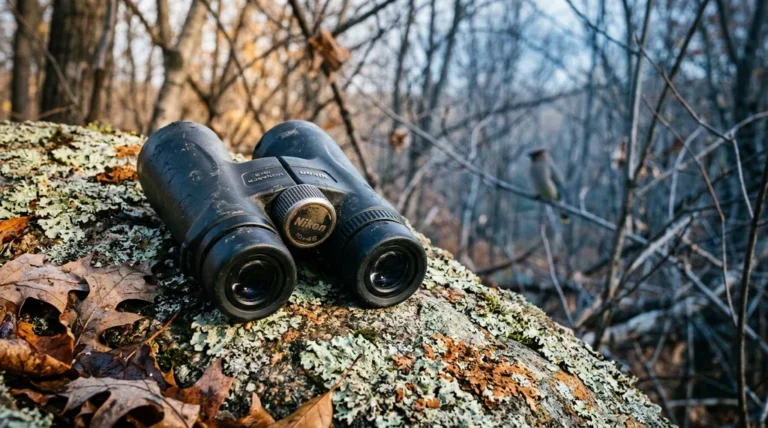
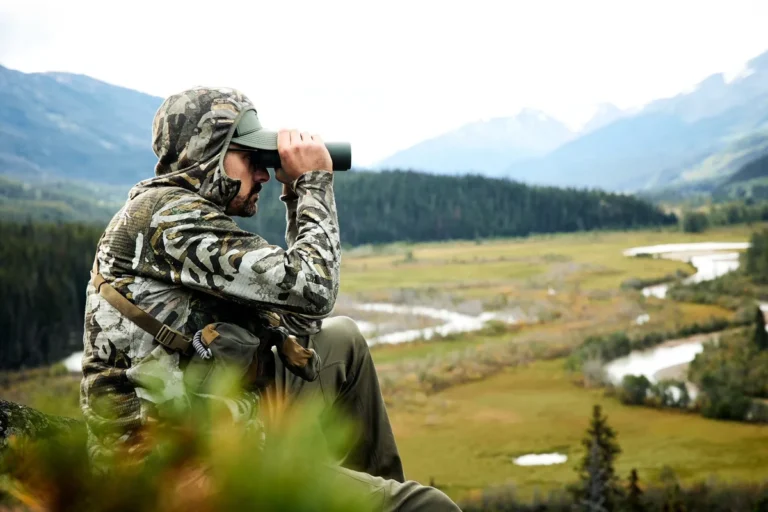
This is the most common reason people buy binoculars. Birds are small and skittish. Getting close enough to see field marks is often impossible without magnification.
A good pair of 8×42 binoculars lets you identify species from a respectful distance.
Birdwatchers often spend hours scanning treetops and marsh edges. Comfort matters. Lightweight binoculars with good ergonomics reduce fatigue.
Eye relief of at least 15mm is important if you wear glasses. The National Audubon Society recommends 8x magnification for most birding situations because of the wider field of view.
Hunting and Scouting
Hunters use binoculars to spot game at dawn and dusk. Low light performance is critical. A larger objective lens like 42mm or 50mm helps.
Magnification of 10x is common because hunters often scan open fields. They need to see details like antler points.
Many hunters use binoculars to glass large areas methodically. Waterproofing and fog proofing are essential because hunting often happens in wet or cold conditions. A rugged rubber armor coating protects against drops and bumps.
Outdoor Sports and Concerts
If you attend football games, horse races, or outdoor concerts, binoculars bring you closer to the action. Compact binoculars in the 8×25 or 8×32 range are ideal. They fit in a small bag or large pocket.
Security at venues often restricts large bags, so small size matters.
Wide field of view is important for sports. You want to follow the ball or the player without constantly readjusting. An 8x pair with a field of view over 350 feet at 1,000 yards works well.
Stargazing
Binoculars are an excellent entry point for astronomy. They show more stars than the naked eye. They reveal clusters, nebulae, and the moons of Jupiter.
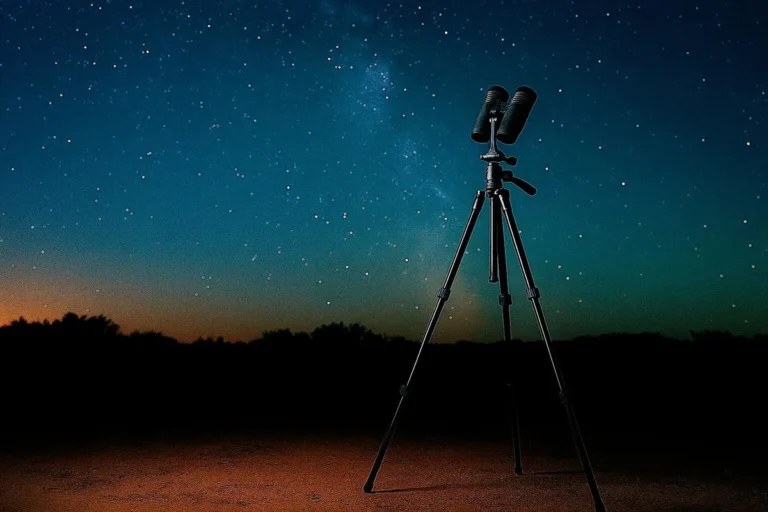
A 10×50 pair is a classic choice for stargazing. The large objective lens gathers enough light to see faint objects.
Binoculars are easier to use than a telescope. You can scan the sky naturally. You do not need to set up a tripod every time, though a tripod helps at higher magnifications.
Astronomical societies often recommend binoculars as the first purchase for new stargazers.
Hiking and Travel
Hikers use binoculars to scan distant peaks, spot trail markers, and observe wildlife. Weight is the main concern. A compact 8×25 or 8×32 pair adds minimal weight to your pack.
Many hikers clip them to their backpack strap for quick access.
Travelers use binoculars for sightseeing from observation decks, boats, and scenic viewpoints. Waterproof binoculars are a good idea for boat trips or rainy destinations. A compact pair fits in a daypack without taking up much space.
Where They Fall Short: Pain Points and Limitations
Binoculars are not perfect for every situation. Knowing their limitations helps you decide if they are worth it for you.
Shaky Hands at High Magnification
This is the most common complaint. At 10x and above, normal hand shake becomes visible. The image bounces and jitters.
You cannot see details clearly. Many people buy 12x or 16x binoculars thinking more power is better. They find them unusable without a tripod.
If you have unsteady hands, stick with 8x. Or budget for a tripod adapter and a light tripod. Image-stabilized binoculars exist, but they cost significantly more.
Canon makes popular models that start around $500.
Bulk and Weight
Full-size binoculars are heavy. A typical 8×42 pair weighs 20 to 30 ounces. That is over a pound hanging around your neck.
After a few hours of hiking, that weight is noticeable. Neck straps can cause discomfort. A harness that distributes weight across your shoulders helps.
Compact binoculars solve the weight issue but sacrifice low light performance. You cannot have both small size and high light gathering. Physics wins that argument every time.
Cheap Binoculars Are Often Disappointing
A $30 pair from a discount store will likely frustrate you. The optics may be misaligned, causing eye strain. The coatings may be poor, resulting in dim, hazy images.
The focus wheel may be stiff or imprecise. Many people try cheap binoculars, get disappointed, and assume all binoculars are bad.
The truth is that decent binoculars start around $100. That is the entry point for acceptable optics. Below that, you are gambling on quality control.
Not Ideal for Quick Glances
Binoculars require both hands to use. You stop, raise them, focus, and look. That process takes a few seconds.
For quick glances at something nearby, using your eyes is faster. If you need to check something frequently, binoculars become tedious.
Fogging and Moisture
Non-waterproof binoculars can fog up internally when you move from cold to warm air. They can also trap moisture if used in rain. Fogging ruins the view until the moisture evaporates.
Waterproof and fog proof models solve this, but they cost more. Look for nitrogen purged or argon purged in the specs.
Common Mistakes People Make When Buying
Most buyer disappointment comes from a few predictable mistakes. Avoid these, and you are much more likely to be happy with your purchase.
Buying Too Much Magnification
New buyers often think higher magnification is always better. They pick 12x or 16x because they want to see as far as possible. They end up with shaky, narrow views that are hard to use.
The image bounces with every heartbeat. They stop using the binoculars entirely.
The rule of thumb is simple. For handheld use, stick with 8x or 10x. Choose 8x if you want a wider, steadier view.
Choose 10x if you need more detail and can brace your arms or lean against something.
Ignoring Eye Relief
Eye relief is the distance between your eye and the eyepiece where you can see the full image. If you wear glasses, you need at least 15mm of eye relief. Many people buy binoculars without checking this spec.
They find they cannot see the full field of view with glasses on. They end up pushing their glasses against the eyepieces or taking them off.
Most manufacturers list eye relief in the specifications. Check it before you buy. Adjustable twist-up eyecups also help you find the right distance.
Choosing Based on Price Alone
Buying the cheapest binoculars you can find is a common mistake. The optics are often poor. The image may be blurry around the edges.
The focus mechanism may feel loose or sticky. You save money upfront but end up with a frustrating experience.
On the other hand, buying the most expensive pair you can find is also a mistake. High end binoculars from brands like Swarovski, Leica, and Zeiss offer exceptional optics. But they cost over $1,000.
If you are a casual user, you will not notice the difference between a $400 pair and a $2,000 pair. The law of diminishing returns applies strongly in optics.
Forgetting to Check Weight
People buy full-size binoculars for their light gathering ability. Then they take them on a hike and realize they are heavy. The binoculars end up in the car or at home.
The best binoculars are the ones you actually carry with you. Be honest about your tolerance for weight.
Skipping the Warranty
Binoculars take bumps and drops. A good warranty protects your investment. Some brands like Vortex and Leupold offer lifetime warranties that cover accidental damage.
Others offer limited warranties that only cover defects. Check the warranty terms before you buy. A lifetime warranty adds significant long term value.
How to Decide If Binoculars Are Worth It for You: A Simple Workflow
This is where everything comes together. Instead of guessing, follow this step-by-step decision process. It will tell you if binoculars are a smart buy for your situation.
Step 1: Define Your Primary Use
Write down the one activity you will use them for most. Birdwatching, hunting, sports, stargazing, or hiking. If you have multiple uses, pick the most demanding one.
That determines your specs.
Step 2: Choose Your Magnification and Lens Size
Use this simple decision tree.
- For birdwatching or general outdoor use, Choose 8×42. This is the most versatile combo.
- For hunting at dawn or dusk, Choose 10×42 or 10×50. You need the extra reach and light.
- For stargazing, Choose 10×50. The large objective lens gathers maximum light.
- For hiking or travel, Choose 8×25 or 8×32. Lightweight and compact.
- For sports or concerts, Choose 8×32. Good balance of portability and field of view.
Step 3: Set Your Budget
Your budget determines your options. We cover exact price ranges in the next section. For now, decide on a number.
Be realistic about what you will spend.
Step 4: Check the Key Specs
Once you have a candidate, verify these three specs.
- Fully multi-coated lenses, Non-negotiable. This is the single biggest factor in image brightness.
- Eye relief of at least 15mm, Mandatory if you wear glasses.
- Waterproof and fog proof, Strongly recommended unless you only use them indoors.
Step 5: Read Verified Buyer Feedback
Look for patterns in user reviews. Do not focus on the overall star rating. Look for comments about image sharpness, build quality, and focus smoothness.
Multiple users mentioning the same issue means it is a real problem.
Step 6: Make the Call
If you have a clear use case, a realistic budget, and a model that matches your needs, binoculars are worth it. If you are unsure about how often you will use them, consider borrowing a pair first or buying a lower cost model to start.
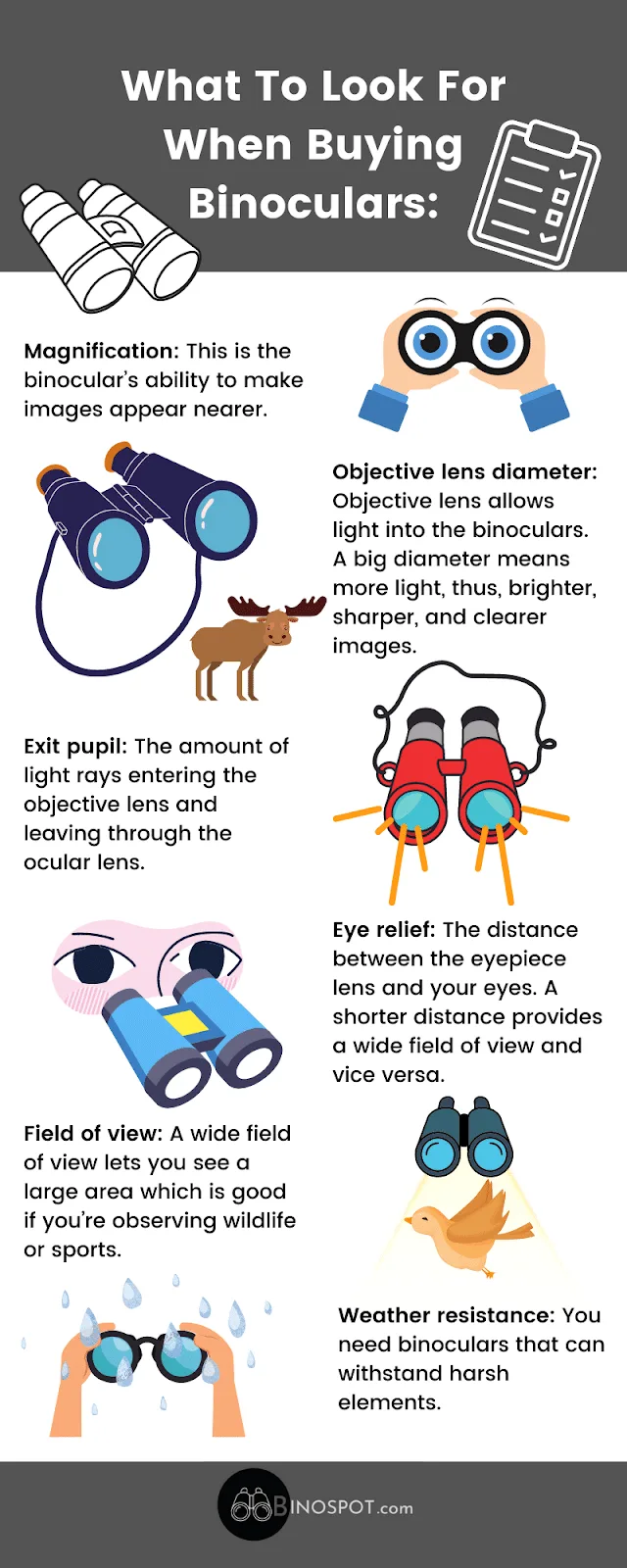
Image source: Bing (Web (fair-use with source credit))
What You Get for Your Money: Price Ranges and What They Mean
Binocular prices span a huge range. Understanding what each tier delivers helps you spend wisely.
Under $100: The Budget Tier
This tier is hit or miss. Some models offer acceptable optics for casual use. Others are genuinely bad.
The key is knowing what to expect.
- Pros, Low upfront cost. Good enough for daytime use at a sports event or a kids nature walk.
- Cons, Poor low light performance. Plastic construction. Misalignment is common. Image quality is often soft at the edges.
- Who it is for, Occasional users who are not picky about image quality. Children. People who are not sure if they will use binoculars.
Our research shows that the best options in this tier are porro prism models from established brands. They offer better optics for the money than cheap roof prism models.
$100 to $300: The Entry Level Sweet Spot
This is where binoculars start to get good. You get fully multi-coated lenses, decent build quality, and reliable waterproofing.
- Pros, Good image quality for the price. Rugged enough for regular use. Many models include lifetime warranties.
- Cons, Optics are not as bright or sharp as higher tiers. The focus mechanism may feel less smooth.
- Who it is for, Serious hobbyists on a budget. First time buyers who want a quality pair. Hikers and travelers who need a reliable tool.
Brands like Vortex, Nikon, and Celestron offer strong options in this range. The Vortex Diamondback HD series is a popular choice for good reason.
$300 to $600: The Mid Range Performance Tier
This tier delivers a noticeable jump in image quality. The glass is better. The coatings are more advanced.
The build quality is excellent.
- Pros, Sharp, bright images with good color accuracy. Phase coated prisms for roof prism models. Smooth focus mechanisms. Durable construction.
- Cons, Heavier than budget models. The price feels high for casual users.
- Who it is for, Dedicated birdwatchers, hunters, and outdoor enthusiasts. People who want a pair that will last for years.
$600 and Above: The Premium Tier
This is where optics become exceptional. Brands like Swarovski, Leica, and Zeiss dominate this range. The image quality is stunning.
- Pros, Unmatched brightness and sharpness. Flawless build quality. Excellent warranty and customer service.
- Cons, Very expensive. The law of diminishing returns applies strongly. Most casual users will not notice the difference from a $400 pair.
- Who it is for, Professional birders, serious hunters, and enthusiasts who value the best possible optics. People who use binoculars daily.
Price Range Summary Table
| Price Range | What You Get | Best For |
|---|---|---|
| Under $100 | Basic optics, plastic build, often misaligned | Occasional use, kids, testing interest |
| $100 to $300 | Good optics, fully multi-coated, waterproof | Hobbyists, first time buyers, hikers |
| $300 to $600 | Excellent optics, phase coated, durable | Dedicated birdwatchers, hunters |
| $600+ | Exceptional optics, premium build, advanced coatings | Professionals, enthusiasts, daily users |
Alternatives Worth Considering: Monoculars, Spotting Scopes, and Just Using Your Eyes
Binoculars are not the only option. Depending on your needs, an alternative might be a better fit.
Monoculars: One Eye, Less Weight
A monocular is essentially half a pair of binoculars. It is smaller, lighter, and cheaper.
- Pros, Extremely portable. Fits in a pocket. Costs less than a comparable binocular. Good for quick spotting.
- Cons, No depth perception. Using one eye is less comfortable for long periods. The image is smaller than a binocular view.
- Best for, Hikers who want minimal weight. People who need a quick look rather than extended observation. Emergency kits and car glove boxes.
For a casual hiker who just wants to check a distant trail marker, a monocular is a smart choice. It is not a replacement for serious birdwatching or hunting.
Spotting Scopes: High Magnification for Stationary Use
A spotting scope is a small telescope designed for terrestrial viewing. It offers much higher magnification than binoculars.
- Pros, Magnification from 20x to 60x or more. Bright, detailed images on a tripod. Ideal for long range observation.
- Cons, Requires a tripod. Heavy and bulky. Expensive. Not portable for hiking.
- Best for, Birders who need to identify distant waterfowl. Hunters who glass open fields. Target shooters who check shot placement.
A spotting scope is a complement to binoculars, not a replacement. You use binoculars to find the subject. Then you switch to the spotting scope for a closer look.
Using Your Eyes: The Free Option
Sometimes the best tool is no tool at all. If you are just enjoying a scenic view or walking in the woods, your eyes are fine.
- Pros, Always available. No weight. No cost. You see the widest possible field of view.
- Cons, Limited to what you can see with your natural vision. Distant details are not visible.
Our research suggests that many people buy binoculars for situations where they do not actually need them. If you are happy with what you see, save your money.
The Verdict on Alternatives
| Option | Pros | Cons | Best For |
|---|---|---|---|
| Binoculars | Depth perception, comfortable for long use, good field of view | Heavier, bulkier, more expensive | Most outdoor activities |
| Monocular | Lightweight, compact, cheap | No depth perception, less comfortable | Quick spotting, hiking, emergency kits |
| Spotting scope | High magnification, detailed images | Needs tripod, heavy, expensive | Long range observation, stationary use |
| Naked eye | Free, always ready, no weight | Limited to natural vision | Casual enjoyment, scenic views |
Maintenance and Long Term Value
Binoculars can last decades with proper care. A few simple habits keep them performing well.
Cleaning Your Lenses
Dust and smudges degrade image quality. Clean your lenses regularly but carefully.
- Use a blower brush to remove loose dust first. Rubbing dust into the glass causes scratches.
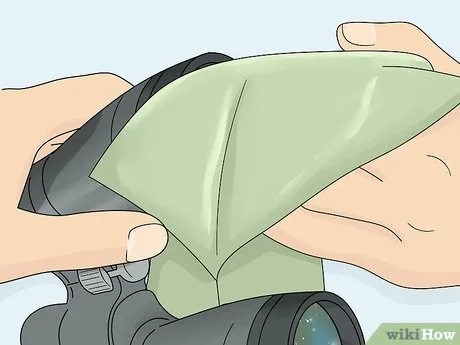
- Use a microfiber cloth designed for optics. Do not use your shirt or paper towels.
- Use a lens cleaning solution sparingly. Apply it to the cloth, not the lens.
- Wipe in a gentle circular motion. Never press hard.
Storing Your Binoculars
Proper storage prevents damage and fogging.
- Store them in a dry place at room temperature. Avoid extreme heat or cold.
- Keep the lens caps on when not in use. This protects the glass from dust and scratches.
- Use the included case for travel. Do not toss them loose in a backpack.
- Add a silica gel pack to the case if you live in a humid climate. This absorbs moisture.
- If your binoculars are not waterproof, let them acclimate slowly when moving between temperatures. Rapid changes cause internal fogging.
Checking Alignment
Over time, binoculars can go out of alignment. This causes eye strain and double vision. You can check alignment by looking at a distant straight line like a power pole or building edge.
If the image appears split or the lines do not merge, the binoculars need service.
Many manufacturers offer alignment service. Some lifetime warranties cover this. Check your warranty terms.
Warranty Considerations
A good warranty adds significant long term value. Some brands offer unconditional lifetime warranties. They repair or replace binoculars for any reason, even accidental damage.
- Vortex, VIP warranty. Unconditional lifetime. No receipt needed.
- Leupold, Golden Ring warranty. Lifetime. Covers everything.
- Nikon, Limited lifetime warranty. Covers defects but not accidental damage.
- Swarovski, 10 year warranty. Covers defects and some damage.
Our research shows that a lifetime warranty is worth paying extra for. It protects your investment and gives peace of mind.
Expected Lifespan
A quality pair of binoculars with proper care lasts 20 to 30 years or more. Many people pass them down to the next generation. The lenses do not degrade over time.
The mechanical parts are simple and durable.
The main failure points are the focus mechanism and the rubber armor. Both are repairable. The optics themselves rarely fail.
Frequently Asked Questions
Do I need binoculars for hiking?
Not always. If you hike primarily for exercise and enjoy the scenery without magnification, skip them. If you hike to spot wildlife, identify birds, or check distant trail markers, a compact pair adds value.
Consider an 8×25 or 8×32 for minimal weight.
What magnification is best for beginners?
8x is the best choice for most beginners. It offers a wide field of view and steady handheld viewing. 10x is the next option if you need more detail. Avoid 12x and above for handheld use.
Are expensive binoculars worth the extra money?
For casual users, no. The difference between a $200 pair and a $1,000 pair is small for most people. For dedicated birdwatchers, hunters, or professionals who use binoculars daily, the extra cost is worth it for better image quality, durability, and warranty.
Can I use binoculars for stargazing?
Yes. Binoculars are an excellent first tool for astronomy. A 10×50 pair shows many stars, clusters, and the moons of Jupiter.
They are easier to use than a telescope. You do not need a tripod, though it helps for steady viewing.
How do I know if binoculars are waterproof?
Look for the phrase O-ring sealed and nitrogen purged in the specs. These indicate that the binoculars are sealed against moisture and filled with an inert gas to prevent fogging. Do not rely on water resistant.
This is not the same as waterproof.
What is the best binocular brand for the money?
In our research, Vortex offers the best value for most buyers. The Diamondback HD series delivers excellent optics at a fair price with a lifetime warranty. Nikon and Celestron also offer strong options in the entry level and mid range.