How Much Wood Do You Need for a Fire Pit
If you've ever asked yourself "how much wood do you need for a fire pit," you already know the answer isn't just a single number. It depends on the size of your pit, how long you want the fire to burn, and the type of wood you're using. That's why most people either run out of wood halfway through the evening or end up with a pile of leftover logs that rot in the rain.
Our research shows that a typical backyard fire pit with a 30-inch diameter burns through about 3 to 5 seasoned hardwood logs per hour. That's a starting point, but getting the right amount means understanding your specific setup. This guide walks you through the decision tree so you can calculate exactly what you need, whether you're planning a quick 90-minute campfire or an all-night party.
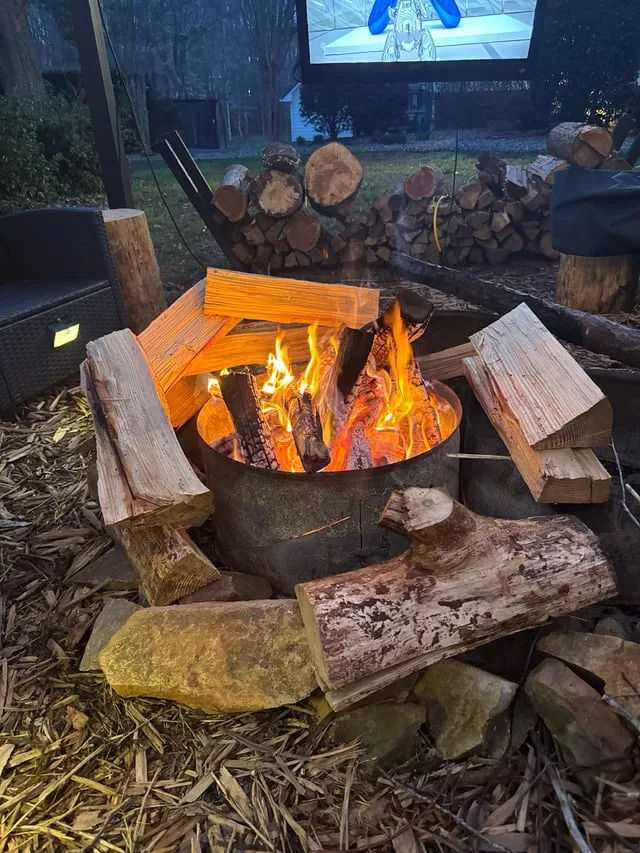
Image source: Bing (Web (fair-use with source credit))
Quick Answer
For a standard 30-inch fire pit, plan on 3 to 5 seasoned hardwood logs per hour. A 2-hour evening fire needs about 8 to 10 logs. A 4-hour fire needs 15 to 20 logs.
Softwood burns faster, so you'll need roughly twice as many. Always add a 20 percent buffer for kindling, relights, and longer-than-expected fires.
Why Most People Get the Wrong Amount of Firewood (and Why It Matters)
The "too much vs. too little" trap
The most common mistake is guessing. You grab a few bundles at the store, toss them in the pit, and hope for the best. Buy too little and you're scrambling for more wood while your guests wait.
Buy too much and you've got wet, rotting logs taking up space in your yard.
Getting the right amount means you can relax, tend the fire, and actually enjoy the company.
How this guide works (a decision tree, not a guess)
This isn't a generic "buy 20 logs" formula. It's a decision tree that asks you three questions: how big is your fire pit, how long do you want the fire to burn, and what kind of wood are you using. Each answer leads you to a specific quantity.
It's the same approach we use when evaluating a fire pit that's a smart investment for the money. You match the tool to the job.
The result is a number that fits your actual situation, not someone else's.
The 3 Variables That Decide How Much Wood You Actually Need
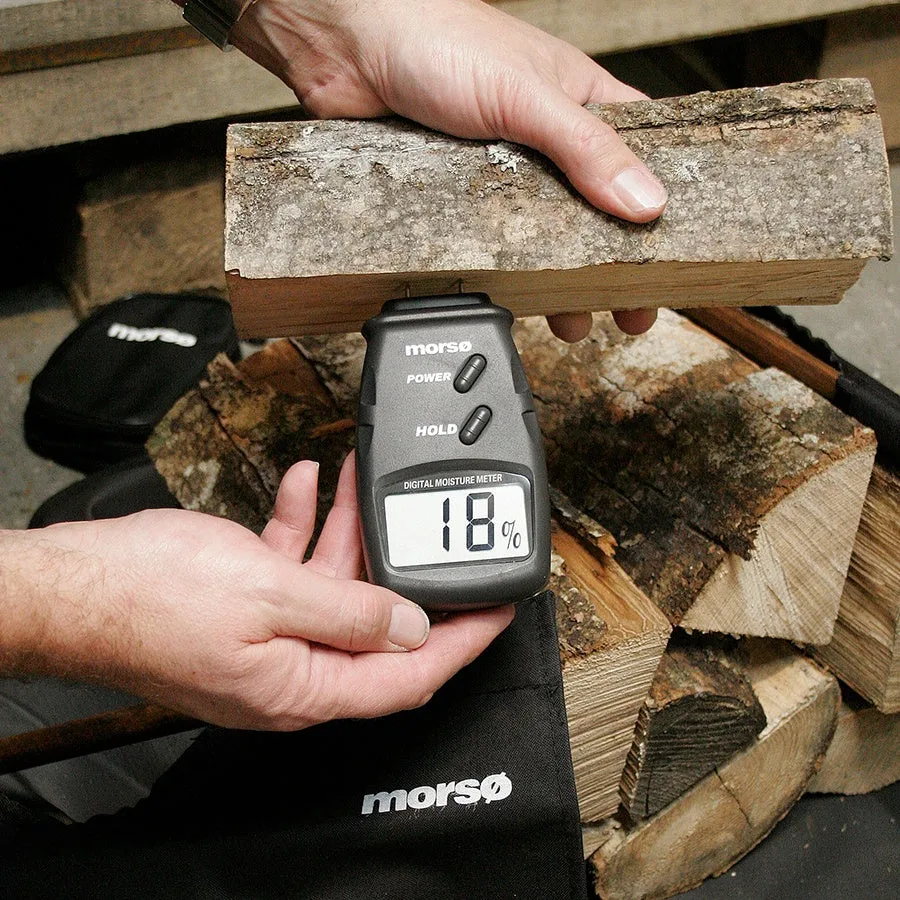
Image source: Bing (Web (fair-use with source credit))
Fire pit size: diameter, depth, and fuel area
The bigger the pit, the more wood it takes to build a proper fire. A small portable pit (under 24 inches) holds maybe two logs per layer. A large permanent pit (over 30 inches) can hold four or five logs per layer.
Depth matters too. A shallow pit burns through fuel faster because the coals cool quicker.
Manufacturer specs for most fire pits list the bowl diameter and depth. If you're working with a model designed for a specific surface, like a unit built for a concrete patio, the specs will tell you the fuel capacity.
Burn time: how long do you want the fire to last?
This is the most practical variable. A 1-hour fire for s'mores needs far less wood than a 4-hour evening with friends. Every hour of fire requires about 3 to 5 hardwood logs, depending on log size and pit airflow.
If you're planning a 3-hour fire, you're looking at 9 to 15 logs.
Wood type: hardwood vs. softwood burn rates
Hardwood (oak, hickory, maple) burns slower and hotter. A single split oak log can burn for 45 minutes to an hour. Softwood (pine, cedar, fir) burns faster and cooler.
A pine log might burn for only 20 to 30 minutes. That means you need roughly twice as many softwood logs for the same burn time.
Seasoned wood with moisture content under 20 percent burns more efficiently. Green wood smokes, sizzles, and wastes fuel. The USDA Forest Service recommends seasoning wood for at least six months before burning.
Decision Tree: Find Your Exact Firewood Quantity
Branch 1: small pit (under 24 inches) / short burn (under 2 hours)
If you have a small portable pit and you just want to make s'mores, you need about 6 to 8 seasoned hardwood logs. Stack them in a teepee formation with kindling in the center. This should give you a solid 90 minutes of fire.
Branch 2: medium pit (24-30 inches) / evening burn (2-4 hours)
This is the most common backyard setup. For a 3-hour fire, you need 12 to 16 hardwood logs. If you're using softwood, double that to 24 to 32 logs.
Stack in a log cabin pattern for good airflow and steady heat.
Branch 3: large pit (over 30 inches) / all-night or party burn (4+ hours)
A large pit for a long evening needs 18 to 25 hardwood logs. Add a few extra logs for the "just in case" factor. Cold nights encourage everyone to stay longer.
If you're using a model that's heavy enough to handle all seasons, the bowl will hold more fuel and burn more efficiently.
Branch 4: cooking fire vs. ambiance fire
A cooking fire needs a different setup. You want a bed of hot coals, not tall flames. That means you'll burn wood faster to create the coals, then add wood more slowly to maintain them.
Plan on about 20 percent more wood for a cooking fire compared to a purely ambiance fire of the same duration.
How to Calculate Your Wood Needs Step by Step
Step 1: measure your fire pit
Grab a tape measure. Measure the diameter of the fire pit bowl at its widest point. Measure the depth from the bottom of the bowl to the rim.
Write these numbers down.
Step 2: estimate logs per layer
A standard split log is about 16 inches long and 3 to 5 inches wide. In a small pit (under 24 inches), fit 2 logs per layer. In a medium pit (24 to 30 inches), fit 3 logs per layer.
In a large pit (over 30 inches), fit 4 to 5 logs per layer.
Step 3: count layers for your target burn time
Each layer of logs burns for about 30 to 45 minutes (hardwood) or 15 to 25 minutes (softwood). Divide your target burn time by the burn time per layer. For a 3-hour fire with hardwood, you need about 4 to 6 layers.
Step 4: adjust for wood type and moisture
Multiply your log count by 1.5 if you're using softwood. Multiply by 1.2 if your wood is borderline seasoned (moisture content around 20 to 25 percent). If you're burning green wood, multiply by 2.
But seriously, don't burn green wood.
Step 5: add a buffer (the 20% rule)
Add 20 percent to your final number. This covers relighting, longer-than-expected fires, and the inevitable "one more log" requests. A 15-log estimate becomes 18 logs.
It's better to have a few left over than to run out.
5 Common Mistakes That Ruin a Fire Pit Evening
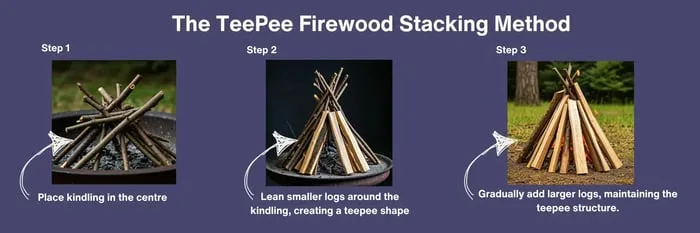
Image source: Bing (Web (fair-use with source credit))
Using green or wet wood
Green wood smokes, pops, and gives off less heat. It also creates creosote buildup in your fire pit and chimney if you have one. Wet wood does the same.
Always check moisture content with a cheap moisture meter before you buy. Seasoned wood should read under 20 percent.
Stacking wrong (too tight, too loose, no airflow)
A fire needs oxygen. If you pack logs too tightly, the fire smothers. If you leave too much space, the fire burns through fuel too fast.
The teepee and log cabin patterns are popular for a reason. They balance airflow with fuel density. The log cabin pattern is especially good for long burns.
Ignoring pit depth (shallow pits burn through wood faster)
A shallow pit (less than 6 inches deep) lets heat escape quickly. The coals cool faster, and the fire burns through wood faster. If your pit is shallow, plan on adding 25 to 30 percent more wood to maintain the same burn time.
Buying by eye instead of volume
A bundle of firewood from a grocery store might look like a lot, but it's often only 1/8 of a face cord. That's about 2 to 3 cubic feet of wood. For a 3-hour fire, you need closer to 4 to 5 cubic feet.
Always estimate in cubic feet or number of logs, not bundles.
Forgetting kindling and tinder in the count
Kindling and tinder are separate from your main log count. A small handful of kindling (small sticks or split wood shavings) and a few fire starters are essential for getting the fire going. Don't count them as part of your fuel wood.
They're the setup, not the show.
Safety, Storage, and Legal Considerations
Firewood transport rules (pest quarantine zones)
Moving firewood across state lines can spread invasive pests like the emerald ash borer and the Asian longhorned beetle. Many states have quarantine zones that restrict importing firewood. The USDA Forest Service maintains updated maps of these zones.
The safest rule is to buy firewood locally. Buy it where you plan to burn it. If you're camping, purchase wood from a vendor near the campground.
Transporting firewood more than 50 miles is generally discouraged by forestry officials.
Burn bans and local fire pit codes
County and state governments issue burn bans during dry seasons. These bans make it illegal to have open fires, including fire pits. Check your local fire department or county website before lighting up.
Violating a burn ban can result in fines.
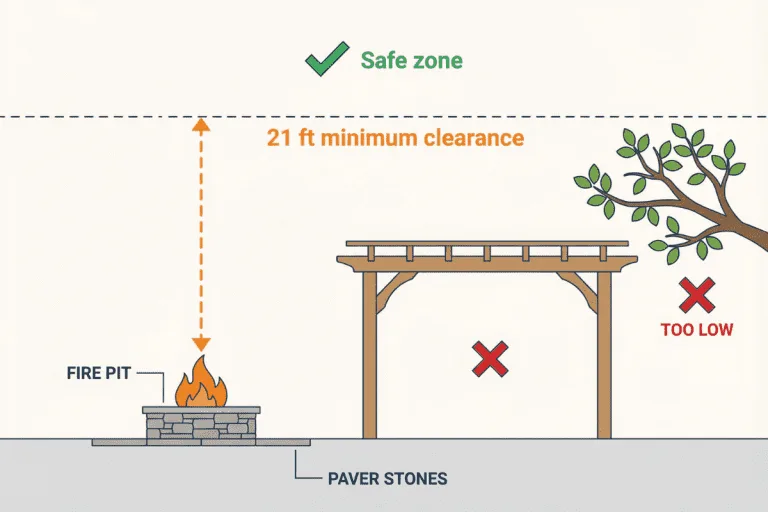
Your fire pit also needs to comply with local setback rules. Most codes require a minimum distance of 10 to 25 feet from structures, fences, and property lines. Some municipalities require a permit for permanent fire pits.
Check your local regulations before you build or buy.
Storing leftover wood (keep it dry, off the ground, away from your house)
Stack firewood off the ground on a rack or pallet. Cover the top with a tarp but leave the sides open for airflow. This prevents moisture buildup and keeps pests from nesting.
Store wood at least 5 feet from your house to avoid attracting termites and carpenter ants.
If you're using a model that works well on a gravel patio, keep the fuel storage area clear of debris. A clean storage space reduces fire risk and keeps your wood dry.
What wood you should never burn
Never burn treated lumber, painted wood, particleboard, or plywood. These release toxic chemicals into the air. Also avoid burning poison ivy, poison oak, or poison sumac vines.
The smoke can carry irritants that cause severe lung reactions.
Driftwood is another one to skip. It contains salt that can corrode your fire pit and release harmful compounds. Stick to seasoned, untreated hardwood for the safest and cleanest fire.
Quick-Reference Guide: Wood Quantities for Common Fire Pit Sizes
This table gives you a quick estimate based on the three most common fire pit sizes. All numbers assume seasoned hardwood logs (16 inches long, 3 to 5 inches wide). For softwood, multiply the log count by 1.5 to 2.
| Fire Pit Diameter | 2-Hour Fire | 3-Hour Fire | 4-Hour Fire |
|---|---|---|---|
| Under 24 inches | 6-8 logs | 10-12 logs | 14-16 logs |
| 24-30 inches | 8-10 logs | 12-16 logs | 18-22 logs |
| Over 30 inches | 10-14 logs | 18-22 logs | 24-30 logs |
These numbers assume a standard fire pit depth of 8 to 12 inches. If your pit is shallower (under 6 inches), add 25 percent more wood. If your pit is deeper (over 12 inches), you can reduce the count by 10 to 15 percent.
A full face cord of firewood (about 4 feet high by 8 feet long by 16 inches deep) contains roughly 200 to 250 split logs. That's enough for 15 to 20 evening fires in a medium-sized pit. If you're planning a full season of regular fires, a face cord is a solid starting point.
For a model that's kind to your wallet, choose one that handles standard log sizes well. A well-chosen setup makes the whole process smoother.
Frequently Asked Questions
How many logs do I need for a 2-hour fire?
For a standard 30-inch fire pit, plan on 8 to 10 seasoned hardwood logs. That gives you about 2 hours of steady fire with a log cabin stacking pattern. If you're using softwood, double that number to 16 to 20 logs.
Is a face cord enough for a season of backyard fires?
A face cord contains roughly 200 to 250 split logs. For a medium-sized pit used once or twice a week, that's enough for 15 to 20 evening fires. If you entertain often or burn through wood quickly, you may need a full cord instead.
Can I mix hardwood and softwood?
Yes, and it's actually a smart strategy. Use softwood to get the fire started quickly and produce a hot base of coals. Then add hardwood for the long, steady burn.
This combination gives you the best of both fuel types.
How do I know if my wood is seasoned enough?
Check the moisture content with a moisture meter. Seasoned wood reads under 20 percent. You can also look for visible signs: cracks in the ends, a lighter weight than green wood, and a hollow sound when you knock two pieces together.
What if I'm cooking over the fire — does that change the amount?
Yes, you'll need about 20 percent more wood. Cooking fires require a bed of hot coals, which means burning through fuel faster initially. Plan on extra logs to build and maintain the coal bed while you cook.