
Can You Put a Fire Pit on a Wooden Deck
The short answer: yes, you can put a fire pit on a wooden deck, but only under very specific conditions. The risk of fire, structural damage, or voiding your homeowner's insurance is real, and many people skip the critical steps. As of 2026, the National Fire Protection Association still classifies open-flame devices on combustible surfaces as a high-hazard activity unless properly mitigated.
So before you buy a fire pit or drag yours onto the deck, you need to understand exactly how heat transfers through wood, what embers can do, and what safety measures actually work. This guide breaks it all down step by step.
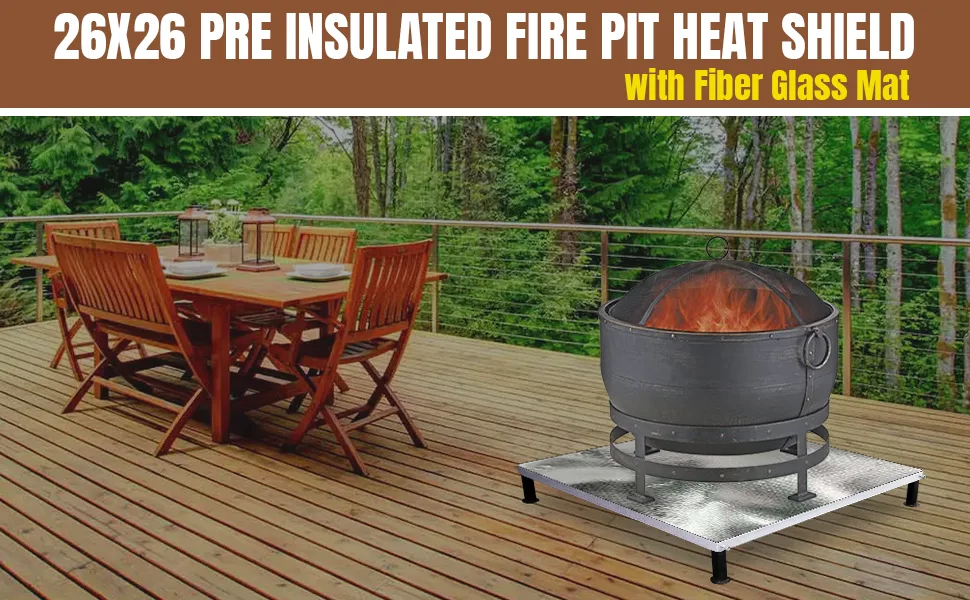
Image source: Bing (Web (fair-use with source credit))
Quick Answer
Yes, you can put a fire pit on a wooden deck. But only with a specific type of fire pit and proper precautions. Gas fire pits with a heat shield are the safest option.
Wood-burning fire pits on a wood deck are not recommended. You must keep at least 10 feet clearance from combustible materials. Always follow local fire codes and your fire pit manufacturer's instructions.
Core Facts: How Heat, Embers, and Deck Materials Actually Interact

Image source: Web (Bing) / ardhl.com (Web image (fair-use with source credit))
Heat behaves differently depending on the type of fire pit and deck material. Gas fire pits radiate steady, low-level heat upward and some heat downward through the base. Wood-burning fire pits throw intense radiant heat in all directions, plus hot embers that can land on the deck surface.
Wood decking (pressure-treated pine, cedar, ipe) chars at around 300°C (572°F). Composite decking (Trex, TimberTech) can soften or melt at much lower temperatures, sometimes as low as 150°C (302°F). The heat from a typical wood fire on a deck floor can exceed 200°C within a few minutes if no barrier is used.
Embers are another problem. They can fall through gaps between deck boards and ignite dry leaves or debris underneath. Even small sparks can smolder for minutes before flaring up.
Here's a quick comparison of common deck materials and their heat tolerance:
| Deck Material | Ignition Temperature | Notes |
|---|---|---|
| Pressure-treated pine | ~300°C | Charring starts before ignition |
| Cedar | ~280°C | Lighter weight, less heat resistance |
| Ipe (Brazilian walnut) | High, but chips | Very dense, but still flammable |
| Composite (Trex, TimberTech) | ~150-200°C | Melts or deforms before igniting |
| PVC decking | ~120-150°C | Softens quickly near heat sources |
The takeaway: no deck material is fireproof. The key is preventing the deck surface from ever reaching those temperatures. The National Fire Protection Association has specific guidelines for fire pit use on combustible surfaces.
Risk Factors: The Real Dangers of Putting a Fire Pit on a Wood Deck
Let's be honest. The biggest risk isn't brand new fire pits. It's everyday mistakes that add up.
- Direct flame contact. If your fire pit sits too low or the flame is too high, the deck boards can ignite within seconds.
- Radiant heat buildup. Even if flames don't touch the deck, prolonged heat from a wood-burning fire pit can dry out the wood and lower its ignition point over time.
- Ember showers. A gust of wind or a cracking log can send sparks flying into gaps, under the deck, or onto nearby cushions or plants.
- Structural damage. Heat can warp or weaken deck joists from below if the fire pit is too heavy or poorly positioned. Composite decking can buckle.
- Insurance issues. Many homeowner's policies exclude fire damage caused by fire pits on wooden decks if not installed per code. A claim could be denied.
- Carbon monoxide risk. Using a fire pit under a roof, overhang, or enclosed deck can trap CO. Always use in an open area.
If you're considering a wood-burning fire pit, think twice. For a safer option, check out our guide on gas-powered models that are designed for decks.
Safe Practices: What You Must Do If You Choose to Use a Fire Pit on a Deck
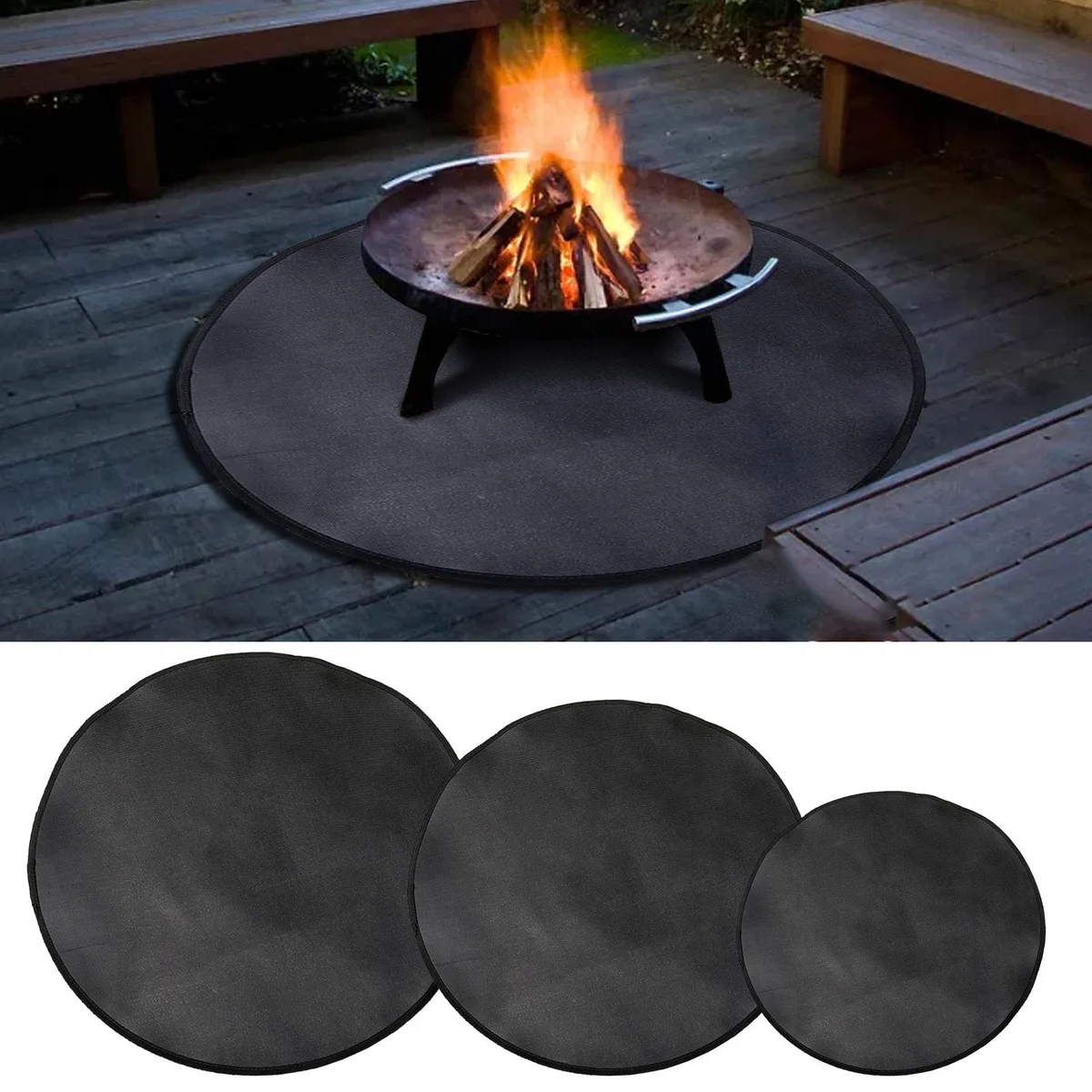
Image source: Bing (Web (fair-use with source credit))
If you've decided to go ahead, here's the minimum checklist. Follow these steps exactly.
- Use a fire pit deck pad. A fire-resistant pad (often ceramic fiber or silicone) must sit under the entire base of the fire pit. The pad should extend at least 12 inches beyond the fire pit edges.
- Choose a gas fire pit. Propane or natural gas models produce far fewer embers and lower radiant heat than wood burners. Look for models with a heat shield built into the base.
- Maintain clearance. The NFPA recommends at least 3 feet from combustible walls and railings for gas units. For wood-burning units, keep 10 feet from anything flammable.
- Check the deck condition. Loose boards, rot, or weak joists cannot support a fire pit. The deck must be in good shape and rated for the weight.
- Use a fire extinguisher nearby. Keep a Class ABC extinguisher within reach, not buried in a garage.
- Never leave it unattended. This goes for any fire pit, but especially on a wood deck.
For specific models that meet these safety standards, see our picks for best fire pit for outdoor living space.
When to Walk Away: Signs You Shouldn't Put a Fire Pit on Your Deck
Sometimes the smartest move is to say no. If any of these apply, don't do it.
- Your deck has gaps larger than 1/4 inch between boards. Embers can fall through easily.
- The deck is less than 10 years old but made of cheap composite that's already warping. Heat will accelerate failure.
- Your local fire department prohibits open flames on any deck due to wildfire risk. Check your city ordinance.
- You have an HOA that bans fire pits outright. Violations can mean fines or forced removal.
- The only usable spot on your deck is within 3 feet of the house, railings, or overhanging tree branches.
- You plan to use a wood-burning fire pit without a proper heat shield or pad. This is simly too risky.
If you're unsure about your specific situation, consider a small propane tabletop model instead. Many are designed for deck use. For more guidance, check our list of top-rated easy-to-use fire pits.
They ofen include features like push-button ignition and built-in safety shudowns that reduce risk.
Remember: putting a fire pit on a wood deck is alays a calculated risk. If you're not 100% confident in your setup, it's better to enjoy the fire from a safe patch of gravel or concrete.
Frequently Asked Questions
Can I use a wood-burning fire pit on a wooden deck if I put a heat shield under it?
Even with a heat shield, wood-burning fire pits throw embers that can land on the deck or fall between boards. The shield helps with radiant heat but does nothing for sparks. Most manufacturers and the NFPA still recommend against it.
What is the best type of fire pit for a wooden deck?
Propane or natural gas fire pits are the safest choice. They produce fewer embers and less radiant heat than wood burners. Look for models with a built-in heat shield and a wide, stable base.
Gas fire pits designed specifically for decks are widely available.
How far should a fire pit be from the house or railings?
NFPA guidelines recommend at least 3 feet of clearance for gas fire pits and 10 feet for wood-burning units. Local codes may be stricter. Always measure from the edge of the fire pit, not the center.
Overhanging eaves need extra clearance.
Do I need a fire pit pad on a composite deck?
Yes. Composite decking melts and deforms at lower temperatures than wood. A fire-resistant pad is essential to prevent permanent damage.
Make sure the pad is rated for at least 300°F and extends beyond the fire pit base.
Will my homeowner's insurance cover a fire on the deck?
It depens on your policy and local fire codes. Many insurers exclude damage from fire pits on combustible surfaces if the setup violates code. Read your policy or call your agent before installing one.
Proper documentation can protect you.
Can I put a fire pit on a second-story deck?
Second-story decks carry extra risk. Heat can warp the substructure, and escaping downstairs is harder. Many building codes prohibit open flames on elevated decks.
Check with your local fire marshal before proceeding.
Final Verdict: Can You Put a Fire Pit on a Wooden Deck?
The honest answer is yes, but only with the right equipment and strict safety measures. Gas fire pits on a heat-resistant pad with proper clearance are the only setup we recommend for a wooden deck. Wood-burning fire pits should stay on stone, gravel, or concrete.
If your deck has gaps, rot, or is made of cheap composite, skip the fire pit entirely. A portable propane model used occasionally on a well-protected deck is one thing. A permanent wood burner is another.
In our research, the safest approach is to choose a gas unit and pair it with a high-quality deck pad.
For more guidance on specific models that meet these safety standards, take a look at our recommendations for low-smoke fire pits designed for deck use. They combine cleaner burning with features that reduce fire risk.
Stay safe out there. Your deck isn't worth losing over a few hours of firelight.