How to Maintain a Fire Pit
You bought a fire pit for the warmth, the ambiance, the s'mores. But figuring out how to maintain a fire pit properly is what keeps it safe and looking good for years. Skip the upkeep, and you're looking at rust, clogged burners, or worse.
Per the National Fire Protection Association, improper maintenance of outdoor heating equipment contributes to a notable percentage of home fire incidents each year. That's not just a statistic. It's a reason to get the routine right.
So let's walk through the steps based on exactly what you're working with.
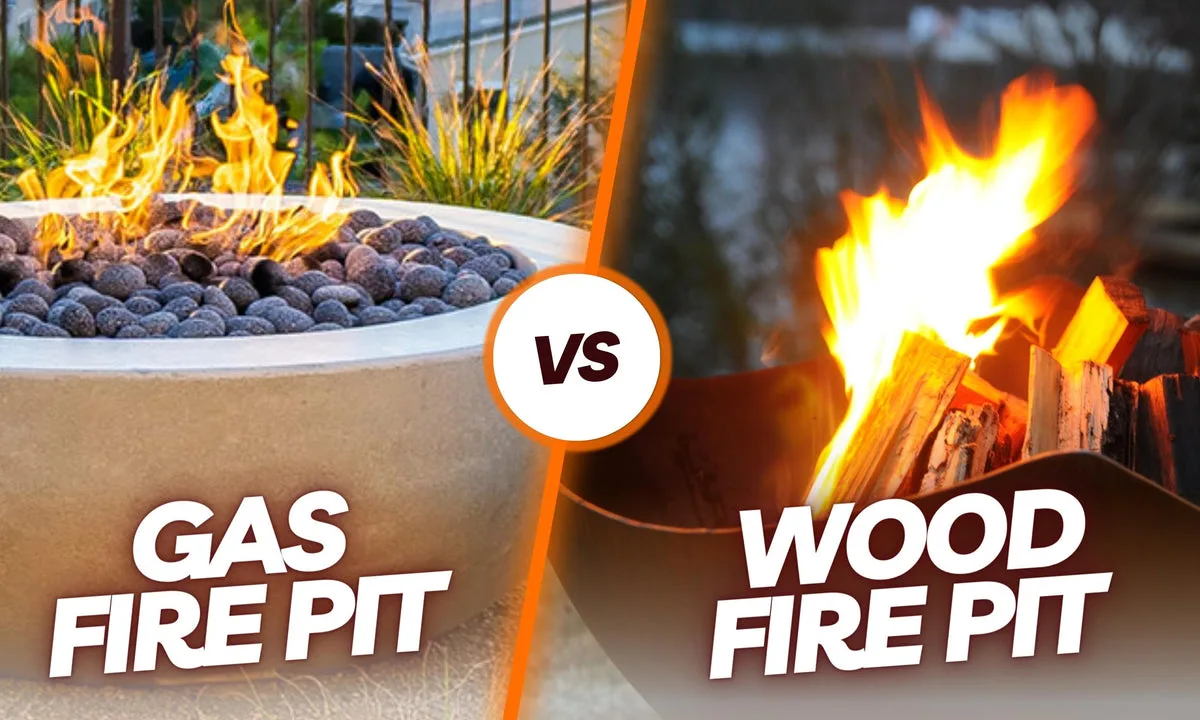
Image source: Bing (Web (fair-use with source credit))
Quick Answer: What Most People Get Wrong
Most fire pit maintenance is simple. Clean the bowl after every few uses. Remove ash completely.
Check for rust or gas leaks. Cover it when not in use. That's the core routine.
The mistake people make is treating all fire pits the same way. A wood-burning steel bowl needs different care than a natural gas model with fire glass. Your fuel type and material decide the exact steps.
Get those two things right, and the rest falls into place.
Is Your Fire Pit Wood-Burning or Gas?
This is the first fork in the road. The maintenance schedule for a wood-burning fire pit looks nothing like the one for a gas model. Mix them up, and you can cause damage or create a safety hazard.
Signs You Have a Wood-Burning Fire Pit
You have a wood-burning pit if you stack logs directly in the bowl. You light it with kindling or a fire starter. There is no gas line, no burner ring, and no control knob.
You deal with ash, soot, and creosote.
Signs You Have a Gas Fire Pit
You have a gas fire pit if it runs on propane or natural gas. You turn it on with a knob or a remote. There is a burner pan, an ignition system, and a fuel line.
You use fire glass, lava rock, or ceramic logs. You never deal with ash. You do deal with spider webs in the gas orifice.
What If You Have a Multi-Fuel Model?
If you have a unit that can burn both wood and gas, follow the maintenance schedule for the fuel you use most often. When you switch fuels, clean the bowl thoroughly between uses. Residue from one fuel can clog the other system.
Some models with removable burner trays make this transition easier, so check the features that suit your setup.
How to Clean a Wood-Burning Fire Pit (Step by Step)
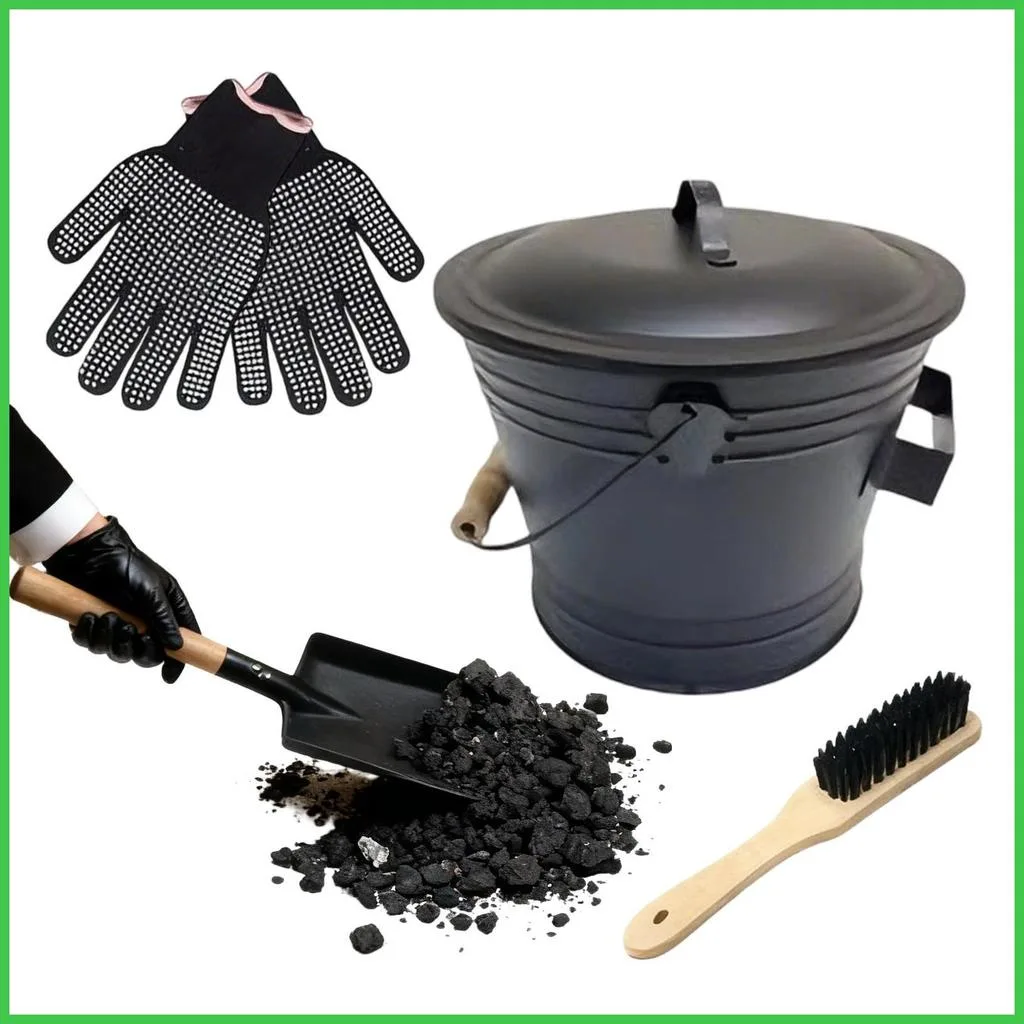
Image source: Bing (Web (fair-use with source credit))
Wood-burning pits get dirty fast. Creosote and ash build up quickly. Here is the routine that keeps yours safe and functional.
After Every Fire
Let the ash cool completely. That can take 12 to 24 hours. Never scoop hot ash into a plastic or paper container.
Use a metal ash bucket with a tight lid. Scoop out the ash with a small shovel. Leave about an inch of ash in the bottom.
That thin layer protects the metal and helps the next fire catch faster.
Monthly Deep Clean
Once a month, remove all the ash. Scrub the interior bowl with a stiff wire brush. For steel bowls, use a brush with brass or stainless steel bristles.
For cast iron, use a nylon brush to avoid scratching the seasoning. Rinse with water. Dry the bowl completely.
Moisture is the enemy of metal fire pits.
Rust Prevention
Check for rust spots every time you clean. Surface rust on steel can be sanded off with 80-grit sandpaper. Then apply a high-heat paint rated for outdoor use.
Cast iron pits need to be seasoned like a cast iron skillet. Rub the interior with cooking oil and burn it off. That creates a protective layer.
Copper pits develop a natural patina. That patina is protective. Do not scrub it off.
Creosote Removal
Creosote is a tar-like substance that builds up when wood burns incompletely. It is flammable. If you see shiny black streaks on the inside of your fire pit, that is creosote.
Scrape it off with a putty knife or a dedicated creosote remover. Do this after every few fires, especially if you burn softwoods like pine.
How to Maintain a Gas Fire Pit (Step by Step)
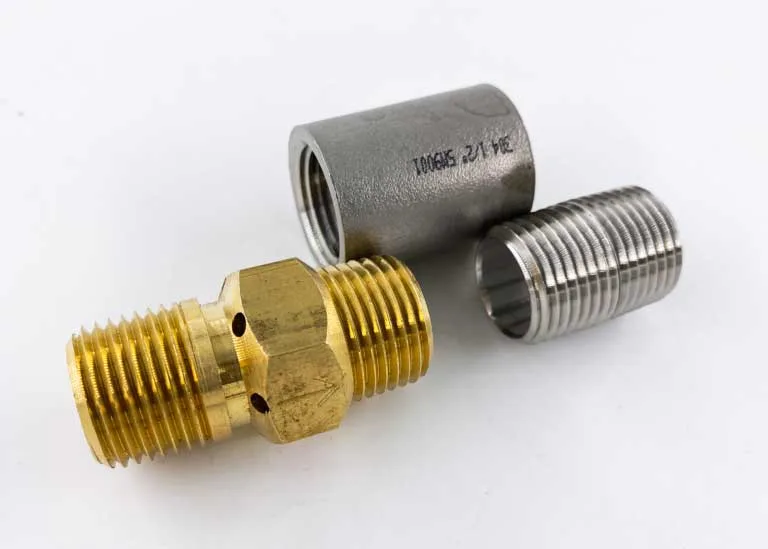
Image source: Bing (Web (fair-use with source credit))
Gas fire pits are lower maintenance than wood, but they have a specific set of failure points. The biggest one is the burner orifice. Spiders, dirt, and debris can clog that tiny hole.
When it clogs, the flame becomes uneven or does not light at all.
Monthly Burner Inspection
Turn off the gas. Remove the fire glass, lava rock, or ceramic logs. Set them aside in a clean container.
Look at the burner ring or burner pan. Check for rust, cracks, or debris. Use a flashlight to look into the burner tube.
If you see a web or a nest, clear it with compressed air.
Cleaning the Orifice
The orifice is a small brass fitting with a precise hole. Do not widen it. Do not use a drill bit.
Use a can of compressed air or a very fine wire made for orifice cleaning. Some manufacturers sell a specific tool. Spray the orifice from both sides.
Reassemble the burner.
Fire Glass and Lava Rock Care
Fire glass does not burn. It just gets sooty. Rinse it with water once a year.
Let it dry completely before putting it back. Lava rock can absorb moisture. If it gets wet, let it dry in the sun.
Do not trap moisture against the burner. It can cause corrosion.
Checking the Ignition System
If your gas fire pit has a push-button igniter or an electronic igniter, test it every few months. A weak spark means a dying battery or a dirty electrode. Clean the electrode with a dry cloth.
Replace the battery if needed. For an easier maintenance routine, look for a model with a simple ignition system that is built for reliability.
Common Mistakes That Ruin a Fire Pit (and How to Avoid Them)
Leaving Ash in the Bowl
Ash holds moisture. Moisture causes rust. That is the fastest way to destroy a steel fire pit.
Remove ash within a day or two after each fire. Do not let it sit for weeks.
Using the Wrong Cleaning Tools
A wire brush on a copper bowl scratches the protective patina. A pressure washer on a concrete fire pit cracks the surface. A steel brush on a gas burner orifice widens the hole.
Match the tool to the material. Nylon brushes are safe for most surfaces. Brass brushes are safe for steel.
Covering a Wet Fire Pit
Putting a cover on a damp fire pit traps moisture. That leads to rust and mold. Dry the pit thoroughly before covering it.
If you live in a humid climate, let it air out for a full day.
Ignoring the Gas Line
Propane and natural gas lines degrade over time. Rubber hoses dry out and crack. Inspect the hose every spring.
Replace it if you see cracks or brittleness. Use a soap-and-water solution to check for leaks. Bubbles mean a leak.
Do not use the pit until it is fixed.
Skipping the Seasonal Prep
Fire pits that sit unused for months need attention before the first fire. Check for animal nests in the burner. Check for rust.
Clean the bowl. Test the ignition. A quick inspection saves you from a frustrating first fire of the season.
Seasonal Fire Pit Care: Spring Prep and Winter Storage
The seasons change, and your fire pit needs to change with them. A pit that sits through winter without care will rust. A pit that gets pulled out in spring without inspection can be dangerous.
Spring Preparation
Start with a full inspection. Remove the cover. Check for rust, cracks, and animal nests.
Look inside the burner tube on gas models. Squirrels and mice love warm, dry spaces.
Clean the bowl thoroughly. Remove any debris that blew in over the winter. Test the ignition system.
For gas models, check the gas line for cracks. Replace the hose if it feels brittle. Do a leak test with soapy water.
Check for loose bolts and wobbly legs. Tighten everything before the first fire.
Winter Storage
Store your fire pit indoors if possible. A garage or shed works well. If you must leave it outside, use a high-quality waterproof cover.
Make sure the pit is completely dry before covering it.
Remove propane tanks and store them upright in a well-ventilated area. Never leave a tank connected during storage. Disconnect the regulator and keep the connection clean.
For permanent stone or concrete pits, check for drainage issues. Standing water that freezes and thaws can crack the structure. Add a gravel base if water pools.
Year-Round Use
If you use your fire pit all year, the maintenance frequency increases. Check for rust monthly. Clean the ash more often.
The best fire pits for continuous use are built with stainless steel or heavy-gauge copper. Those materials handle moisture better than painted steel.
When to Call a Pro (or Just Buy a New One)
Not every problem is fixable with a brush and a cover. Some issues need professional help. Others mean it is time to replace the unit entirely.
When to Call a Professional
Call a gas fitter or plumber for gas line issues. If you smell gas, shut off the supply immediately. Do not use the pit until a professional inspects it.
This is not a DIY job.
Call a professional for structural cracks in concrete or stone fire pits. These can worsen over time and become a collapse hazard. A mason can assess whether the crack is cosmetic or structural.
Call an electrician for electronic ignition problems that are not solved by a simple battery change. Internal wiring issues need a qualified technician.
When to Replace the Fire Pit
Replace a steel fire pit when rust has eaten through the bowl. Surface rust is fixable. Holes are not.
Once the metal is compromised, the fire pit is unsafe.
Replace a gas fire pit when the burner ring is cracked or corroded beyond repair. Replacement burners are available for some models, but the cost can approach half the price of a new unit.
Replace cheap fire pits that have warped or deformed from heat. Thin metal bowls can buckle after repeated use. This creates uneven burning and a fire hazard.
If you are looking for a replacement that will last longer, consider a premium model from a reputable brand. The best value fire pit balances durability with a reasonable price.
Frequently Asked Questions
How often should I clean my fire pit?
Clean the ash after every three to five fires. Do a deep clean with a scrub and rust check once a month. Gas fire pits need a burner inspection monthly and a fire glass rinse once a year.
Can I use a pressure washer on my fire pit?
No. A pressure washer can damage the finish, force water into gas lines, and crack concrete or stone. Use a hose with a gentle spray nozzle or a bucket of soapy water.
Do I need to season a steel fire pit?
Steel fire pits do not need seasoning like cast iron. However, applying a thin coat of high-heat cooking oil to the interior can help prevent rust. Burn it off before cooking food.
How do I fix an uneven flame on a gas fire pit?
An uneven flame usually means a clogged burner orifice. Turn off the gas. Remove the fire glass.
Clean the orifice with compressed air. If the flame is still uneven, check for debris in the burner tube.
Should I cover my fire pit every night?
Covering your fire pit after each use is ideal. It keeps rain, dew, and debris out. Moisture is the main cause of rust.
A cover also prevents animals from nesting inside.
How long does a fire pit last?
A steel fire pit lasts 3 to 5 years with proper maintenance. Copper and stainless steel models can last 10 to 15 years. Cast iron can last a lifetime if seasoned and stored correctly.