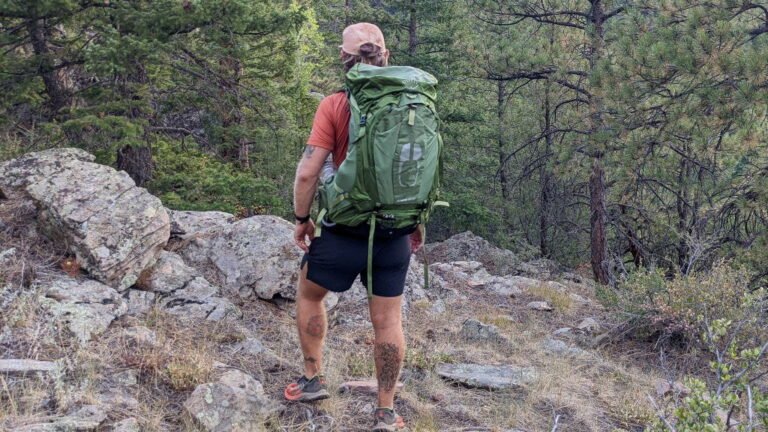
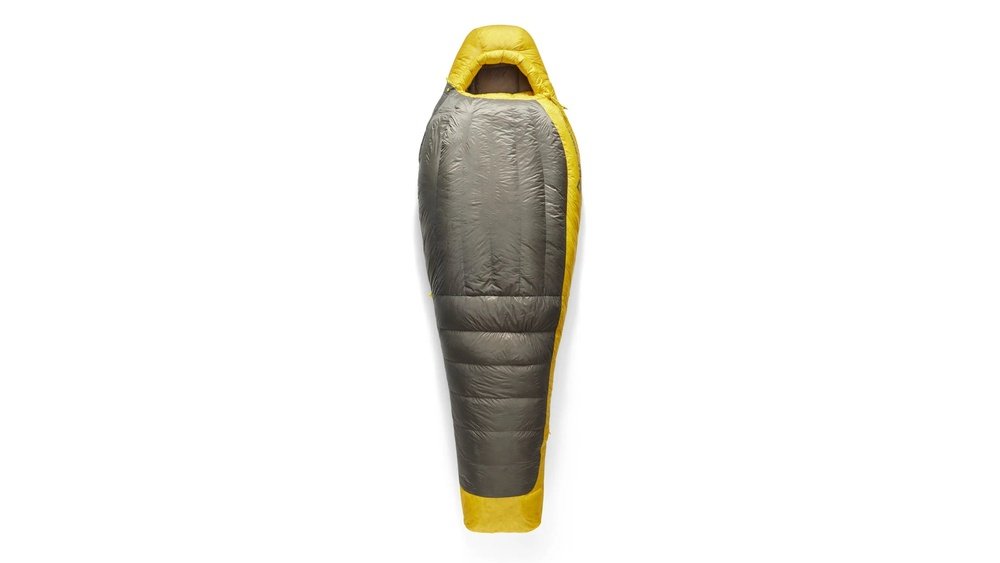
Is Sea to Summit Spark Sleeping Bag Worth It? Honest Review
Is Sea To Summit Spark Sleeping Bag Worth It?
When you are planning a backpacking trip, one of the most important pieces of gear is your sleeping bag. A good sleeping bag does more than just keep you warm at night—it can make the difference between a restful sleep and a miserable experience. The Sea to Summit Spark sleeping bag has become popular among ultralight hikers and adventurers. But is it really worth the investment, or are you paying for hype and a brand name? In this article, we’ll look closely at the Spark series, compare it to alternatives, and help you decide if it’s the right choice for you.
What Makes The Sea To Summit Spark Sleeping Bag Special?
The Spark series has earned attention for its ultralight design and impressive warmth-to-weight ratio. Many sleeping bags claim to be light and compact, but few match the Spark in both categories. Sea to Summit offers several versions: Spark Sp0, SpI, SpII, SpIII, and SpIV. Each one targets a different temperature range and weight requirement.
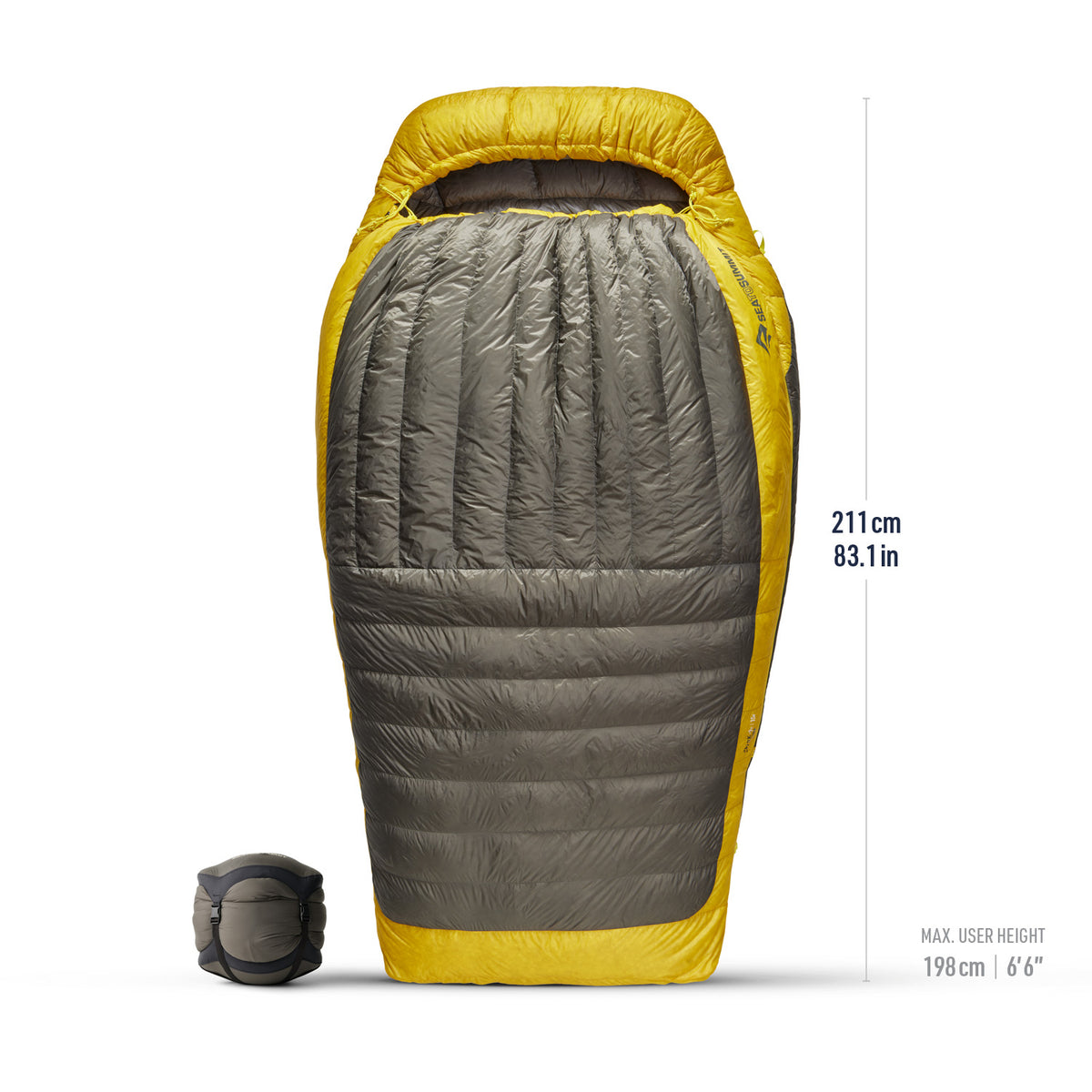
The Spark uses premium 850+ fill-power goose down. This type of down is known for being extremely light and compressible. The outer shell is made with a 10D nylon material, which is thin, durable, and treated with a water-repellent finish. This combination allows the bag to pack down to a size not much larger than a water bottle.
The Spark also features differential cut baffles—a construction technique that maximizes the loft and keeps the insulation in place. The zipper is kept short to reduce weight, and the foot box is shaped to match your feet’s natural position. All these details are aimed at serious hikers who want to save every ounce.
Performance: Warmth, Weight, And Comfort
Warmth
Each Spark model is designed for a specific temperature range. For example, the Spark SpI is best for summer or indoor use, with a comfort rating around 46°F (8°C). The SpII can handle shoulder-season conditions, rated for about 35°F (1°C). The SpIII goes even lower, with a comfort rating near 25°F (-4°C), making it suitable for late fall or mild winter nights.
Keep in mind, real comfort levels can vary based on your metabolism, what you wear, and your sleeping pad. The Spark’s ratings are generally accurate for their intended user—a lightweight backpacker who pairs the bag with a good insulated pad.
Weight
Weight is where the Spark truly shines. Here’s a quick comparison of the main Spark models:
| Model | Comfort Temp | Weight (Regular) | Packed Size |
|---|---|---|---|
| Spark SpI | 46°F (8°C) | 12.3 oz (350g) | 4.5L |
| Spark SpII | 35°F (1°C) | 16.4 oz (464g) | 5.5L |
| Spark SpIII | 25°F (-4°C) | 22.4 oz (635g) | 7L |
| Spark SpIV | 14°F (-10°C) | 29 oz (822g) | 8L |
For comparison, many sleeping bags with similar temperature ratings can weigh almost twice as much and take up much more space in your backpack.
Comfort
While the Spark is not as roomy as a luxury sleeping bag, it is comfortable for most people who are used to mummy-style bags. The cut is slim to save weight, so larger or restless sleepers might find it a little restrictive. However, the material is soft, and the foot box lets your feet relax naturally. Many users find the Spark surprisingly pleasant, especially when compared to other ultralight bags that can feel like plastic or crinkle loudly.
Non-obvious insight: Some users notice that the ultra-thin shell fabric can feel cool to the touch at first, but this effect disappears once your body heat warms the down.

Build Quality And Durability
The 10D nylon shell is one of the thinnest materials used in sleeping bags. This helps save weight but means you need to treat the Spark with care. It can handle normal backpacking use, but sharp rocks, thorns, or rough tent floors could damage it. The YKK zipper is high quality and rarely snags, but it’s intentionally short to keep the weight down.
The insulation is responsibly sourced down, certified to the Responsible Down Standard (RDS). This means the animals are treated humanely, and the down is high quality.
The water-repellent treatment on the shell helps protect the down from light moisture, but the Spark is not waterproof. If it gets wet, the down loses some insulating power, just like all down sleeping bags.
Practical tip: Always use a sleeping bag liner and groundsheet to extend the life of your Spark. A liner also keeps the inside clean and makes washing easier.
Who Should Consider The Spark Sleeping Bag?
The Spark is designed for serious backpackers, alpine climbers, and minimalist adventurers who count every ounce in their pack. If you’re planning trips where weight and space are critical, the Spark gives you excellent performance.
You should consider the Spark if:
- You need the lightest sleeping bag for a given warmth
- You want a bag that packs down extremely small
- You plan to hike long distances or climb at altitude
- You’re willing to pay more for premium materials
You might want to look elsewhere if:
- You want a roomy bag for car camping or casual trips
- You move a lot in your sleep and dislike slim bags
- You often camp in very wet conditions (synthetic bags handle wet better)
- You are on a tight budget
Non-obvious insight: Many users combine the Spark with a lightweight quilt or insulated jacket for colder nights. This modular approach can give you more flexibility than buying a single heavy sleeping bag.
How Does The Spark Compare To Other Ultralight Sleeping Bags?
To decide if the Spark is worth it, it helps to compare it to similar bags. Let’s look at a few popular alternatives:
| Model | Weight | Temp Rating | Fill Power | Price (approx.) |
|---|---|---|---|---|
| Sea to Summit Spark SpII | 16.4 oz (464g) | 35°F (1°C) | 850+ | $430 |
| Western Mountaineering SummerLite | 19 oz (539g) | 32°F (0°C) | 850+ | $455 |
| Therm-a-Rest Hyperion 32 | 17 oz (482g) | 32°F (0°C) | 900 | $420 |
| Enlightened Equipment Enigma Quilt (30°F) | 18 oz (510g) | 30°F (-1°C) | 850+ | $340 |
The Spark is usually the lightest and most compact, but it’s also among the most expensive. Western Mountaineering bags are famous for quality and durability, while Therm-a-Rest’s Hyperion is almost as light but has a narrower cut. Quilts like the Enlightened Equipment Enigma are lighter for the warmth, but some people don’t like open-bottom quilts in drafty conditions.
Price And Value For Money
The Sea to Summit Spark is a premium bag, and the price reflects that. Depending on the model and size, expect to pay between $350 and $500. This is a big investment, especially for a piece of gear you may only use a few times each year.
What Are You Paying For?
- Premium down: Higher fill power means less weight for the same warmth.
- Advanced materials: Ultralight shell and lining fabrics cost more.
- Cutting-edge design: Differential baffles, shaped foot box, and minimal zippers add complexity.
- Brand reputation: Sea to Summit is known for quality and reliability.
Are there cheaper options? Yes, but most are heavier, bulkier, or use lower-quality down. Synthetic bags are cheaper but weigh more for the same warmth.
If you are a casual camper, you might not notice the Spark’s advantages enough to justify the cost. But if you are a serious hiker or count every ounce, the Spark can be a good value because it lets you carry less weight and move faster.
Common mistake: Some buyers choose the lightest Spark model (SpI or SpII) and then find they’re too cold on trips. Always match the temperature rating to your actual conditions—being cold at night can quickly ruin a trip.
Real-world User Experiences
User reviews and field tests reveal some interesting details:
- Most users are amazed at how small and light the Spark feels in their pack. It often gets compared to carrying a loaf of bread or a large energy bar.
- The warmth ratings are realistic for experienced backpackers who use a good sleeping pad and wear a base layer. Beginners sometimes expect the bag to feel as warm as a heavy synthetic bag—remember, ultralight gear always involves some trade-offs.
- Some taller users wish for more length, especially in the smaller sizes. Sea to Summit does offer regular and long versions, so check sizing carefully before you buy.
- A few people complain about durability when used without a liner or groundsheet. The thin fabric can snag on sharp gear or tent poles, so handle with care.
Example: A thru-hiker on the Pacific Crest Trail used the Spark SpII for over 2,500 miles, reporting that it held up well with a liner and careful packing. The user appreciated the warmth-to-weight ratio and said it was a “game changer” for long-distance hiking.
When Does The Spark Make The Most Sense?
The Spark offers the best value for certain kinds of adventures:
- Thru-hiking: On long trails where every ounce matters, the Spark can save pounds off your pack weight.
- Fastpacking: If you cover big miles in a short time, the Spark’s small size and light weight are a big advantage.
- Bikepacking: When space is tight, the compact Spark fits easily in bike bags.
- Alpine climbing: In situations where you need a warm, light bag for high camps, the Spark is a top choice.
- Traveling light: Some travelers use the Spark for hostels, couch surfing, or as an emergency backup.
For traditional camping, drive-up sites, or when comfort is the top priority, you may prefer a larger, cheaper, or synthetic bag.
Pro tip: If you camp in very cold or wet places, consider pairing the Spark with a lightweight vapor barrier liner or a bivy sack. This adds protection and warmth without much extra weight.
Care, Maintenance, And Longevity
To get the most from your Spark, follow these care tips:
- Always use a sleeping bag liner. It keeps sweat and oils off the down, so you wash the bag less often.
- Store the bag loose in a large sack at home. Never keep it compressed for long periods.
- Spot-clean any stains with a mild soap and sponge.
- For a full wash, use a front-loading machine and special down soap. Dry it gently with low heat and tennis balls to restore loft.
- Avoid rough surfaces and sharp objects. Patch any small tears right away.
With proper care, a down sleeping bag like the Spark can last 10 years or more. Many users report their bags still perform well after hundreds of nights, as long as they are cleaned and stored correctly.
Environmental And Ethical Considerations
Sea to Summit is part of the Responsible Down Standard (RDS) program, meaning the down comes from animals that are not force-fed or live-plucked. The company also uses PFC-free water repellents to reduce environmental impact. The shell fabrics are Bluesign approved, showing they meet strict environmental standards.
If you want gear with a lower carbon footprint, consider the Spark’s longevity. A high-quality down bag can outlast several cheaper synthetic bags, creating less waste over time.
Common Buyer Mistakes To Avoid
- Buying the wrong temperature rating: Many people pick the lightest Spark and get cold. Know the conditions you’ll face and choose the right model.
- Skipping a liner: Not using a liner can lead to more frequent washes, which can damage the down and fabric over time.
- Ignoring the fit: The Spark is slim. If you have broad shoulders or like to sleep on your side, try before you buy, or check the measurements.
- Assuming it’s waterproof: The shell is water-resistant, not waterproof. Always protect your bag from rain and wet ground.
- Improper storage: Keeping the bag compressed long-term will ruin the loft. Store it in a large, breathable sack at home.
Is The Sea To Summit Spark Sleeping Bag Worth It?
The answer depends on your needs and priorities. If you are a serious backpacker, climber, or fastpacker who wants the lightest, most compact sleeping bag for the warmth, and you are willing to take care of your gear, the Spark is one of the best choices available. It is not cheap, but you are paying for the highest level of performance and design.
If you are new to camping, only go on short trips, or want a bag for car camping, you may get better value from a heavier or synthetic bag. The Spark is a specialized tool for people who need to move light and fast.
Final advice: Always try to match your gear to your real needs. Sometimes, the most expensive item is not the best for everyone. But for those who value every ounce and want the best ultralight sleeping bag, the Sea to Summit Spark is absolutely worth considering.
For more technical details and the latest models, you can visit the official Sea to Summit website.

Frequently Asked Questions
How Do I Choose Which Spark Model Is Right For Me?
Start by thinking about the coldest temperature you expect to face. Choose a model rated a few degrees lower than this for a safety margin. If you mostly camp in summer, the SpI or SpII is enough. For shoulder season or mild winter, consider the SpIII or SpIV. Always factor in your own comfort, sleep style, and whether you use a liner or extra clothing.
How Does The Spark Perform In Wet Conditions?
The Spark’s shell is water-resistant, not waterproof. It protects against light moisture but not heavy rain or soaking. Down loses warmth when wet, so always keep your sleeping bag dry. Use a waterproof stuff sack inside your pack, and avoid sleeping directly on wet ground.
Can I Use The Spark For Winter Camping?
The Spark SpIII and SpIV are warm enough for mild winter conditions, especially if you use a good sleeping pad and wear thermal layers. For true winter camping in very cold or wet climates, you may want a heavier four-season bag or combine the Spark with a quilt or liner for extra warmth.
What’s The Difference Between A Quilt And The Spark Sleeping Bag?
A quilt is open on the bottom and usually lighter for the same warmth, but can feel drafty if you move around. The Spark is a traditional mummy bag—it fully encloses you, keeping out drafts and providing more warmth on cold nights. Quilts are popular with ultralight hikers, but some people prefer the Spark’s full coverage and simplicity.
Is The Sea To Summit Spark Sleeping Bag Worth The Price?
If you need the lightest, most compact sleeping bag that still keeps you warm, and you are willing to invest in quality gear, the Spark is worth it. It’s not for everyone, but for serious ultralight backpackers, it offers unique performance you can’t get from cheaper or heavier bags. Always match your gear to your real needs for the best value.