

Is Jackery Explorer 1000 Plus Worth It? Honest Review & Verdict
Is Jackery Explorer 1000 Plus Worth It?
When you look for a portable power station, you want something reliable, powerful, and easy to use. The Jackery Explorer 1000 Plus has become one of the most talked-about models in recent years. People use it for camping, emergencies, road trips, and even small home backup. But is it really worth the price? In this article, you’ll discover what makes the Explorer 1000 Plus stand out, what it does well, where it falls short, and whether it’s a smart buy for your needs.
What Is The Jackery Explorer 1000 Plus?
The Jackery Explorer 1000 Plus is a portable power station. It stores electricity and lets you use it anywhere. With a 1000-watt-hour battery, it can charge phones, laptops, mini-fridges, and more. It’s bigger and stronger than most small power banks, but lighter than big generators. The Explorer 1000 Plus is designed for people who need power on the go or during outages.
Key Features And Specifications
Understanding what the Explorer 1000 Plus offers is important before buying.
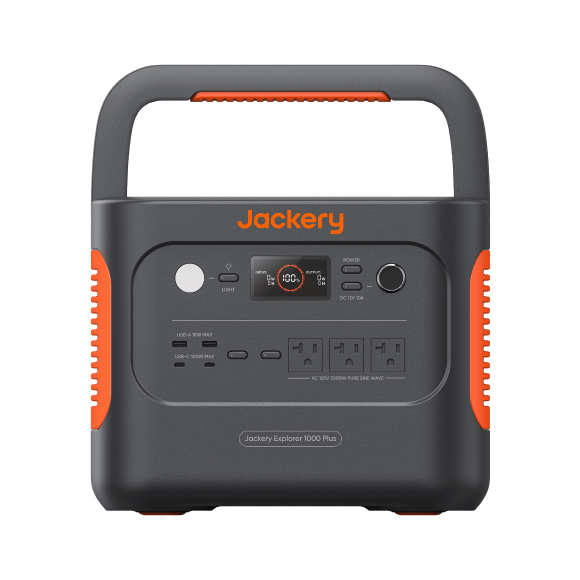
- Battery Capacity: 1264Wh (watt-hours)
- Rated Power Output: 2000W (surge up to 4000W)
- Weight: 32 lbs (about 14.5 kg)
- Dimensions: 14 x 10 x 11 inches
- Output Ports:
- 4 AC outlets (pure sine wave)
- 2 USB-C (100W max)
- 2 USB-A (quick charge)
- 1 car outlet (12V)
- Charging Options:
- AC wall charger (1.7 hours for full charge)
- Solar panels (up to 1200W input)
- Car charger
- Display: LCD showing battery level, output/input, warnings
- Expandable Battery: Can connect extra Jackery batteries for more power
Real-world Performance
Numbers can tell part of the story, but real use matters most. Let’s see how the Explorer 1000 Plus performs in everyday situations.
Camping
Many campers use the Explorer 1000 Plus to power lights, fans, mini-fridges, and phones. With 1264Wh, you can run a mini-fridge (60W) for about 20 hours, charge a smartphone over 100 times, or power a laptop for days. The pure sine wave AC means sensitive devices are safe.
Emergency Backup
During power outages, the Explorer 1000 Plus can keep your essentials running. It powers CPAP machines, routers, or a few lamps. While it won’t run a whole house, it’s enough for basic needs.
Road Trips And Rv Use
For people on the road, this power station is strong enough for most appliances. It can run a portable TV, coffee maker, and charge multiple devices at once. The LCD screen makes it easy to track usage.
Comparing Jackery Explorer 1000 Plus To Other Models
How does the Explorer 1000 Plus stack up against similar power stations? Here’s a comparison with two popular alternatives: the EcoFlow Delta 1300 and the Bluetti EB70.
| Model | Battery Capacity | Output Power | Ports | Weight | Charging Time |
|---|---|---|---|---|---|
| Jackery Explorer 1000 Plus | 1264Wh | 2000W | 9 | 32 lbs | 1.7 hours (AC) |
| EcoFlow Delta 1300 | 1260Wh | 1800W | 13 | 30.9 lbs | 1.6 hours (AC) |
| Bluetti EB70 | 716Wh | 800W | 11 | 21.4 lbs | 3-4 hours (AC) |
The Explorer 1000 Plus gives you more power, faster charging, and a reliable build. While it’s heavier than some, the extra capacity is worth it for many users.
Battery Life And Charging Speed
One of the best things about the Explorer 1000 Plus is its fast charging. With the AC wall charger, you can fill the battery in under two hours. Solar charging is also fast if you use Jackery’s own panels, reaching full charge in about three hours under strong sunlight.
Battery life depends on what you power. Here are some real examples:
- Smartphone (10Wh): 126 charges
- Laptop (50Wh): 25 charges
- Mini-fridge (60W): 20 hours
- CPAP machine (40W): 30 hours
- LED lamp (10W): 100+ hours
If you add extra batteries, the capacity grows, letting you power more devices for longer.
Build Quality And Design
Jackery is known for solid construction. The Explorer 1000 Plus uses strong plastic, a sturdy handle, and clear labeling. The design is simple and user-friendly. All ports are easy to reach. The LCD screen is bright and readable even in sunlight.
The unit weighs 32 lbs, so it’s not light enough for backpacking but fine for car camping or home use. It’s built to survive drops and rough handling. One smart feature is the ventilation system. Fans keep it cool when charging or powering large devices, preventing overheating.
Expandability And Solar Charging
If you need more power, you can connect Jackery expansion batteries. Each extra battery adds 1264Wh. The Explorer 1000 Plus supports up to three expansion packs, so you can triple your runtime.
Solar charging is a big selling point. With Jackery’s SolarSaga panels (up to 1200W), you can charge the Explorer 1000 Plus in about three hours on a sunny day. This makes it great for off-grid adventures or eco-friendly backup.
| Expansion Option | Capacity Added | Total Capacity | Estimated Run Time (Mini-Fridge) |
|---|---|---|---|
| Base Unit Only | 0Wh | 1264Wh | 20 hours |
| +1 Battery | 1264Wh | 2528Wh | 40 hours |
| +2 Batteries | 2528Wh | 3792Wh | 60 hours |
| +3 Batteries | 3792Wh | 5056Wh | 80 hours |
Safety Features
Safety matters when using high-power devices. The Explorer 1000 Plus has:
- Overload protection
- Short-circuit protection
- Temperature control
- Battery management system (BMS)
These keep your devices safe and prevent damage. The pure sine wave AC also protects sensitive electronics.

Ease Of Use
Jackery keeps things simple. You press a button to turn the power on. The LCD screen shows battery level and warnings. All ports are labeled. It’s easy for beginners. There are no confusing menus or settings.
A helpful tip: Use the USB-C port for fast charging laptops and phones. Many people miss this feature and use slower ports.
Price And Value
The Explorer 1000 Plus costs about $1,199 for the base unit. Expansion batteries are extra. Is this price fair? It depends on your needs.
- If you want high capacity, fast charging, and reliable build, the price makes sense.
- If you need only small device charging, cheaper models may be enough.
Compared to gas generators, the Explorer 1000 Plus is silent, safe, and easy to use. It’s also eco-friendly and doesn’t need fuel or oil.
Who Should Buy The Explorer 1000 Plus?
This power station is best for:
- Campers who need to run appliances and charge devices
- Homeowners who want backup for outages
- RV owners needing reliable power on the road
- Small business owners using equipment in remote areas
- People living off-grid who want solar charging
If you need high output and long battery life, this model is a good fit.
Common Mistakes When Choosing A Power Station
Many buyers make simple mistakes:
- Underestimating power needs: People buy too small a unit. Add up all devices you want to use at once to avoid disappointment.
- Ignoring expansion options: Some skip expandable models, but extra batteries can save money later.
- Overlooking solar compatibility: Not all stations charge fast with solar panels. Jackery’s design is optimized for solar.
- Not checking port types: Make sure the unit has the ports you need (USB-C, AC, car outlet).
- Confusing surge with continuous power: Surge power is for short bursts. Continuous power is what matters for appliances.
Non-obvious Insights
- USB-C 100W Port: Many users don’t realize the Explorer 1000 Plus can fast-charge laptops, tablets, and even some cameras through its high-output USB-C port. This can save hours compared to using a standard USB-A port.
- Solar Input Optimization: Unlike older models, the Explorer 1000 Plus can handle much higher solar input (up to 1200W). This means you can charge much faster, but only if you use high-quality panels. Cheap, low-wattage panels will slow you down.
- Expandable Battery Packs: Adding batteries does not just increase runtime; it can also improve overall battery life since each pack cycles less often, reducing wear.
- Pure Sine Wave AC: This is vital for sensitive electronics like medical equipment and high-end laptops. Many cheaper stations use modified sine wave, which can damage devices over time.
Jackery Explorer 1000 Plus: Pros And Cons
To help you decide, here are the main strengths and weaknesses.
Pros
- High capacity for the size
- Fast charging (under 2 hours)
- Expandable with extra batteries
- Pure sine wave AC for sensitive devices
- Easy to use interface
- Good safety features
- Strong build quality
Cons
- Heavy for some users (32 lbs)
- Price is high compared to basic models
- Expansion batteries are costly
- No wireless charging
Real User Experiences
Many people praise the Explorer 1000 Plus for its reliability and ease of use. They mention running a mini-fridge, lights, and electronics during camping trips or outages without issues. Some users wish it was lighter or cheaper, but most agree it’s a solid investment.
A common tip: Keep the unit fully charged and check battery health every few months. If you use solar, clean your panels often for best results.
Comparing Jackery Explorer 1000 Plus To Gas Generators
Gas generators are another option for backup power. Here’s how the Explorer 1000 Plus compares.
| Feature | Explorer 1000 Plus | Gas Generator |
|---|---|---|
| Noise Level | Silent | Loud |
| Fuel | Electricity/Solar | Gasoline/Diesel |
| Maintenance | Minimal | Regular (oil, filters) |
| Safety | Safe indoors | Carbon monoxide risk |
| Ease of Use | Plug and play | Manual start, refuel |
| Eco-Friendly | Yes | No |
For most users, the Explorer 1000 Plus is more convenient, safer, and quieter. Gas generators can power more devices, but they’re harder to use and need fuel.
How To Get The Best Out Of The Explorer 1000 Plus
- Plan your power needs: List devices you want to use. Check their wattage.
- Charge before trips: Always start with a full battery.
- Use solar panels: If you’ll be away from outlets, invest in high-quality solar panels.
- Expand if needed: Add batteries for longer trips or bigger needs.
- Monitor the LCD: Track battery level and input/output to avoid running out of power.
- Store in a cool, dry place: Avoid extreme heat or moisture.
- Use proper cables: For fast charging, use USB-C for laptops and phones.
Is Jackery Explorer 1000 Plus Worth It?
If you need reliable, portable power and want to run multiple devices for hours, the Jackery Explorer 1000 Plus is a strong choice. It’s more expensive than basic models, but the extra capacity, fast charging, and expandability make it a future-proof option. The build quality, safety features, and easy interface make it ideal for beginners and experienced users alike.
For campers, homeowners, RV travelers, and small businesses, the Explorer 1000 Plus offers peace of mind. If you only need to charge phones or run a small light, you might save money with a smaller station. But for bigger needs, this unit stands out.
For more technical details and reviews, you can check the official manufacturer’s site: Jackery Explorer 1000 Plus.
Frequently Asked Questions
How Long Does The Jackery Explorer 1000 Plus Last On One Charge?
With 1264Wh capacity, the Explorer 1000 Plus can power a mini-fridge for about 20 hours, run a CPAP machine for 30 hours, or charge a smartphone over 100 times. Real run time depends on the devices used and their wattage.
Can I Use The Jackery Explorer 1000 Plus Indoors?
Yes, it is safe for indoor use. Unlike gas generators, it produces no fumes or noise. It’s perfect for backup during power outages or for powering devices at home.
How Fast Does It Charge With Solar Panels?
With Jackery’s SolarSaga panels (up to 1200W input), the Explorer 1000 Plus can charge in about 3 hours in good sunlight. Using weaker panels will slow charging. Always use high-quality panels for best results.
Is The Jackery Explorer 1000 Plus Expandable?
Yes, you can add up to three expansion batteries. Each extra battery adds 1264Wh capacity, letting you run devices longer and charge more items.
What Can I Run With The Explorer 1000 Plus?
You can run laptops, mini-fridges, lights, TVs, medical devices, fans, and charge phones, tablets, cameras, and more. It supports up to 2000W continuous power, so most household electronics are supported.
The Explorer 1000 Plus is a powerful, flexible power station for many uses. If you want portable, reliable energy, it’s worth considering.