Is Western Mountaineering Ultralite Sleeping Bag Worth It? Expert Review
Every backpacker dreams of waking up warm, well-rested, and ready for adventure after a night in the wild. But achieving that perfect sleep outdoors is not easy. The right sleeping bag can make all the difference, especially when temperatures drop or the trail gets tough. One name that often comes up in serious hiking circles is the Western Mountaineering Ultralite Sleeping Bag. Known for its light weight and high price, this bag has become something of a legend. But is it really worth the investment? Let’s take a deep look—beyond the marketing—to help you decide if the Ultralite is the right choice for your next adventure.
What Makes The Western Mountaineering Ultralite Stand Out?
The outdoor gear world is crowded with sleeping bags, but the Ultralite has built a reputation that few can match. Its standout features are not just buzzwords—they’re the result of careful design and top-level materials.
Materials And Construction
Western Mountaineering uses high-quality 850+ fill power goose down in the Ultralite. This down is among the best you can buy. High fill power means the down traps more air, giving better insulation with less weight. The outer shell is a lightweight, tightly woven fabric that keeps the down in place and resists wind and moisture.
The construction uses a continuous baffle design. Baffles are the chambers that hold the down. In this bag, you can shift down between the top and bottom to adjust warmth where you need it. The seams are tightly stitched and the zippers are snag-resistant. These small details add up to a product that feels premium from the moment you touch it.
Temperature Rating And Real-world Warmth
Western Mountaineering rates the Ultralite for 20°F (-6°C). Many users find this rating accurate, though comfort depends on how cold you sleep, your clothing, and if you use a good sleeping pad. In practice, most people say the Ultralite keeps them comfortable to about 25°F, with some able to push it lower by wearing extra layers.
Weight And Packability
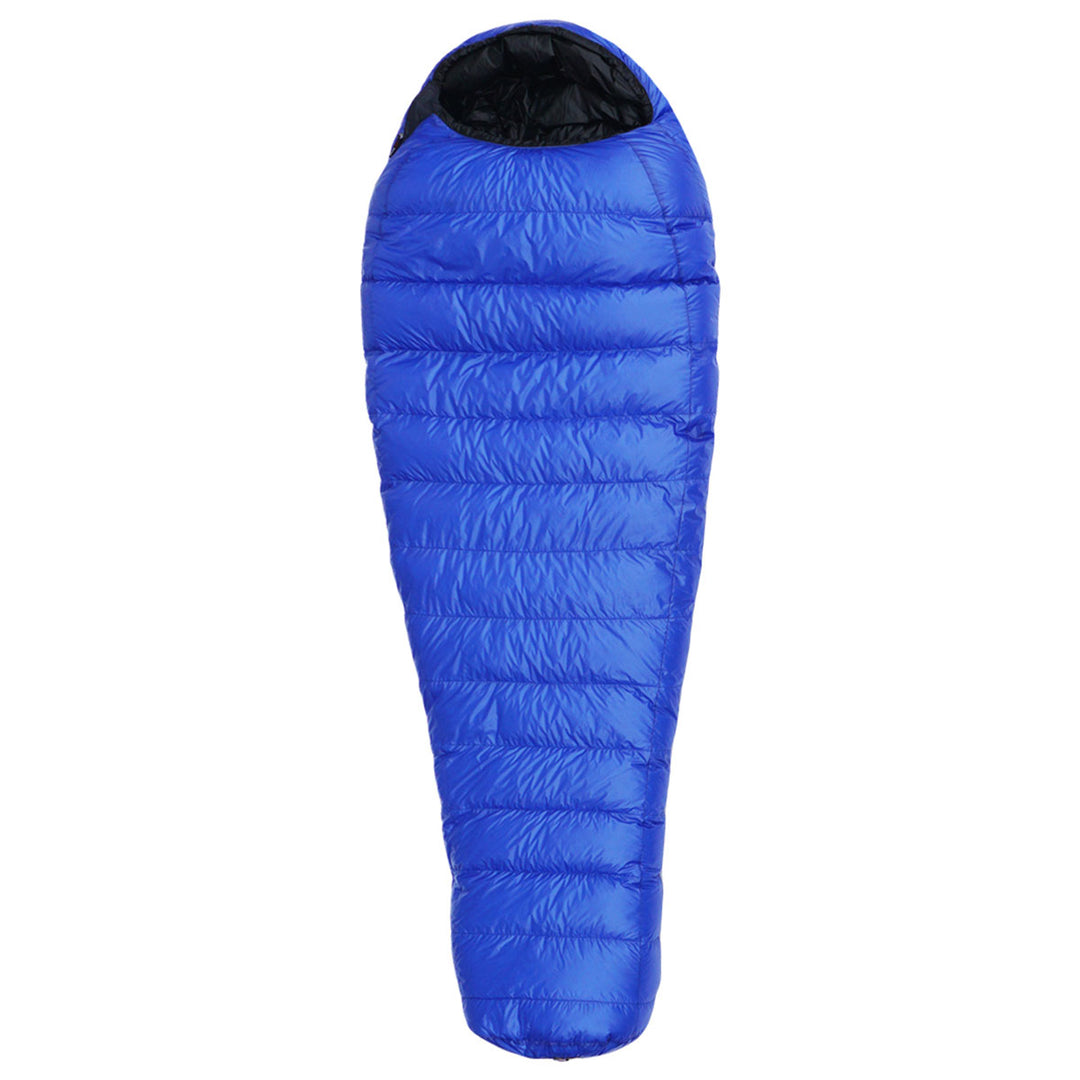
At just 1 lb 13 oz (about 822 grams) for the regular size, the Ultralite is one of the lightest 20°F bags on the market. When packed, it compresses down to the size of a small loaf of bread. This makes it ideal for thru-hiking, alpine climbs, or anyone counting every ounce in their pack.
Durability
Despite its light weight, the Ultralite is built to last. Many users report using their bags for over a decade with no loss in loft or warmth, as long as they care for it properly. Western Mountaineering’s reputation for durability is one reason the bag holds its value so well.
Comparing Ultralite With Other Popular Sleeping Bags
Choosing a sleeping bag is often about comparing features, weight, and price. Here’s how the Ultralite stacks up against some top competitors:
| Sleeping Bag | Fill Power | Weight (Regular) | Temperature Rating | Price (USD) |
|---|---|---|---|---|
| Western Mountaineering Ultralite | 850+ | 1 lb 13 oz | 20°F (-6°C) | $580 |
| Feathered Friends Hummingbird UL 20 | 950+ | 1 lb 9 oz | 20°F (-6°C) | $579 |
| Therm-a-Rest Hyperion 20 | 900 | 1 lb 4 oz | 20°F (-6°C) | $449 |
| REI Magma 15 | 850 | 1 lb 12 oz | 16°F (-9°C) | $439 |
Key Takeaway: The Ultralite is not the absolute lightest, nor the cheapest, but it balances low weight, high warmth, and long-term durability. The price is at the higher end, but not the most expensive among ultralight bags.
Real-world Performance: Comfort And Versatility
Sleeping bag ratings look good on paper, but what really matters is how they perform in camp. Let’s break down the Ultralite’s comfort and versatility in real outdoor scenarios.
Fit And Comfort
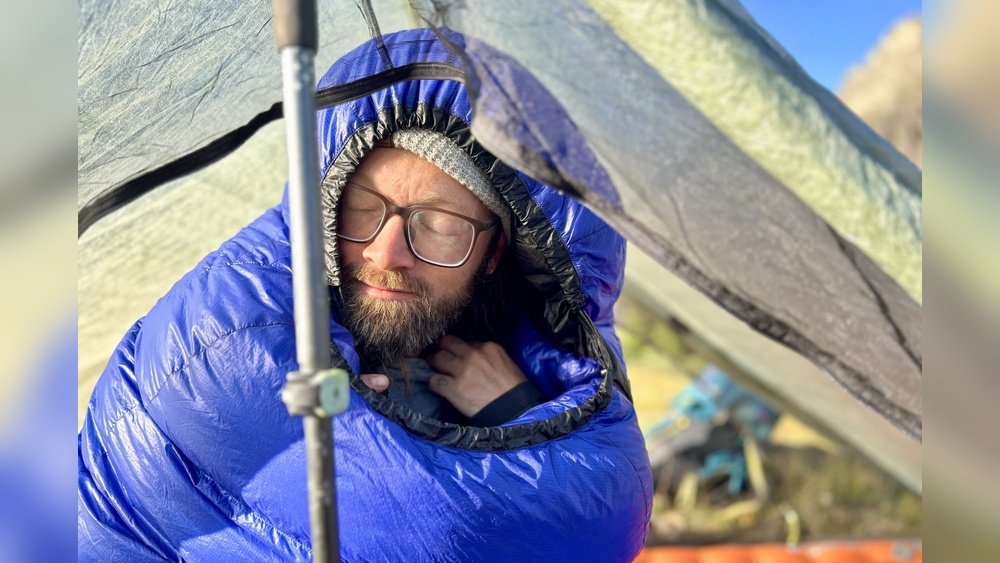
The Ultralite is a mummy bag—narrow at the feet and shoulders to save weight and heat. Some people find it a bit snug, especially if they have broad shoulders or like to move around at night. However, most users say the bag has enough room for side sleeping or bending knees. The hood is deep and cinches tight around your head for cold nights.
Warmth In Different Conditions
The Ultralite’s 20°F rating is reliable, but some non-obvious factors affect real-world warmth:
- Sleeping pad R-value: A low-insulation pad can make you feel cold, even in a warm bag.
- Humidity: Damp air reduces the warmth of down. The Ultralite’s shell is not fully waterproof, so in wet climates, you’ll need a good tent or bivy.
- Personal metabolism: Some people sleep “cold” and need more insulation.
A unique feature is the continuous baffle system. You can shake the down to the top for colder nights or spread it out on warmer nights. Many cheaper bags use fixed baffles, which can create cold spots.
Versatility: 3-season Use
The Ultralite works best for spring, summer, and fall camping. In mild winter or alpine conditions, it can work with extra clothing. It’s not designed for deep winter or extreme cold. If you camp often in wet or humid places, a synthetic bag might perform better, but it will be heavier and bulkier.
Price Vs. Value: Is The Ultralite Worth The Money?
A big reason people hesitate on the Ultralite is the price tag. At around $580, it’s a major investment. But is it worth it?
What Are You Paying For?
- Premium down fill: 850+ fill power goose down is expensive, but it lasts longer and insulates better.
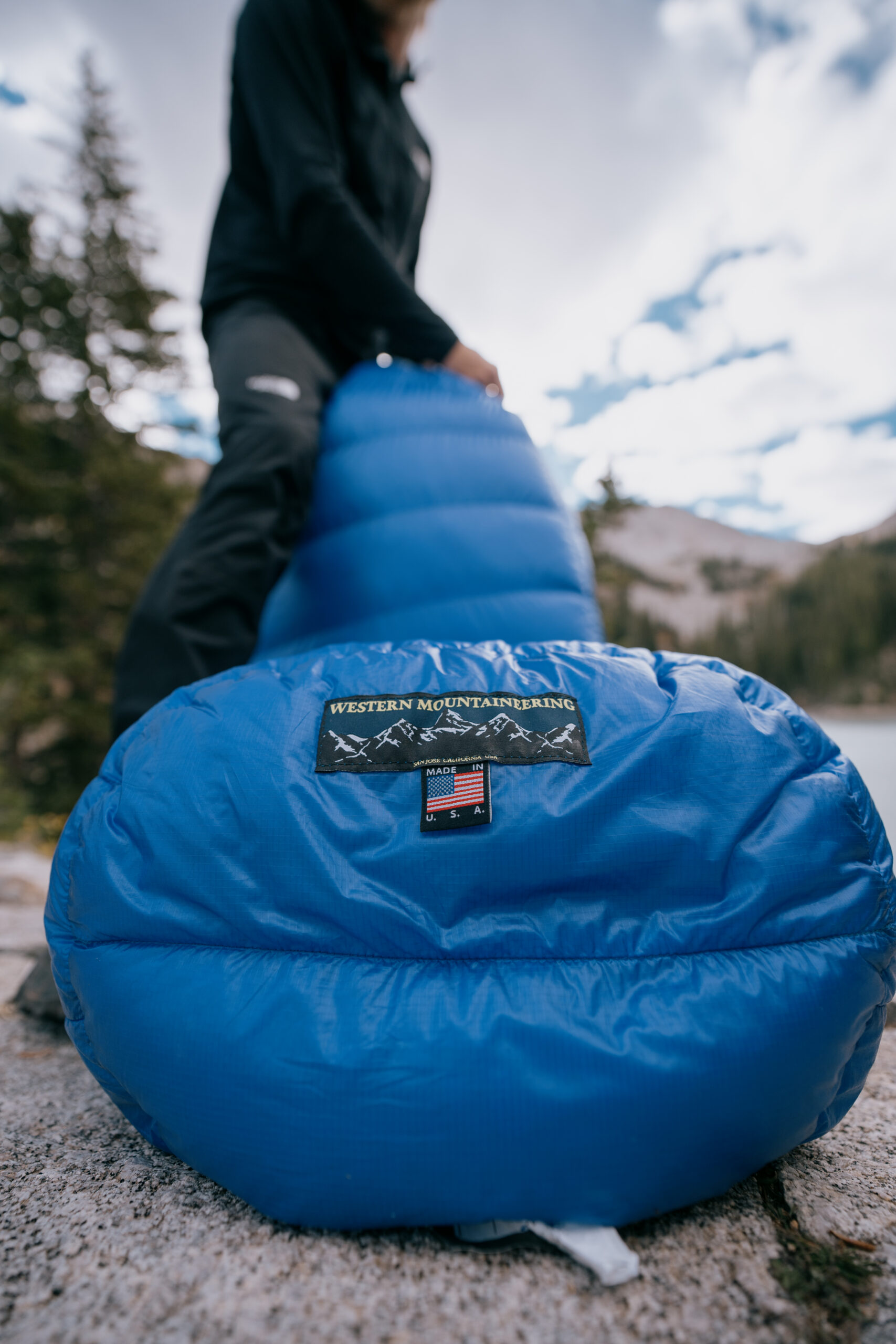
- Made in USA: Western Mountaineering bags are handmade in California, with strict quality control.
- Longevity: Many users have 10+ year-old Ultralites still going strong.
- High resale value: If you ever sell your bag, it holds value much better than cheaper brands.
When The Investment Makes Sense
- Frequent backpackers: If you spend 20+ nights a year outside, the comfort and weight savings add up.
- Thru-hikers: For long trails like the Pacific Crest Trail or Appalachian Trail, low weight and reliability matter more than price.
- People who sleep cold: The warmth-to-weight ratio is hard to beat.
When To Consider Other Options
- Casual campers: If you only camp a few nights a year, a less expensive bag may be more practical.
- Wet climates: Synthetic bags, while heavier, keep you warm even when wet.
- Tight budgets: There are good options under $300, though they will be heavier or less warm.
Pros And Cons Of The Western Mountaineering Ultralite
Every gear choice comes with trade-offs. Here’s a clear look at what the Ultralite does best—and where it falls short.
Pros
- Outstanding warmth for weight
- Top-quality construction and materials
- Long lifespan with proper care
- Excellent compressibility for small packs
- Handmade in the USA
Cons
- High price
- Snug fit may not suit everyone
- Down is less effective when wet
- No water-resistant down or treated shell
- No extra features like stash pockets
Caring For Your Ultralite: Tips To Maximize Lifespan
The Ultralite can last more than a decade if you treat it well. Many beginners make mistakes that shorten the life of their sleeping bags.
Storage
Never store your bag compressed for long periods. Instead, keep it in a large mesh sack or hang it in a closet. This keeps the down fluffy and warm.
Cleaning
Wash only when needed, and use a down-specific detergent. Air dry or tumble dry on low with tennis balls to restore the loft. Avoid regular laundry detergent—it strips the natural oils from down.
On The Trail
- Always use a sleeping pad to protect the bag from rough ground.
- Change into clean clothes before sleeping. Sweat and body oils reduce down performance over time.
- Air out your bag in the sun when possible to keep it fresh and dry.
What Most Beginners Miss About The Ultralite
Buying a premium bag like the Ultralite is not just about weight and warmth. Here are two insights beginners often overlook:
1. Down Control Matters: The continuous baffle design lets you move the down where you need it. This can be a game-changer on the trail, letting you adapt the bag to cool nights or warm weather.
2. Long-Term Value: A cheap sleeping bag may seem like a better deal, but lower-quality down loses loft and warmth after a few years. Many Ultralite owners use their bags for ten years or more, making the high upfront cost more reasonable over time.
User Reviews And Feedback
Most owners praise the Ultralite for its warmth, low weight, and build quality. On forums and review sites, the bag consistently earns top marks. Common positive comments include:
- “Best investment I’ve made for backpacking.”
- “Still feels new after 7 years of use.”
- “Light and warm, even at the bottom of my pack.”
But not everyone is satisfied. Some negative points raised:
- “Too tight for my broad shoulders.”
- “Got a bit damp in heavy rain—wish it had a treated shell.”
- “Expensive for what you get.”

How To Choose The Right Size And Model
The Ultralite comes in three lengths: 5’6″ (short), 6’0″ (regular), and 6’6″ (long). Choosing the right size is important for comfort and warmth—too big, and you’ll have cold air pockets; too small, and you’ll feel cramped.
| User Height | Recommended Bag Length | Packed Size (approx.) |
|---|---|---|
| Up to 5’6″ | Short | 6″ x 12″ |
| 5’7″ to 6’0″ | Regular | 7″ x 13″ |
| 6’1″ to 6’6″ | Long | 8″ x 14″ |
Tip: If you like to store gear (like a water bottle or clothes) in your bag at night, consider sizing up.
Alternatives To The Ultralite
While the Ultralite is excellent, it’s not the only high-end ultralight sleeping bag. Here are a few alternatives if you want to compare:
- Feathered Friends Hummingbird UL 20: Slightly lighter, higher fill power, similar price, but also snug.
- Therm-a-Rest Hyperion 20: Even lighter and less expensive, but less durable and not as warm in real-world use.
- REI Magma 15: Great value, similar warmth, a bit heavier, and more affordable.
- Enlightened Equipment Enigma Quilt: Not a traditional sleeping bag, but a popular choice for ultralight hikers. Warmer per ounce, but less draft protection.
Environmental Impact And Ethics
Western Mountaineering sources responsible down and produces its bags in the USA, which helps ensure fair labor and lower carbon footprint compared to overseas manufacturing. However, it does not use recycled fabrics or water-resistant down, which some competitors offer.
If environmental impact is important to you, check for brands with RDS (Responsible Down Standard) certification or recycled materials. For more details on down sourcing, see the Responsible Down Standard.
Frequently Asked Questions
How Does The Ultralite Perform In Wet Conditions?
The Ultralite uses untreated down and a non-waterproof shell. If the bag gets wet, down loses much of its insulation power. It’s important to keep the bag dry by using a good tent, bivy, or waterproof stuff sack. In very wet climates, consider a synthetic bag or a bag with treated down.
Can You Use The Ultralite For Winter Camping?
The Ultralite is rated to 20°F and works well for cool spring, summer, and fall nights. For true winter camping (below 20°F), you’ll need a warmer bag or pair it with warm clothing and a high-R-value sleeping pad. It’s not designed for deep winter or mountaineering.
Is The Ultralite Worth The Price For Beginners?
If you plan to backpack often and value light weight and comfort, the Ultralite is a good investment. For occasional campers or those on a tight budget, a cheaper bag may be better. Consider how much you’ll use the bag before buying.
How Does The Ultralite Compare To Quilts?
Quilts are lighter and more open but can be drafty in cold weather. The Ultralite provides more warmth and weather protection, especially on windy nights. Quilts work best for experienced backpackers who know how to manage drafts.
What Is The Warranty And Repair Policy?
Western Mountaineering offers a lifetime warranty against defects in materials and workmanship. They also provide repair services at a reasonable cost. Many users have bags fixed or even re-stuffed by the company, extending the life of their investment.
Final Thoughts: Is The Ultralite Sleeping Bag Worth It?
The Western Mountaineering Ultralite Sleeping Bag is a top-tier choice for serious backpackers and outdoor enthusiasts. Its warmth-to-weight ratio, build quality, and long-term durability justify the high price for those who spend a lot of time in the wild. If you value comfort, warmth, and a lighter pack—and expect to use your bag for many years—the Ultralite is an excellent investment.
However, it’s not the best fit for everyone. Occasional campers, those on a tight budget, or anyone who often deals with wet conditions may find better value elsewhere. But if you want one sleeping bag to take you from spring to fall, on trails long or short, the Ultralite lives up to its reputation.
Treat it well, and it will reward you with years of cozy nights under the stars.