Is Ecoflow Delta 2 Max Worth It? Honest Review & Verdict
The EcoFlow Delta 2 Max has caught the attention of outdoor lovers, homeowners, and anyone searching for reliable backup power. Portable power stations like this are changing how we charge devices, run appliances, and stay connected during power outages. But with the price tag and many competing options, is the Delta 2 Max really worth it?
Let’s break down the key features, real-world performance, and what buyers need to know before investing.
Why Portable Power Stations Matter
Power stations are more than just big batteries. They help you stay powered during emergencies, enable off-grid adventures, and even make home life easier. Unlike old gas generators, modern power stations are cleaner, quieter, and safer. The EcoFlow Delta 2 Max is one of the most advanced models. It promises high capacity, fast charging, and smart features. But to know if it’s right for you, we need to dig deeper.
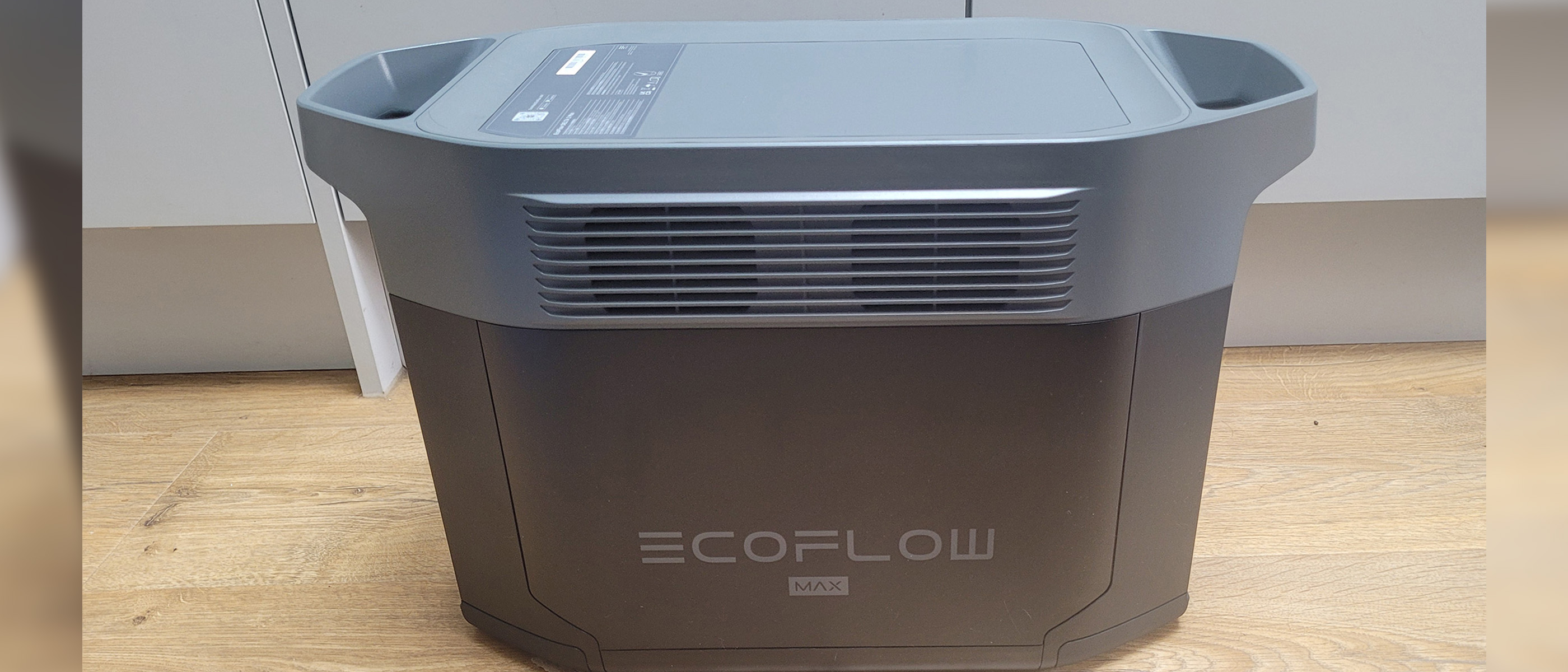
Key Features Of The Ecoflow Delta 2 Max
When choosing a portable power station, features matter. The Delta 2 Max stands out in several ways:
- Capacity: 2048Wh (expandable up to 6144Wh)
- Output: 2400W (surge 3400W), 15 outlets
- Charging: 1,000W AC, 800W solar input
- Battery Type: LiFePO4 (lithium iron phosphate, up to 3,000 cycles)
- Weight: 51.8 lbs (23.5 kg)
- App Control: Bluetooth/WiFi with EcoFlow app
- Warranty: 5 years
The LiFePO4 battery is a major upgrade. It lasts longer than traditional lithium-ion batteries. You can expect up to 10 years of regular use before seeing any real drop in performance.
Real-world Performance
Specs are important, but real-world use matters more. Here’s how the Delta 2 Max performs in different situations:
Home Backup
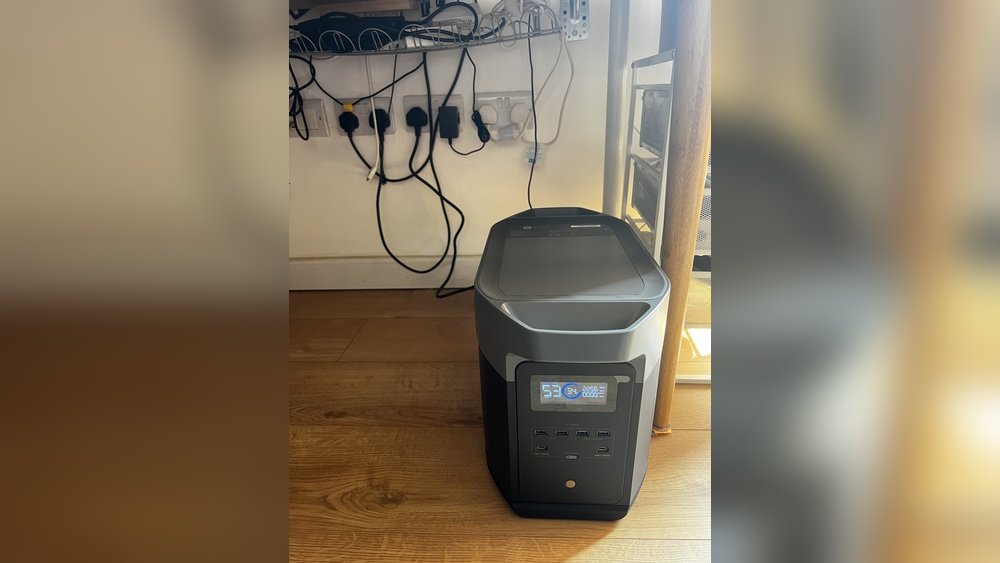
For many, the main reason to buy a power station is home backup. Power outages can hit anytime. The Delta 2 Max can run a fridge for up to 20 hours, power laptops, lights, and even medical devices. You can keep your essentials going without worrying about fuel or noise.
Camping And Outdoors
If you love camping, the Delta 2 Max lets you bring modern comforts. Charge cameras, run portable fans, or even a CPAP machine. Its solar input means you can recharge using sunlight, making it great for long trips. However, its weight can be a drawback for hikers.
It’s best for car camping or RVs.
Work Sites
For professionals working off-grid, this model can run tools like drills, saws, or charge batteries. With 2400W output, most small and medium appliances are covered. Still, heavy-duty tools or machines may need even more power.
Fast Charging
One thing that surprises many users is the charging speed. You can recharge the Delta 2 Max from 0 to 80% in about 65 minutes using AC power. Solar charging is slower, but still competitive. This is much faster than most competitors.
Comparing Delta 2 Max To Other Models
To understand if it’s worth the investment, let’s compare it to other popular power stations.
| Model | Battery Capacity | Output | Battery Type | Weight | Warranty |
|---|---|---|---|---|---|
| EcoFlow Delta 2 Max | 2048Wh | 2400W | LiFePO4 | 51.8 lbs | 5 years |
| Jackery Explorer 2000 Pro | 2160Wh | 2200W | Lithium-ion | 43 lbs | 2 years |
| BLUETTI AC200MAX | 2048Wh | 2200W | LiFePO4 | 61.7 lbs | 4 years |
| Goal Zero Yeti 3000X | 3032Wh | 2000W | Lithium-ion | 69.8 lbs | 2 years |
You’ll notice the Delta 2 Max is lighter than some, has a longer warranty, and uses the more durable LiFePO4 battery. However, some competitors offer higher capacity or slightly lower prices.
Pricing And Value
The Delta 2 Max retails around $1,899 in the US. This is a serious investment. Is it worth the price? Let’s break down what you get:
- Long battery life: Up to 3,000 cycles (10 years)
- High output: Can run most household devices
- Fast charging
- Smart app controls
- Expandable capacity
- Strong warranty
If you want a power station that lasts, charges quickly, and supports many devices, it’s a strong choice. Cheaper options often cut corners with battery quality or charging speed.
But price alone doesn’t tell the whole story. For some users, the features may be overkill. If you only need to charge phones, lights, or a laptop, smaller stations (like the EcoFlow River series) may be more cost-effective.
Battery Technology: Why Lifepo4 Matters
Traditional lithium-ion batteries lose capacity faster and have fewer charge cycles. The Delta 2 Max’s LiFePO4 battery is safer, holds charge longer, and is less prone to overheating. For those planning heavy use or long-term investment, this makes a big difference.
One insight many beginners miss: LiFePO4 batteries also perform better in extreme temperatures. If you live in a hot or cold climate, this technology can help your power station last longer and work more reliably.
Expandability And Modular Design
Some buyers overlook expandability. The Delta 2 Max can connect to extra battery packs, reaching up to 6144Wh. This is enough to run a small home for several days during a blackout. While you pay more for the extra batteries, the ability to scale up is useful if your needs grow.
| Configuration | Total Capacity | Approximate Runtime (Fridge) |
|---|---|---|
| Base Delta 2 Max | 2048Wh | 20 hours |
| With 1 Extra Battery | 4096Wh | 40 hours |
| With 2 Extra Batteries | 6144Wh | 60 hours |
This flexibility makes the Delta 2 Max a good fit for people who want their power solution to grow with their needs.
Solar Charging: Is It Efficient?
Solar charging is a big selling point. The Delta 2 Max supports up to 800W solar input. With the right panels, you can recharge the station in as little as 3 hours under good sunlight. However, real-world conditions often slow this down.
Here are some tips to get the most from solar charging:
- Use high-quality panels that match the station’s specs.
- Place panels at the best angle for sunlight.
- Clean panels regularly for maximum efficiency.
Many beginners forget that solar charging speed depends on weather, season, and panel placement. If you live in a cloudy area, solar may not always be reliable.

App And Smart Features
The EcoFlow app gives you control from your phone. You can monitor power usage, turn outlets on/off, and adjust settings. This is handy for managing energy during outages or trips.
But smart features do not replace basic planning. Always check battery levels and have backup charging methods ready.
Noise And Safety
Compared to gas generators, the Delta 2 Max is almost silent. No fumes, no loud engine. This is great for indoor use or quiet camping. Safety-wise, LiFePO4 batteries are less likely to overheat or catch fire.
For families, the safety factor is important. You can use it indoors without worrying about carbon monoxide.
Limitations And Drawbacks
No product is perfect. Here’s what to consider:
- Weight: At over 50 lbs, it’s not easy to carry far.
- Price: Higher than entry-level models.
- Not for high-power tools: Can’t run central AC or big welders.
- Solar charging depends on weather: Not always reliable in cloudy areas.
Some beginners expect a portable power station to do everything. It’s best for small to medium devices, not whole-house power.
Who Should Buy The Delta 2 Max?
The Delta 2 Max is best for:
- Homeowners needing backup for outages
- Campers with RVs or car setups
- Professionals needing reliable off-grid power
- People wanting long battery life and expandability
If you need lightweight or small power, look elsewhere. But if you value durability, speed, and flexibility, this model is hard to beat.
Common Mistakes When Buying Portable Power Stations
Many first-time buyers make mistakes. Here are two non-obvious insights:
- Ignoring battery cycles: Cheaper stations may need replacing in 2–3 years due to poor battery quality.
- Overestimating capacity: Devices like fridges or tools need more power than you think. Always check wattage and runtime.
Also, some buyers forget about expandability. If your needs change, being able to add more batteries saves money long-term.
User Experience: What Owners Say
Reviews for the Delta 2 Max are mostly positive. Users praise the fast charging, long battery life, and easy app controls. Some mention it’s heavier than expected, but the wheels and handles help.
One owner shared: “I ran my fridge, WiFi, and lights during a 48-hour outage. It never failed and recharged fast with solar. Worth every penny.”
Another common insight: Owners often use the station more than they expected—for gardening, outdoor events, or working in the garage.
Environmental Impact
EcoFlow markets the Delta 2 Max as an eco-friendly solution. No emissions, no fuel. If you use solar, your footprint is even lower. Over years, this can save money and help the planet.
One detail beginners miss: LiFePO4 batteries are safer for the environment, with less toxic materials and longer life.
Warranty And Customer Support
The 5-year warranty is among the best in the industry. This gives peace of mind, especially for an expensive purchase. EcoFlow’s customer support is generally responsive, but some users report delays during busy periods.
If warranty is important to you, this model stands out.

Alternatives: Should You Consider Other Brands?
There are many competitors. Jackery, BLUETTI, Goal Zero, and others. Each has strengths:
- Jackery: Lighter, simple design, lower price.
- BLUETTI: High expandability, good for home backup.
- Goal Zero: Reliable, but heavier and pricier.
If you want LiFePO4, fast charging, and app control, EcoFlow is a top choice. But compare based on your needs, not just specs.
Practical Tips For Buyers
Here are practical tips before buying the Delta 2 Max:
- Calculate your real power needs. Make a list of devices you want to run and check their wattage.
- Consider expandability. If you may need more power later, modular design is valuable.
- Check solar compatibility. If you plan to use solar, buy panels that match the station’s input.
- Think about mobility. If weight is a concern, plan for wheels or a cart.
- Read the manual. Many buyers skip this and miss important setup steps.
Final Verdict: Is The Ecoflow Delta 2 Max Worth It?
For most users needing reliable, long-lasting, and powerful portable energy, the EcoFlow Delta 2 Max is worth the investment. Its LiFePO4 battery technology, fast charging, smart features, and expandability make it stand out. While the price is high, you get a product that can last a decade, adapt to changing needs, and handle emergencies with ease.
If your needs are smaller or your budget is tight, consider entry-level models. But for those who want a future-proof solution, the Delta 2 Max delivers real value.
For more technical details, visit the EcoFlow official site.
Frequently Asked Questions
How Long Can The Ecoflow Delta 2 Max Run A Fridge?
The Delta 2 Max can run a standard fridge for about 20 hours on its base capacity. With extra batteries, this can extend to 40–60 hours. Always check your fridge’s wattage for accurate estimates.
Is The Delta 2 Max Safe To Use Indoors?
Yes. The Delta 2 Max is almost silent and produces no fumes. Its LiFePO4 battery is safer than traditional lithium-ion, with less risk of overheating or fire.
Can I Charge The Delta 2 Max With Solar Panels?
Absolutely. The station supports up to 800W solar input. Using high-quality panels and direct sunlight, you can recharge in 3–6 hours. Results depend on weather and panel placement.
What Devices Can The Delta 2 Max Power?
You can run most household devices under 2400W: fridges, laptops, phones, WiFi routers, medical devices, and power tools. It cannot run central air conditioners or large welders.
Is The Delta 2 Max Worth It Compared To Cheaper Models?
If you value long battery life, fast charging, and expandability, the Delta 2 Max is worth the price. Cheaper models often have shorter battery life, slower charging, and fewer features. Always match your choice to your real needs.
Choosing the right portable power station is a big decision. The EcoFlow Delta 2 Max stands out for its durability, flexibility, and smart technology. If you need reliable backup or off-grid power, it’s one of the best options available today.