Best Indoor Bike Trainer: Top Picks For Smooth Rides
The best indoor bike trainer turns your own bicycle into a steady, effective home workout machine.
Rain, cold roads, busy workdays, and dark winter mornings can stop even a keen rider from training. An indoor bike trainer solves that problem by bringing your ride inside. I tested the key features that matter most, including stability, noise, setup, resistance, bike fit, and smart-app support. The right model can help you maintain fitness, build power, or simply enjoy a short spin without packing your bike into the car. Below, I compare seven popular options for different budgets and riding goals.
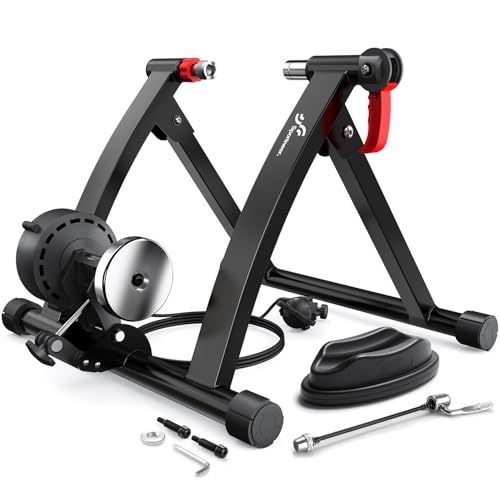
Sportneer Bike Trainer – Magnetic…
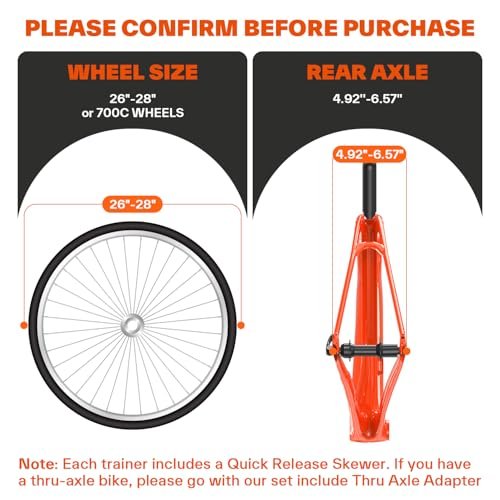
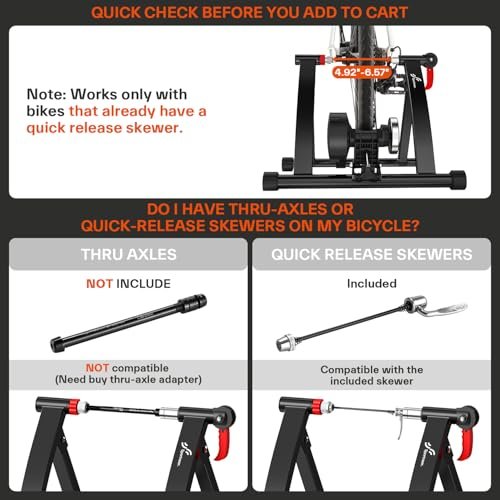
Wide Compatibility for Most Bikes: The Sportneer indoor bike trainer fits most road and mountain bikes with 26–28″ or 700C wheels and rear axles between 4.92″–6.57″. Each standard version bike…

Wahoo Fitness KICKR CORE 2…
KICKR CORE Zwift is the smarter way to start riding indoors. The new KICKR CORE builds on the trusted performance of the original CORE, and introduces a faster and easier…

Bike Trainer Stand for Indoor…
✿『EASY TO ASSEMBLE』 Our bike trainer with only a small amount of spare parts. According to our instructions, you can finish the dirty combination of the bike trainer stand in…
Sportneer Magnetic Bike Trainer

The Sportneer magnetic bike trainer is a simple way to keep a road bike moving indoors. It fits many 26- to 28-inch bikes and 700C wheels, so it suits a large share of common road and hybrid bikes. Its frame folds for storage, and the quick-release lever makes bike removal less of a chore. I also like the included front riser block because it helps level the bike and gives the front wheel a more natural height.
Six resistance settings give you room to start easy and add more load as your legs improve. The magnetic system feels smooth for steady rides, warm-ups, and basic interval work. It is not a smart trainer, so it will not change resistance from Zwift or another training app. Still, it offers strong value for riders who want a reliable indoor bike trainer without paying for advanced electronics.
Pros:
- Six manual resistance levels
- Works with many 26- to 28-inch wheels and 700C wheels
- Folding frame stores in a closet or corner
- Quick-release lever makes setup faster
- Front wheel riser block improves riding position
- Useful for fitness rides, warm-ups, and winter training
Cons:
- Does not provide smart app control
- Rear tire may wear faster than on a direct-drive trainer
- Resistance changes require manual adjustment
My Recommendation
I recommend the Sportneer to new indoor riders, casual cyclists, and anyone who wants a low-cost training setup. It is especially useful if you already own a compatible bike and need a trainer that can fold away after each ride. The six levels offer enough range for light spins and moderate workouts. As a Best Indoor Bike Trainer for simple home use, it delivers the basics well and remains widely available at a sensible price.
Wahoo KICKR CORE 2 With Zwift Cog

The Wahoo KICKR CORE 2 is aimed at riders who want a serious indoor training experience. It uses a direct-drive design, so you remove the rear wheel and mount the bike to the trainer. That design reduces tire noise and gives a more natural connection between your pedaling and the resistance unit. The included Zwift Cog and Click system also makes virtual shifting and app-based riding more convenient for compatible setups.
This trainer is a strong choice for structured workouts, race practice, and long indoor sessions. Smart resistance can follow a virtual climb or hold a target watt level during an interval. Direct-drive trainers also tend to feel more stable when you stand and push hard. The trade-off is a higher cost and a setup that requires cassette, axle, and drivetrain compatibility checks before purchase.
Pros:
- Direct-drive design avoids rear tire slip and tire wear
- Smart resistance works with popular cycling platforms
- Zwift Cog simplifies virtual shifting for supported rides
- Stable base supports hard efforts and sprint work
- Quiet operation suits apartments and shared homes
- Better choice for power-based training than a basic magnetic stand
Cons:
- Costs more than wheel-on trainers
- Requires careful drivetrain and axle compatibility checks
- Heavier and less portable than a folding trainer stand
My Recommendation
The KICKR CORE 2 is best for committed cyclists, indoor racers, and riders who use Zwift or another smart training service often. I would choose it for someone who wants accurate-feeling resistance and plans to ride indoors for years. It may be too much for a rider who only needs an occasional rainy-day workout. For serious training, however, it is one of the most complete choices in this Best Indoor Bike Trainer guide.
Five-Level Magnetic Bike Trainer Stand
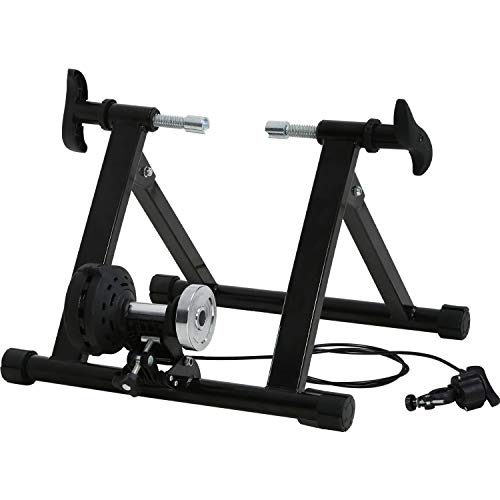
This magnetic bicycle stand focuses on easy indoor riding at a modest price. It uses a rear-wheel roller and offers five resistance settings for a basic range of effort. The steel support frame holds the bike in place while you pedal, and the design suits many road bikes with compatible wheel sizes. For a first trainer, it gives you a clear way to learn indoor pacing without a large investment.
The wheel-on layout lets you keep your normal rear wheel in place, which makes switching between indoor and outdoor riding fairly quick. A smooth flywheel helps reduce the rough feel found on very cheap resistance units. I suggest using a trainer tire if you ride often, since a standard road tire can heat up and wear under repeated roller use. This is a practical option for short cardio sessions, winter maintenance, and riders who do not need Bluetooth features.
Pros:
- Five resistance settings for simple workout control
- Easy wheel-on setup
- Suitable for many road bikes
- Magnetic flywheel provides a smoother feel than basic friction units
- Lower purchase cost than a smart direct-drive trainer
- Compact enough for home storage
Cons:
- No built-in power meter or wireless connectivity
- Wheel-on use can create rear-tire wear
- May feel limited for advanced riders and steep virtual climbs
My Recommendation
I would pick this stand for a beginner who wants to try indoor cycling before buying a premium trainer. It is also useful for riders who need a spare setup for warm-ups or occasional home cardio. The simple controls make it less intimidating than a smart system. While it is not the most advanced Best Indoor Bike Trainer, it provides a useful mix of stability, easy setup, and low cost.
Alpcour Folding Magnetic Bike Trainer
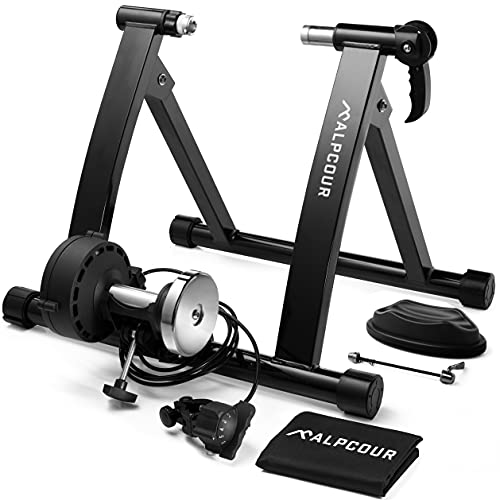
The Alpcour magnetic trainer stands out for riders who care about storage and transport. Its foldable stainless steel frame is easy to move, and the included bag helps keep the trainer and small parts together. Six resistance settings let you vary the workout without needing an app or a wall outlet. It supports road and mountain bikes within the stated wheel range, but I always advise checking axle and tire size before ordering.
Noise reduction features make it more comfortable for home use, though no wheel-on trainer is silent. The stand works well for steady endurance rides, easy recovery spins, and short interval sessions. Its manual resistance control is simple enough for a new rider to understand within minutes. If you live in a small apartment or store your bike in a shared room, the folding design can feel like a major benefit.
Pros:
- Folds for easier storage and travel
- Includes a carrying bag
- Six resistance settings support varied workouts
- Works with many road and mountain bikes
- Stainless steel frame offers useful strength
- Does not need a power outlet
Cons:
- Manual resistance lacks automatic app control
- Some mountain bike tires may create extra noise
- Compatibility still depends on wheel and axle size
My Recommendation
The Alpcour is best for apartment dwellers, students, travelers, and riders who must put equipment away after every session. I like it for people who want more resistance choice than a very basic stand but do not need smart data. The bag adds value for anyone who moves between rooms or takes the trainer on a trip. It is a flexible Best Indoor Bike Trainer for compact living and occasional transport.
Wide-Fit Magnetic Bike Trainer Stand
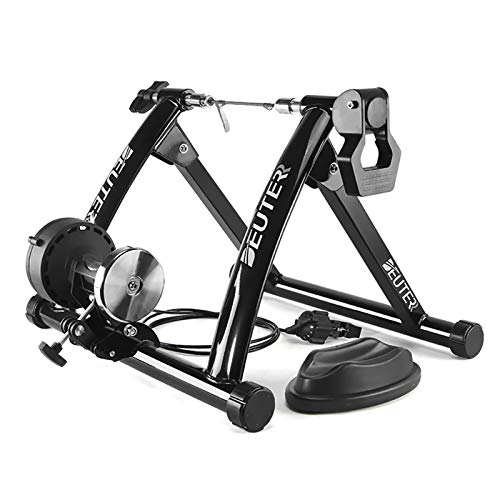
This magnetic bike trainer is designed for riders who want a broad wheel-size range and a straightforward setup. It supports 26- to 29-inch wheels and 700C wheels, which covers many road, hybrid, and mountain bike sizes. The quick-release skewer helps secure compatible bikes, while the front riser block keeps the bike level. That combination makes the first setup less awkward for new indoor riders.
The trainer uses manual magnetic resistance, so you can select an easier or harder setting before or during a ride. It works well for light aerobic exercise, winter base miles, and general fitness. It does not measure power or connect directly to training software, so serious athletes may outgrow it. For a household with several compatible bikes, however, the wider fit can make this stand more useful than a model with a narrow size range.
Pros:
- Wide support for 26- to 29-inch and 700C wheels
- Quick-release skewer improves bike stability
- Front riser block helps level the bicycle
- Simple manual resistance control
- Good option for road, hybrid, and some mountain bikes
- Useful for households with more than one compatible bicycle
Cons:
- Not a smart or app-controlled trainer
- Knobby tires may be louder on the roller
- Correct fit still depends on axle and frame clearance
My Recommendation
I recommend this model to families or riders who want a broad wheel-size fit at a reasonable cost. It can also suit a cyclist who changes between a road bike and a hybrid bike. The riser block and quick-release hardware make it friendly for first-time users. If your goal is dependable indoor exercise rather than race-level data, this Best Indoor Bike Trainer offers practical value.
YOSUDA Magnetic Exercise Bike

The YOSUDA is different from the other products here because it is a complete stationary exercise bike. You do not need a road bike, a rear skewer, or a separate trainer stand. Its magnetic indoor cycling design aims to provide a quieter ride, and the 300-pound stated weight capacity gives it appeal for many home users. A tablet holder and exercise content support can make a routine feel less dull.
This bike is a good fit for people who want a dedicated workout station for weight loss, general cardio, or daily movement. The brake-pad resistance system is not the same as a smart cycling trainer, so cyclists should not expect exact power-based training. It does, however, remove many fit questions that come with mounting an outdoor bicycle. For a household where several people want to exercise, the adjustable stationary-bike format may be more convenient than sharing one road bike.
Pros:
- Complete exercise bike needs no outdoor bicycle
- Magnetic design aims to reduce operating noise
- 300-pound stated weight capacity
- Tablet holder supports videos and training content
- Useful for weight-loss and general cardio routines
- Good choice for multiple household users
Cons:
- Does not replicate an outdoor bike as closely as a trainer stand
- Brake-pad resistance is less advanced than smart resistance
- Requires more permanent floor space
My Recommendation
The YOSUDA is best for beginners, home gym users, and people who do not already own a suitable bicycle. I would choose it for a spouse or family member who wants an easy cardio station without learning bike-trainer setup. It also makes sense for weight-loss plans that require frequent, simple workouts. Among these options, it is the Best Indoor Bike Trainer alternative for users who prefer a complete stationary bike.
ThinkRider XXPRO Direct-Drive Smart Trainer

The ThinkRider XXPRO is built for cyclists who want direct-drive smart training and high resistance potential. The direct-drive design removes the rear wheel, which helps reduce tire noise and improves the feeling of a firm connection. Its listed maximum resistance reaches 2,500 watts, although real performance depends on rider speed, power, software, and setup. The unit also advertises self-generated electricity, which may reduce the need for a separate power supply during some uses.
This type of trainer suits riders who enjoy virtual racing, demanding intervals, and steep simulated climbs. A direct-drive smart trainer can adjust resistance through compatible apps and display useful ride data. Before buying, I would confirm the current app support, firmware process, axle fit, and drivetrain requirements. It is a more technical product than a magnetic stand, but it can reward experienced riders who want strong indoor performance without moving to a full exercise bike.
Pros:
- Direct-drive design reduces rear-tire wear
- High listed resistance capacity for hard training
- Smart features support structured indoor workouts
- Suitable for virtual climbs and race sessions
- Self-generated power feature may simplify some setups
- More realistic for serious cycling than a basic wheel-on stand
Cons:
- Requires compatibility checks for cassette, axle, and bike type
- Advanced setup may challenge first-time users
- Heavier and less convenient to move than a folding stand
My Recommendation
I recommend the ThinkRider XXPRO to experienced cyclists who want high resistance and smart training at home. It is a good match for riders who already understand virtual training apps and drivetrain fit. New cyclists may find a basic magnetic stand easier and cheaper. For an athlete focused on power, intervals, and indoor race work, this Best Indoor Bike Trainer can offer impressive training range.
Best Indoor Bike Trainer Buying Guide
Choosing an indoor trainer is easier when you first define the workout you want. A rider who needs 30 minutes of easy cardio does not need the same machine as a cyclist preparing for a mountain race. I always start with the bike, the room, the training app, and the budget. Those four points prevent most buying mistakes.
Wheel-On or Direct-Drive?
A wheel-on trainer holds the rear wheel against a roller. You keep the bike almost complete, so setup is quick. These models cost less and work well for basic fitness, but the rear tire touches the roller and can wear over time. A dedicated trainer tire often helps, yet it adds another purchase.
A direct-drive trainer replaces the rear wheel connection. You fit the bike onto a cassette or included cog on the trainer. This layout usually feels smoother, runs quieter, and works better for high-power training. It costs more and demands closer attention to cassette, axle, and drivetrain compatibility.
Smart Features and App Support
Smart trainers can send speed, cadence, power, and resistance data to a phone, tablet, computer, or cycling app. In an app such as Zwift, the trainer may raise resistance for a hill or lower it on a descent. This feature makes a ride feel like a moving road rather than a flat spin in a spare room.
Not every rider needs smart control. If you prefer a simple workout while watching television, a manual magnetic trainer may be the better buy. It has fewer parts to update and fewer connection problems. The best indoor bike trainer is the one you will use often, not the one with the longest feature list.
Resistance Feel
Magnetic resistance suits steady rides and moderate intervals. You select a level with a lever or handle, then use your bike gears to fine-tune the effort. It feels predictable and needs no power outlet.
Smart resistance offers more control during structured training. It can hold a target watt level, which helps make intervals more exact. A strong direct-drive unit also gives better support when you stand on the pedals. Still, every resistance claim should be read with care because maximum watts do not tell the whole story about accuracy or ride feel.
Noise
Noise matters if you live upstairs, share walls, or train while another person sleeps. Direct-drive trainers are often quieter because they remove tire contact from the equation. Wheel-on models can still be comfortable, but tire type, pressure, speed, and floor surface affect sound.
A thick exercise mat can reduce vibration and protect the floor. Keep the bike clean, tighten the frame correctly, and use the recommended tire pressure. I also suggest placing a small fan in front of you. The fan cools your body and may help you keep the trainer quieter by reducing the urge to push too hard in a hot room.
Bike Compatibility
Check wheel size before ordering a wheel-on model. A trainer may list 26-inch, 27-inch, 28-inch, 29-inch, or 700C support, but tire width and frame clearance still matter. Some mountain bikes use wide, knobby tires that do not sit well on a narrow roller.
For direct-drive models, inspect the rear axle type and cassette. A quick-release road bike, a 12-by-142-millimeter thru-axle bike, and a mountain bike with a different spacing may need different adapters. The cassette may also need to match your drivetrain. When in doubt, compare the trainer manual with your bike maker’s specifications before checkout.
Stability and Frame Design
A trainer should stay planted when you pedal hard. Wide feet, a strong frame, and a secure rear connection all help. A cheap stand can feel fine during easy riding but move when you stand for a sprint.
Folding legs are useful if you must store the unit after every workout. A carrying bag adds value for travelers and small homes. Direct-drive units usually weigh more, but that weight can improve stability. I view stability as a safety feature, not just a comfort feature.
Data Accuracy
Basic trainers may show no power data at all. You can still train by time, speed, heart rate, or perceived effort. This works well for general health and base fitness.
Smart trainers add more data, but accuracy varies by model and conditions. Calibration, tire pressure, temperature, and firmware can affect readings. For serious training, use a repeatable setup and follow the manufacturer’s calibration instructions. Do not treat a large watt number on a product page as proof of laboratory-level accuracy.
Comfort and Training Space
Indoor riding can feel harder than outdoor riding because you do not receive natural airflow. A fan is one of the best accessories you can buy. Place a towel over the handlebars, protect the floor from sweat, and keep water within reach.
Make sure you have enough room to mount and dismount safely. Leave space around the handlebars and rear wheel. A stable front riser block can make the bike feel more natural on a wheel-on trainer. If the bike rocks or the floor slopes, stop and correct the setup before beginning a hard ride.
How I Evaluate an Indoor Bike Trainer
I look beyond the product title and focus on how the trainer fits real life. First, I check bike compatibility and the clarity of the installation parts. A trainer that takes hours to understand can discourage new users before the first ride.
Next, I consider stability, resistance control, noise, storage, and service needs. I also separate useful features from marketing language. For example, a high maximum watt claim matters less to a casual rider than a steady frame and an easy setup.
I give extra weight to products that match a clear user need. The Sportneer and Alpcour are practical for simple indoor fitness. The Wahoo and ThinkRider suit advanced smart training. The YOSUDA serves people who want a complete exercise bike instead of a stand. This approach makes the Best Indoor Bike Trainer choice more honest and more useful.
Best Indoor Bike Trainer Features at a Glance
| Best for | Why |
|---|---|
| Budget home training | Sportneer offers six resistance levels, a folding frame, and broad wheel support. |
| Serious smart cycling | Wahoo KICKR CORE 2 and ThinkRider XXPRO provide direct-drive resistance for app-based workouts. |
| Complete home cardio | YOSUDA includes a dedicated stationary bike, tablet holder, and a high listed user capacity. |
Indoor Bike Trainer Setup Tips
Start by placing the trainer on a level surface. Add a mat if the floor is smooth or if you need to protect carpet and wood. For a wheel-on trainer, check that the rear axle sits fully in the cups and that the roller touches the tire firmly. It should not crush the tire or allow the wheel to slip.
Use the included skewer when the instructions call for one. A standard road-bike skewer may not fit the trainer cups as safely. Tighten each side evenly, then hold the bike and test for movement before riding.
For direct-drive models, remove the rear wheel and confirm that the chain sits on the correct cog. Check that the axle is fully engaged. Shift gently at first and listen for unusual clicks. A short, easy test ride can reveal a fit problem before you begin a hard session.
Warm up for several minutes. This lets the tire, roller, and resistance unit settle. It also helps you find a comfortable gear and resistance level. If the trainer uses a calibration routine, perform it after the warm-up and repeat it when the maker recommends.
How to Make Indoor Training More Enjoyable
Indoor training can become dull when every ride feels the same. I like to set a small goal before I start, such as 20 minutes without stopping or four short hard efforts. A clear target turns the workout into a task rather than a test of patience.
Use a fan, a towel, and a bottle of water. Open a window if weather and privacy allow it. Keep the remote, phone, or tablet within safe reach, but avoid leaning so far that your balance changes.
Music can help during simple rides. An app can add maps, races, and group rides when you want more motivation. If you use a smart trainer, keep the software updated and connect it before the workout begins. Small habits remove friction, and less friction means more rides.
Common Indoor Bike Trainer Mistakes
The first common mistake is buying without checking compatibility. Wheel diameter alone does not guarantee a safe fit. Axle type, tire width, cassette, and drivetrain all deserve attention.
The second mistake is ignoring cooling. Indoor riding lacks outdoor airflow, so your heart rate and effort can rise quickly. A strong fan helps protect comfort and may improve the quality of your workout.
Another mistake is using a normal road tire for long wheel-on sessions without checking wear. Look at the tread and sidewalls often. Replace a damaged tire before it becomes a safety risk.
Finally, some riders expect a basic magnetic stand to behave like a smart direct-drive trainer. It will not create automatic hills, accurate power targets, or virtual shifting. Choose features based on your training plan, not on a product label alone.
FAQs Of Best Indoor Bike Trainer
What is the best indoor bike trainer for beginners?
A folding magnetic trainer such as the Sportneer is a strong beginner choice. It costs less, uses simple controls, and works with many common bikes.
Is a direct-drive trainer better than a wheel-on trainer?
Direct-drive models usually provide a smoother, quieter ride and better smart control. Wheel-on models cost less and set up faster, so they remain useful for casual training.
Can I use a mountain bike on an indoor trainer?
Many trainers support mountain bikes, but you must check wheel size, tire width, axle type, and frame clearance. Knobby tires may also create more noise on a wheel-on roller.
Do indoor bike trainers damage tires?
Wheel-on trainers can increase rear-tire wear because the tire presses against a roller. A trainer-specific tire may reduce wear. Direct-drive trainers remove the rear tire from the setup.
Do I need a smart trainer for Zwift?
No. You can use some basic trainers with speed sensors, but a smart trainer gives automatic resistance and a more interactive experience. Check the app and device requirements before buying.
Final Verdict: Which Should You Buy?
The Wahoo KICKR CORE 2 is my top pick for serious cyclists, while the Sportneer is the better value for basic home riding. The YOSUDA suits users who want a complete stationary bike.
The Best Indoor Bike Trainer is the one that fits your bike, space, budget, and training goal. Check compatibility first, add a fan, and choose a model you will ride often.