Best Bike Trainer: Top Picks For Indoor Cycling
The best bike trainer delivers stable indoor rides, smooth resistance, and easy setup for year-round cycling.
Rain, snow, heat, traffic, and early sunsets can quickly ruin a good riding plan. I know how hard it feels to stay fit when outdoor miles are not practical. A bike trainer turns your own bicycle into an indoor workout tool, so you can ride in a spare room, garage, or living area. The right model should feel steady, fit your bike well, control noise, and match your training goals. In this guide, I compare popular magnetic, fluid, and smart trainers to help you find the best bike trainer for your budget and riding style.
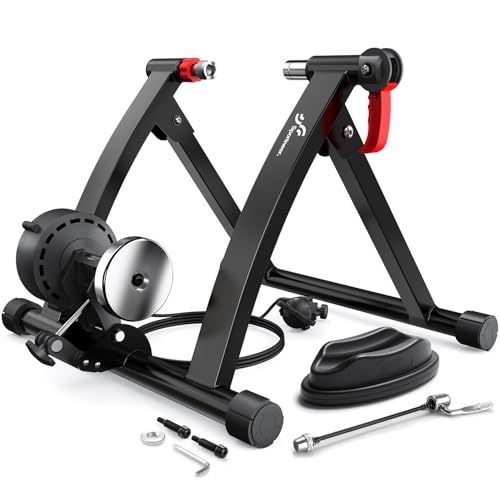
Sportneer Bike Trainer – Magnetic…
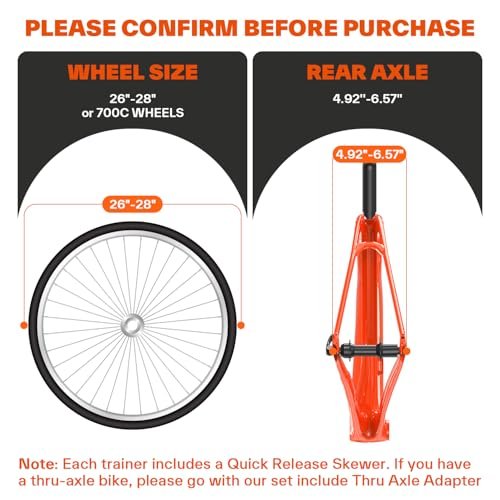
Wide Compatibility for Most Bikes: The Sportneer indoor bike trainer fits most road and mountain bikes with 26–28″ or 700C wheels and rear axles between 4.92″–6.57″. Each standard version bike…

Bike Trainer Stand for Indoor…
✿『EASY TO ASSEMBLE』 Our bike trainer with only a small amount of spare parts. According to our instructions, you can finish the dirty combination of the bike trainer stand in…

Alpcour Bike Trainer Stand for…
MAKE THE SWITCH TO STATIONARY! – Mag Bike Stand Converts Any Mountain or Road Bike Into a Stable, Smooth-Riding Indoor Stationary Bicycle for All-Season Training, Conditioning, Fitness & Exercise –…
Sportneer Magnetic Bike Trainer

The Sportneer magnetic bike trainer is a practical choice for riders who want a simple indoor setup. It supports many 26- to 28-inch wheels and 700C road wheels, which covers a large share of common bikes. Its magnetic resistance system gives you six resistance levels for light spins, steady cardio, and harder efforts. I also like the quick-release lever because it makes mounting and removing the bike less of a chore.
This trainer includes a front wheel riser block, so the bike sits in a more natural position. The foldable frame also helps when floor space is limited. Like most wheel-on trainers, it works best with a smooth rear tire made for indoor riding. It is not a smart trainer, but it offers dependable value for riders who want exercise without an app subscription.
Pros:
- Six resistance settings suit easy and moderate workouts
- Fits many road and hybrid bike wheel sizes
- Quick-release lever makes bike setup faster
- Front riser block improves riding position
- Foldable design helps with storage
- Useful entry price for casual indoor cycling
Cons:
- It does not provide automatic resistance control
- Wheel-on tires can create more noise than direct-drive models
- Heavy riders may notice some frame movement during sprints
My Recommendation
I recommend the Sportneer for beginners, commuters, and fitness riders who need a reliable indoor bike trainer at a reasonable cost. The six resistance levels give enough range for warmups, steady rides, and basic interval work. It also suits apartment users who need to fold the unit after each session, though a trainer tire can help lower noise. If you want the best bike trainer for simple home workouts rather than advanced virtual racing, this model offers strong everyday value and is widely available.
Indoor Magnetic Trainer With Five Settings
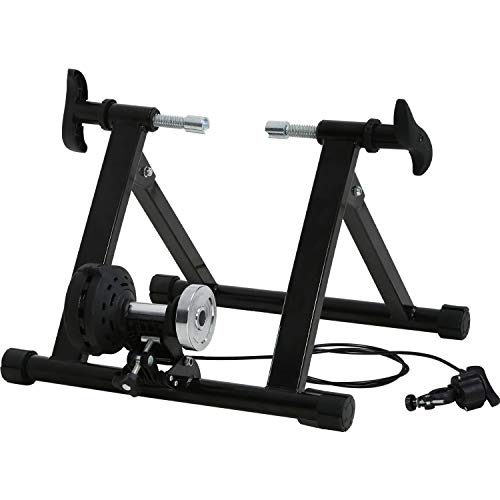
This magnetic trainer focuses on the basics: stable support, adjustable resistance, and indoor riding comfort. The five resistance settings let you change effort without needing a phone or wireless connection. That makes it a good fit for cyclists who prefer to watch a show, follow a printed workout, or pedal at their own pace. Its magnetic flywheel design can feel smoother than a very basic friction trainer.
The stand is made for road-style indoor riding and can also work with many compatible bicycles. I suggest checking your axle type and wheel size before ordering, since fit matters more than any feature list. Noise reduction is helpful, but the rear tire still touches the roller, so tire choice affects the final sound level. For general cardio, winter training, and short weekday rides, this trainer keeps the learning curve low.
Pros:
- Five resistance levels are easy to understand
- Magnetic flywheel creates a steady pedaling feel
- Simple design needs no app or account
- Good choice for home cardio sessions
- Usually quicker to install than a smart trainer
- Works well for riders who want low-tech control
Cons:
- Resistance changes may require a handlebar control or manual adjustment
- It lacks power data and wireless training features
- Compatibility should be checked before purchase
My Recommendation
This model is best for a rider who wants a low-cost indoor bike trainer with a smooth magnetic feel. It makes sense for students, new cyclists, and busy workers who need quick exercise without learning training software. I would choose it over a basic friction stand when quiet, repeatable resistance matters. It may not be the best bike trainer for serious data-based training, but it gives strong value for simple fitness and indoor miles.
Alpcour Foldable Magnetic Bike Trainer
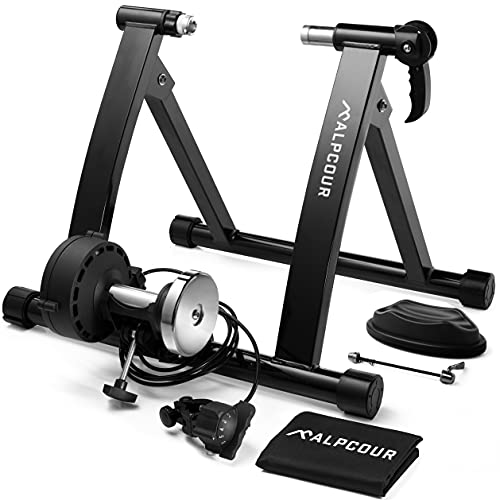
The Alpcour magnetic bike trainer stands out for its portable frame and included carry bag. It gives riders six resistance settings, so you can start with an easy warmup and increase the load as your legs wake up. The stainless steel frame is designed for regular indoor use and folds when you need to clear the room. That portable design is useful for cyclists who travel, share a workout space, or store equipment in a closet.
The trainer is made for many road and mountain bikes, but you should confirm wheel and axle measurements first. Its wheel-on setup is familiar and does not require removing the rear wheel. A front riser block can improve comfort by leveling the bike. The unit can still make tire noise, especially during fast sessions, so I recommend using a trainer tire and a firm floor mat.
Pros:
- Foldable frame is convenient for small rooms
- Carry bag improves transport and storage
- Six resistance settings support varied workouts
- Suitable for many road and mountain bikes
- Front wheel support helps balance the bike
- Good option for riders who move equipment often
Cons:
- Wheel-on contact may wear a regular outdoor tire
- It is not compatible with virtual training as a smart trainer
- Hard sprints may feel less stable than a heavy direct-drive unit
My Recommendation
I recommend the Alpcour to riders who value storage and portability above advanced data. It is especially useful in apartments, dorms, shared homes, and temporary work spaces. The bag gives it an advantage over many low-cost stands because you can move it without carrying a loose metal frame. If your idea of the best bike trainer includes easy storage, simple resistance, and flexible use with road or mountain bikes, this is a strong candidate.
Magnetic Trainer With Riser Block
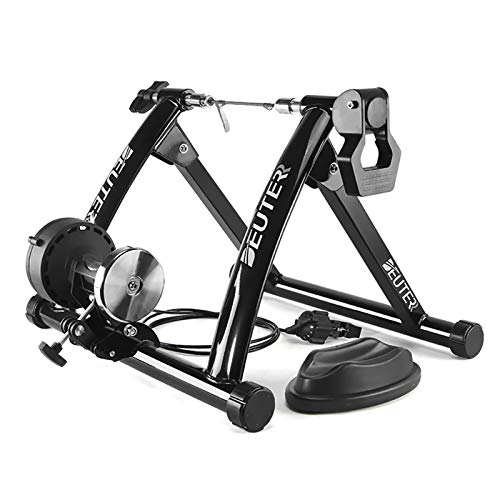
This magnetic bicycle trainer offers a familiar way to turn a standard bike into an indoor exercise machine. It supports 26- to 29-inch wheels and 700C wheels, giving it broad appeal for road, hybrid, and some mountain bikes. The included quick-release skewer helps create a better fit than trying to clamp an ordinary rear axle directly into the stand. Its magnetic resistance system keeps the setup simple for riders who do not need connected training.
The front riser block helps level the front wheel and can reduce the forward tilt that some wheel-on trainers create. The frame folds for storage, which is useful after a long ride when you want the floor clear. I would place the trainer on a mat to protect the floor and reduce vibration. As with any wheel-on design, steady pressure and correct roller adjustment matter for both grip and tire life.
Pros:
- Broad wheel-size range fits many bicycles
- Quick-release skewer supports a secure rear connection
- Riser block improves bike balance and comfort
- Magnetic resistance suits daily cardio workouts
- Foldable frame saves storage space
- Simple operation works without electronics
Cons:
- It does not measure watts or cadence
- Some bikes may need a separate axle adapter
- Wheel-on use can produce tire noise at high speed
My Recommendation
This trainer is best for riders who want wide wheel compatibility and a stable starting point for indoor cycling. I see it as a good match for families where more than one bike may use the same stand. It also works for riders who want to follow workouts from a book or video without dealing with Bluetooth pairing. For basic training, this bike trainer provides practical features without adding a high smart-trainer price.
Saris Fluid2 Indoor Bike Trainer
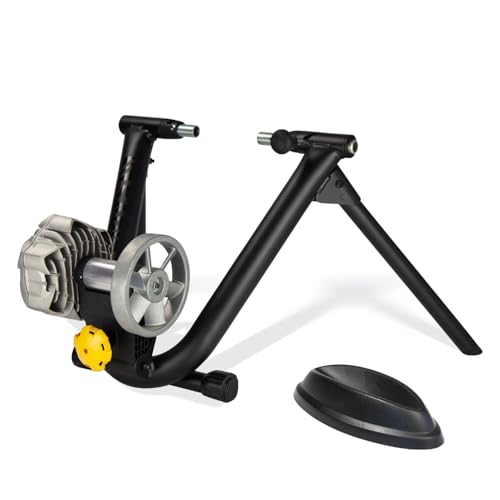
The Saris Fluid2 is a well-known fluid bike trainer for riders who want a more natural resistance curve. Fluid resistance usually becomes harder as you pedal faster, which can feel closer to riding outdoors than fixed magnetic steps. This makes it useful for endurance rides, tempo work, and steady training blocks. It fits road and mountain bikes, and its made-in-the-USA construction gives the product a strong reputation among home cyclists.
The Fluid2 is also compatible with Zwift when paired with a separate speed sensor, although it does not send power data by itself. That detail matters because app compatibility does not make a traditional trainer fully smart. The frame provides a solid base, but a wheel-on fluid trainer still needs proper tire pressure and roller tension. I prefer this model for riders who care more about smooth resistance than wireless control.
Pros:
- Fluid resistance feels smooth and progressive
- Good for endurance and tempo riding
- Fits many road and mountain bikes
- Compatible with Zwift through an added speed sensor
- Recognized brand with a long history in indoor cycling
- Made in the USA according to the product listing
Cons:
- It is not a true smart trainer with automatic resistance
- A separate sensor may be needed for virtual apps
- Fluid units can be heavier and less compact than simple magnetic stands
My Recommendation
I recommend the Saris Fluid2 for cyclists who want a refined wheel-on ride without paying for a full smart trainer. It is a strong option for winter base training, regular fitness, and riders who dislike abrupt resistance steps. The trainer is also a good bridge between casual exercise and structured indoor work. If you want the best bike trainer for smooth feel and proven brand support, the Fluid2 deserves serious attention, provided you understand its sensor needs.
Compact Magnetic Trainer With Wide Fit
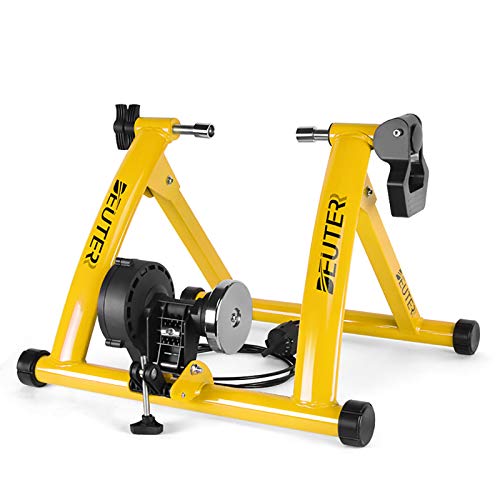
This compact magnetic trainer is built for straightforward indoor riding. It supports 26- to 29-inch wheels and 700C wheels, making it useful for many common road and mountain bikes. The quick-release skewer helps hold the rear wheel in place, while the front riser block improves the bike’s level. I like this combination because it removes two common problems: a loose rear connection and an awkward riding angle.
The trainer does not require software, batteries, or a wireless device. You can set it up and start pedaling within minutes after checking the frame and roller position. It is a practical choice for light to moderate training, especially when the goal is to keep moving during bad weather. For very hard intervals, a heavier trainer or direct-drive model may give better control and stability.
Pros:
- Fits a broad range of standard bike wheels
- Quick-release skewer improves connection security
- Front riser block supports a level riding position
- Magnetic system is simple for new users
- Foldable form helps with storage
- Useful for winter fitness and short indoor rides
Cons:
- It offers no built-in power measurement
- It may not satisfy racers who need precise training data
- Outdoor tires can sound loud on the roller
My Recommendation
I would choose this model for a casual cyclist who wants a dependable backup for wet days and cold months. It is also a sensible option for a household that needs a basic trainer but does not want another smart device. The wide wheel support and included leveling block make the setup friendly for beginners. It may not be the best bike trainer for serious race preparation, but it offers useful indoor exercise at a modest cost.
ThinkRider X2Max Smart Bike Trainer

The ThinkRider X2Max is the most advanced option in this group. It is a smart trainer with ANT+ and Bluetooth support, so it can connect with compatible phones, tablets, cycling computers, and training platforms. The product listing states that it can simulate slopes up to 18 percent, which gives virtual climbs more bite than a basic magnetic stand. Its portable design also helps riders who need to pack the trainer away after use.
A smart trainer can change resistance through an app, but the exact experience depends on software, device support, calibration, and network quality. I recommend checking the required cassette, axle standard, and app compatibility before ordering. Direct-drive smart trainers also avoid rear tire wear because the bike connects to the trainer instead of the tire. For structured workouts, virtual racing, and riders who enjoy data, this model offers a much more engaging path.
Pros:
- ANT+ and Bluetooth support expand device compatibility
- Automatic resistance can improve structured workouts
- Simulates slopes up to 18 percent according to the listing
- Quiet design is better suited to shared living spaces
- Portable form helps with storage and travel
- More engaging for Zwift-style virtual riding
Cons:
- Smart features may require app setup and firmware updates
- Compatibility with cassettes and axles must be checked
- Usually costs more than a simple wheel-on magnetic trainer
- Internet or device issues can interrupt connected workouts
My Recommendation
The ThinkRider X2Max is best for cyclists who want data, virtual routes, and automatic resistance control. It suits riders training for events, users who enjoy online competition, and anyone who loses motivation on a silent basic trainer. I would not buy it only for occasional light exercise because its smart features may be more than you need. For connected indoor cycling in 2026, however, it is a strong contender for the best bike trainer among these choices.
How I Compare the Best Bike Trainer Options
A good trainer review should look beyond the number of resistance levels. I first consider how safely the bike connects to the frame. Then I look at resistance feel, noise, storage, tire wear, data support, and likely use over time. A cheap stand can be a smart buy if it gets used often, while an expensive smart model can waste money if setup feels too hard.
Wheel size is another key point. The products in this guide list support for common road, hybrid, and mountain bike sizes, but “fits most bikes” never means every bike. Thru-axle frames, unusual dropouts, disc brake clearance, and special cassette sizes can change the answer. Before you buy, measure the rear axle and check the manufacturer’s fit chart.
I also separate resistance types into three broad groups. Magnetic trainers use a fixed resistance system and often cost less. Fluid trainers usually produce a smoother rise in resistance as speed increases. Smart trainers add wireless links and app control, but they also add more setup steps and more parts to check.
Magnetic, Fluid, or Smart: Which Type Fits You?
Magnetic trainers are often the easiest choice for beginners. They usually fold, cost less, and work without power. Their main limit is that resistance is not automatic, and the ride can feel less natural at high effort. Still, a magnetic trainer can be the best bike trainer for a rider who needs simple cardio two or three times each week.
Fluid trainers feel more progressive. As your wheel speed rises, the resistance generally rises too. That can make long rides feel more like outdoor riding. Fluid trainers remain wheel-on units, so they can still create noise and tire wear, but many riders find the smooth feel worth the trade-off.
Smart trainers make indoor cycling more interactive. Compatible software can set resistance, record power, and create virtual climbs. The trade-off includes price, device pairing, updates, power access, and app fees in some cases. A smart trainer is a tool, not a magic fix; it works best when the rider enjoys structured goals.
Important Features to Check Before Buying
Bike compatibility: Confirm wheel size, rear axle type, and frame clearance. A quick-release skewer may not fit a bike that uses a thru-axle without an adapter. Disc brakes can also affect clearance on some stands.
Resistance control: Decide whether you want manual levels or automatic changes. Manual resistance works well for basic exercise. Automatic control helps with interval sessions and virtual roads.
Noise: No wheel-on trainer is silent. Tire tread, tire pressure, roller tension, floor type, and cadence all affect sound. A trainer tire and rubber mat can make a large practical difference.
Stability: Wide feet and a firm frame help the bike stay planted. A small amount of movement is normal during hard efforts, but the trainer should not rock from side to side. Tighten every adjustment point before riding.
Storage: Foldable legs help in small homes. A carry bag helps even more if you move the trainer often. Measure the folded size if you plan to store it under a bed or desk.
Data: Basic trainers may offer no data at all. A speed sensor can provide estimated speed for some apps, but it is not the same as measured power. If accurate training zones matter, look for a trainer with a stated power system and a clear accuracy claim.
How to Set Up a Wheel-On Bike Trainer
Start by placing the trainer on a hard, level surface. Keep enough room around the bike for safe movement and check that the front wheel sits on the riser block if one is included. Replace a delicate rear skewer with the supplied trainer skewer when the design calls for it.
Set the bike into the rear cups and close the clamp firmly. The bike should sit straight, not lean toward one side. Turn the roller until it touches the tire, then apply the recommended pressure. Too little contact can cause slipping, while too much pressure can increase noise and wear.
Before the first full ride, pedal slowly for a minute. Check that the tire tracks the center of the roller. Listen for clicks, rubbing, or frame movement. I always test the brakes, bolts, and quick-release points before raising the effort.
Ways to Make Indoor Training More Comfortable
Use a fan from the first minute. Indoor air does not flow like outdoor air, so riders often overheat before they expect it. A towel protects the handlebars and top tube from sweat, while a water bottle keeps the session on track.
Put a mat under the trainer. It can protect wood or vinyl floors from sweat and small movements. It also makes cleanup easier. If you live above another apartment, the mat may reduce vibration, though it will not remove all sound.
Keep the first rides short. Ten to twenty minutes can be enough to learn the trainer’s feel. Once the setup feels stable, add time before adding very hard intervals. This approach helps the body and the equipment adjust together.
Use a dedicated indoor tire on wheel-on models when possible. Outdoor tires may work, but their tread can wear quickly and make more noise. Keep the tire pressure consistent so your resistance and roller grip feel more repeatable from ride to ride.
Best Uses for an Indoor Bike Trainer
An indoor trainer is useful for more than winter riding. It can support early morning exercise before work, short recovery spins, warmups before strength training, and controlled sessions when roads are unsafe. It also gives new cyclists a calm place to learn cadence and effort.
For weight management, the best trainer is the one you use often. A simple magnetic stand may beat a feature-rich model if it removes barriers. For race training, repeatable resistance and accurate data matter more. For family use, wide fit and easy adjustment may be the deciding factors.
Indoor riding can also help riders return after a break. You can control the pace and stop at any time. If pain appears, stop and check your bike fit. A trainer should make exercise more controlled, not force you to ignore warning signs.
Best For Comparison
| Best for | Why |
|---|---|
| Beginners and casual fitness riders | Sportneer offers simple magnetic resistance, broad fit, and easy storage. |
| Smooth endurance training | Saris Fluid2 gives a more progressive fluid resistance feel. |
| Virtual rides and structured workouts | ThinkRider X2Max adds ANT+, Bluetooth, and automatic smart resistance. |
Safety and Maintenance Tips
Inspect the trainer before each ride. Look at the frame, clamp, roller, skewer, and feet. If a bolt feels loose or the frame shows damage, stop and repair it before riding. A stable setup is more important than a high resistance level.
Keep the bike clean, especially around the rear axle and drivetrain. Sweat can damage metal parts over time. Wipe the bike after each indoor session and use a sweat guard if your handlebars place the frame below your chest.
Do not place the trainer near heat, water, or a walkway. Smart trainers need extra care around power cords and devices. Keep cables away from the crank and rear wheel. Children and pets should stay clear while the bike is moving.
Follow the product instructions for roller pressure, axle fit, and calibration. Manufacturer guidance can change, and current instructions should take priority over general advice. If your bike uses an unusual axle or cassette, contact the trainer maker before purchase.
FAQs Of Best Bike Trainer
What is the best bike trainer for beginners?
A simple magnetic trainer is often best for beginners. It is easy to set up, does not need an app, and supports basic cardio. The Sportneer is a practical starting choice because it offers six resistance levels and a front riser block.
Are bike trainers bad for bicycle tires?
Wheel-on trainers can wear outdoor tires faster than normal road use. A trainer-specific rear tire can improve grip, reduce noise, and last longer on the roller. Direct-drive smart trainers avoid rear tire contact.
Can I use Zwift with a basic bike trainer?
Some basic trainers can work with Zwift when paired with a compatible speed sensor. The app may estimate speed, but the trainer will not change resistance automatically. For full virtual control, choose a compatible smart trainer.
Are fluid trainers quieter than magnetic trainers?
Fluid trainers often produce a smooth sound, but no wheel-on trainer is silent. Tire type, cadence, floor surface, and roller pressure all affect noise. A mat and indoor trainer tire can help with both sound and vibration.
Do I need a front wheel riser block?
A riser block is not always required, but it can improve comfort and balance. It helps level the bike because the rear wheel sits higher in the trainer. Several models in this guide include one for that reason.
Final Verdict: Which Should You Buy?
The Saris Fluid2 is my top all-around pick for smooth, steady training. Choose Sportneer for simple value, Alpcour for storage, or ThinkRider X2Max for smart workouts.
The best bike trainer is the model that matches your bike, space, budget, and goals. Check fit first, then choose the resistance style you will enjoy using.