Best Fishing Line: Top Picks For Every Angler
The best fishing line matches your water, target species, reel, knot style, and preferred casting feel.
A snapped line can ruin a great day on the water. I have seen anglers blame a reel or lure when the real problem was a poor line choice, old line, or the wrong strength. The right fishing line casts smoothly, handles cover, and gives you better control from hook-set to landing. This guide compares six popular options, including braid, monofilament, and fluorocarbon, so you can choose with confidence instead of guessing at the tackle aisle.
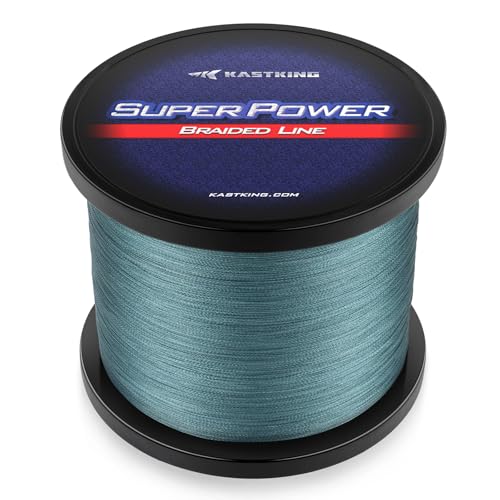
KastKing Superpower Braided Fishing Line,Low-Vis…
Strong knot strength – dynamically incorporated strands in KastKing Superpower braided lines allow you to easily tie a more solid knot; you can even tie an improved clinch knot. Low…
KastKing Superpower Braided Fishing Line,Low-Vis…
Strong knot strength – dynamically incorporated strands in Casting Superpower braided lines allow you to easily tie a more solid knot; you can even tie an improved clinch knot. Low…
KastKing Superpower Braided Fishing Line,Low-Vis…
Strong knot strength – dynamically incorporated strands in KastKing Superpower braided lines allow you to easily tie a more solid knot; you can even tie an improved clinch knot. Low…
KastKing Superpower Braid 20 lb

KastKing Superpower in the 20-pound size is a useful middle ground for bass, walleye, pike, and many light inshore tasks. Its braided design gives it a thin profile for its stated strength. That smaller diameter can help you place more line on a spool and reach deeper water with less bulk. The low-visibility gray color also blends well in many dim or stained-water settings.
I like this strength for anglers who want sensitivity without moving to an overly heavy setup. Braid has very little stretch, so it transfers lure movement and light bites quickly. It can also cut through weeds better than typical monofilament, although sharp rocks and shells still call for a leader. Use a firm knot, fill the spool with care, and check the first few feet after fishing around cover.
Pros:
- 20-pound strength suits many bass and mixed-species setups
- Thin braid helps increase line capacity
- Low stretch improves bite and bottom feel
- Useful around grass and moderate cover
- Low-vis gray offers a subtle look in many conditions
- Good choice for anglers building a sensitive setup
Cons:
- Braid may need a leader in clear water
- Can dig into itself on a loose spool
- Visible fibers may show wear near rocks
KastKing Superpower Braid 30 lb
The 30-pound KastKing Superpower version brings more muscle for heavy bass cover, pike, catfish, and selected inshore work. It remains much slimmer than many lines with a similar strength rating. That lets an angler fish a strong line without filling the reel with a thick, stiff cord. The gray finish keeps the presentation simple and practical.
This line fits anglers who pull fish away from wood, reeds, docks, and dense vegetation. Its low stretch helps you drive a hook home and turn a fish before it reaches a snag. I would pair it with a suitable leader when the water looks clear or when toothy fish may cut the braid. A smooth drag still matters because even strong braid can fail when a locked-down reel meets a sudden surge.
Pros:
- 30-pound rating gives extra power around heavy cover
- Thin diameter helps maintain useful spool capacity
- Low stretch supports strong hook-sets
- Works well for larger bass and many catfish rigs
- Useful for anglers who fish weeds, brush, and docks
- Low-vis gray color suits a range of lure styles
Cons:
- May feel too heavy for small lures
- Can be more visible than clear leader material
- Needs careful spool tension during installation
KastKing Superpower Braid 10 lb
The 10-pound KastKing Superpower braid is aimed at lighter tackle and anglers who want a fine line with strong feel. It can work well for panfish, trout, finesse bass, and light spinning applications. The narrow profile reduces bulk and can help small lures cast with less resistance. Its low-vis gray shade gives you a practical option when you do not want a bright line above the water.
In my experience, light braid shines when an angler wants to detect a soft tap or keep a small lure lively. It does not stretch much, so the rod and drag must help protect light hooks and thin leaders. I would not choose it as a general heavy-cover line, even if the strength number looks impressive. Used with a fluorocarbon or monofilament leader, it becomes a versatile finesse platform.
Pros:
- Light 10-pound size suits finesse fishing
- Thin profile helps small lures travel farther
- Excellent sensitivity for light bites
- Useful for trout, panfish, and light bass work
- Creates room for more line on many spools
- Pairs well with a clear leader
Cons:
- Not the right choice for thick vegetation
- Light braid can suffer from abrasion on rough cover
- Requires a smooth drag and careful hook-set
Berkley Trilene XL Clear 8 lb
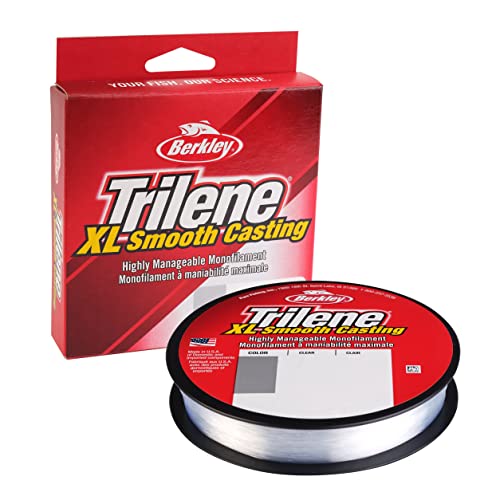
Berkley Trilene XL Clear in 8 pounds remains a dependable monofilament choice for freshwater anglers. Its clear appearance offers a simple presentation for clear and lightly stained water. Monofilament also has useful stretch, which can soften sudden runs and help protect small hooks. The 330-yard spool gives many anglers enough material for a fresh fill or several leader changes.
I especially like this type of line for new anglers because it is easy to handle and forgiving at the knot. It works on spinning reels, baitcasters, and many basic casting setups. The line can be a good fit for small crankbaits, soft plastics, live bait, and general pond fishing. It will not feel as direct as braid, but that small delay often helps when a fish strikes hard at close range.
Pros:
- Clear color supports a discreet freshwater presentation
- Stretch helps cushion sudden runs
- Easy to tie for beginners and casual anglers
- Works on spinning and casting reels
- Good match for small lures and live bait
- 330-yard length provides useful value
Cons:
- More stretch reduces direct lure feel
- Can develop memory after long storage
- Less suitable for very heavy cover
Berkley Trilene Big Game 20 lb

Berkley Trilene Big Game in 20 pounds is a sturdy monofilament line for anglers who need strength, shock absorption, and a long supply. The clear line can serve in both freshwater and saltwater settings when the diameter and stretch fit the job. Its 650-yard length is helpful for large reels, backing, leader work, or repeated respooling. The line also gives a more traditional feel than braid.
This is a practical choice for catfish, salmon, larger freshwater species, and many general saltwater rigs. I value the cushion that mono provides when a powerful fish turns near the boat or bank. It can also be easier to manage than heavy braid for anglers who prefer simple knots and familiar tackle. Check it often after contact with rocks, dock edges, shells, or rough structure because abrasion can weaken any line.
Pros:
- 20-pound strength handles larger fish and stronger runs
- Stretch helps reduce shock at close range
- Clear finish suits many water conditions
- 650-yard spool offers strong overall value
- Useful in both freshwater and saltwater environments
- Simple to use with common knots and reels
Cons:
- Thicker diameter can reduce casting distance
- More memory may appear on smaller spinning reels
- Stretch limits sensitivity compared with braid
Seaguar Red Label Fluorocarbon 12 lb

Seaguar Red Label 12-pound fluorocarbon is designed for anglers who want a clear, abrasion-aware leader or main-line option. Fluorocarbon sinks, which can help keep a bait or lure on a deeper path. It also has low stretch compared with standard monofilament, so it offers a firm connection and good bottom contact. The 200-yard spool is sized well for leader work and selected reel setups.
I often see fluorocarbon make the biggest difference in clear water, around wary fish, or near sharp cover. It is not invisible, but its light-refraction properties can make it less obvious than many colored lines. This material is stiffer than mono, so I recommend careful knot tying and a strong knot suited to fluorocarbon. Wet the knot, pull it down slowly, and inspect it before every serious cast.
Pros:
- Clear material supports a subtle presentation
- Sinks for deeper bait and lure control
- Low stretch improves contact and hook-set feel
- Useful as a leader near rocks and cover
- 12-pound strength suits many bass applications
- 200-yard spool works well for repeated leader changes
Cons:
- Stiffer than monofilament and may be harder to cast
- Requires careful knot selection and tension
- Shorter spool may not suit every large reel
Sufix 832 Braid 300 Yards

Sufix 832 is a premium-style braided line built for anglers who want a refined braid experience. Its construction uses eight fibers, including a performance fiber intended to help with strength, handling, and durability. The line is supplied in a 300-yard length, which gives plenty of room for a full spool on many reels. As with any braid, the exact best use depends on the selected pound test and the water around you.
On the water, braid like this can feel crisp and direct. It helps anglers read a weed edge, feel a light tick, and keep contact with a lure at distance. I still advise a leader in clear water and a careful check after each fish near rough cover. The higher price may not suit a beginner, but experienced anglers often notice the value when smooth handling and dependable sensitivity matter every trip.
Pros:
- Eight-fiber design supports smooth handling
- Very low stretch improves lure and bite feedback
- 300-yard length fits many full-spool applications
- Useful for long casts and deep-water work
- Strong choice for anglers who fish braid often
- Performs well with a suitable leader system
Cons:
- Costs more than basic monofilament
- Can be visible without a clear leader
- Needs correct tension to prevent loose coils
How I Compare Fishing Line Types
Choosing the best fishing line starts with the line family. Monofilament is usually the easiest place to start. It is soft, affordable, and forgiving, with enough stretch to reduce the force of a sudden strike. That makes it useful for beginners, treble-hook lures, topwater baits, and many general freshwater trips.
Braid offers the opposite feel. It has very little stretch, a small diameter, and strong sensitivity. Those traits help when I fish deep water, heavy weeds, or long casts. However, braid can be more visible and may suffer when it rubs against sharp rock. A leader often solves the visibility issue, but it adds another knot that must be tied well.
Fluorocarbon sits between those two choices in several ways. It sinks and offers a subtle look in clear water. It also transmits contact better than many monofilament lines. Its main tradeoff is stiffness, especially at heavier sizes. That stiffness can cause loops on some spinning reels, so I pay close attention to spool fill, lure weight, and knot quality.
How Much Line Strength Do You Need?
The pound-test number is only one part of the decision. A fish does not pull in a straight line in real life. It turns, dives, rubs the line against cover, and uses current as extra force. Water clarity, cover, hook size, drag setting, and leader material all affect the right choice.
For small panfish and trout, light mono or light braid can provide a natural lure action. Many bass anglers choose a medium line, then change strength based on the lure and cover. Heavy vegetation often calls for stronger braid. Catfish and larger saltwater targets may need heavy mono or braid with a leader that can tolerate abrasion.
I also avoid treating the printed strength as a promise against every form of damage. A line can test well in a straight pull yet fail after a nick. Knots can reduce strength, too. The safest habit is simple: inspect the line, retie after hard contact, and replace old line before an important trip.
Spooling Tips That Prevent Common Problems
Even the best fishing line can perform poorly if it goes on the reel in the wrong way. For a spinning reel, I place the filler spool flat and watch the direction of the line as it comes off. If the line starts to twist, I turn the filler spool or change its position. I fill the spool close to the rim, but I leave a small gap so line does not spill over during a cast.
Braid needs firm tension during installation. Without tension, the line can settle into soft layers and dig into itself under pressure. Some anglers use a short monofilament backing to help braid grip the spool. On a baitcaster, I keep steady pressure and avoid overfilling. A neat spool is not just tidy; it helps reduce backlashes and improves casting control.
When I spool fluorocarbon, I watch for memory and spring. The material can leave the spool in coils if the reel or line size is not a good match. A light amount of tension helps, but excessive pressure can damage the line. I also check that the line guide, bail, and spool edge feel smooth before blaming the line for casting trouble.
Knots, Leaders, and Line Care
A strong line still needs a strong connection. For monofilament, an improved clinch knot or Palomar knot works well for many common lures. Braid often benefits from a Palomar knot, while braid-to-leader connections may call for an FG knot, Alberto knot, or another tested joining knot. Fluorocarbon rewards slow, careful tightening because heat and crossed wraps can weaken the connection.
I do not use one knot for every task. I match the knot to the line, lure eye, leader size, and amount of movement needed. After tying, I pull the knot firmly by hand and inspect the wraps. If the knot slips, cuts into itself, or looks uneven, I tie it again before casting.
Storage also affects line life. Keep spare spools away from extreme heat and direct sunlight. Rinse saltwater gear with fresh water, but do not use a harsh spray that drives grit into the reel. After each trip, I run my fingers over the first few feet of line. If it feels rough, cloudy, flattened, or nicked, I cut it back or replace it.
Best for Table
| Best for | Why |
|---|---|
| Finesse freshwater fishing | The 10-pound KastKing braid and 8-pound Trilene XL offer light lure control and useful sensitivity. |
| Heavy cover and larger fish | The 30-pound KastKing braid and 20-pound Big Game mono provide extra strength for demanding areas. |
| Clear water and leader work | Seaguar Red Label gives a subtle fluorocarbon presentation with low stretch and sinking behavior. |
My Recommendation
For most anglers who want a modern, sensitive setup, I recommend starting with the 20-pound KastKing Superpower braid and adding a clear leader. It offers a useful mix of casting range, strength, and bite feel. Choose the 10-pound version for finesse work and smaller fish. Move to the 30-pound size when weeds, brush, docks, or stronger fish demand more control.
Choose Berkley Trilene XL if you value simple handling and a forgiving line. It is a smart pick for beginners, small lures, and everyday freshwater use. Berkley Big Game is better for heavy mono needs, while Seaguar Red Label is the better tool for clear water and leader duties. Sufix 832 is my premium braid choice for experienced anglers who want smooth, refined performance. Availability and current price can change, so check the product page before buying.
FAQs Of Best Fishing Line
What is the best fishing line for beginners?
Monofilament is often the easiest choice for beginners. It is simple to spool, easy to knot, and more forgiving when a fish surges. Berkley Trilene XL 8-pound is a practical starting point for many freshwater trips.
Is braided line better than monofilament?
Neither is best for every situation. Braid offers more sensitivity, less stretch, and a thin profile. Monofilament costs less, handles easily, and cushions hard strikes with its stretch.
Should I use a leader with braided fishing line?
A leader is useful in clear water or around sharp cover. Fluorocarbon can provide a subtle presentation, while mono offers more stretch and easy handling. In stained water or dense vegetation, some anglers fish braid directly.
How often should I replace fishing line?
Replace line when it shows nicks, frays, memory, discoloration, or repeated knot failure. Heavy users should inspect it often and respool at least as needed before the main season. Saltwater, sunlight, heat, and abrasion can shorten its life.
What pound test should I use for bass?
A medium line is a common starting point, but cover changes the answer. Light line works for open-water finesse fishing, while heavier braid suits grass and wood. Match the line to the lure, rod, reel, water clarity, and likely fish size.
Final Verdict: Which Should You Buy?
The 20-pound KastKing Superpower is my top all-around pick because it balances strength, sensitivity, and value. Choose Trilene XL for easy freshwater fishing, or Seaguar Red Label for clear-water leader work.
The best fishing line is the one that fits your water and tackle. Inspect it, tie it with care, and your next cast will start with more confidence.The best fishing line is the one that fits your water and tackle. Inspect it, tie it with care, and your next cast will start with more confidence.
Similar Posts
Best Fishing Tackle Box: Top Picks For Every Angler
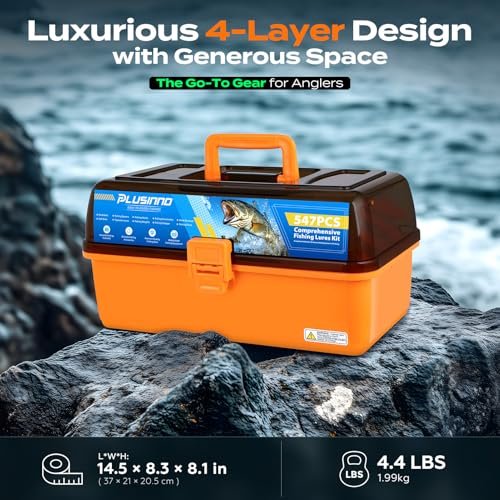
Find the best fishing tackle box for storage, durability, and easy access. Compare top picks to choose the perfect box for every angler.
Best Landing Net: Top Picks For Every Angler
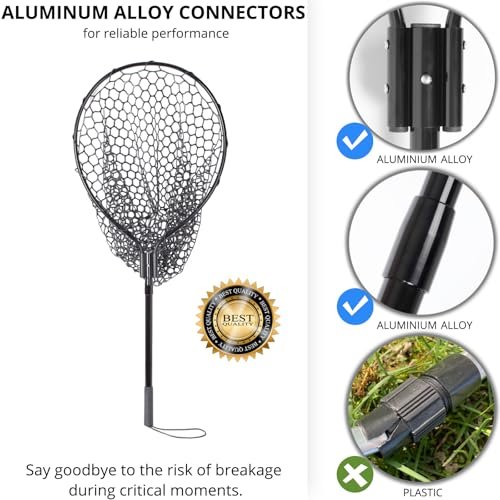
Find the best landing net for secure, hassle-free catches. Compare top features, sizes, and materials to choose the right net for your fishing needs.
Best Ice Fishing Shelter: Top Picks For Warmth
Find the best ice fishing shelter for warmth, comfort, and easy setup. Compare top options and choose the perfect shelter for your next trip.
Best Fishing Kayak: Top Picks For Every Angler
Find the best fishing kayak for stability, comfort, storage, and performance. Compare top picks to choose the perfect kayak for your next adventure.
Best Fishing Backpack: Top Picks For Anglers
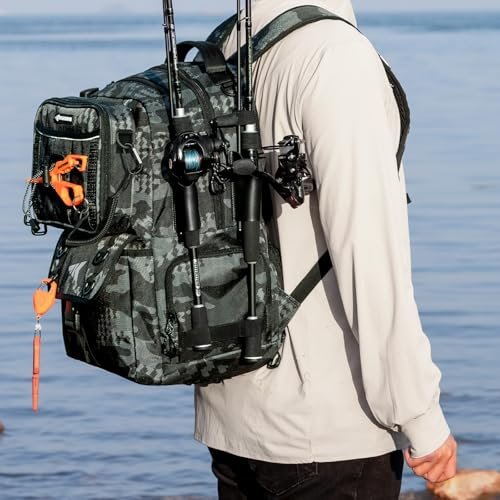
Find the best fishing backpack for comfort, storage, and durability. Compare top picks to carry tackle and gear on every fishing trip.
Best Baitcasting Reel: Top Picks For Every Angler
Find the Best Baitcasting Reel for smooth casts, powerful drag, and reliable performance. Compare top picks and choose your perfect fishing reel.