Best Baitcasting Reel: Top Picks For Every Angler
The best baitcasting reel offers smooth casting, strong drag, easy control, and lasting value for serious anglers.
You know the feeling: a promising cast turns into a bird’s nest, or a hard-fighting bass exposes every weakness in your reel. The right baitcaster can make that struggle much easier. I look for clean spool control, a steady drag, useful gear speed, and a frame that feels solid without feeling heavy. In this guide, I review seven popular right-hand baitcasting reels for bass, freshwater, and general lure fishing. I also explain what matters before you buy, so you can choose with confidence rather than guesswork.

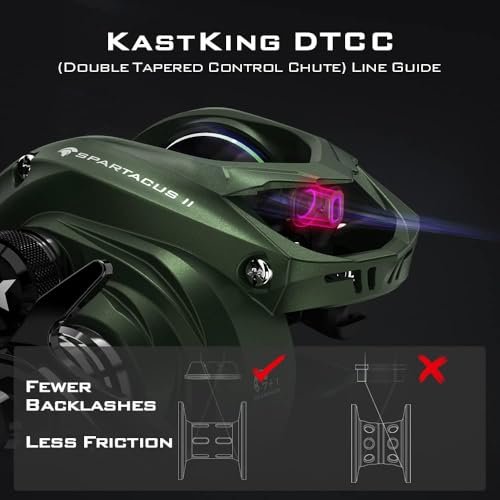
KastKing Spartacus II Baitcasting Reels,…
New Design – The totally new design KastKing Spartacus II baitcasting reel is a warrior! Spartacus II bait casting reels have dynamic features, an extremely sleek lower profile of only…
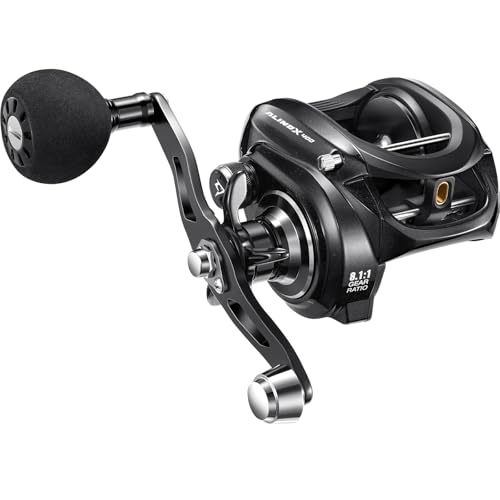
Piscifun Alinox 400 Baitcasting Reel,…
Catch the Biggest Fish with Ease: The Piscifun Alinox 400 baitcaster is built to handle the biggest freshwater fish and saltwater species. With 38lbs of max drag and Precision-machined, high-strength,…

KastKing Spartacus II Plus Baitcasting…
DualBalance Magnetic Braking System: The DualBalance Magnetic Braking System is engineered with evenly balanced magnetic engagement to stabilize the spool throughout the cast. This intelligent design delivers smoother, more controlled…
KastKing Spartacus II Baitcasting Reel

The KastKing Spartacus II has a bold Stryker Green finish and a 7.2:1 gear ratio. That speed suits many bass tactics, including spinnerbaits, swim jigs, Texas rigs, and topwater lures. I like this range because it retrieves slack fast without feeling too rushed for a newer baitcaster user. The right-hand layout is best for anglers who cast and retrieve with the same hand.
This reel also aims to balance useful power with an affordable price. Its low-profile shape should sit comfortably under the palm during long sessions. The braking system helps reduce spool overruns, but I still recommend adjusting the tension knob and brake before making a full-power cast. For anglers who want a colorful reel with practical all-around performance, this model deserves a close look.
Pros:
- Fast 7.2:1 retrieve works well for many bass lures
- Low-profile shape feels natural in the hand
- Bright Stryker Green finish adds easy visual appeal
- Useful choice for anglers building an affordable setup
- Quick line pickup helps remove slack after a strike
- Right-hand design suits traditional right-hand retrieves
Cons:
- Right-hand configuration does not suit left-handed retrieve users
- Bright color may not appeal to anglers who prefer a subtle look
- Beginners still need to tune the spool for each lure
My Recommendation
I recommend the Spartacus II to bass anglers who want a versatile, lively-looking reel without moving into premium pricing. It makes sense for a newer caster who needs a fast retrieve and simple control. I would pair it with medium-heavy power rods and lures that weigh enough to load the rod during a cast. As a candidate for the best baitcasting reel on a budget, it offers a strong mix of speed, style, and everyday use.
Piscifun Alinox 400 Baitcasting Reel

The Piscifun Alinox 400 uses a black right-hand body with an 8.1:1 gear ratio. That is a very fast retrieve for picking up line after a missed strike or burning a lure back to the boat. It can also help when a bass swims toward you and creates sudden slack. I see this type of speed as a good match for frogs, buzzbaits, swim jigs, and other moving presentations.
The Alinox 400 name suggests a larger frame than compact finesse baitcasters, so anglers should consider how it fits their palm. A larger reel can feel reassuring when you use heavier line or larger lures. Still, comfort matters more than a large number on a product label. Check the current listing for exact capacity, weight, bearing count, and hand orientation before ordering, since specifications can vary by version.
Pros:
- Very fast 8.1:1 retrieve quickly gathers loose line
- Black finish looks clean and works with many rod styles
- Good match for fast-moving bass presentations
- Larger 400-size format may suit heavier line and tackle
- Right-hand controls feel familiar to many conventional baitcaster users
- Useful option for anglers who value speed above all else
Cons:
- Fast gearing may feel less natural for slow, deep cranking
- Larger frame may not fit small hands as comfortably
- Right-hand retrieve limits its audience
My Recommendation
The Alinox 400 is best for experienced bass anglers who work fast lures and need rapid line recovery. I would choose it for shallow cover, reaction baits, and situations where a fish can charge toward the boat. It is less suited to someone seeking a tiny finesse reel or a slow crankbait setup. If high-speed control defines your idea of the best baitcasting reel, this Piscifun model is worth considering.
KastKing Spartacus II Plus Reel

The KastKing Spartacus II Plus features an 8.0:1 gear ratio and a right-hand retrieve. This speed makes it a practical tool for anglers who fish with surface lures, swim jigs, and soft plastics. The reel should help take up line quickly when you need to drive a hook home or keep a lure above weeds. Its low-profile baitcaster form also supports a direct, thumb-on-spool style of control.
In my experience, fast reels work best when matched with a rod and lure that fit the technique. A quick reel cannot replace a clean cast, a sharp hook, or a well-set drag. It can, however, make each new presentation faster and reduce wasted movement. Before fishing, I would spool it evenly, set moderate brake tension, and test it with the exact lure weight used on the water.
Pros:
- 8.0:1 gearing gives fast line recovery
- Works well for frogs, jigs, plastics, and topwater lures
- Low-profile design supports comfortable palm control
- Fast retrieve helps manage slack around cover
- Good fit for anglers who fish active, repeat casts
- Distinctive finish gives the setup a sporty appearance
Cons:
- Fast ratio is not ideal for every deep-diving crankbait
- Only the right-hand version appears in the supplied listing
- New users must learn proper brake and spool adjustment
My Recommendation
I would select the Spartacus II Plus for a bass angler who wants a fast, general-purpose reel for active lure work. It is especially helpful when fish hold near grass, wood, or docks and you need to move them away from cover. It may not be the first choice for slow presentations, but it provides the speed many modern bass techniques demand. That makes it a strong best baitcasting reel option for anglers who value quick control.
Sougayilang Digital Brake Baitcaster
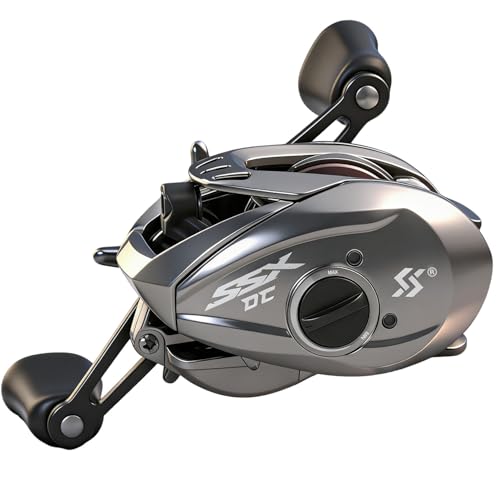
The Sougayilang baitcaster stands out because it lists digital anti-backlash control and a smart computer braking system. Its 7.2:1 gear ratio gives it a useful middle ground for bass fishing. The listed maximum drag is 18.5 pounds, though anglers should remember that a maximum rating does not tell the whole story about smoothness under load. This reel targets beginners and bass anglers who want extra help managing spool speed.
Digital braking can sound like a cure for every backlash, but no system removes the need for thumb control. Wind, lure shape, line size, and casting motion all affect spool speed. I would begin with a heavier practice lure, use a short cast, and increase distance as confidence grows. For a new baitcaster user, that gentle learning path can turn a frustrating setup into a useful fishing tool.
Pros:
- Digital anti-backlash control may aid new baitcaster users
- Smart braking design offers a modern approach to spool control
- 7.2:1 ratio suits a wide range of bass techniques
- Listed 18.5-pound maximum drag supports strong fish
- Beginner-focused design can shorten the learning curve
- Fast line pickup helps after a fish changes direction
Cons:
- Electronic features may require careful reading of the instructions
- Digital control does not prevent every backlash
- Exact battery or power details should be checked before purchase
My Recommendation
This Sougayilang reel is best for beginners who feel nervous about learning a baitcaster. The digital brake concept may provide a useful safety net while you build thumb skill. I still advise practicing in an open area and tuning the reel for each lure. Among options marketed as the best baitcasting reel for beginners, this one is appealing because it focuses directly on backlash control rather than relying only on mechanical settings.
Piscifun Chaos XS Round Baitcaster

The Piscifun Chaos XS takes a different path with a round body and a blue 50 right-hand format. Round reels often appeal to anglers who like a classic look and a more open line-capacity profile. This design can feel at home on heavier rods used for catfish, pike, inshore work, or large freshwater lures. It also gives the setup a distinct character compared with the many low-profile reels on the market.
A round baitcaster can feel larger in the hand, so I would pay close attention to balance. The reel should sit comfortably on the rod, and the handle should turn without rough spots or excess play. Because the supplied title does not state every technical detail, confirm the current Amazon listing for gear ratio, drag, capacity, and weight. That check matters when you plan to fish heavy line or target powerful species.
Pros:
- Classic round body offers a different feel from low-profile reels
- Blue finish adds clear visual identity
- 50-size format may suit larger line and bigger lures
- Useful for anglers who want a versatile heavy-duty style
- Round spool design can appeal to traditional reel users
- Good option for freshwater species beyond small bass
Cons:
- Round frame may feel bulky for small hands
- Usually less palmable than a compact low-profile reel
- Buyers should verify current specifications before matching line
My Recommendation
I recommend the Chaos XS to anglers who prefer round reels or need a more substantial platform for larger lures. It can suit catfish, pike, and heavier bass work better than a tiny finesse reel. I would not choose it for all-day light-tackle casting if compact comfort is your top need. Still, it may be the best baitcasting reel style for anglers who value classic form, added capacity, and a sturdy feel.
KastKing Royale Legend Pro Reel

The KastKing Royale Legend Pro lists an 8.0:1 gear ratio and a right-hand retrieve. It is built for anglers who want fast line pickup in a familiar low-profile package. That speed can help with Texas rigs, jigs, frogs, and moving baits when a fish strikes close to cover. The reel’s styling also gives it a polished look for anglers who care about how a complete rod-and-reel setup comes together.
Fast baitcasters reward good habits. I keep my thumb light during the cast, watch the spool as the lure flies, and press down just before the lure lands. This simple timing prevents many overruns and protects the line from unnecessary tangles. The Royale Legend Pro should be judged as part of a full system, since rod action, lure weight, line type, and wind all affect the final result.
Pros:
- 8.0:1 ratio provides quick lure retrieval
- Good match for high-speed bass presentations
- Low-profile body supports a natural grip
- Fast gear speed helps anglers control slack line
- Clean styling fits many modern bass rods
- Useful choice for repeated casting and active lure work
Cons:
- Fast gearing may not suit slow-rolling techniques
- Right-hand-only listing limits hand preference
- Brake settings still need tuning in strong wind
My Recommendation
The Royale Legend Pro fits bass anglers who want a fast reel for regular tournament-style techniques or weekend trips. I like it most for users who already understand basic baitcaster adjustments and want quick line control. It is not a specialized deep-cranking reel, but it can cover many popular bass methods. For a fast, practical setup, it deserves a place in any best baitcasting reel comparison.
Piscifun Torrent Baitcasting Reel

The Piscifun Torrent is a long-running affordable baitcaster with a 7.1:1 gear ratio and listed 18-pound carbon fiber drag. That combination gives it a useful balance for bass anglers who want speed without an extreme high-speed retrieve. Carbon fiber drag washers can provide strong pressure, but smooth performance depends on proper setup, clean parts, and regular care. The right-handed design suits anglers who prefer that traditional layout.
I see the Torrent as a practical entry point for someone who wants to learn baitcasting without spending heavily at the start. It should handle common bass lines and lure sizes when matched to a suitable rod. Like any low-cost reel, it benefits from a careful first inspection, even line winding, and light maintenance after use. If the spool feels rough or the drag starts unevenly, service it before the next serious trip.
Pros:
- 7.1:1 ratio offers useful all-around speed
- Listed 18-pound carbon fiber drag supports strong hook sets
- Affordable format suits new baitcaster anglers
- Good match for common bass lures and line sizes
- Right-hand layout feels familiar to many users
- Simple design makes it a practical learning reel
Cons:
- Right-hand retrieve does not fit every angler
- Budget construction may need more care than premium reels
- Not the best choice for very light finesse lures
My Recommendation
The Torrent is best for beginners, occasional anglers, and anyone building a first baitcasting combo on a strict budget. It gives you the core baitcaster experience without forcing a large first investment. I would use it for bass, pike, and general freshwater lure fishing rather than extreme saltwater duty. If value matters most, this Piscifun model may be the best baitcasting reel for learning the basics.
How to Choose the Best Baitcasting Reel
Choosing a baitcaster is easier when you focus on the parts that affect real fishing. A reel can look impressive in a product photo yet feel wrong after six hours on the water. I judge every model by control, comfort, retrieve speed, drag behavior, spool capacity, and service needs. These factors matter more than a flashy color or a long list of parts.
Gear Ratio and Retrieve Speed
The gear ratio tells you how many times the spool turns with one turn of the handle. A 7.1:1 or 7.2:1 reel gives balanced speed for many bass techniques. An 8.0:1 or 8.1:1 reel picks up line faster, which helps with frogs, jigs, and fish that run toward you. Lower ratios often feel better for slow crankbaits because they provide more winding power.
Do not assume the fastest reel is always the best baitcasting reel. Speed without control can make a lure move too quickly. Think about your main technique first, then choose the ratio that supports it.
Braking and Spool Control
Baitcasters use magnetic, centrifugal, digital, or mixed brake systems to control spool rotation. The brake slows the spool during the cast and helps limit backlash. A tension knob sets side-to-side spool play and should not act as the main brake. I set the spool so the lure drops smoothly, then adjust the brake until the cast feels controlled.
Digital systems may help beginners, but practice still matters. Wind changes the cast, and a low, flat lure behaves differently from a tall crankbait. No brake can replace a trained thumb.
Drag Strength and Smoothness
Drag strength shows how much resistance the reel can apply before line slips. A high number looks useful, but smooth startup is just as important. A fish should pull line without sudden jerks that damage light line or tear a hook free. For most bass fishing, a well-set drag with steady pressure matters more than chasing the largest rating.
Carbon fiber washers often appear in affordable and premium reels. Keep the drag clean, avoid over-tightening it during storage, and follow the maker’s care instructions. If you fish saltwater, rinse the outside with fresh water and dry it fully.
Frame, Weight, and Palm Comfort
A reel should feel like part of the rod, not a weight hanging below it. Low-profile models often palm well during repeated casts. Round models may offer a classic grip and more capacity but can feel larger. I hold the reel with my fingers around the trigger area and check whether I can reach the thumb bar and tension knob without shifting my hand.
Weight also affects fatigue. A lighter reel can feel pleasant during a full day, yet an ultra-light frame may not be the best match for heavy lures. Balance the complete combo rather than judging the reel alone.
Line Capacity
Line capacity matters when you fish deep water, throw large lures, or target powerful fish. A standard bass setup rarely needs extreme capacity, but thick fluorocarbon and heavy braid take up space quickly. The reel listing should show capacity for line diameter or pound test. Always match the spool to your line plan before buying.
Fill the spool close to the recommended level, but do not overfill it. Too much line can increase overruns and reduce control. Too little line can reduce casting distance.
Handle, Knobs, and Thumb Bar
The handle should turn smoothly and give you enough leverage for the lure style. Larger knobs help when you fish heavy cover or wear gloves. A thumb bar should engage with a clear, positive click. If it feels loose or sticks, stop using the reel until you inspect it.
Small comfort details become large after hundreds of casts. I prefer controls that I can operate by feel while keeping my eyes on the lure and water.
Right-Hand and Left-Hand Retrieve
The supplied products use right-hand retrieves. With a right-hand baitcaster, the right hand turns the handle. Many anglers cast with the right hand, then move the reel to the left hand before retrieving. Others prefer to keep the rod in the right hand and use a left-hand reel.
Neither choice is wrong. Pick the hand that keeps your rod control steady and reduces unnecessary switching. Check this detail carefully because hand orientation is one of the most common online buying mistakes.
Freshwater and Saltwater Use
Most reels in this guide are best viewed as freshwater baitcasters unless the manufacturer clearly states saltwater protection. Saltwater can attack bearings, screws, and drag parts very quickly. If you use one near the coast, rinse it gently with fresh water, never blast it with a high-pressure stream, and let it dry before storage.
For regular saltwater use, choose a reel with sealed or corrosion-resistant components and follow the service schedule. A freshwater reel can work near salt, but it needs extra care.
How I Test a Baitcasting Reel
I start with the reel mounted on a rod that matches its likely purpose. I check side-plate fit, handle play, thumb-bar action, tension adjustment, and drag startup. Then I spool the reel with the line type and weight that an angler would realistically use. This helps reveal problems that a quick hand spin can hide.
Next, I cast several lure weights in calm conditions. I use short casts first, then longer casts, while changing brake settings one step at a time. I watch for rough spool rotation, uneven line lay, and backlash at the end of the cast. After that, I test the drag under steady pressure rather than judging it from the printed maximum alone.
I also consider daily comfort. A reel that casts far but cramps the hand is not a good long-session tool. The best baitcasting reel should help you fish more, think less about equipment, and react quickly when a fish strikes.
Best Uses for These Baitcasting Reels
| Best for | Why |
|---|---|
| Beginner bass anglers | The Sougayilang digital brake and Piscifun Torrent offer approachable control and value. |
| Fast bass techniques | The Alinox 400, Spartacus II Plus, and Royale Legend Pro recover line quickly. |
| Heavier lures and classic reel fans | The round Piscifun Chaos XS provides a larger, traditional baitcaster format. |
Tips for Better Baitcaster Performance
Use the Right Lure Weight
Baitcasters work best when the lure loads the rod during the cast. Very light lures may not pull line from the spool fast enough, especially for a beginner. Start with a lure that fits the rod’s stated range. As your thumb control improves, you can test lighter presentations.
Set the Spool Correctly
Hold the rod level and press the thumb bar. Turn the tension knob until the spool has little side play. Then loosen it until the lure drops at a steady rate. Use the brake to control the cast, not excessive tension. Too much tension can make the reel feel dull and reduce distance.
Keep Your Thumb Light
Your thumb is the final safety system. Rest it lightly on the spool during the cast. As the lure slows, add gentle pressure. Press down just before the lure touches the water. This small action prevents many backlashes and becomes automatic with practice.
Match Line to the Technique
Monofilament is forgiving and often works well for practice. Fluorocarbon can provide low visibility and abrasion resistance, but it may be less forgiving when badly overrun. Braid is strong and casts well, yet it can dig into the spool if you apply heavy pressure with a loose line layer. Use enough backing or tape to stop braid from slipping.
Clean the Reel After Fishing
Wipe the reel after each trip. Remove dirt from the level-wind area, handle, and thumb bar. Do not flood the reel with oil. Apply only the lubricant recommended for the correct part. Too much oil can attract grit and slow the spool.
Store the Drag Loose
Back off the drag when you store the reel. This reduces long-term compression on the drag washers. Store the reel in a dry place, away from direct heat. Small care steps can help an affordable reel last far beyond its price class.
Common Baitcasting Mistakes
The first mistake is buying a fast reel for a slow technique. An 8.1:1 gear ratio feels exciting, but a deep crankbait may work better with slower gearing. The second mistake is filling the spool too high. A full spool can cast well, but one bad adjustment can create a larger tangle.
Another mistake is using the same brake setting for every lure. A heavy jig, light weightless worm, and tall crankbait each create different air resistance. Tune the reel when you change lure type. Finally, many anglers blame the reel for poor line choice or an unsuitable rod. A balanced combo solves more problems than a single expensive component.
FAQs Of Best Baitcasting Reel
What is the best baitcasting reel for beginners?
The Sougayilang model is a strong beginner option because its digital anti-backlash system focuses on spool control. The Piscifun Torrent also offers a simple, affordable way to learn. Beginners should still practice with moderate lure weights and short casts.
What gear ratio is best for bass fishing?
A 7.1:1 or 7.2:1 ratio is a useful all-around choice. It gives good line pickup for many bass techniques without feeling extreme. Choose 8.0:1 or faster when you mainly fish frogs, jigs, or other fast presentations.
Are baitcasting reels better than spinning reels?
Neither is always better. Baitcasters offer strong accuracy, direct control, and good power with heavier lures. Spinning reels usually handle light lures and beginner casting with less effort. The best choice depends on your lure, line, target fish, and skill.
How do I stop backlash on a baitcaster?
Set the spool tension correctly, increase the brake, use a suitable lure, and keep light thumb pressure on the spool. Begin with short casts. Reduce brake control only after the spool stays stable.
Can these reels be used in saltwater?
Check the current product details before using any of them in saltwater. Unless the maker confirms corrosion protection, treat them as freshwater reels. If you do fish near salt, rinse gently with fresh water, dry the reel, and maintain it often.
Final Verdict: Which Should You Buy?
For most bass anglers, I would choose the KastKing Spartacus II Plus for its fast 8.0:1 retrieve and broad lure use. Beginners may prefer the Sougayilang digital-brake model, while heavy-tackle users may like the Piscifun Chaos XS.
The best baitcasting reel is the one that matches your hand, lure, line, and fishing style. Compare current specs and price before ordering, then practice your setup for smoother, longer casts.