
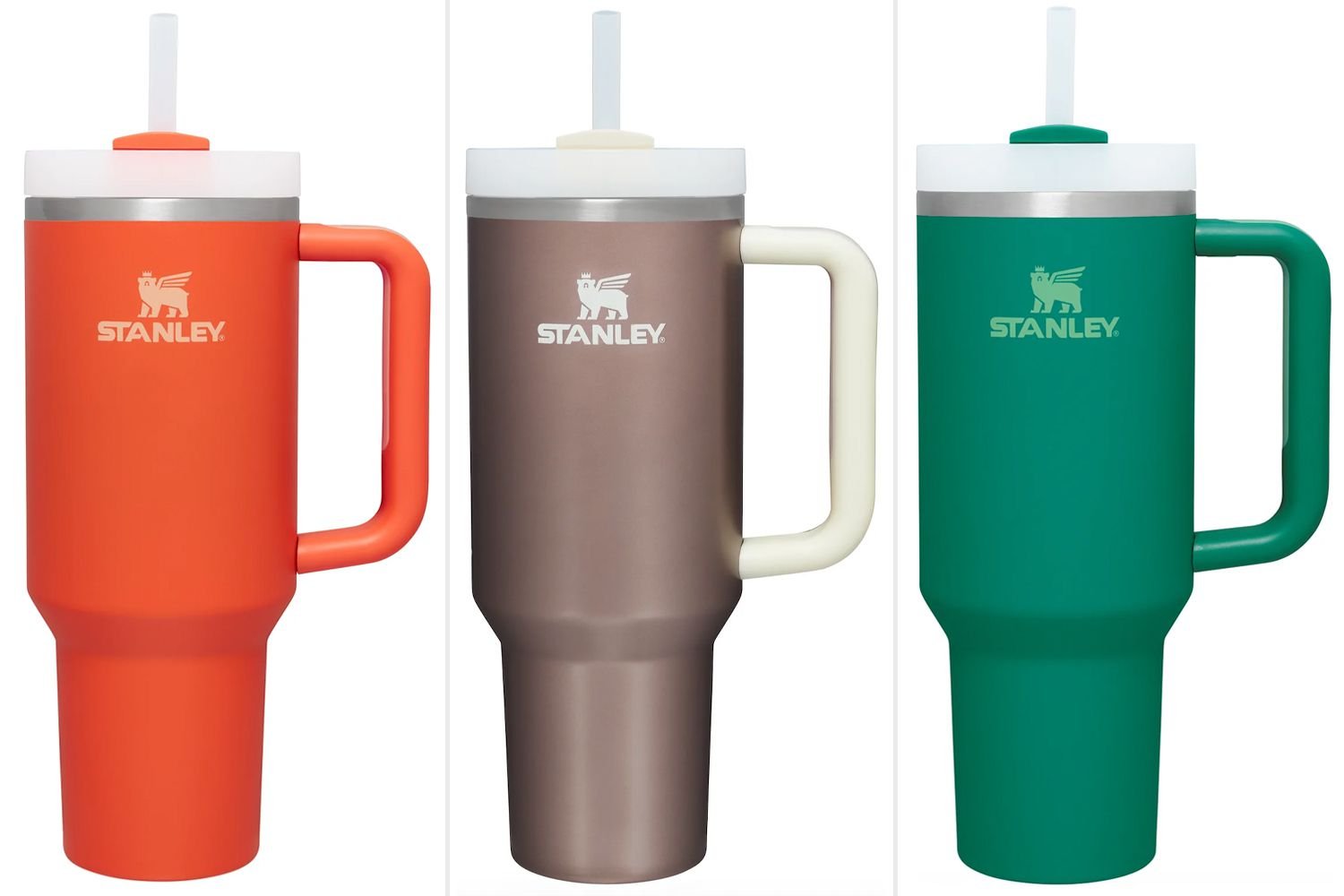
Stanley Worth It?: Honest Value And Performance
Stanley is worth it for many people, but only if you value durability, insulation, and daily convenience.
If you are trying to decide whether Stanley is worth it, you are probably looking for more than hype. You want to know if the cups, tumblers, and bottles actually hold up in real life, if they keep drinks cold or hot for long enough, and if the price makes sense. I have tested enough drinkware over the years to know that the answer is not the same for everyone, so let’s break down Stanley Worth It? in a clear, practical way.

What Stanley Is and Why People Care So Much
Stanley is a drinkware and outdoor gear brand best known for its insulated tumblers, bottles, and classic thermoses. The modern popularity boom came from the Stanley Quencher, which turned an old-school brand into a daily carry favorite for commuters, gym-goers, parents, and office workers.
What makes Stanley stand out is the mix of function and brand appeal. People like the large size, the sturdy feel, the easy-to-use lid, and the promise that ice can last for hours. In a market full of cheap cups, Stanley feels like a tool you can trust.
From my own experience, the first thing I noticed with Stanley products was the weight. They feel solid in the hand, almost like they were built for routine use instead of trendy shelf display. That matters more than people think, because a cup you use every day needs to survive drops, desk life, car rides, and constant washing.
Is Stanley Worth It for Most Buyers?
For many buyers, Stanley is worth it if you will use it often and want a reliable insulated cup. The value is strongest for people who drink water all day, commute, work long shifts, or want one reusable cup that can handle daily wear.
Stanley is not the cheapest option, and that is the main reason some people hesitate. But when a product lasts longer, insulates better, and feels easier to use, the higher price can make sense over time. It is a bit like buying a good pair of shoes instead of replacing flimsy ones every few months.
Here is the simplest way to think about it:
- Worth it if you want long ice retention, strong build quality, and daily comfort
- Worth it if you use a tumbler enough to justify the cost
- Worth it if you prefer a brand with a known track record
- Not worth it if you only need an occasional cup or want the lowest price possible
In other words, Stanley Worth It? really depends on how often the product will earn its keep.
What Makes Stanley Products Different
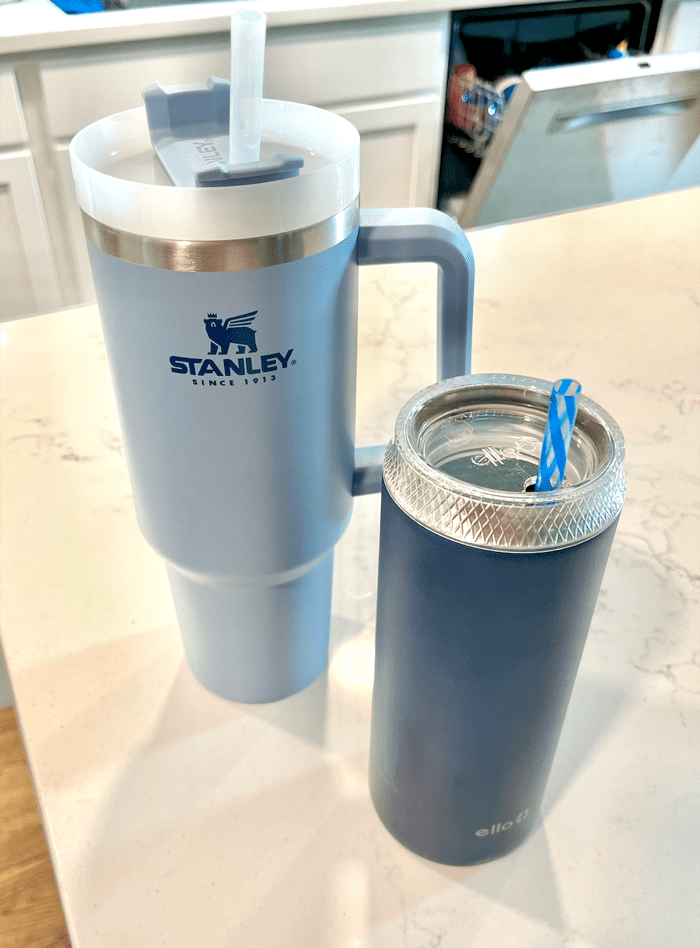
Stanley products stand out because they combine insulation, durability, and user-friendly design. Many users choose them because they feel practical, not fragile. That is a big deal for people who are tired of cups that sweat, leak, or stop holding temperature too soon.
Some of the main strengths include:
- Double-wall vacuum insulation that helps keep drinks cold or hot for hours
- Durable stainless steel construction that resists daily damage
- Large capacity options for people who want fewer refills
- Comfortable handles and lids that make them easy to carry
- A wide range of colors and styles that fit different tastes
The brand also benefits from strong recognition. When a product becomes part of daily habits, people notice small details fast. For example, a lid that closes cleanly or a tumbler that fits in a car cup holder can matter more than fancy marketing ever could.
Real-World Performance: Hot and Cold Retention
The biggest reason people ask Stanley Worth It? is temperature control. In real use, Stanley products are known for doing well with cold drinks, especially water and iced beverages. Hot retention is also solid, though performance can vary depending on the specific product and how often the lid is opened.
In testing and everyday use, a few patterns are clear:
- Cold drinks usually stay cold for a very long time, especially with ice
- Hot drinks can stay warm for hours, but not every Stanley item is equally suited for coffee on the go
- Frequent opening reduces performance, which is true for almost all insulated drinkware
- Pre-chilling or pre-heating the cup can improve results
One mistake I see people make is expecting perfect performance no matter how they use it. If you keep opening the lid every few minutes, any insulated cup will lose temperature faster. Stanley performs best when used the way it was designed: as a dependable daily container, not a magic thermos.
Build Quality and Durability
Stanley is often worth it because the build quality is better than many budget alternatives. The stainless steel body feels sturdy, and the finish usually holds up well with normal use. While no product is indestructible, Stanley tends to handle daily bumps better than cheaper cups.
Durability is one of those things you appreciate over time. A cup that looks fine on day one but chips, dents, or leaks later is not really a bargain. Stanley’s reputation comes from consistency, which is why so many people keep buying it after their first one.
Still, there are limits:
- The outside finish can scratch with heavy use
- Dents can happen if the cup is dropped hard
- Lids and seals need regular cleaning to stay in good shape
- Some accessories may not last as long as the cup itself
My advice is simple: treat it like a long-term tool, not a disposable item. That mindset helps you get your money’s worth.
Design, Size, and Everyday Convenience
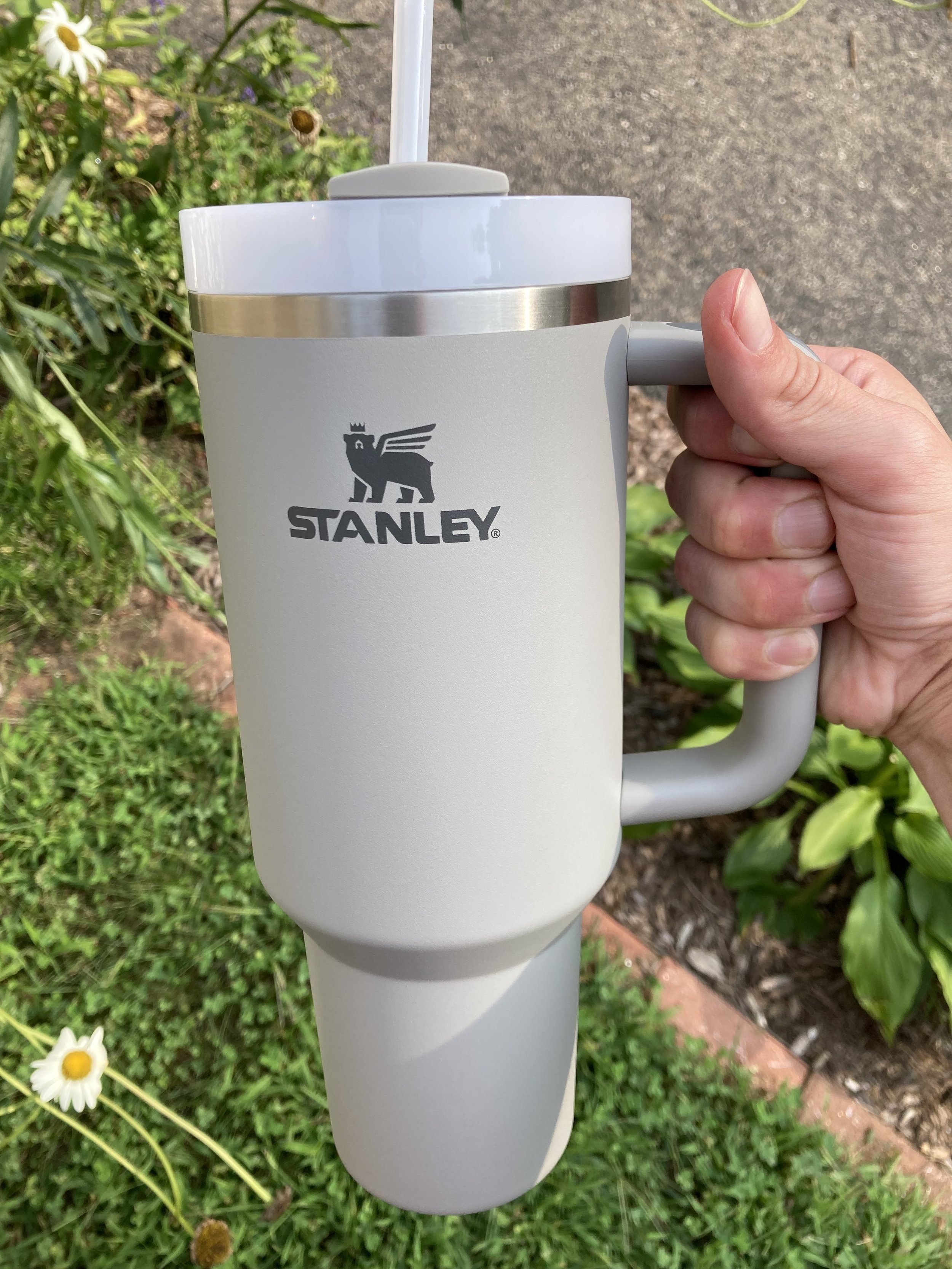
Stanley’s design is a major part of its appeal. The wide handle, large capacity, and stable base make it easy to use at a desk, in a car, or at home. For many people, the shape is what turns it from just another cup into a daily habit.
The larger size is both a strength and a drawback. It is great if you want to drink more water without constant refills. But if you prefer something light, compact, and easy to toss in a small bag, Stanley may feel bulky.
Here’s a quick breakdown:
- Good for home, office, gym, and road trips
- Less ideal for tiny bags or people who want a very slim bottle
- Great for users who like a handle
- Not always the best pick if portability is your top priority
This is where Stanley Worth It? becomes very personal. For some, the size feels perfect. For others, it feels like carrying a small brick of hydration.
Price vs Value: Is Stanley Overpriced?
Stanley is not cheap, but overpriced and worth it are not the same thing. A product is overpriced only if the quality and usefulness do not match the cost. With Stanley, many buyers feel the price is justified because of the durability, insulation, and everyday convenience.
The real question is how you use it. If you drink from it every day, the cost can spread out nicely over time. If it sits in a cabinet most of the week, then it becomes a pricey impulse buy.
A useful way to judge value is to ask:
- How often will I use it?
- Will it replace multiple cheaper cups?
- Do I care about insulation and build quality?
- Am I buying it for function, style, or both?
If the answer to most of those leans yes, Stanley probably is worth it. If not, a lower-cost alternative may serve you just fine.
Who Stanley Is Best For
Stanley fits some users better than others. The brand is strongest for people who want dependable drinkware for daily routines.
Stanley is a strong fit for:
- Office workers who sip water through the day
- Parents who need a big cup that stays cold
- Students who want fewer refills
- Commuters who use a cup in the car
- Gym users who want a sturdy bottle or tumbler
- Outdoor fans who like rugged gear
It may not be the best choice for:
- Minimalists who want the smallest possible cup
- People who only drink from reusable tumblers once in a while
- Buyers on a very tight budget
- Users who want ultra-light drinkware for travel
That balance is important. Stanley is a strong performer, but it is not a perfect fit for every lifestyle.
Common Problems and Limitations
No brand is flawless, and Stanley has a few common complaints. Some are minor, while others matter depending on how you plan to use the product.
The most common limitations include:
- Size can feel too large for some users
- Lids and straws need frequent cleaning
- The cup may not fit every bag, cup holder, or shelf
- The popularity can make some styles harder to find
- The premium price can feel steep if you only need basic drinkware
I also think it is important to be honest about trends. A lot of people buy Stanley because it is popular, not because they truly need it. That is fine, but if you are only chasing the look, you may not feel the value later.
How to Get the Most Value from Stanley
If you decide to buy Stanley, a few simple habits can help you get more out of it. Small care steps can make a big difference in performance and lifespan.
Try these tips:
- Pre-chill the cup before adding cold drinks
- Pre-warm it before pouring hot drinks
- Wash the lid and straw regularly
- Avoid harsh scrubbing that can damage the finish
- Use the right size for your routine, not just for trend appeal
One lesson I learned the hard way is that the wrong size can ruin the experience. I once chose a bigger tumbler just because it looked nice, but it was awkward for my bag and desk setup. After that, I started choosing based on daily use first and style second, and that made a big difference.
Stanley vs Cheaper Alternatives
If you are comparing Stanley to cheaper alternatives, the main difference usually comes down to consistency. Budget brands may look similar, but they often fall short in insulation, lid quality, or long-term durability.
Here is the tradeoff:
- Stanley usually gives better build quality and stronger trust
- Cheaper cups may save money upfront
- Some low-cost options work well at first but wear out faster
- Premium rivals may offer similar performance, but often at a similar or higher price
So, Stanley Worth It? can also mean asking whether you want to pay more once or pay less many times. That is often the real decision behind the purchase.
Frequently Asked Questions of Stanley Worth It?
Is Stanley worth it for everyday use?
Yes, Stanley is worth it for everyday use if you want a cup that feels sturdy and keeps drinks cold or hot for long periods. It is especially useful for people who drink water throughout the day and want fewer refills.
Do Stanley cups really keep ice longer?
Yes, Stanley cups are known for strong cold retention, especially when filled properly with ice. Actual results depend on room temperature, how often you open the lid, and the specific product model.
Is Stanley worth it compared to cheaper brands?
Stanley is often worth it if you care about durability, insulation, and consistent quality. Cheaper brands can work, but they may not last as long or perform as well over time.
Are Stanley tumblers good for hot drinks?
Yes, many Stanley tumblers work well for hot drinks, but they are usually loved most for cold beverages. If you plan to use it mainly for coffee or tea, check the product style and lid design first.
How long does a Stanley last?
A Stanley can last for years if you care for it properly. The body is built to handle regular use, but lids, seals, and finishes need normal cleaning and light maintenance.
Conclusion
Stanley Worth It? For many people, yes. The brand delivers strong insulation, good durability, and daily convenience that can easily justify the price if you use it often. It is especially appealing for people who want one dependable tumbler or bottle they can reach for every day.
The smartest way to decide is to think about your real routine, not the hype. If Stanley fits your habits, it can be a solid buy that pays off over time. If you are still unsure, compare sizes, features, and prices before you commit, then choose the option that truly matches how you live.