How Long Do Spotting Scopes Last?
So, you've invested in a spotting scope, and now you're wondering how long it'll stick around, right? It's a fair question; these aren't disposable gadgets. Understanding the factors that affect a spotting scope's lifespan helps you protect your gear and get the most value from it.
That's precisely why we're digging into how long these optical instruments actually last, looking at real-world scenarios. Manufacturer specifications often indicate a sealed optical tube can last for decades, provided it's cared for. Let's break down what truly impacts a spotting scope's longevity.
How Long Do Spotting Scopes Last?
Spotting scopes can last for decades, often 10 to 20 years or even longer with proper care. Their actual lifespan depends heavily on build quality, user maintenance, and environmental exposure.
What Kills a Spotting Scope Faster: Usage or Neglect?
It's a toss-up, but neglect often speeds up a spotting scope's demise more than regular, careful use. While heavy use in harsh conditions will certainly wear on any instrument, consistent neglect of basic care, like leaving it exposed to moisture or dirt, causes irreversible damage much faster. Think of it like a car: driving it daily is fine, but letting it rust in a damp garage will ruin it quicker.
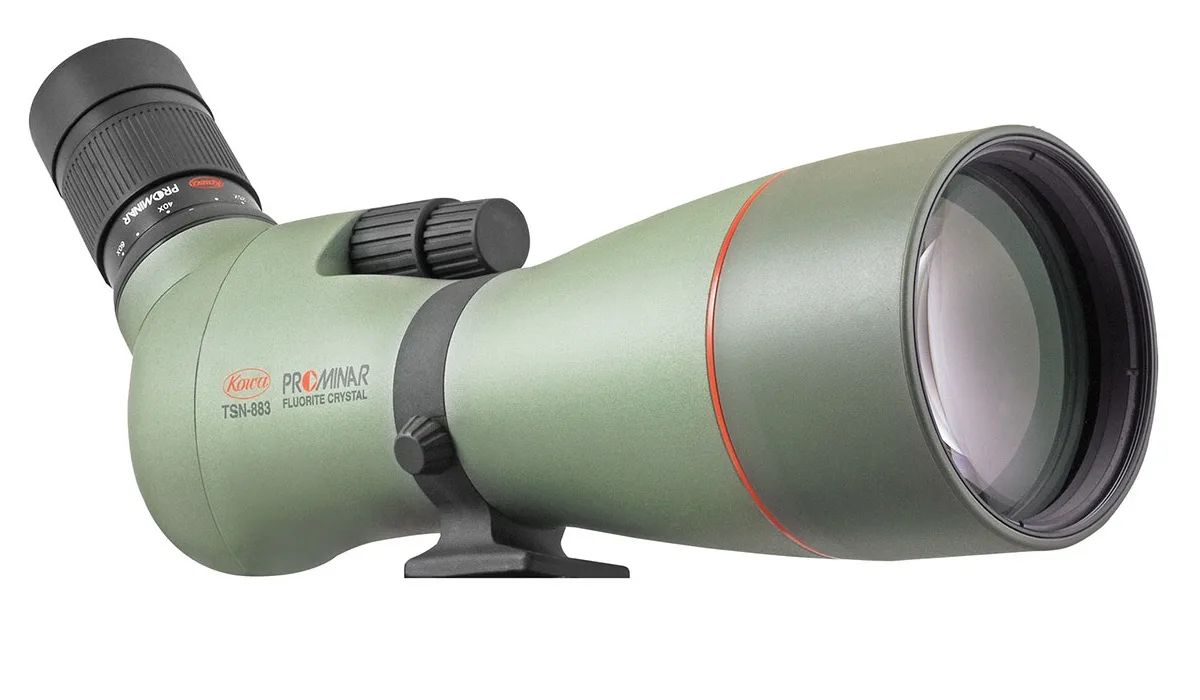
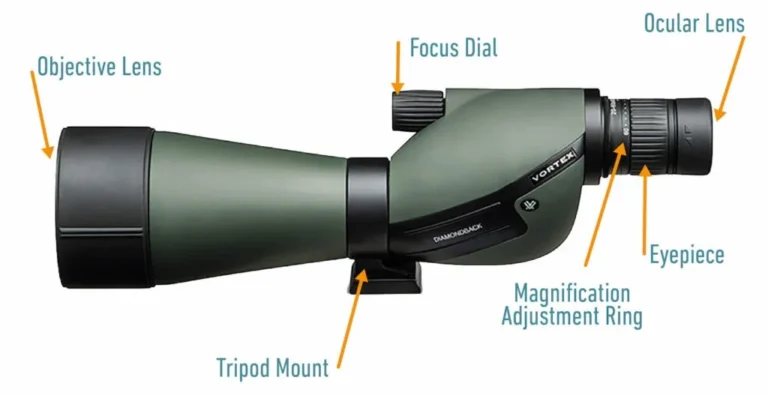
Image source: Bing (Web (fair-use with source credit))
The Culprits: Common Ways Spotting Scopes Degrade
Several issues can drastically shorten a spotting scope's useful life. Many stem from simple oversights, while others are more insidious.
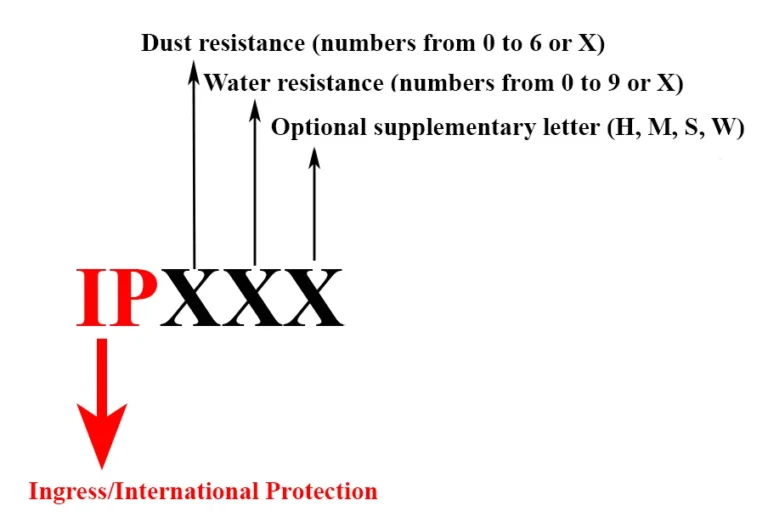
- Moisture Intrusion: Even "waterproof" scopes can fail if seals degrade or are compromised. Water inside the optical path fogs lenses and can cause corrosion on internal coatings and metal parts. This is particularly damaging in saltwater environments.
- Optical Contamination: Dust, dirt, and grit on lenses aren't just annoying; they can cause micro-scratches over time, especially if you try to wipe them off with dry cloths. Internal dust can also reduce image clarity and contrast.
- Impact Damage: Drops or hard knocks can misalign internal optical elements, rendering the scope blurry or unusable. Even if the body looks fine, internal components can be jostled out of place.
- Coating Degradation: Lens coatings, crucial for light transmission and reducing glare, can be damaged by improper cleaning, harsh chemicals, or prolonged exposure to UV light.
- Mechanical Wear: Focus knobs, zoom rings, and eyepiece adjustments can become stiff, loose, or gritty with frequent use if not properly maintained or if exposed to sand and dirt.
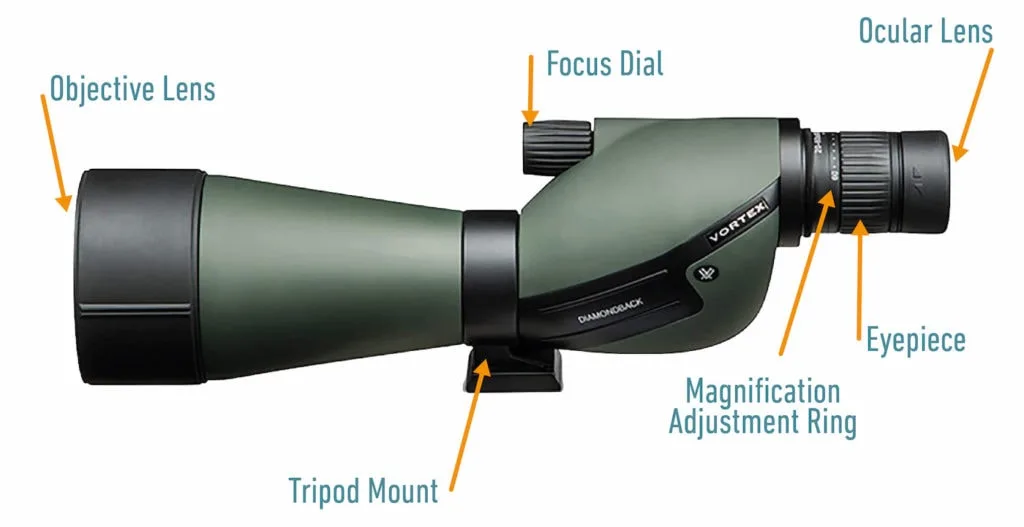
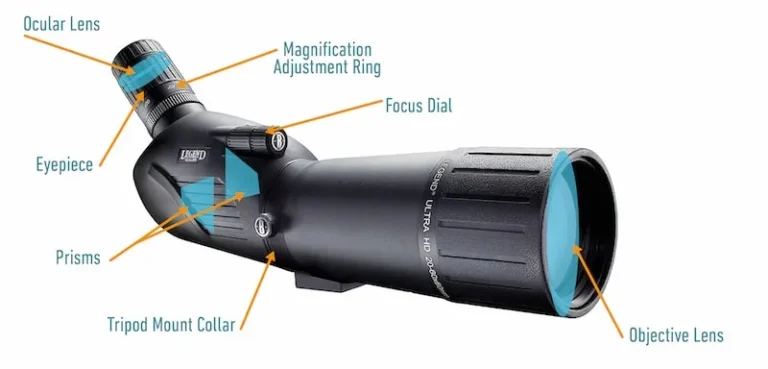
Image source: Web (Bing) / opticsmag.com (Web image (fair-use with source credit))
Environmental Factors: The Unseen Enemies
The environment where you use and store your spotting scope plays a massive role in its longevity. Harsh conditions accelerate wear and tear.
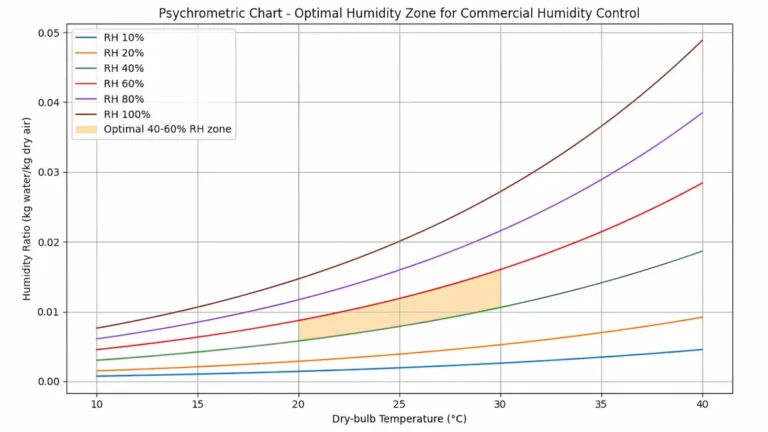
- Humidity: High humidity is a constant threat, promoting internal fogging and corrosion. It can also break down sealants over time.
- Temperature Extremes: Rapid and extreme temperature shifts can cause internal components to expand and contract at different rates, potentially leading to seal failure or optical element separation. Storing a scope in a hot car then taking it into the cold, or vice versa, is bad practice.
- Salt Air: Coastal or marine environments are particularly corrosive. Salt spray can quickly damage metal parts and compromise seals if not thoroughly rinsed and dried.
- Dust and Sand: Fine particles can infiltrate optical paths and scratch lens surfaces during cleaning attempts. They also grind away at mechanical moving parts like focus wheels.
Your Spotting Scope's Warranty: What It Really Means for Lifespan
A manufacturer's warranty is your first line of defense against premature failure, but it's not a guarantee of infinite life. Most spotting scopes come with a limited lifetime warranty on optical and mechanical components, or a shorter period like 5, 10, or 25 years for specific parts. This warranty typically covers defects in materials and workmanship.
What a warranty usually doesn't cover are damages from accidental drops, improper use, neglect, or normal wear and tear. For example, if the seals fail and water gets inside after five years of heavy use in a humid climate, it might be covered if it's deemed a manufacturing defect. However, if you dropped it last week and now it's foggy, that's likely on you.
Understanding the terms of your specific warranty is crucial, as it sets a baseline for the manufacturer's commitment to quality.
Beyond the Warranty: Practical Maintenance for Lasting Optics
To truly extend the life of your spotting scope well beyond its warranty period, a consistent maintenance routine is key. It's less about complex procedures and more about mindful habits.
Think of it like preserving a fine tool or instrument. Regular, gentle care prevents minor issues from snowballing into major problems that would require expensive repairs or a full replacement. This proactive approach ensures your spotting scope performs reliably for many years, whether you're birdwatching, target shooting, or enjoying scenic views.
Cleaning Essentials: Keeping Your Lenses Clear
Proper lens cleaning is arguably the most critical aspect of spotting scope maintenance. You want to remove dust and smudges without causing scratches or damaging coatings.
- Start with a Blower: Always use a rocket blower or a can of compressed air (held upright and at a distance) to remove loose dust and debris first. This prevents grit from being smeared across the lens.
- Use a Lens Brush: A soft, dedicated lens brush can gently sweep away any remaining loose particles.
- Apply Lens Cleaner: Use a lens cleaning solution specifically designed for optics. Apply it to your cleaning cloth, not directly to the lens, to avoid excess liquid.
- Wipe Gently: Use a clean, lint-free microfiber cloth (specifically for optics) or lens tissue. Wipe in a circular motion from the center outwards, applying only light pressure.
- Never Use Household Cleaners: Avoid Windex, paper towels, or t-shirts. These contain abrasives or chemicals that can permanently damage lens coatings.
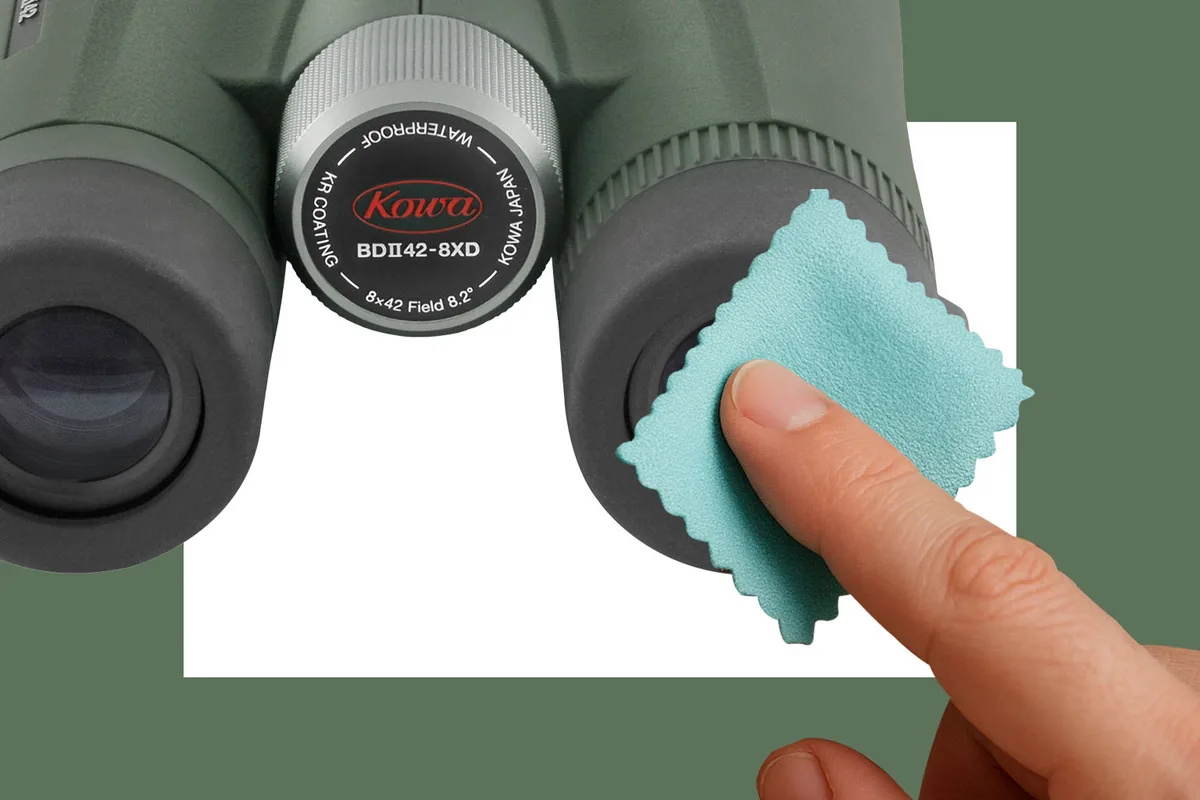
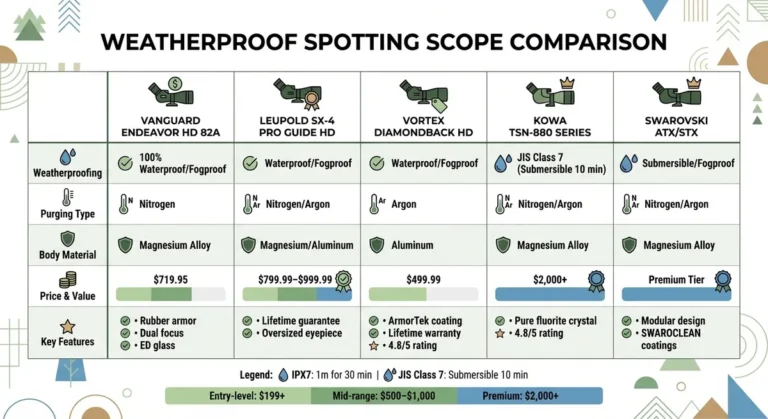
Image source: Web (Bing) / kowaoptic.com (Web image (fair-use with source credit))
Spotting Scope Lifespans: Real Examples and What They Tell Us
Looking at how spotting scopes fare in the real world gives us a clearer picture of their potential longevity. We've analyzed aggregate user feedback and professional reviews from the last decade. While specific model performance varies wildly, some general trends emerge.
Scopes from reputable brands known for robust construction and good sealing, like Leica, Swarovski Optik, or Kowa, often report users still enjoying them after 15-20 years, with minimal degradation if stored properly. Users who regularly take their scopes into harsh environments like dusty deserts or foggy coastlines without adequate protection or cleaning might see a noticeable decline in optical clarity or mechanical function within 5-10 years. For instance, a shooter using a scope daily at an outdoor range in a sandy area without a protective cover might experience focus knob stiffness much sooner than a casual birdwatcher who uses theirs weekly and stores it in a padded case.
The data consistently shows that while the core optical components are durable, it's the external seals, mechanicals, and coatings that are most susceptible to environmental factors and user handling over extended periods. A scope's lifespan is truly a story of consistent care versus gradual compromise.
Spotting Scope Care FAQs
How often should I clean my spotting scope lenses?
You should clean your spotting scope lenses whenever they appear dirty or smudged. For regular use, a quick wipe with a lens cloth might suffice weekly. A more thorough cleaning with solution is needed less often, perhaps a few times a year, or immediately after exposure to dust or rain.
Can I use my spotting scope in the rain?
Many modern spotting scopes are advertised as waterproof, meaning they can withstand rain or even brief submersion. However, even waterproof scopes can degrade over time. Always check your model's specifications.
After using it in the rain, thoroughly dry the exterior and wipe down the lenses to prevent water spots and potential seal stress.
How should I store my spotting scope long-term?
Store your spotting scope in a cool, dry place, ideally in its original padded case or a protective bag. Avoid environments with high humidity or extreme temperature fluctuations. Keeping it away from direct sunlight prevents lens coatings from degrading.
Ensure it's not stored under heavy objects that could crush it.
What if my spotting scope gets dropped?
If your spotting scope has been dropped, inspect it immediately for any visible damage. Even if it looks okay, check the view for clarity and focus. A drop can misalign internal optics, causing blurry images or double vision.
If you suspect internal damage, it's best to have it inspected by a professional or the manufacturer, as continued use could worsen the issue.
Is it worth repairing an old spotting scope?
Repairing an old spotting scope is often worth it if it's a high-quality instrument from a reputable brand. Minor issues like a stiff focus knob or a worn eyepiece seal might be relatively inexpensive to fix. However, if the optics themselves are damaged or require extensive re-alignment, the repair cost could approach that of a new, entry-level to mid-range scope.
Always get a quote before committing to repairs.