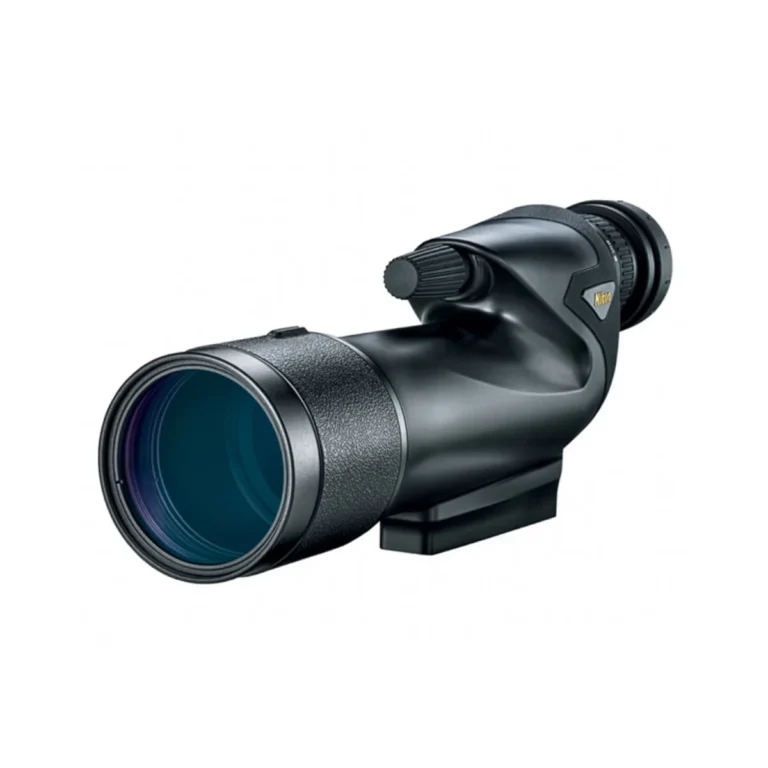
How to Clean a Spotting Scope Lens?
When smudges, dust, or fingerprints obscure your view, it’s not just an annoyance; it’s a direct hit to your spotting scope's performance. Learning how to clean a spotting scope lens properly is essential for maintaining sharp, clear images whether you're tracking wildlife or observing distant targets. Improper cleaning can lead to permanent scratches or damage to delicate lens coatings, degrading your view for good.
Our research shows that optical lens cleaning requires specific tools and techniques, much like caring for camera lenses, to preserve the integrity of multi-layer coatings designed to enhance light transmission. For instance, many spotting scope objective lenses feature anti-reflective coatings that can be easily compromised by abrasive materials or harsh chemicals, as confirmed by manufacturer specifications for optical instruments. Getting it right means a brighter, sharper image every time you look through your scope.
Why Keeping Your Spotting Scope Lens Clean Matters
The primary role of your spotting scope is to bring distant objects into sharp focus, revealing details you’d otherwise miss. When the lenses are dirty, this fundamental purpose is compromised. Dust, oil from fingerprints, and environmental debris scatter light, reducing contrast, dimming the image, and introducing distracting halos or fuzziness around bright objects.
For birdwatchers and hunters, this can mean mistaking a distant shape or missing a crucial detail. For target shooters, it can lead to misjudging distances or wind effects.
Seeing Clearly: The Impact of a Pristine Lens
A clean lens ensures optimal light transmission and clarity. Spotting scopes often use specialized coatings, like anti-reflective (AR) and hydrophobic layers, to improve image quality. AR coatings minimize light loss and glare, ensuring more light reaches your eye, which is crucial in low-light conditions such as dawn or dusk.
Hydrophobic coatings repel water and oil, making lenses easier to clean and preventing water spots. When these coatings are intact, your scope performs as intended, delivering crisp, vibrant, and high-contrast views. Neglecting cleaning can degrade these coatings, permanently impacting performance.
Essential Tools for Spotting Scope Lens Cleaning
You don't need a fancy arsenal to clean your spotting scope lens, but the right tools make all the difference. Using the wrong items can cause more harm than good, scratching delicate surfaces or leaving behind lint. Think of it like this: you wouldn't use sandpaper to polish a mirror.
The goal is to remove debris gently, not scrub it away.
What You'll Need: Beyond Just a Rag
Here’s a breakdown of what we recommend having on hand for safe and effective lens cleaning:
- Lens Blower: A small, rubber bulb that pushes air to dislodge loose dust and grit. This is your first line of defense and the safest way to remove particles before any wiping occurs.
- Soft Bristle Lens Brush: A specialized brush with very fine, soft bristles designed for optics. It can sweep away stubborn dust that the blower misses.
- Microfiber Lens Cleaning Cloths: These are specially woven to be lint-free and non-abrasive. Always use cloths specifically made for camera or optical lenses. Have at least two on hand, one for cleaning and one for drying or buffing.
- Optical Lens Cleaning Fluid: A fluid formulated specifically for coated lenses. Avoid general household cleaners, glass cleaners, or alcohol-based solutions not meant for optics, as they can damage coatings.
- Cotton Swabs (Optional, for edges): For cleaning the very edges where the lens meets the housing, though microfiber is usually sufficient.
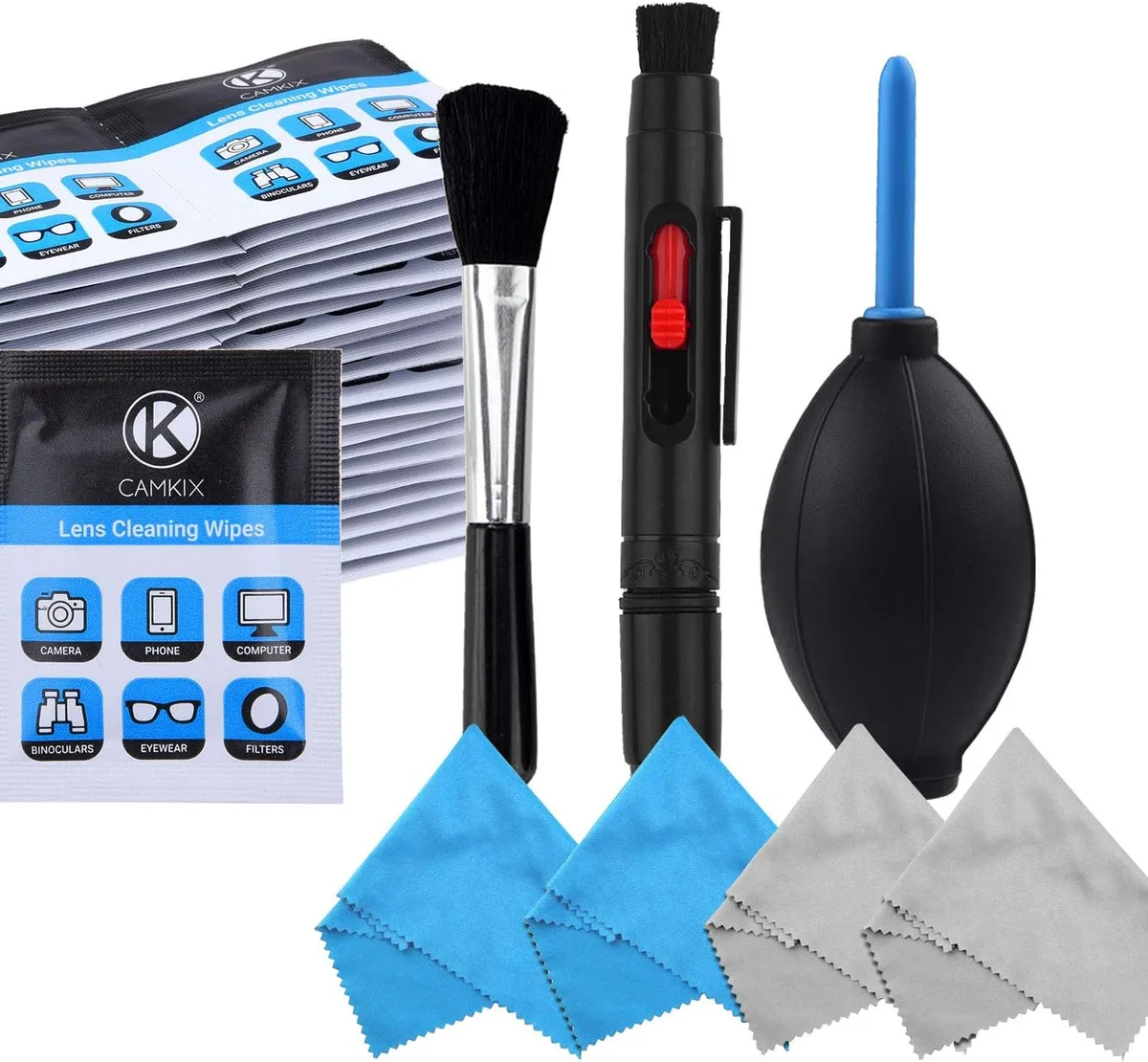
Image source: Web (Bing) / amazon.com (Web image (fair-use with source credit))
Image source: Web (Bing) / devu1b.customdev.solutions (Web image (fair-use with source credit))
Step-by-Step: How to Safely Clean Your Spotting Scope Lens
Cleaning your spotting scope lens might seem straightforward, but it’s a process that requires patience and precision. The key is to be gentle and methodical. Follow these steps to ensure you get the best results without damaging your optics.
Before You Start: Gentle Dust Removal
- Assess the Lens: First, take a look at your spotting scope's objective lens and eyepiece. Note where the most prominent dirt or smudges are.
- Use the Blower: Hold the scope so gravity helps you. Gently squeeze the lens blower to direct a stream of air across the lens surface. This will remove loose dust particles and any grit that could scratch the glass during the next steps. Don't blow with your mouth, as saliva can leave streaks and damage coatings.
- Brush Away Stubborn Dust: If the blower didn't get everything, use the soft lens brush. Lightly whisk away any remaining dry debris from the lens surface. Always brush from the center outwards.
Applying the Right Solution
- Moisten the Cloth (Not the Lens): Never spray cleaning fluid directly onto the lens itself. Instead, lightly dampen a corner of your microfiber cloth with a high-quality optical lens cleaning fluid. You want the cloth to be slightly damp, not wet or dripping.
- Start Wiping: Gently begin wiping the lens surface with the dampened portion of the cloth. Use a slow, circular motion, starting from the center of the lens and working your way outwards. Apply just enough pressure to lift the grime, not to scrub.
Image source: Web (Bing) / safarisa.net (Web image (fair-use with source credit))
The Wiping Technique: Avoiding Streaks and Scratches
The way you wipe is critical to avoiding streaks and scratches. Think of it as a gentle massage for the lens, not an aggressive scrub.
- Circular Motion: As mentioned, start in the middle and work outwards in a consistent circular pattern. This helps prevent concentrating dirt in one spot and reduces the chance of creating concentric circles of smudges.
- Use a Clean Section of Cloth: As the cloth picks up dirt, switch to a clean section of the microfiber cloth. If the cloth becomes saturated, switch to a fresh one. Avoid re-using a soiled part of the cloth, as this just smears the dirt around.
- Address Stubborn Spots: For particularly stubborn smudges or oily fingerprints, you might need to apply a tiny bit more fluid to the cloth and make a few more gentle passes. Ensure you’re not pressing too hard.
Drying and Final Inspection
- Buff with a Dry Cloth: Once the lens appears clean, use a dry, clean section of your microfiber cloth to gently buff away any remaining moisture or faint streaks. Again, use a light circular motion.
- Inspect in Good Light: Hold the lens up to a light source (like a window or a desk lamp) at an angle. Look for any remaining streaks, smudges, or lint. If you see any, repeat the wiping and drying steps using a fresh part of the cloth and a very small amount of fluid if needed. Patience here will pay off with a crystal-clear view.
Common Spotting Scope Lens Cleaning Mistakes to Dodge
Even with the best intentions, it's easy to make a mistake when cleaning delicate optical lenses. Many of these errors seem minor but can lead to significant, permanent damage. Our editorial analysis of user feedback indicates these are the most common pitfalls.
What NOT to Do and Why It Hurts Your Optics
- Using Household Cleaners: Never use window cleaner (like Windex), ammonia-based cleaners, or general-purpose sprays. These contain harsh chemicals that can strip or cloud optical lens coatings, which are often designed with specific multi-layer formulations, some rated for 99.7% light transmission per manufacturer data sheets.
- Blowing with Your Mouth: As touched upon, your breath contains moisture and microscopic particles that will leave residue and potentially damage coatings. Always use a dedicated lens blower.
- Using Paper Towels, Tissues, or Clothing: These materials are surprisingly abrasive and can leave fine scratches on the lens surface. Even a soft cotton t-shirt can be too rough for specialized lens coatings. Stick to lint-free microfiber cloths.
- Spraying Fluid Directly Onto the Lens: This can cause fluid to seep into the scope's housing, potentially damaging internal components or creating internal fogging, which is notoriously difficult to fix.
- Applying Too Much Pressure: Scrubbing too hard, even with the right materials, can cause micro-scratches that accumulate over time, degrading image clarity. Gentleness is key.
- Cleaning a Dry, Dusty Lens: If you try to wipe away loose grit without first using a blower or brush, you're essentially grinding the dirt into the lens, leading to scratches. Always remove loose debris first.
Caring for Different Lens Types and Coatings
While the basic principles of cleaning spotting scope lenses remain the same, understanding the specific parts of your scope and the coatings on them can help you tailor your approach.
Eyepieces vs. Objective Lenses
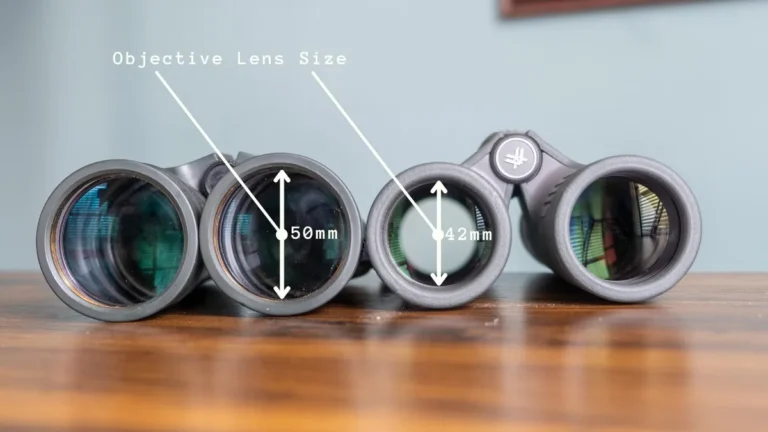
- Objective Lens: This is the larger lens at the front of the scope, which gathers light. It's usually the most exposed to the elements. Because it's larger, it's often the most important lens to keep clean for overall image brightness and clarity.
- Eyepiece Lens: This is the smaller lens you look through. It's also critical for image quality and can get smudged by fingerprints, eyelashes, or makeup. It’s typically easier to clean than the objective lens due to its size, but just as vulnerable to scratches.
Understanding Lens Coatings
Modern spotting scopes, especially higher-end models, feature sophisticated lens coatings. These coatings are applied in multiple layers, each just a few nanometers thick.
- Anti-Reflective (AR) Coatings: These reduce light reflection off the lens surfaces, allowing more light to pass through. This results in brighter, sharper images with better contrast.
- Hydrophobic/Oleophobic Coatings: These coatings repel water and oil (like fingerprints). They make the lens surface slick, so water beads up and rolls off easily, and fingerprints wipe away with much less effort.
When cleaning, always remember that these coatings are delicate. The goal is to clean the lens without damaging these performance-enhancing layers. Always use cleaning solutions and cloths specifically designed for coated optics.
Manufacturer specifications for high-end lenses often detail the number and types of coatings, reinforcing the need for gentle care.
When to Call a Professional or Seek Expert Help
Sometimes, despite your best efforts, a spotting scope lens might have issues that go beyond simple cleaning. If you're seeing persistent problems that a careful cleaning doesn't resolve, it's best to know when to step back. Attempting to fix more complex optical issues yourself can often lead to greater damage.
Signs Your Scope Needs More Than a Home Clean
There are a few key indicators that suggest your spotting scope needs professional attention. Persistent internal fogging or moisture between lens elements is a significant sign, often caused by a broken seal. If you notice deep scratches that are visible even after cleaning, or if the lens coatings appear permanently discolored or degraded, these usually can’t be fixed with a simple wipe-down.
Some scopes, particularly those with highly specialized optics or sealed units, are not designed for user disassembly. Consulting the manufacturer or a reputable optical repair service is the wisest course of action in these situations.
Spotting Scope Lens Cleaning FAQs
How often should I clean my spotting scope lens?
You should clean your spotting scope lens whenever it appears dirty or affects your viewing quality. For frequent users, a quick dust-off with a blower after each outing is good practice. A more thorough wet cleaning is only necessary when you notice smudges, streaks, or significant dust buildup that a blower or brush can't handle.
Over-cleaning can also wear down coatings, so clean only when needed.
Can I use isopropyl alcohol to clean my spotting scope lens?
While some sources suggest using diluted isopropyl alcohol, it's generally best to avoid it unless specifically recommended by the scope manufacturer. Many optical lens cleaning fluids are specially formulated to be gentler on multi-layer coatings. Pure isopropyl alcohol at high concentrations can potentially damage or cloud these delicate coatings over time.
Always check your scope's manual for recommended cleaning agents.
What should I do if I accidentally scratch my spotting scope lens?
A minor scratch on a lens coating might not severely impact your viewing, but a deep scratch on the glass itself can be problematic. Small scratches on coatings are often best left alone, as attempting to buff them out can cause more damage. For significant scratches, professional repair or lens replacement might be necessary, though this can be costly.
It’s always best to prioritize prevention through careful handling and cleaning.
How do I store my spotting scope to keep the lenses clean?
Proper storage is crucial for preventing lens contamination. Always use the lens caps provided with your scope when it's not in use. Store the scope in its protective case or a clean, dry bag to shield it from dust, moisture, and accidental impacts.
Avoid storing it in dusty environments or areas with high humidity, which can encourage mold growth on lenses over time.
Is there a difference in cleaning techniques for different types of spotting scopes?
While the core principles of gentle cleaning apply to all spotting scopes, some variations exist. For instance, a waterproof scope might tolerate slightly more aggressive cleaning than a non-waterproof one, but always refer to the manufacturer's guidelines. Very high-end scopes with advanced coatings or unique optical designs may have specific cleaning recommendations from the manufacturer that you should follow closely.
The fundamental rule of using the right tools and avoiding abrasive materials remains universal.