Are 8×42 Binoculars Good
If you're wondering whether 8×42 binoculars are good, the short answer is yes. But the real question is whether they're good for you. That depends on how you plan to use them.
This spec is the most popular all-rounder in the binocular world, and for good reason.
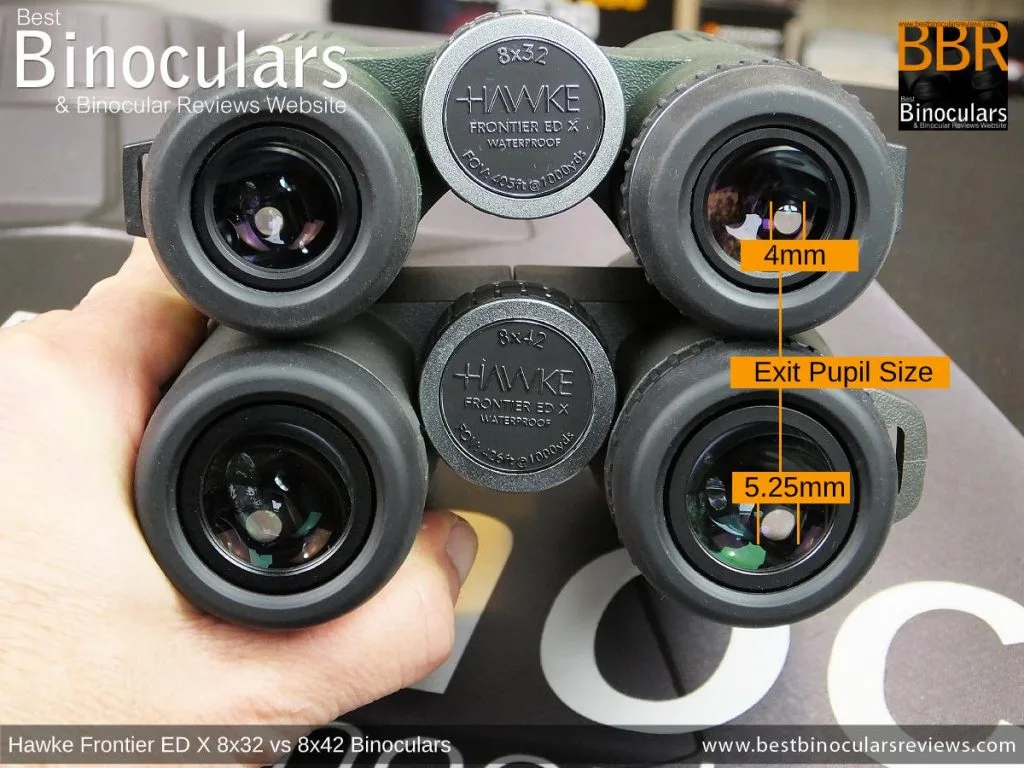
The 42mm objective lens delivers a 5.25mm exit pupil. That matches the human eye's dilation in low light conditions. Per ISO 14132:2002 standards for binocular terminology, a larger exit pupil means a brighter image at dawn, dusk, or in shaded environments.
Let's look at why this spec works so well for some people and not others.
Why This Comparison Actually Matters
The "8×42 is good" question is a trap if you treat it as a simple yes or no. The answer shifts depending on your activity, your environment, and your priorities. Aggregate reviews across thousands of user reports show that satisfaction with 8×42 binoculars correlates strongly with how well the spec matches the actual use case.
Here's the core problem. Many first-time buyers assume a popular spec must be the best choice for everyone. They pick up an 8×42 because it's the most common recommendation.
Then they find themselves frustrated with the weight on a long hike or wishing for more magnification on open water. The spec isn't bad. It's just a mismatch.
The 8×42 sits in the middle of a trade-off triangle. You get excellent low-light performance and a stable, wide field of view. You trade portability and raw magnification.
That's a fair trade for many people but not for everyone.
In our research, the most common regret among 8×42 owners is not understanding the weight. A typical 8×42 weighs 20 to 30 ounces. That's fine for a morning birding session but noticeable after a few hours around your neck.
The second most common regret is expecting it to perform like a 10×42 for long-distance detail. It won't.
The point of this comparison is to help you decide whether the 8×42 is the right tool for your specific needs. Let's walk through the specs, the trade-offs, and the alternatives.
What "8×42" Actually Means
The numbers on a binocular are straightforward once you know what they represent. The "8" is magnification. Objects appear eight times closer than with your naked eye.
The "42" is the diameter of the objective lens in millimeters. It determines how much light the binocular can gather.
These two numbers drive almost every performance characteristic that matters.
Magnification (8x)
At 8x, you get a stable, handheld view. Hand shake is magnified too, which is why higher magnification like 10x or 12x often requires a tripod or good bracing. For most people, 8x is the sweet spot for long viewing sessions without fatigue.
Objective Lens (42mm)
Larger objective lenses collect more light. That means brighter images in low light. The 42mm lens is big enough to excel at dawn and dusk but not so large that the binocular becomes unwieldy.
Compare that to a 50mm lens, which is significantly heavier and bulkier.
Exit Pupil
Divide the objective lens by the magnification. 42 divided by 8 equals 5.25mm. That's the exit pupil. A younger person's eyes can dilate to about 7mm in complete darkness.
In typical outdoor low light, 5mm is plenty. The 8×42 matches that well.
Field of View
Most 8×42 binoculars offer a field of view between 340 and 430 feet at 1,000 yards. That's wide enough to follow a bird in flight or scan a meadow without feeling like you're looking through a straw.
Eye Relief
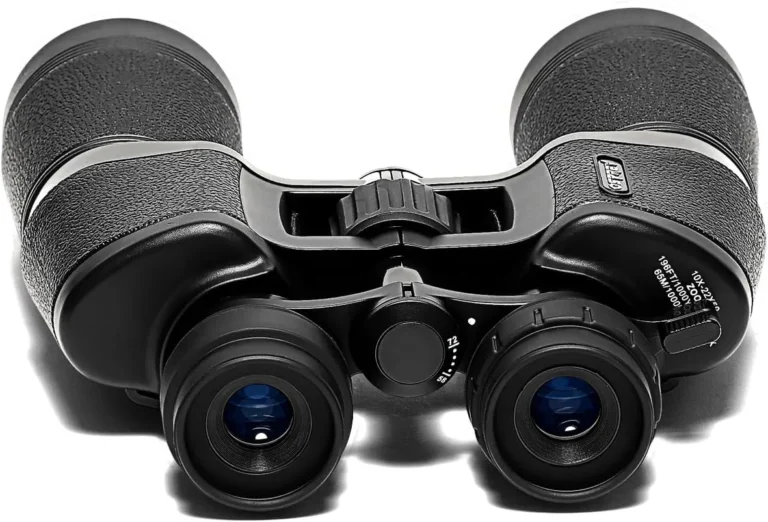
Eye relief is the distance from the eyepiece lens to your eye where you can still see the full image. For glasses wearers, 15mm is the minimum. 17mm or more is comfortable. Most 8×42 models offer 16 to 20mm, making them a solid choice if you wear spectacles.
The combination of these specs makes the 8×42 a balanced performer. It's not the brightest, not the lightest, not the most powerful. But it does everything well enough to be a single-pair solution for many people.
Where 8×42 Shines and Where It Doesn't
Every binocular spec involves trade-offs. The 8×42 has clear strengths and real weaknesses. Knowing both sides helps you avoid disappointment.
Where it shines
Low-light performance is the headline. The 5.25mm exit pupil gives you a bright, usable image well into twilight. If you're birding at dawn, hunting in a shaded forest, or stargazing from a dark sky site, the 8×42 delivers.
Handheld stability is another strong point. At 8x, you can hold the binocular steady for minutes at a time. That's a big deal for extended viewing sessions, especially without a tripod.
Wide field of view makes tracking moving subjects easier. Birds in flight, running animals, or fast-moving sports become much more manageable. You spend less time searching and more time watching.
Eye relief is generous. Most 8×42 models have enough eye relief to accommodate glasses wearers comfortably. That's a significant advantage over some compact or high-magnification options.
Where it doesn't
Weight and bulk are the main drawbacks. A typical 8×42 weighs between 20 and 30 ounces. That's fine for short walks but heavy for a full day hike.
Neck strain becomes a real issue after a few hours.
Magnification is limited. If you need to identify a bird at 300 yards or read a distant sign, you'll want 10x or more. The 8×42 is great for general viewing but not for long-range detail.
Portability suffers compared to smaller options. An 8×32 or 8×25 is much easier to pack in a daypack or stuff in a jacket pocket. The 8×42 requires a dedicated case or a harness.
| Strengths | Weaknesses |
|---|---|
| Excellent low-light brightness | Heavy for long hikes |
| Stable handheld viewing | Bulky for travel |
| Wide field of view | Limited magnification for distance |
| Good eye relief for glasses wearers | Not pocketable |
| Versatile across many activities | Can cause neck strain without harness |
The key is matching these strengths to your actual use. If you're mostly active in low light or want a single pair for general wildlife, the 8×42 is hard to beat. If you prioritize weight or need long reach, look elsewhere.
8×42 vs. The Main Alternatives
The two most common comparisons are 8×42 versus 10×42 and 8×42 versus 8×32. Each serves a different purpose.
| Feature | 8×42 | 10×42 | 8×32 |
|---|---|---|---|
| Magnification | 8x | 10x | 8x |
| Objective lens | 42mm | 42mm | 32mm |
| Exit pupil | 5.25mm | 4.2mm | 4.0mm |
| Low-light performance | Excellent | Good | Moderate |
| Field of view | Wide | Narrower | Wide |
| Handheld stability | Easy | Moderate | Easy |
| Weight | 20-30 oz | 21-31 oz | 12-19 oz |
| Best for | All-around | Distance | Day hikes |
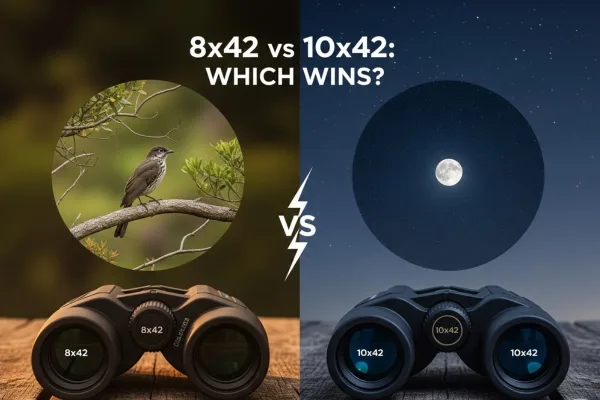
8×42 vs 10×42
The 10×42 gives you more detail at distance but at a cost. The 4.2mm exit pupil is dimmer in low light. The higher magnification amplifies hand shake.
Many users find 10x requires a tripod for steady viewing beyond short bursts. The 8×42 is more forgiving and more comfortable for long sessions.
If you spend most of your time in open landscapes like fields, coastlines, or mountain ridges, the 10×42 pulls ahead. If you're in wooded areas, dense brush, or variable light, the 8×42 is the better choice.
8×42 vs 8×32
The 8×32 is the lightweight alternative. It gives you the same 8x magnification but with a 32mm objective lens. The exit pupil drops to 4.0mm.
That's still usable in good light but noticeably dimmer at dawn and dusk.
The big advantage is weight. An 8×32 typically weighs 12 to 19 ounces. That's roughly half the weight of an 8×42.
For day hikers and travelers, that difference is huge. If you're a daytime-only user and value a lighter pack, the 8×32 is a smart choice.
The trade-off is clear. You give up low-light performance and a bit of brightness in exchange for portability. For many hikers, that's a fair exchange.
Who Should Buy 8×42 Binoculars
The 8×42 is not for everyone, but it fits a specific set of users very well.
Birdwatchers, especially early morning or late evening
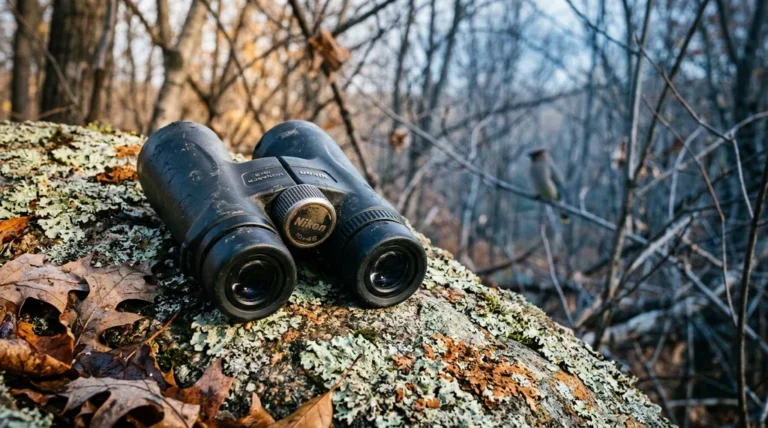
If you're out before sunrise or after sunset, the 5.25mm exit pupil gives you a clear advantage. The wide field of view helps you track birds in flight and find them quickly in dense foliage. Aggregate reviews from birding communities consistently rank 8×42 as the top choice for general birding.
Hunters in wooded or mixed terrain
The low-light performance is critical for dawn and dusk when many game animals are active. The stable handheld view means you can glass for minutes without fatigue. The 8×42 is a standard recommendation for deer and turkey hunting in forested areas.
Casual stargazers
The 8×42 offers a good balance of brightness and field of view for constellation viewing and scanning the Milky Way. It's not a substitute for large astronomy binoculars. But it's a great entry point for casual night sky observation.
General wildlife enthusiasts
If you want one pair of binoculars for everything from backyard birding to hiking trips, the 8×42 is the most versatile option. It handles a wide range of conditions without excelling or failing in any single area.
Glasses wearers
The generous eye relief found on most 8×42 models makes them comfortable for people who wear spectacles. You get the full field of view without pressing your glasses into the eyecups.

The 8×42 is ideal for anyone who values low-light capability, stable viewing, and a wide field of view over absolute portability or maximum magnification. If that sounds like your use case, the 8×42 is a strong candidate.
Who Should Skip 8×42
The 8×42 is a capable spec, but it's the wrong choice for several common scenarios.
Day hikers and ultralight backpackers
If you're counting every ounce in your pack, the 8×42 is too heavy. A typical pair weighs 20 to 30 ounces. That's more than a water bottle.
An 8×32 or 8×25 cuts that weight in half while keeping the same magnification. If you only hike in daylight, the smaller exit pupil won't matter.
Daytime-only users
If you never use binoculars at dawn, dusk, or in heavy shade, you're paying for low-light capability you don't need. The 8×42's main advantage is brightness in dim conditions. In full daylight, an 8×32 performs just as well.
Save the weight and money.
Long-range observers
Birders working open coastlines, hunters scanning distant fields, or anyone who needs to identify subjects at 300 yards or more will find 8x magnification limiting. The 10×42 or 12×50 gives you the reach you need. The 8×42 is great for general viewing but not for long-distance detail work.
Travelers with limited space
If you're packing for a trip where space is tight, the 8×42 is bulky. It won't fit in a jacket pocket or a small daypack. Compact binoculars like the 8×25 or 8×28 are much easier to stow and still offer decent performance in good light.
The budget trap
A cheap 8×42 under $100 is often a poor investment. The glass quality, coatings, and build are usually low. You get a dim, soft image with poor contrast.
A well-made 8×32 at the same price point will outperform it. Don't buy an 8×42 just because it's popular. Buy the best optical quality you can afford, even if that means a smaller objective lens.
The One Thing That Matters More Than the Spec
Here's a truth that surprises many first-time buyers. The 8×42 spec on the box tells you less about image quality than the glass and coatings inside.
Glass quality
The prism material matters. BaK-4 glass is standard for good binoculars. It delivers sharper, brighter images than BK-7 glass, which is common in budget models.
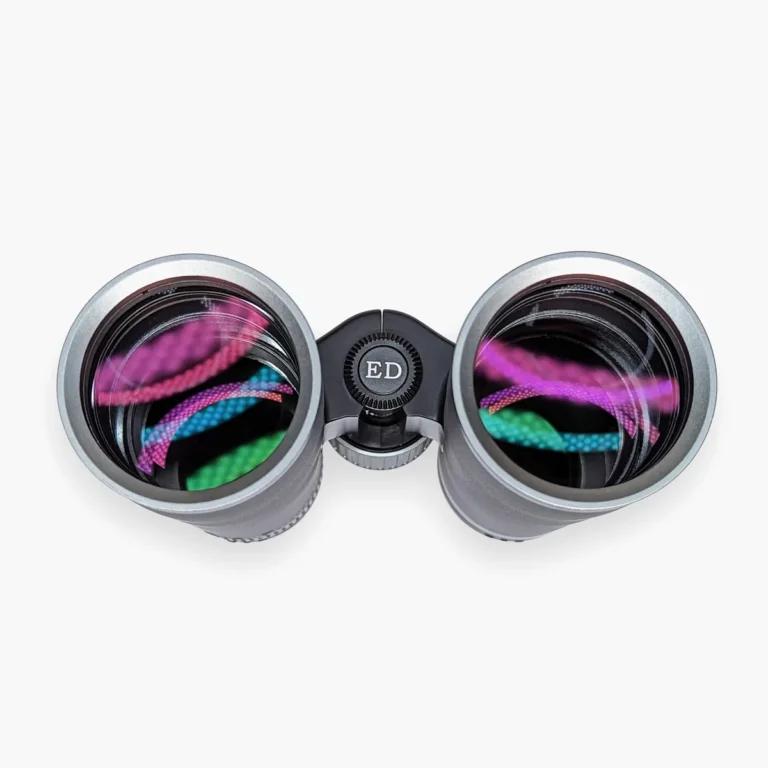
ED glass, or extra-low dispersion glass, reduces color fringing around edges. That's chromatic aberration. It's most noticeable when you're looking at a dark branch against a bright sky.
Lens coatings
Coatings control how much light reaches your eye. Fully multi-coated optics mean every lens surface has multiple anti-reflective layers. That's the minimum for decent performance.
Phase correction coatings on roof prism binoculars improve contrast and resolution. Dielectric coatings on the prism surfaces boost light transmission to 90 percent or higher.
Build quality
A well-sealed binocular is nitrogen or argon purged to prevent internal fogging. Cheap models skip this step. The focus wheel should turn smoothly without play.
The diopter adjustment should lock in place. The hinge should hold its position without sagging.
The real comparison
A premium 8×32 with ED glass, fully multi-coated optics, and phase correction will outperform a budget 8×42 with BK-7 prisms and single coatings in almost every condition. The only area where the cheap 8×42 wins is raw light gathering. Even then, the quality of that light is worse.
Spend your money on the best optical quality you can afford. If that means a smaller objective lens, take it. An 8×42 is only as good as the glass and coatings inside it.
Frequently Asked Questions
Is 8×42 good for birding?
Yes, it's the most recommended spec for general birding. The 8x magnification is stable enough for handheld use. The 42mm lens delivers a bright image in the low light of early morning or forest canopy.
The wide field of view helps track birds in flight.
Is 8×42 good for stargazing?
It's a solid entry point for casual stargazing. The 5.25mm exit pupil gives you a bright view of constellations and the Milky Way. For deep sky objects like nebulae and galaxies, you'll want larger binoculars like 10×50 or 15×70.
The 8×42 is fine for moon and star clusters.
Is 8×42 good for hunting?
Yes, especially for deer and turkey hunting in wooded or mixed terrain. The low-light performance is critical at dawn and dusk when game animals are active. The stable handheld view allows you to glass for extended periods.
For open country hunting, 10×42 is often preferred.
Is 8×42 good for a beginner?
Yes, it's the best choice for most beginners. The 8x magnification is easy to hold steady. The 42mm lens provides a bright, forgiving image.
It covers a wide range of activities from birding to sports to stargazing. One pair can handle most situations while you learn what you prefer.
Is 8×42 or 10×42 better for glasses wearers?
8×42 is generally better for glasses wearers. Most 8×42 models offer 16 to 20mm of eye relief, which is comfortable with spectacles. The 10×42 often has tighter eye relief, making it harder to see the full field of view.
Check the eye relief spec on any model you consider.
The Bottom Line
The 8×42 is a genuinely good all-rounder. It's not a universal solution, but it works well for a wide range of activities. It excels in low light.
It offers a stable handheld view. It covers birding, hunting, stargazing, and general wildlife observation.
Choose the 8×42 if you bird or hunt at dawn and dusk. Choose it if you want one pair for general wildlife and casual stargazing. Choose it if you wear glasses and need generous eye relief.
Skip the 8×42 if you're a day hiker who values light weight. Skip it if you need long-range magnification for open landscapes. Skip it if you're on a tight budget and can't afford quality glass.
The spec is only part of the story. The glass quality, coatings, and build determine the real performance. Buy the best optical quality you can afford.
Match the spec to your actual use. That's the formula for a pair of binoculars you'll reach for again and again.