What Is the Highest Magnification Binoculars
If you have ever wondered what is the highest magnification binoculars you can actually buy, the answer might surprise you. Store shelves show numbers like 20x, 40x, and even 100x. But the real question is not what exists.
It is what actually works in your hands.
Manufacturer specifications confirm that consumer binoculars range from 8x to 100x magnification. Per ISO 14132, the optical standard for binocular specs, anything above 20x enters a different category. That category comes with trade-offs most people never see coming.
Let us walk through what those numbers mean.
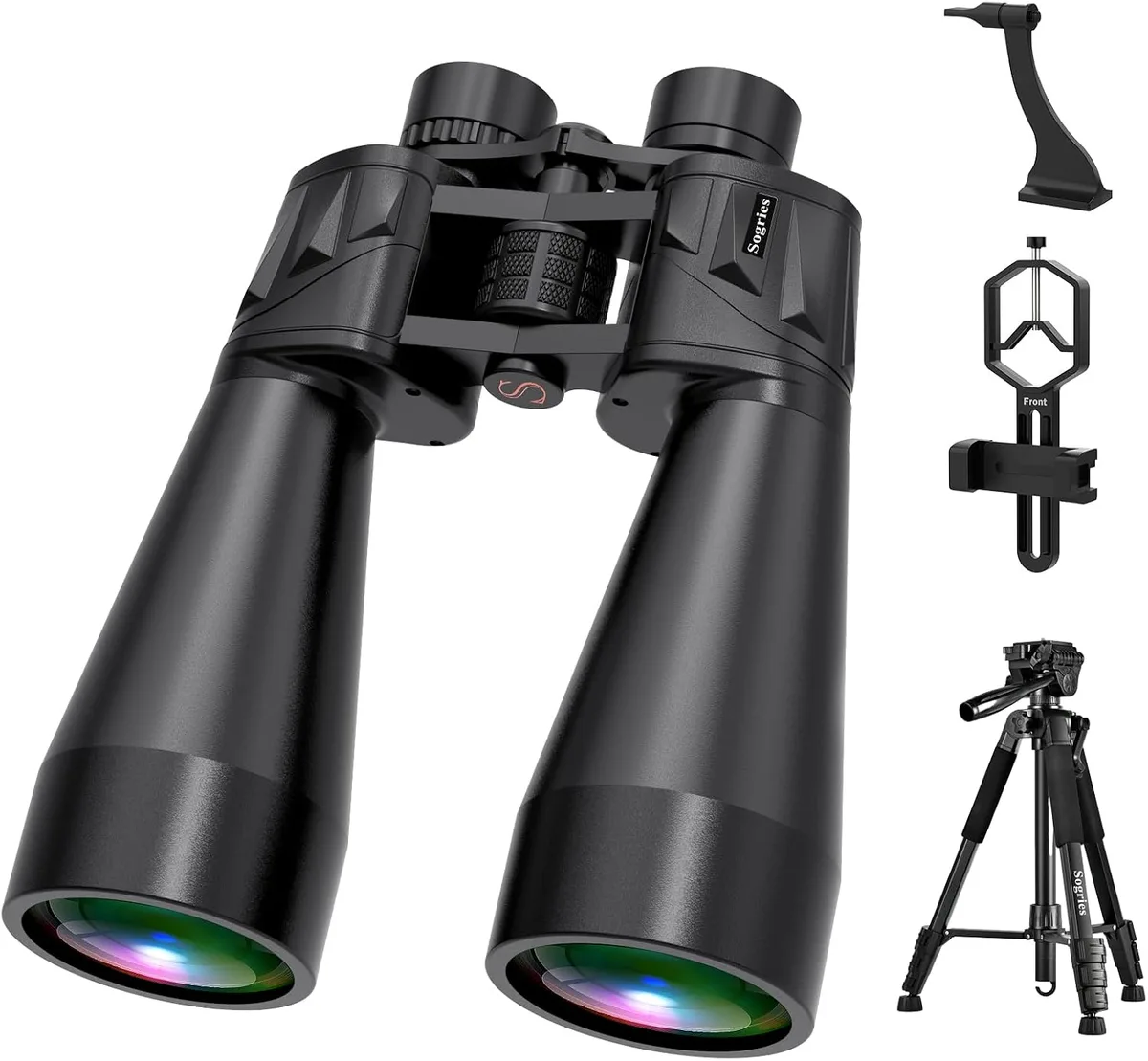
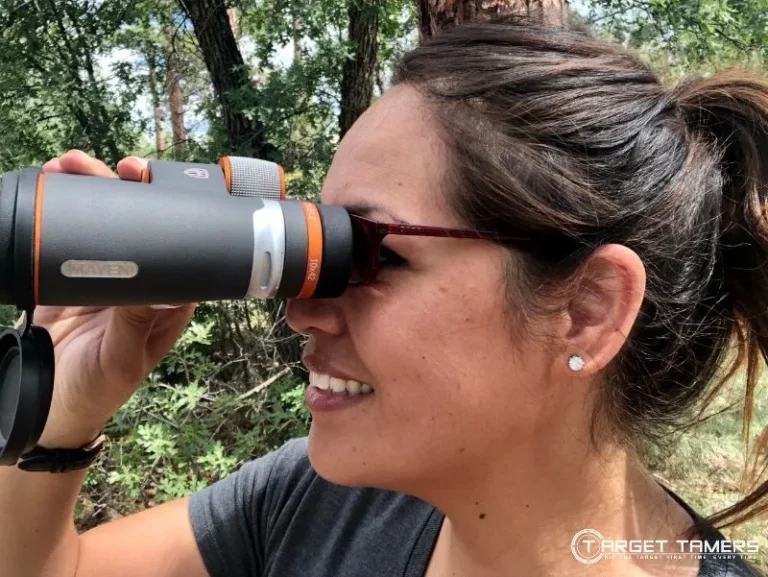
Image source: Bing (Web (fair-use with source credit))
Quick Answer
The highest magnification binoculars commonly available are 100x models. Most users find 20x or 25x more practical. Above 20x, a tripod is essential.
Image stabilization helps at 15x to 20x. Atmospheric conditions limit useful magnification to about 60x.
Why Magnification Alone Is a Trap
When people search for the highest power binoculars, they fixate on one number. Magnification. That single number tells you almost nothing about whether the binoculars will deliver a clear, bright, usable image.
Three other specs matter more.
Exit pupil is the first. It is the diameter of the light beam leaving each eyepiece. Divide the objective lens diameter by the magnification.
A 20×80 binocular gives a 4 mm exit pupil. A 40×80 gives only 2 mm. The human eye dilates to about 7 mm in darkness.
If your binoculars exit pupil is smaller than your eye's pupil, the image looks dim. For daytime use, 3 to 4 mm is fine. For dawn or dusk, you want 5 mm or more.
Field of view is the second spec. It shrinks dramatically as magnification increases. A typical 8×42 binocular shows about 400 feet at 1000 yards.
A 20×80 shows about 173 feet. A 40×80 shows roughly 100 feet. Finding your target through a narrow field of view is frustrating.
It feels like looking through a straw.
Twilight factor is the third spec. It predicts how well a binocular performs in low light. The formula is the square root of magnification times objective diameter.
A 20×80 scores 40. A 40×80 scores 56.6. A higher number is better for low light.
But this number does not account for lens quality, coatings, or prism type.
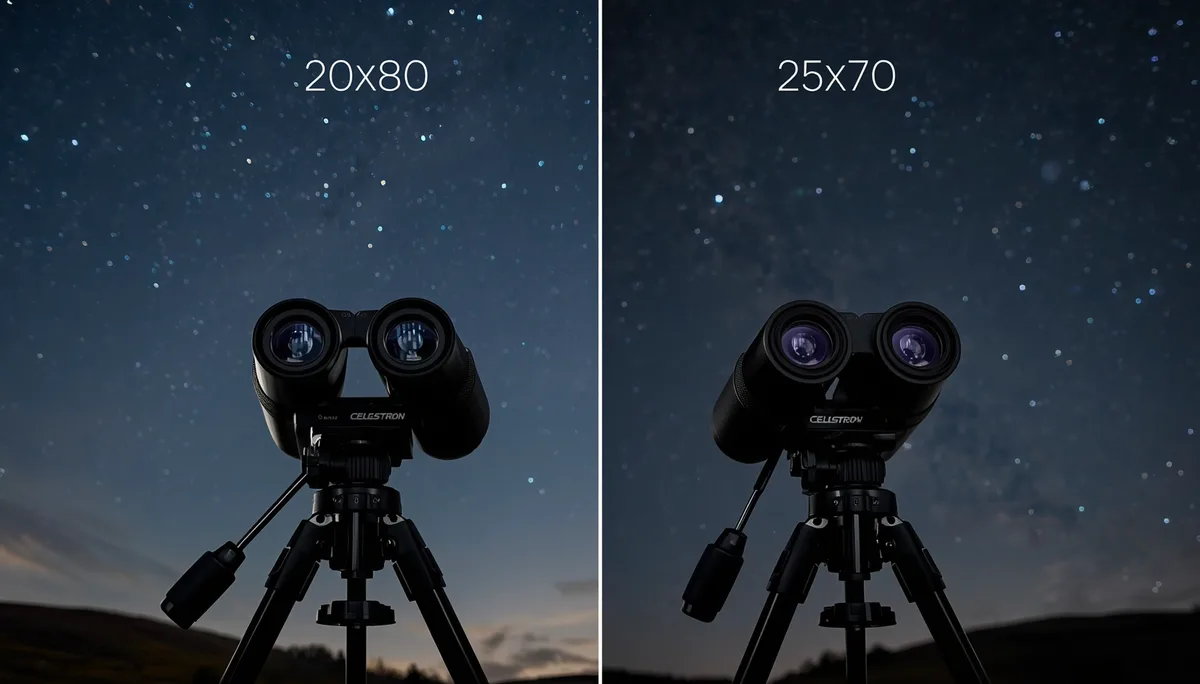
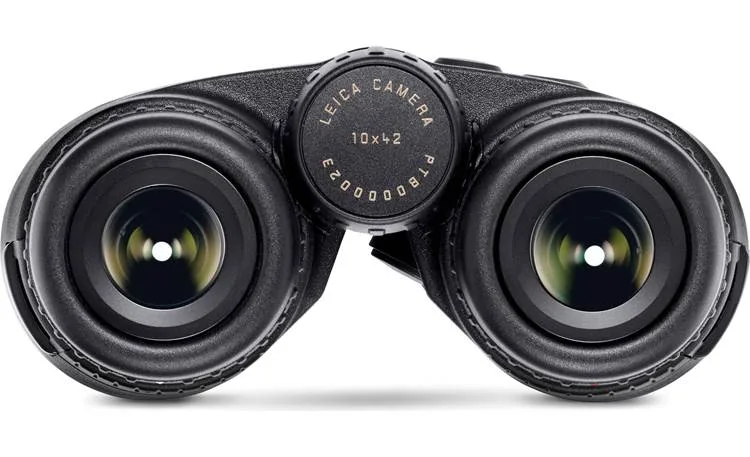
Image source: Bing (Web (fair-use with source credit))
A 40x binocular with a 60 mm objective has a 1.5 mm exit pupil. That is dim. It is hard to use in anything but full sunlight.
A 10×50 with a 5 mm exit pupil will show you more detail in twilight than that 40×60 ever could. Magnification is not the whole story.
The Practical Limit Nobody Talks About
Here is the hard truth. At 10x magnification, your natural hand shake becomes 10 times more visible. At 20x, it doubles again.
At 40x, you see every heartbeat in the image. The classic rule of thumb is that you cannot handhold a binocular beyond 10x. Some people manage 12x.
Almost nobody holds 15x steady.
The atmosphere adds another limit. On a hot day, heat shimmer distorts distant objects. On a humid day, haze reduces contrast.
Professional astronomers often say the practical limit for ground-based viewing is 60x. Above that, atmospheric turbulence blurs details faster than magnification reveals them. You can see this effect on any summer day.
Look at a distant object. The image wobbles and wavers. That is not your binoculars.
That is the air.
Physics also sets a limit on resolution. The resolving power of a binocular depends on objective diameter. A 50 mm objective can resolve about 2.3 arcseconds.
A 100 mm objective resolves about 1.15 arcseconds. Adding magnification beyond what the objective can resolve does not reveal more detail. It just makes the blur bigger.
This is called empty magnification.
The practical limit for most people in most conditions is 20x with a tripod. For handheld use, 10x is the sweet spot. For dedicated astronomy on a solid mount, 25x to 60x can work.
Beyond 60x, you need exceptional conditions and a premium instrument.
What Happens When You Go Too High
Buying the highest magnification binoculars without understanding the trade-offs leads to predictable disappointment. The first problem is the narrow field of view. At 40x, finding a bird in a tree becomes a slow scan.
You sweep left and right, seeing only small slices. The bird moves. You lose it.
Repeat.
The second problem is brightness. A 60x binocular with a 60 mm objective has a 1 mm exit pupil. That is smaller than a pinhead.
In overcast conditions or shade, the image looks like twilight. Colors wash out. Details disappear.
Many users report that their 10×42 binoculars show more at dusk than their 40×80 models.
The third problem is weight. A 20×80 binocular weighs about 3 pounds. A 25×100 weighs 5 to 6 pounds.
A 40×80 can weigh 7 pounds. You cannot hold these for more than a few seconds. You need a tripod.
A good tripod adds another 3 to 5 pounds. You are now carrying 10 pounds of gear.
The fourth problem is cost. Quality optics at high magnification are expensive. A decent 20×80 costs $200 to $500.
A good 25×100 costs $600 to $1,200. Premium models from top manufacturers exceed $3,000. Cheap high-magnification binoculars often have misaligned prisms, poor coatings, and plastic lenses.
The image is soft, blurry, and unpleasant.
The fifth problem is eye strain. A dim, shaky, narrow image forces your eyes to work harder. Headaches and fatigue set in quickly.
Users report that 20 minutes with a cheap high-power binocular is less enjoyable than two hours with a quality 10x.
The One Exception That Changes Everything
Image stabilization binoculars change the rules. They use gyroscopic or electronic sensors to detect motion. Tiny motors shift lens elements to cancel out hand shake.
The result is a steady image at magnifications that would otherwise be unusable handheld.
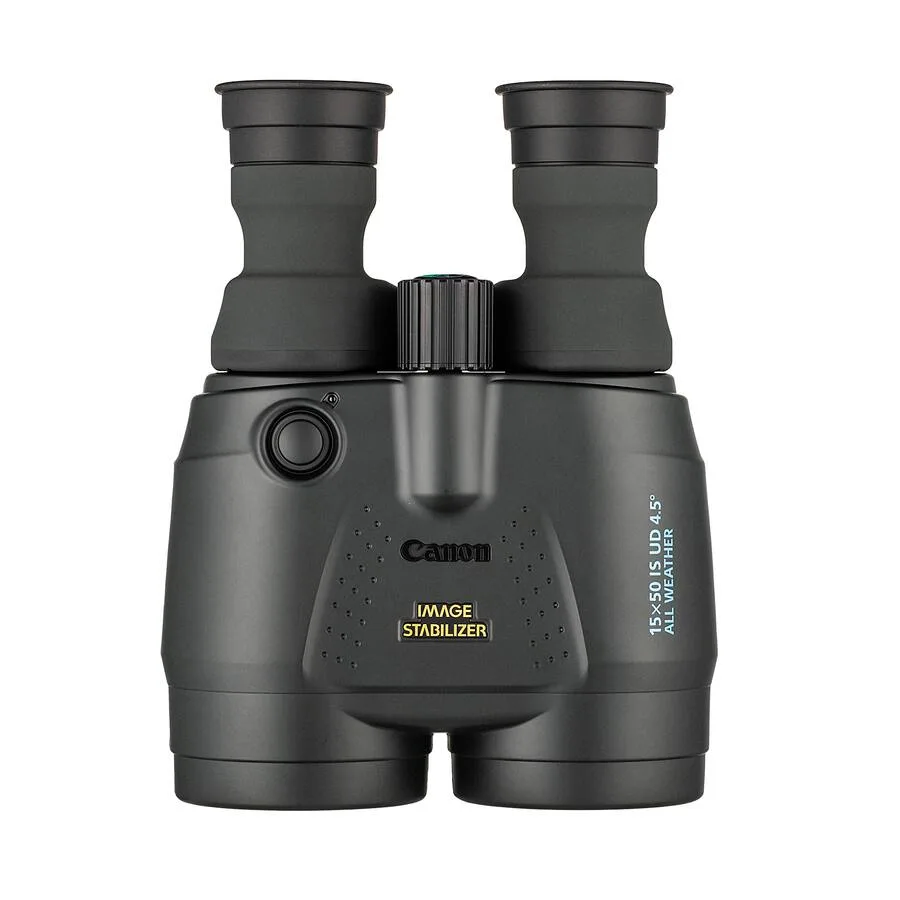
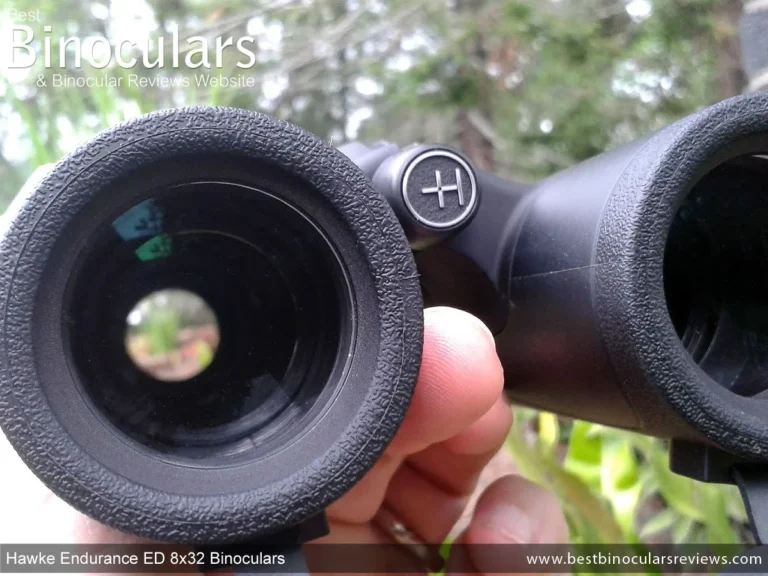
Image source: Bing (Web (fair-use with source credit))
The most well-known models come from Canon. Their 15×50 IS, 18×50 IS, and 20×50 IS binoculars allow handheld use at powers that would normally require a tripod. User reviews consistently report that the 20×50 IS delivers a usable handheld image.
That is remarkable. It opens up long-distance viewing where setting up a tripod is impractical.
The trade-offs are real. Image stabilization systems require batteries. Canon models run for about 8 to 10 hours on two AA batteries.
The systems add weight. The 20×50 IS weighs about 3 pounds. They cost more.
Expect to pay $1,500 to $2,000 for a quality stabilized model.
Stabilized binoculars excel in specific use cases. Wildlife observation from a boat or car. Birding in dense forest where you need to scan quickly.
Sporting events from distant seats. Astronomy for handheld moon and planet viewing. The image stabilization compensates for the motion that would otherwise ruin the view.
Per manufacturer specifications, the stabilization system reduces perceived shake by about 5 to 7 degrees of angular motion. That is enough to make 20x usable handheld. It is not enough to eliminate the need for a tripod at 40x or higher.
The technology has limits. But for anyone who wants high magnification without a tripod, image stabilization is the only real solution.
How to Choose the Right Power for What You Actually Do
The best magnification depends entirely on what you plan to watch. There is no single right answer. Here is a simple decision framework.
For handheld general use. If you plan to walk, hike, or bird during the day, stick with 8x to 10x. This range delivers a wide field of view, a bright exit pupil, and a steady image. You will see more detail than at 12x because your hands are steadier.
Aggregate reviews show that 8×42 is the most recommended configuration for all-around use.
For long-range wildlife observation from a tripod. If you are watching waterfowl on a lake, scanning a mountainside, or observing from a blind, 15x to 20x is practical. These magnifications require a tripod. They reward you with noticeably more detail than 10x.
The 20×80 configuration is a classic choice for this use case.
For astronomy. If your main interest is the moon, planets, and star clusters, 20x to 40x works well. You need a solid tripod. The 25×100 is a popular astronomy binocular.
It gathers enough light for deep sky objects. It shows Jupiter's moons clearly. Beyond 40x, the atmosphere becomes a serious limitation.
For marine or open water use. If you are on a boat, 7×50 is the standard. The 7×50 configuration delivers a 7 mm exit pupil, which matches the human eye's maximum dilation. It is bright.
It is steady. Higher magnification on a moving boat is useless.
For surveillance or security. If you need to identify details at extreme range, 15x to 25x with image stabilization is the best option. The combination of high power and stabilization lets you read signs or identify individuals at distances where standard binoculars would be too shaky.
If you are unsure. Start with 10×42. It is the most versatile magnification and objective combination. Use it for a year.
If you consistently find yourself wanting more reach, then consider a dedicated high-power setup with a tripod.
What to Look for in a High-Magnification Binocular
Once you decide on a power range, the features separate good binoculars from bad ones. Here is what to prioritize.
Prism type. Porro prisms are common in large binoculars. They are cheaper to manufacture and deliver excellent light transmission. Roof prisms are more compact but more expensive to make well.
In high-power binoculars, porro prisms dominate because size is less of a concern.
Lens coatings. Fully multi-coated lenses are essential. Each air-to-glass surface should have an anti-reflective coating. The coating reduces light loss and glare.
Uncoated or single-coated lenses produce dim, washed-out images.
ED glass. Extra-low dispersion glass reduces chromatic aberration. That is the purple or green fringing you see around bright objects. High-magnification binoculars magnify this problem.
ED glass is a worthwhile upgrade.
Waterproofing and fogproofing. Nitrogen or argon purging prevents internal fogging. O-ring seals keep moisture out. If you plan to use binoculars in humid conditions, cold weather, or near water, these features are non-negotiable.
Tripod adaptability. Every high-power binocular over 15x should have a built-in tripod adapter thread or a removable adapter. Without it, you are limited to handheld use. That is a dealbreaker for anything above 12x.
Eye relief. If you wear glasses, look for eye relief of 15 mm or more. Short eye relief forces you to press your glasses against the eyepiece. That scratches the lenses and limits your field of view.
Common Mistakes People Make When Shopping for High Magnification
The biggest mistake is buying magnification you cannot use. People see a 40x binocular for $150 and think they are getting a bargain. They are not.
The image is dim, shimmery, and frustrating. The binocular ends up in a drawer.
The second mistake is skipping the tripod budget. A 25×100 binocular needs a stable tripod. A cheap tripod vibrates in the wind.
That defeats the purpose of high magnification. Plan to spend at least $100 to $200 on a tripod and head.
The third mistake is ignoring the exit pupil. A 60×60 binocular has a 1 mm exit pupil. That is too small for comfortable viewing.
You will struggle to hold your eye in the exact position to see the full image. The window of alignment is tiny.
The fourth mistake is buying zoom binoculars. Variable magnification binoculars sound convenient. They are not.
The optical quality is compromised across the zoom range. The image is dimmer. The field of view is narrower.
Fixed magnification binoculars always outperform zoom models at the same price point.
The fifth mistake is buying based on brand alone. A well-known brand does not guarantee a good high-power binocular. Some premium brands focus on 8x to 12x.
Their high-power models may be overpriced or poorly designed. Research the specific model, not just the brand name.
Frequently Asked Questions
What is the highest magnification binoculars available?
The highest consumer binoculars are 100x models. These are extremely large, heavy, and require a heavy-duty tripod. They are suitable only for dedicated astronomy or extreme long-range observation.
Most users find 20x to 40x more practical.
Can I use 20x binoculars without a tripod?
Technically yes, but practically no. At 20x, your hand shake is magnified 20 times. The image bounces and jitters.
You cannot hold it steady enough to see details. A tripod is essential for any magnification above 12x.
Is 40×70 better than 20×80?
No. The 40×70 has a 1.75 mm exit pupil. The 20×80 has a 4 mm exit pupil.
The 20×80 delivers a brighter, easier-to-view image. The 40×70 is dimmer and harder to use. Higher magnification does not mean better performance.
What does 20×80 mean on binoculars?
The 20x means 20 times magnification. The 80 means the objective lens diameter is 80 mm. That is a common configuration for long-range observation and astronomy.
It provides a good balance of power and light gathering.
How far can I see with 20x binoculars?
The theoretical limit depends on object size and atmospheric conditions. A 20x binocular can show detail on an object at 1,000 yards. You can read a street sign at about 500 yards.
The practical limit is set by air quality, not magnification.
Are image stabilization binoculars worth the extra cost?
For anyone who wants high magnification without a tripod, yes. The Canon 20×50 IS is a proven design. It allows handheld use at 20x.
The cost is $1,500 to $2,000. For casual users, a quality 10×42 is a better value.
The Bottom Line: What You Should Actually Buy
Our research leads to a clear recommendation. For most people, the highest magnification binoculars that make sense are 20×80 with a tripod. This configuration delivers real-world utility.
It shows more detail than 10x. It is usable in most conditions. It does not require exceptional atmospheric clarity.
If you need handheld use, skip the tripod. Get a 10×42 or a 12×50. Those are the practical limits for steady handheld viewing.
If you want to push beyond that without a tripod, image stabilization is the only reliable option. The Canon 20×50 IS is the gold standard for that use case.
If you are a dedicated astronomer, consider 25×100 on a solid mount. That configuration reveals deep sky objects and planetary detail. It is heavy.
It is expensive. But it delivers a viewing experience that nothing else at that price point can match.
Avoid the trap of buying the highest magnification number you can find. The real measure of a binocular is what you can see through it, not what the label says. A bright, steady, comfortable image at 10x is infinitely better than a dim, shaky, frustrating image at 40x.
Choose your magnification based on your actual use case. Buy a tripod. Buy quality optics.
Your eyes will thank you.