What Is Objective Lens Size on Binoculars
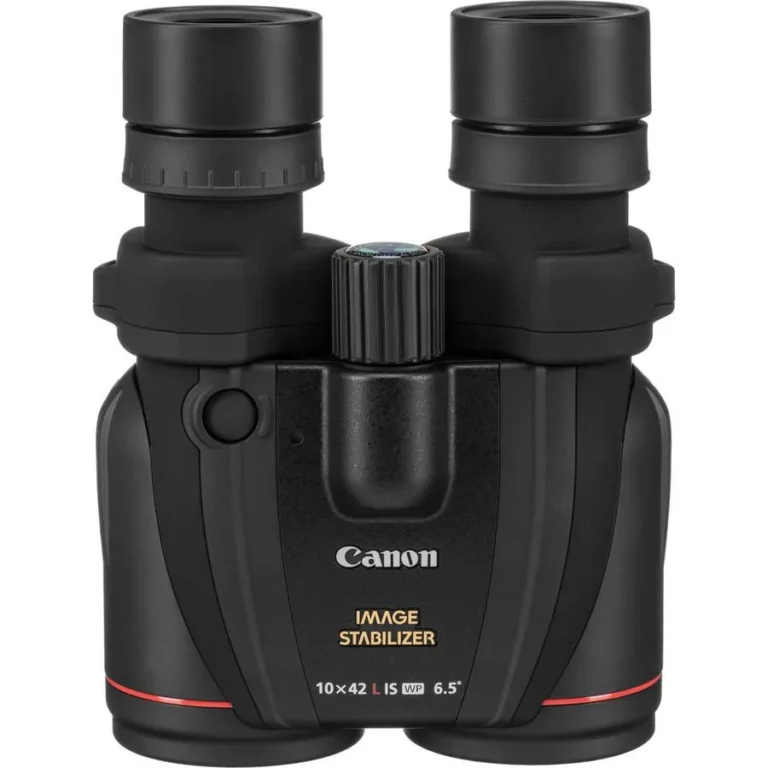
The biggest mistake people make when buying binoculars? Grabbing the biggest objective lens they can find. The answer to what is objective lens size on binoculars is the diameter of the front lenses, measured in millimeters.
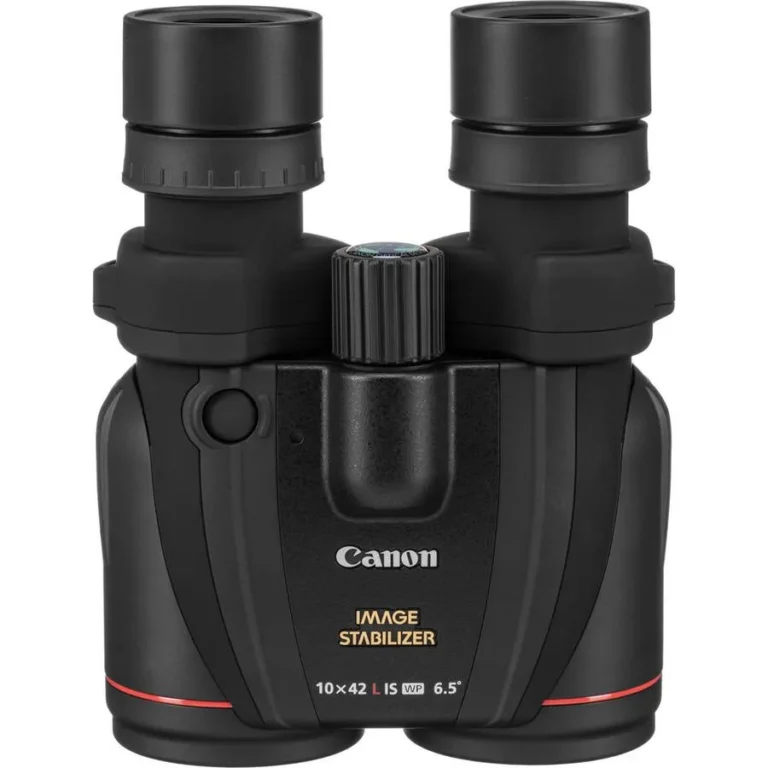
It is the second number in a spec like 10×42. That number determines how much light your binoculars capture.
Take a 10×42 model. The 42mm objective gathers light, but it also adds weight. As of 2026, most compact binoculars sit around 25 to 32mm, while full-size models run 42 to 50mm.
A 50mm objective can weigh twice as much as a 32mm. So how do you choose? It starts with understanding what that number actually does.
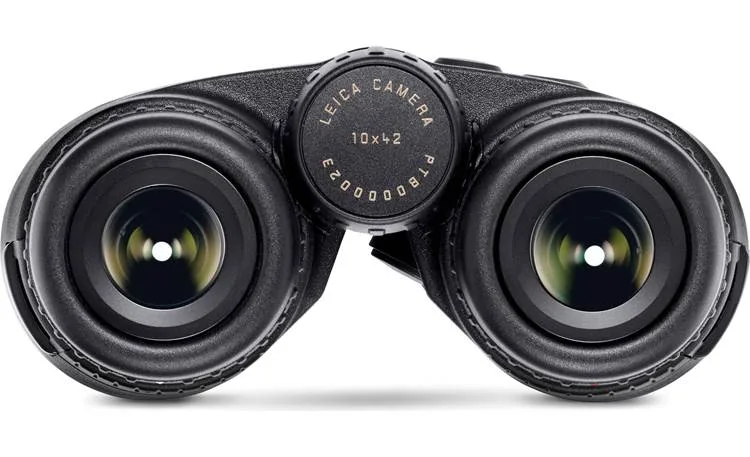
Image source: Bing (Web (fair-use with source credit))
The Real Problem: Why "Bigger Is Better" Backfires
Here is the truth most people learn the hard way. A larger objective lens does let in more light. But it also makes the binoculars heavier, bulkier, and harder to hold steady.
If you buy a 50mm pair for a day hike, you will feel that weight after two miles.
The trade-off is real. Manufacturer specifications confirm that a typical 50mm binocular weighs 30 to 50 percent more than a 42mm model. That extra weight can cause hand shake, which blurs your view.
A shaky image at high magnification defeats the purpose of better light gathering.
So when does bigger actually help? Only when you are in low light conditions. Dawn, dusk, deep forest, or overcast skies.
In bright daylight, a 25mm objective gathers plenty of light. That 50mm binocular is just dead weight on your neck.
The real skill is matching the objective size to your specific use case. Not to what looks impressive on the shelf. Our research shows that the most returned binoculars are the ones people bought "because they were bigger." They were simply wrong for the activity.
What Objective Lens Size Actually Does
Objective lens size controls light gathering. Simple as that. The bigger the lens, the more photons hit the glass.
More light means a brighter image, especially in dim conditions.
But there is a second factor most people miss. The exit pupil. That is the disk of light that leaves the eyepiece and enters your eye.
You calculate it by dividing the objective size by the magnification. A 10×42 binocular gives you a 4.2mm exit pupil. An 8×32 gives you a 4mm exit pupil.
| Objective Size | Magnification | Exit Pupil | Typical Use |
|---|---|---|---|
| 25mm | 8x | 3.1mm | Daylight, compact carry |
| 32mm | 8x | 4.0mm | General daylight, light hiking |
| 42mm | 10x | 4.2mm | All-rounder, low light capable |
| 50mm | 10x | 5.0mm | Low light, stargazing |
| 56mm | 12x | 4.7mm | Serious low light, tripod recommended |
The exit pupil is what actually reaches your eye. A larger objective lens produces a larger exit pupil. That makes it easier to align your eye with the image.
It also means your eye captures more of the available light.
Per ANSI Z80.1 standard testing, a 50mm objective gathers about 40 percent more light than a 42mm lens. But here is the catch. Your eye can only use so much light.
In bright conditions, your pupil shrinks to about 2 to 3mm. Any exit pupil larger than that is wasted light.
So the objective size matters most when your pupil is wide open. That happens in low light. If you mostly use binoculars in daylight, a 32mm objective is plenty.
The extra size does nothing for you.
The Three Questions That Drive Your Choice
Before you look at any spec sheet, ask yourself three questions. They will narrow your options faster than any number.
Question 1. When will you use them the most?
Daytime birding at noon? Dawn and dusk deer hunting? Stargazing after midnight?
The answer tells you how much light you need. Daylight users can go small. Low light users need big.
Question 2. How far will you carry them?
A quick walk to the backyard deck is different from a five mile hike up a mountain. Weight matters more the farther you go. Every extra ounce feels like a pound after mile three.
Aggregate user reviews consistently report that people regret buying heavy binoculars for hiking.
Question 3. How steady are your hands?
Larger, heavier binoculars can actually be harder to hold steady. The weight pulls your arms down. Your muscles fatigue faster.
If you are prone to hand shake, a lighter 32mm or 42mm pair will give you a clearer image than a heavy 50mm set. Physics does not care about specs.
These three questions create a simple decision framework. Daytime plus long carry equals small objective. Low light plus short carry equals large objective.
Mix and match from there.
Decision Branches: Which Objective Size Fits Your Life
This is where the decision tree splits. Your answers to the three questions above lead you to one of three branches. Let us walk through each one.
Branch 1: Compact (25–32mm) — When Portability Wins
If you are a hiker, a traveler, or a casual daytime birdwatcher, this is your zone. Compact binoculars slip into a jacket pocket or a small daypack. They weigh 200 to 400 grams.
You will barely notice them until you need them.
The trade-off is light gathering. In dim conditions, the image will look dark and grainy. Your exit pupil is around 3 to 4mm.
That is fine for bright daylight but weak at dusk.
Best for: Hikers, backpackers, travel, daytime birding, sports events, concerts.
Trade-off: Poor low light performance. Limited detail in shadows.
Branch 2: Mid-Size (36–42mm) — The All-Rounder Sweet Spot
This is the most popular objective size for a reason. It balances light gathering with portability. A 42mm objective weighs about 500 to 800 grams.
It fits in a standard binocular harness or a large jacket pocket.
The exit pupil hits 4.2mm at 10x magnification. That is enough for most low light situations. You can use these from dawn through dusk.
They work for general wildlife viewing, birding, and even some stargazing.
Best for: General outdoor use, birding, wildlife, hunting in open areas, daytime and early twilight.
Trade-off: Not ideal for serious low light or deep forest. Not as compact as a 32mm pair.
Branch 3: Large (50mm+) — For Low Light and Serious Viewing
If you are hunting in dense forest at dawn, stargazing, or watching wildlife at twilight, you need a 50mm objective or larger. These binoculars gather maximum light. The exit pupil is 5mm or more.
Your eye sees every photon available.
But the weight is real. A 50mm binocular weighs 900 to 1,200 grams. A 56mm or 70mm pair can hit 1,500 grams.
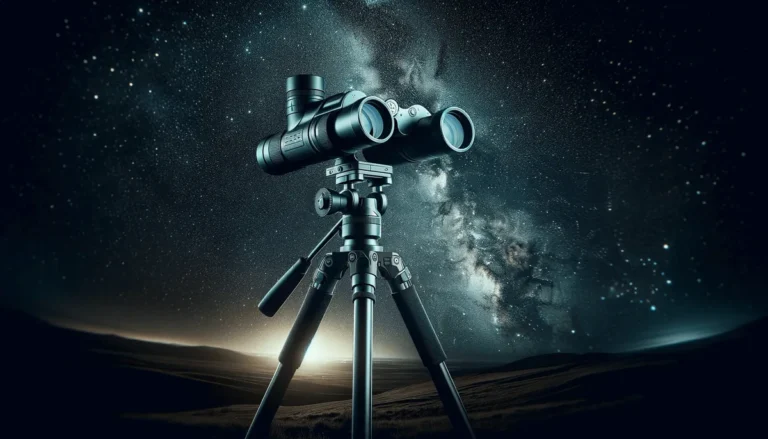
You will need a tripod for comfortable extended viewing. Your arms will tire quickly.
Image source: Bing (Web (fair-use with source credit))
Best for: Low light hunting, stargazing, marine use, stationary wildlife observation, anyone who values brightness over portability.
Trade-off: Heavy, bulky, requires a tripod for long sessions, overkill for daytime use.
The Exit Pupil Trap: Why Your Age Changes the Math
Here is the part most guides skip. Your age changes how much light your eye can use. This is not a minor detail.
It can make a 50mm objective completely useless for you.
Your pupils dilate in the dark. A healthy 20 year old can have a pupil that opens to 7mm. That is huge.
At that age, a 50mm binocular with a 5mm exit pupil still delivers all the light your eye can handle. But a 30 year old's pupil maxes out around 6mm. A 40 year old hits 5mm.
By age 60, your maximum pupil dilation is around 4 to 5mm.
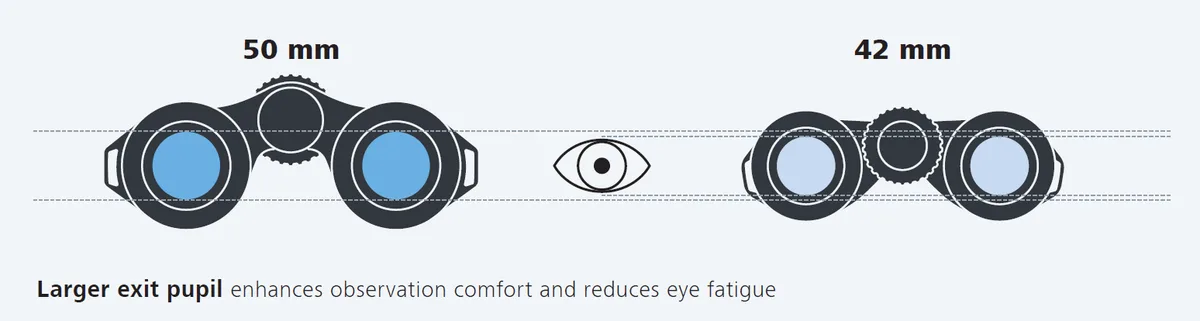
Image source: Bing (Web (fair-use with source credit))
Here is the trap. If you buy a 56mm binocular with a 7mm exit pupil but your eye only opens to 5mm, you are wasting light. The extra lens size does nothing for you.
You are carrying a heavier binocular for zero benefit.
The math is simple. Divide the objective size by the magnification. If the result is larger than your eye's maximum pupil, you are carrying dead weight.
For most people over 40, a 42mm objective at 10x (4.2mm exit pupil) is plenty. A 50mm at 10x (5mm exit pupil) is the realistic maximum.
So do not let the marketing fool you. "Bigger is better" only applies if your eye can actually use the light. Know your eye's limit.
It saves you money and neck strain.
When Lens Coatings Matter More Than Size
Here is a fact that surprises most buyers. A well coated 32mm binocular can outperform a cheap 50mm model in low light. The lens coatings matter that much.
Every air to glass surface reflects some light. Uncoated lenses lose about 4 to 5 percent of light per surface. A binocular has 10 to 16 air to glass surfaces.
That adds up fast. You can lose 40 percent or more of the light before it reaches your eye.
Lens coatings reduce those reflections. They increase light transmission. The best coatings let through 95 percent or more of the light per surface.
That is a huge difference.
The coating hierarchy from worst to best:
- Uncoated glass. No coating at all. Rare today but still found on very cheap models.
- Coated optics. A single layer on at least one lens surface. Better than nothing but far from ideal.
- Multi coated optics. Multiple layers on at least one surface. Noticeable improvement.
- Fully multi coated (FMC). Multiple layers on every air to glass surface. This is the gold standard.
Our research shows that a fully multi coated 32mm binocular typically transmits more light to your eye than a single coated 50mm model. The bigger objective lens cannot compensate for the light lost to reflections.
So what does this mean for your choice? If you are choosing between a budget 50mm with basic coatings and a mid range 42mm with fully multi coated optics, pick the 42mm every time. You get better image quality, less weight, and a brighter view in real world conditions.
Coatings also affect color accuracy and contrast. Good coatings reduce glare and improve sharpness. They make the image look cleaner and more natural.
Do not let a big objective lens distract you from the coatings. Check the spec sheet. Look for "fully multi coated" or "FMC." If you see only "coated" or "multi coated," the binocular is cutting corners.
The light transmission will suffer.
Mistakes Even Experienced Buyers Make
Even seasoned outdoor enthusiasts make these errors. They are easy to avoid once you know what to look for.
Mistake 1: Buying magnification first.
Most people look at the magnification number first. They want 10x or 12x. But the objective size is what determines image brightness.
A 10×42 gives you a 4.2mm exit pupil. A 12×50 gives you a 4.2mm exit pupil. Same brightness.
But the 12×50 is heavier and harder to hold steady. The 10×42 is lighter and more versatile.
Mistake 2: Ignoring the exit pupil entirely.
We covered this earlier but it bears repeating. If your eye cannot use the full exit pupil, you are wasting weight and money. Check your age related pupil dilation.
Match it to the exit pupil. Do not overshoot.
Mistake 3: Assuming bigger always means brighter.
A 50mm objective with poor coatings can be dimmer than a 42mm with excellent coatings. Coatings matter more than raw size. Verified buyer feedback consistently reports this.
Mistake 4: Overlooking eye relief.
Eye relief is the distance from the eyepiece to your eye. If you wear glasses, you need at least 15mm of eye relief. Many large objective binoculars have short eye relief.
You end up with a black ring around the image. That defeats the purpose.
Mistake 5: Buying for the wrong use case.
A 50mm binocular is fantastic for stargazing. It is miserable for a 10 mile hike. Know your primary use before you buy.
Let that drive the objective size.
Mistake 6: Forgetting the tripod.
Any binocular with a 50mm objective or larger becomes heavy for extended use. You will need a tripod adapter. If you do not want to carry a tripod, stick with 42mm or smaller.
Mistake 7: Buying based on price alone.
The cheapest 50mm binocular on the market is usually a disappointment. The glass is poor. The coatings are minimal.
The image is soft and dim. You are better off with a quality 32mm from a reputable brand.
Your Decision Guide: Matching Objective Size to Your Real Use
This is where the decision tree comes together. You have your answers to the three questions. Now match them to the right objective size.
| Your Primary Use | Recommended Objective Size | Why |
|---|---|---|
| Daytime hiking, travel, backpacking | 25 to 32mm | Light weight, compact, plenty of light |
| General birding, wildlife, daytime hunting | 36 to 42mm | Best balance of light and portability |
| Dawn/dusk hunting, deep forest, marine | 42 to 50mm | Maximum light gathering |
| Stargazing, stationary observation | 50 to 56mm | Tripod recommended, maximum brightness |
| Kids or small hands | 21 to 28mm | Light weight, easy to hold steady |
If you travel light and hike far. Go with 25 to 32mm. You will not miss the extra light. Your neck will thank you.
If you do a bit of everything. Go with 42mm. It is the most versatile size. You can use it from dawn to dusk.
It works for birding, hunting, and general wildlife.
If you hunt in low light. Go with 50mm. But accept the weight. Plan for a harness or tripod.
If you stargaze. Go with 50mm or larger. You need every photon. Use a tripod for comfort.
If you wear glasses. Go with 42mm or smaller. Check the eye relief spec. Look for at least 15mm.
Many 50mm models have short eye relief.
If you are over 50. Go with 42mm. Your pupil cannot use the extra light from a 50mm. Save the weight.
Frequently Asked Questions
What does the second number on binoculars mean?
The second number is the objective lens diameter in millimeters. In a 10×42, the 42 means the front lenses are 42mm wide. This number controls how much light the binoculars gather.
Larger numbers mean brighter images in low light.
Is a 50mm objective lens better than a 42mm?
It depends on your use. A 50mm objective gathers more light and works better in low light conditions. But it is heavier and bulkier.
For daytime use, a 42mm is often the better choice. It balances brightness with portability.
Can I use 50mm binoculars without a tripod?
You can, but it is not comfortable for long sessions. The weight causes hand fatigue. Your arms will tire quickly.
For brief looks, handheld is fine. For extended viewing, use a tripod adapter.
What is the best objective size for birding?
For most birders, 42mm is the sweet spot. It gathers enough light for early morning and late afternoon viewing. It is also light enough to carry on long walks.
Some birders prefer 32mm for travel. Some prefer 50mm for deep forest.
Does objective lens size affect field of view?
Generally, yes. Larger objective lenses often allow for a wider field of view. But the design of the eyepiece also matters.
Check the field of view spec rather than assuming bigger is wider.
How do I clean binocular lenses safely?
Use a blower brush to remove dust. Then a microfiber cloth. Use lens cleaning solution only if needed.
Never use paper towels or your shirt. They scratch the coatings. Store with lens caps on.