What Does 12×50 Mean on Binoculars
If you have ever picked up a pair of binoculars and wondered what the numbers on the side mean, you are not alone. The question "what does 12×50 mean on binoculars" is one of the most common we hear from new birders, stargazers, and hunters. The short answer is that 12x is the magnification power, and 50 is the diameter of the objective lenses in millimeters.
But those two numbers together tell a much bigger story about how the binoculars will actually perform in your hands.
Exit pupil is the single most useful spec for predicting low-light performance. For a 12×50, that calculation is 50 divided by 12, which gives you roughly 4.2 millimeters. As of 2026, this places the 12×50 firmly in the category of a specialized tool for long-distance viewing rather than an all-around everyday pair.
Let us break down exactly what each number means and how it affects your view.
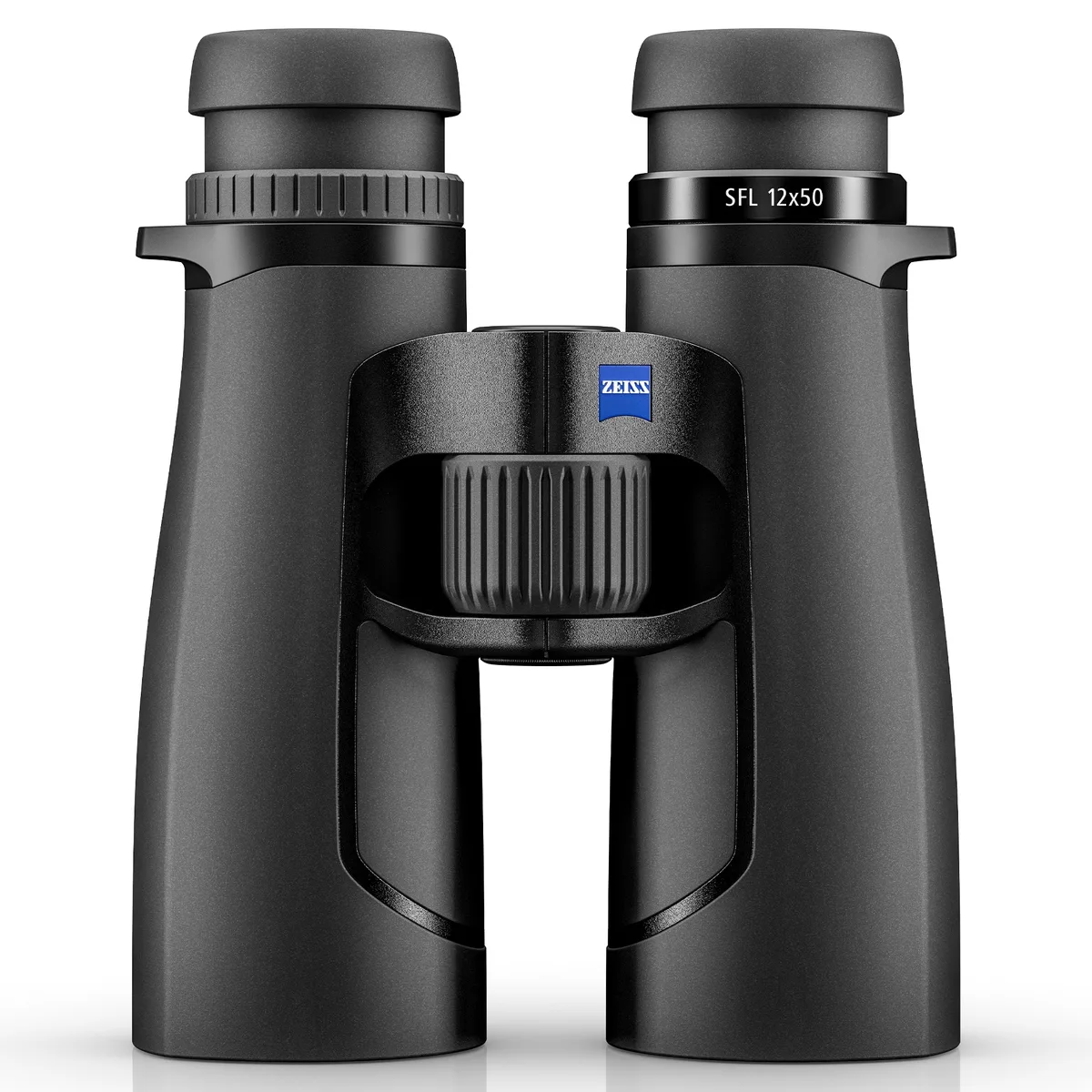
Image source: Bing (Web (fair-use with source credit))
Quick Answer
12x means an object appears 12 times closer than with the naked eye. 50mm is the diameter of the front lenses. The exit pupil is 4.2mm, calculated by dividing 50 by 12. This combination is best for astronomy and long-distance viewing.
A tripod helps reduce image shake.
The Core Explanation: Magnification (12x) and Objective Lens (50mm) Broken Down
What Does 12x Magnification Mean in Practice?
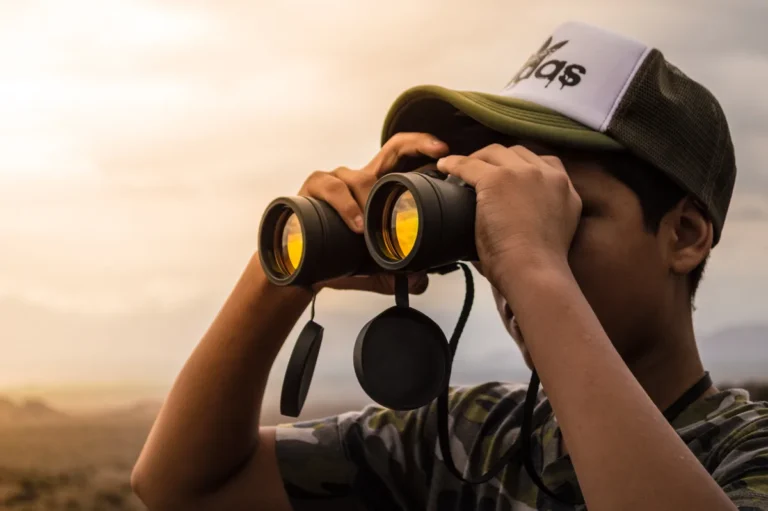
12x magnification means the image you see through the binoculars appears 12 times larger than what your unaided eye sees. That is a straightforward definition. In practical terms, it means a bird at 120 yards looks like it is only 10 yards away.
This is a significant amount of reach. For comparison, most general-purpose binoculars are 8x or 10x. The 12x brings you closer, but it also magnifies every tiny movement of your hands.
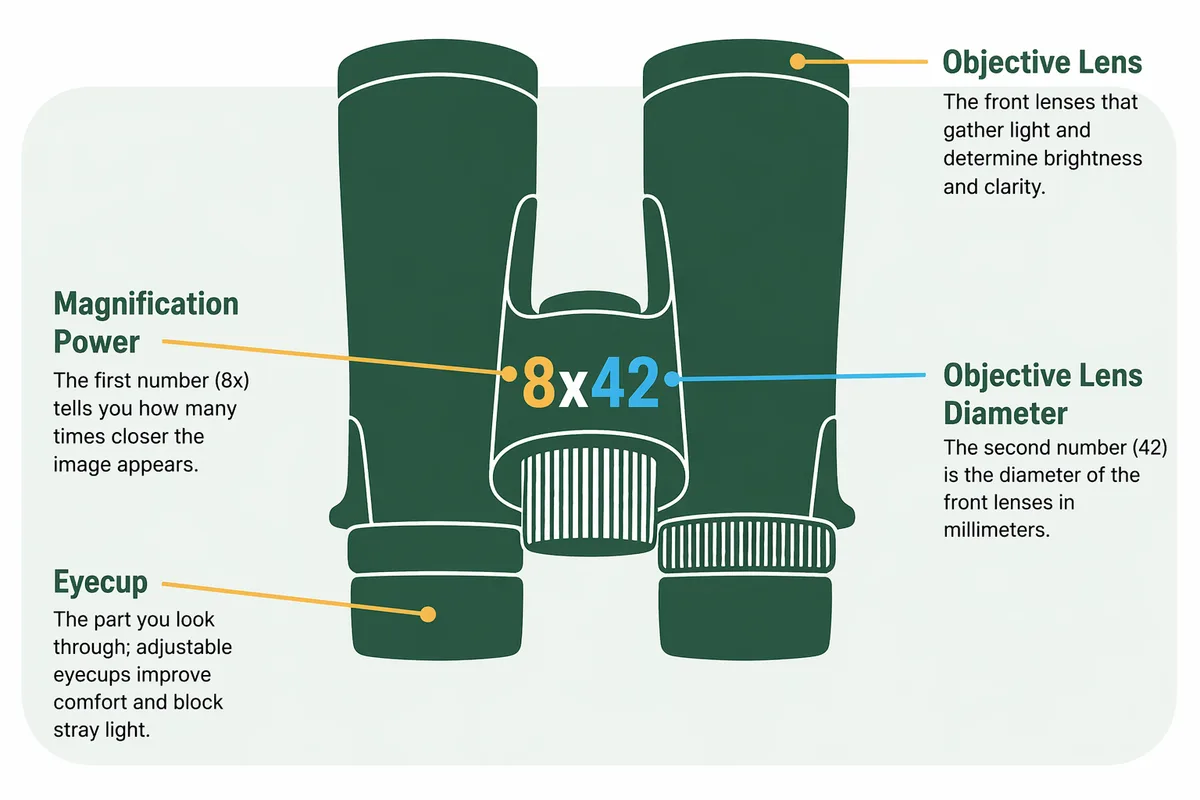
Image source: Bing (Web (fair-use with source credit))
Per ISO 14132, the international standard for binocular specifications, the objective lens diameter is a key factor in determining the instrument's light-gathering ability. The 12x magnification also narrows the field of view compared to lower-power binoculars. Expect a field of view around 300 to 350 feet at 1,000 yards.
That is roughly 5 to 6 degrees of angular field.
Why Does the 50mm Objective Lens Matter?
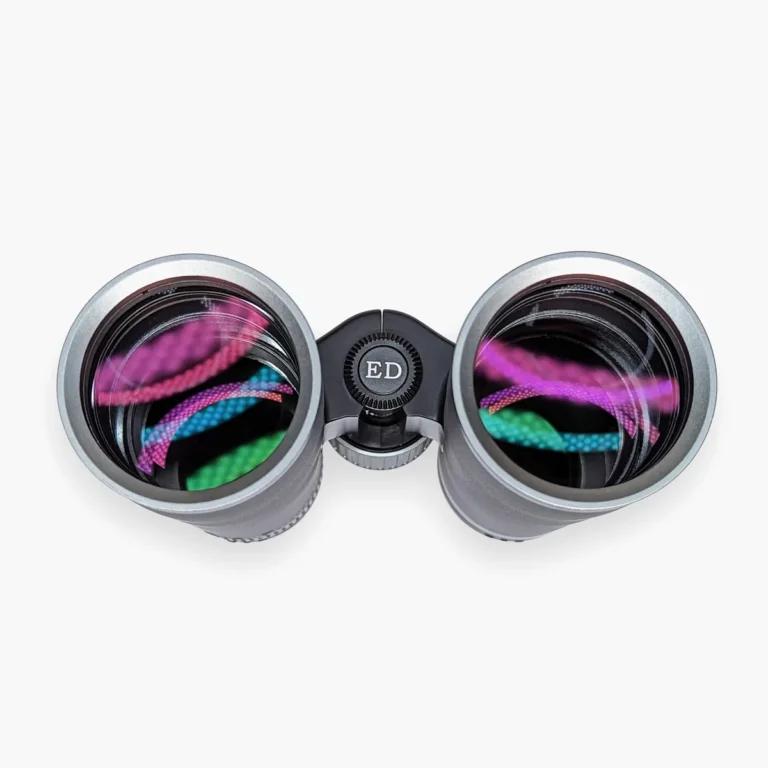
The second number, 50, refers to the diameter of the objective lenses measured in millimeters. These are the large lenses at the front of the binoculars. Larger objective lenses capture more light.
A 50mm lens collects about 40 percent more light than a 42mm lens. This is critical in low-light conditions like dawn, dusk, or deep shade. The trade-off is size and weight.
A 50mm objective means a bigger, heavier pair of binoculars.
Objective Lens Size Comparison
| Objective Size | Typical Use Case | Light Gathering vs. 50mm |
|---|---|---|
| 32mm | Hiking, general birding | 60% less light |
| 42mm | All-around nature viewing | 40% less light |
| 50mm | Astronomy, low-light hunting | Same (baseline) |
| 56mm | Deep-sky astronomy | 25% more light |
The 50mm objective also affects the prism type. Most 12×50 binoculars use Porro prisms because they are cheaper to manufacture and produce a wider field of view. Roof prism models exist but are more expensive and typically heavier.
The image you see through the binoculars will be brighter and more detailed in low light than a 10×42, but it will be noticeably heavier in your hands.
The Exit Pupil: Why 4.2mm Matters for Your Eyes
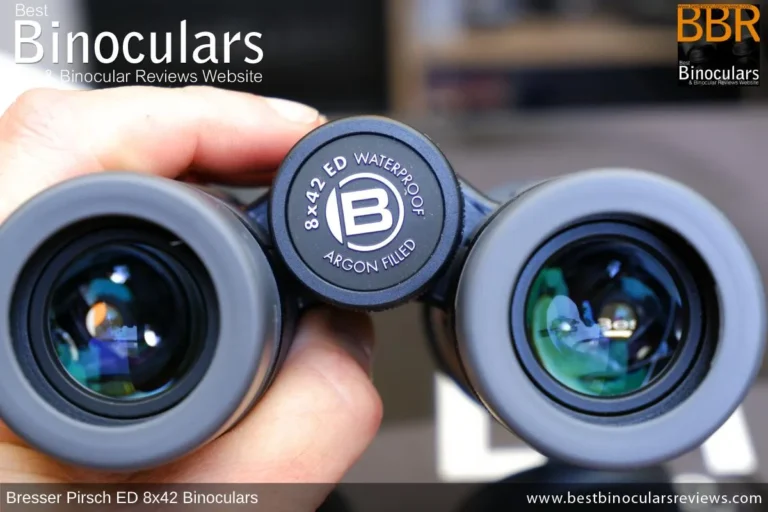
The exit pupil is the small circle of light you see when you hold the binoculars at arm's length and look at the eyepieces. It is the key to understanding how well the binoculars will perform in low light. The formula is simple: divide the objective lens diameter by the magnification.
For a 12×50, that is 50 divided by 12, which equals 4.17mm. Most manufacturers round this to 4.2mm.
Your eyes play a big role here. In bright daylight, your pupils contract to about 2 to 3mm. A 4.2mm exit pupil is more than enough.
But in low light, your pupils dilate to about 5 to 7mm, depending on age. A 4.2mm exit pupil means the binoculars are delivering less light than your eye can actually accept. This is why 12×50 binoculars are not ideal for deep twilight or stargazing when your eyes are fully dark-adapted.
Exit Pupil and Eye Dilation
| Light Condition | Human Pupil Size | Exit Pupil Adequacy |
|---|---|---|
| Bright daylight | 2-3mm | More than enough |
| Overcast or shade | 4-5mm | Adequate to good |
| Dusk or dawn | 5-6mm | Marginally adequate |
| Full dark adaptation | 6-7mm | Below ideal |
The 4.2mm exit pupil is a compromise. It provides a bright enough image for most daytime and early dusk conditions. But if you plan to use the binoculars primarily for astronomy, a 10×50 or 7×50 with a 5mm or 7mm exit pupil would serve you better.
The 12×50 is a capable tool for moon and bright planet observation, but it struggles with faint deep-sky objects.
The Real-World Trade-Offs: When 12×50 Shines and When It Does Not
Every binocular is a series of trade-offs. The 12×50 is no exception. It excels in specific scenarios but falls short in others.
The key is matching the tool to your actual use case.
Benefits of 12×50
- High magnification for detail on distant objects such as birds, wildlife, or landmarks.
- Large objective lens gathers plenty of light for dawn and dusk viewing.
- Excellent for tripod-mounted astronomy on the moon and bright planets.
- Good for open landscapes where you need to reach far across fields or water.
Drawbacks of 12×50
- Image shake is significant. Handheld use is difficult for most people. A tripod or monopod is strongly recommended.
- Weight is a factor. Expect 30 to 40 ounces, which is tiring for long sessions.
- Narrow field of view compared to 8×42 or 10×42. You will see less of the scene at once.
- The 4.2mm exit pupil is not ideal for fully dark-adapted eyes, limiting deep-sky astronomy.
The single biggest complaint about 12×50 binoculars is the image shake. Many buyers expect to use them handheld and are disappointed by the jittery view. The simple fix is a tripod, but that adds bulk and reduces portability.
If you anticipate mostly handheld use, an 8×42 or 10×42 is a more practical choice.
Who Is 12×50 For? Use Cases and Target Audience
The 12×50 is a specialized tool, not an everyday pair. It is best suited for people who prioritize reach over convenience. Here are the primary audiences and their specific needs.
Use Case Breakdown
| Audience | Primary Use | Why 12×50 Works | Why It Might Not Work |
|---|---|---|---|
| Birdwatchers (open areas) | Shorebirds, raptors, waterfowl | High magnification for distant birds | Heavy and shaky for long sessions |
| Stargazers (entry-level) | Moon, planets, bright clusters | Large objective gathers light | Exit pupil too small for faint deep-sky |
| Hunters (long-range) | Glassing open fields at dawn or dusk | Excellent reach and low-light performance | Heavy to carry and hard to hold steady |
| Marine or boaters | Spotting landmarks, buoys, wildlife | High magnification over water | Weight and image shake on moving boat |
| Wildlife photographers | Scouting, locating subjects | Brings distant subjects into view | Tripod dependence adds setup time |
If you are a birder who spends most of your time in dense forest or woodland, a 12×50 is probably overkill. The narrow field of view makes it hard to track birds in the canopy. An 8×42 or 10×42 is a better choice.
If you are a stargazer who wants to see the Milky Way or faint nebulae, a 7×50 or 10×50 with a larger exit pupil will serve you better. The 12×50 is best for those who need to see detail at distance and are willing to use a tripod or sturdy support.
12×50 vs. 8×42 vs. 10×42: A Visual Comparison
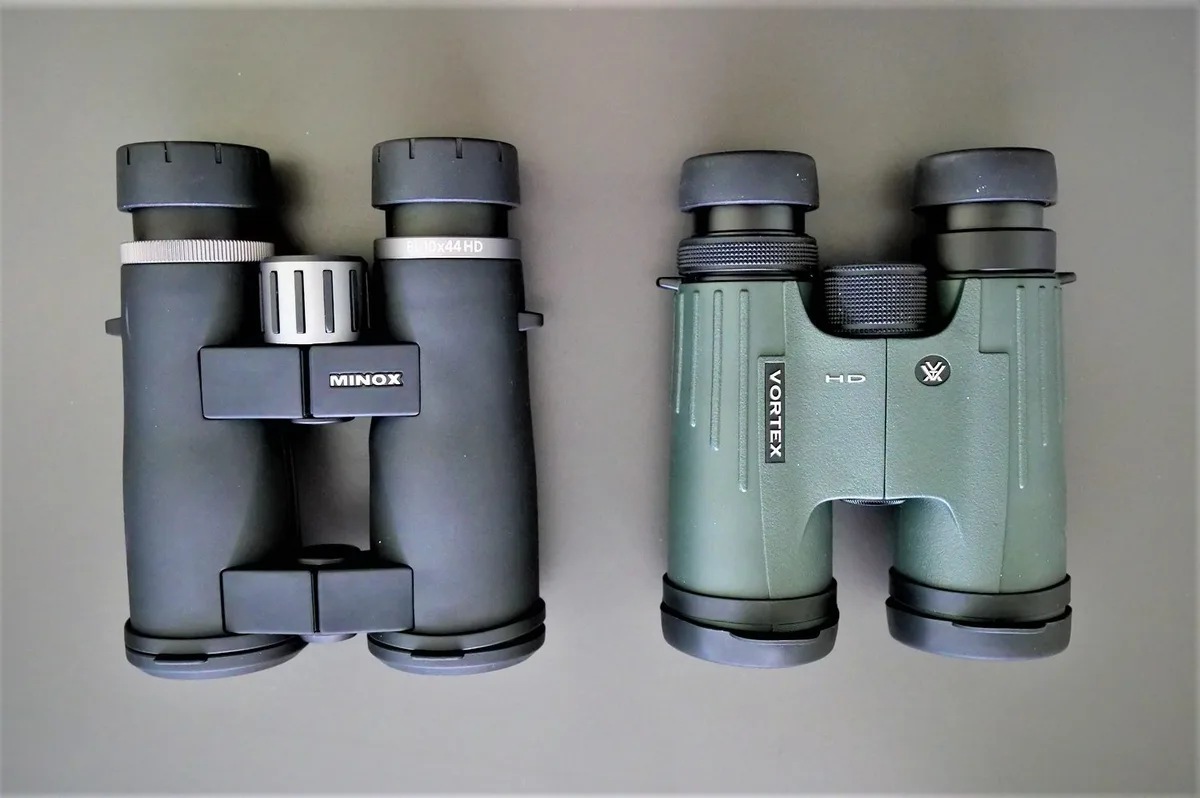
Image source: Bing (Web (fair-use with source credit))
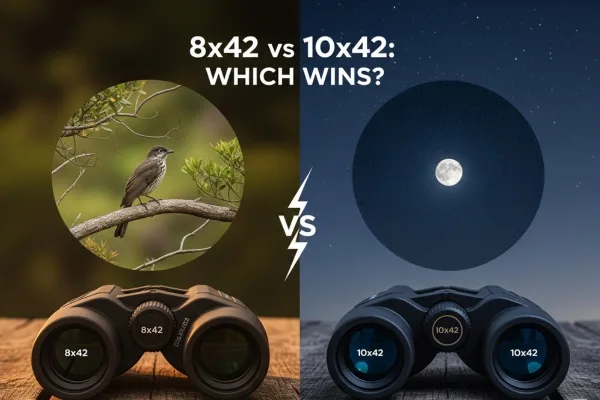
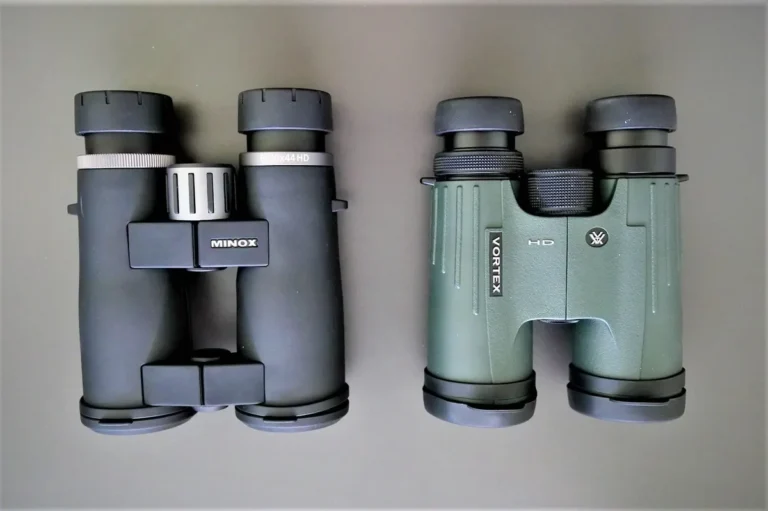
The 12×50 is often compared to the two most popular binocular formats: 8×42 and 10×42. Each has a different trade-off between magnification, field of view, brightness, and portability. Understanding these differences helps you decide which is right for you.
8×42 is the all-around champion. The 8x magnification is easy to hold steady. The 5.25mm exit pupil (42 divided by 8) matches your eye well in low light.
The field of view is wide, typically around 400 feet at 1,000 yards. This makes it ideal for hiking, birding in forests, and general nature watching. You lose some reach, but you gain a stable, comfortable view.
10×42 is the standard for serious birders and hunters. The 10x magnification gives you more detail than 8x, but the image shake is noticeable. The exit pupil is 4.2mm, the same as a 12×50.
The field of view is narrower than 8×42, around 340 feet at 1,000 yards. It is a good middle ground between reach and usability.
12×50 is the specialist. The 12x magnification gives you the most detail. The 50mm objective provides the most light gathering of the three.
But the image shake is significant. The field of view is the narrowest, around 300 feet at 1,000 yards. The weight is the highest.
It is best for tripod-mounted use or situations where you absolutely need the extra reach.
Side-by-Side Comparison
| Spec | 8×42 | 10×42 | 12×50 |
|---|---|---|---|
| Magnification | 8x | 10x | 12x |
| Objective lens | 42mm | 42mm | 50mm |
| Exit pupil | 5.25mm | 4.2mm | 4.2mm |
| Typical field of view @ 1000 yards | 400 ft | 340 ft | 300 ft |
| Typical weight | 20-25 oz | 22-28 oz | 30-40 oz |
| Handheld stability | Excellent | Good | Poor |
| Low-light performance | Good | Moderate | Moderate |
| Close focus distance | 6-8 ft | 8-10 ft | 15-25 ft |
Most people who buy a 12×50 eventually realize they need a tripod for steady viewing. If you are buying your first pair of binoculars, an 8×42 or 10×42 is a smarter choice. The 12×50 is best for experienced users who know they need the extra power and are willing to accept the trade-offs.
Common Mistakes to Avoid with 12×50 Binoculars
The biggest mistake is expecting handheld stability. You cannot hold a 12×50 steady for more than a few seconds. The image shakes with every heartbeat and breath.
Many buyers return their 12x50s because they blame the binoculars for the jittery view. The problem is not the optics. It is the physics of high magnification.
Use a tripod or a monopod. It makes a night and day difference.
Another common mistake is ignoring the exit pupil. Buyers see the 50mm objective and assume the binoculars will be bright in deep twilight. The 4.2mm exit pupil is not ideal for fully dark-adapted eyes.
If you primarily stargaze or hunt in the last 10 minutes of legal light, a 7×50 or 8×56 with a larger exit pupil will serve you better.
A third mistake is buying based on price alone. Cheap 12×50 binoculars often have poor lens coatings and misaligned prisms. The image can be blurry or dim.
Per the ANSI Z87.1 standard for optical performance, quality control matters. A $50 pair of 12x50s will likely disappoint. A $200 to $400 pair from a reputable manufacturer is a safer bet.
Look for fully multi-coated lenses and phase correction if you choose a roof prism model.
A fourth mistake is ignoring the close focus distance. A 12×50 typically has a close focus of 15 to 25 feet. That means you cannot focus on a butterfly at 10 feet.
If you want to observe things up close, keep your 8×42 handy. The 12×50 is for distant subjects only.
Pro Tips for Getting the Most Out of Your 12x50s
Use a tripod. This is the single most important tip. A sturdy tripod with a binocular adapter or a U-bracket will transform your viewing experience.
The image becomes rock steady. You will see detail you never noticed before. A monopod is a good compromise if you need to move frequently.
It reduces shake but does not eliminate it entirely.
Master the holding technique. If you must use them handheld, brace yourself. Sit down.
Lean against a tree or a wall. Tuck your elbows into your chest. Hold the binoculars with both hands and press your thumbs against your cheekbones.
This creates a stable platform. Even then, expect some shake. It is normal.
Adjust the diopter correctly. The diopter ring, usually on the right eyepiece, adjusts for differences between your eyes. To set it, cover the right objective lens with your hand.
Focus on a distant object using the center wheel. Then uncover the right lens and cover the left lens. Adjust the diopter ring until the image is sharp.
This ensures both eyes see a clear image.
Use the eyecups properly. Twist-up eyecups are designed for people who do not wear glasses. If you wear glasses, twist the eyecups down.
This brings your eye closer to the lens and gives you the full field of view. If you do not wear glasses, keep the eyecups extended. This blocks stray light from the sides.
Store them correctly. Keep your 12x50s in a dry, cool place. Humidity can cause fungus on the lenses.
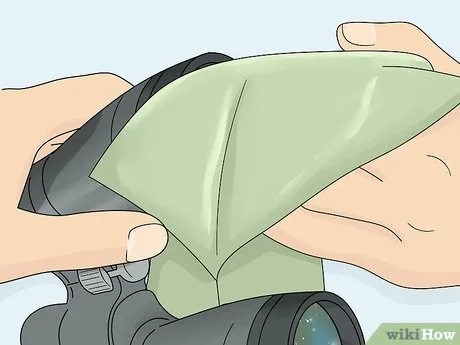
Use a silica gel packet in the case. Always use the lens caps when not in use. Clean the lenses with a blower brush first, then a microfiber cloth.
Never use your shirt or paper towels. That scratches the coatings.
Frequently Asked Questions
What does 12×50 mean on binoculars?
12x means the binoculars magnify the image 12 times. 50 means the objective lenses are 50 millimeters in diameter. Together they determine the magnification, brightness, and field of view.
Is 12×50 good for stargazing?
It is good for the moon and bright planets. The 4.2mm exit pupil is not ideal for faint deep-sky objects. A 7×50 or 10×50 with a larger exit pupil is better for deep-sky astronomy.
Can I use 12×50 binoculars without a tripod?
You can, but the image will shake. Most people find it difficult to hold them steady. A tripod or monopod is strongly recommended for comfortable viewing.
What is the field of view of 12×50 binoculars?
Typically 300 to 350 feet at 1,000 yards. That is about 5 to 6 degrees of angular field. It is narrower than 8×42 or 10×42 binoculars.
What is the close focus distance for 12×50 binoculars?
Most 12×50 models have a close focus of 15 to 25 feet. They are not designed for close-up observation. Keep a separate pair for near subjects.
How much do 12×50 binoculars weigh?
Expect 30 to 40 ounces. That is significantly heavier than 8×42 or 10×42 models. The weight is a trade-off for the larger objective lenses.