Are Expensive Binoculars Worth It
If you've ever wondered whether expensive binoculars are worth it, the answer depends on what you're looking at, when you're looking, and how much you care about the difference. The gap between a $50 pair and a $500 pair is enormous. The gap between $500 and $1,500 is real but smaller.
Past $1,500, you're paying for the last few percent of perfection.
Our research shows the single most important spec separating cheap from premium is lens coating quality. Fully multi-coated lenses transmit about 90 to 95 percent of available light. Budget models often manage only 70 to 80 percent.
That difference matters most at dawn, dusk, or in dense forest shade. The ISO 14132 standard defines how these specs are measured, so you can compare apples to apples across brands.
Quick Answer
Expensive binoculars are worth it if you use them weekly or more. They deliver sharper images, better low-light performance, and longer durability. For casual use a few times a year, a $100 to $150 pair is sufficient.
The best value is in the $200 to $400 range.
The Real Question: Are Expensive Binoculars Actually Better?
Yes, they are optically better, but "better" means different things depending on your use. A premium binocular delivers a sharper, brighter, and more color-accurate image. It also tends to be more durable and backed by a better warranty.
But those improvements come with diminishing returns.
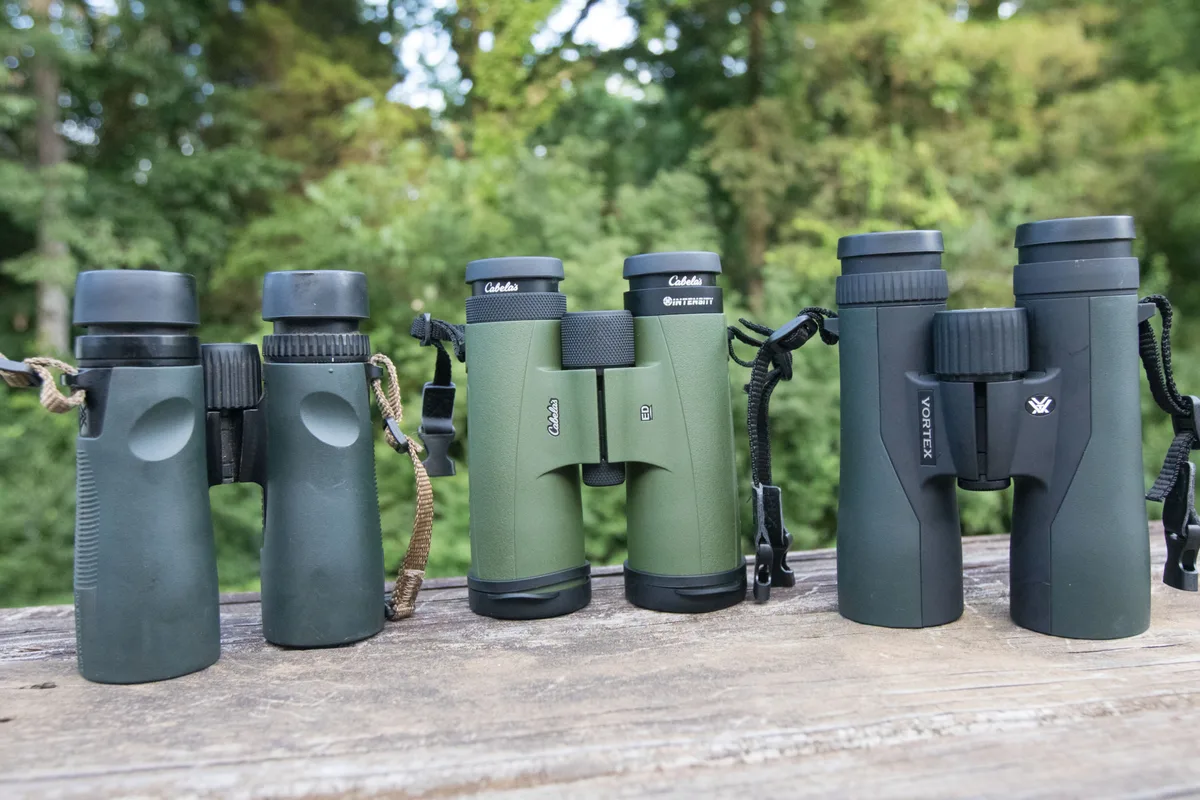
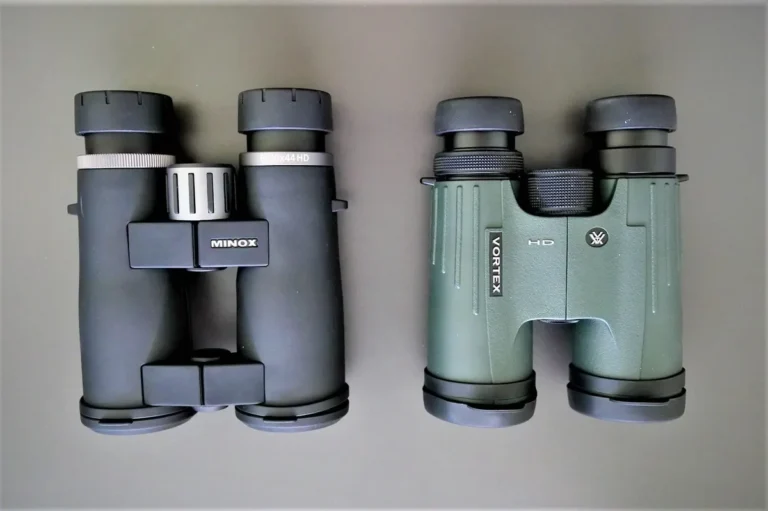
Image source: Bing (Web (fair-use with source credit))
| Attribute | Budget ($50-$100) | Mid-Range ($100-$400) | Premium ($400+) |
|---|---|---|---|
| Optical clarity | Noticeable fringing, softer edges | Crisp center, minor edge softness | Sharp edge-to-edge, minimal chromatic aberration |
| Low-light performance | Dim, poor contrast | Good brightness, decent contrast | Excellent brightness, high contrast |
| Build quality | Plastic, loose hinges | Metal chassis, tight focus | Magnesium alloy, precision engineering |
| Warranty | 1-5 years, limited | 10 years to lifetime, some transferable | Lifetime, no-fault, fully transferable |
| Weight | 12-18 oz | 18-25 oz | 20-30 oz |
| Typical price | $50-$100 | $100-$400 | $400-$3,000+ |
The biggest jump in quality happens between budget and mid-range. If you only use binoculars a few times a year, the budget tier may be fine. If you use them weekly, mid-range is the sweet spot.
Premium is for enthusiasts who demand the best image possible. Cornell Lab of Ornithology researchers recommend mid-range or better for serious birding because feather detail matters for identification.
What Actually Makes a Binocular Expensive? (Glass, Coatings, Prisms, and Build)
The price of a binocular comes down to four main components: the glass, the coatings, the prism system, and the build quality. Each one affects how much light reaches your eye and how sharp the image appears.
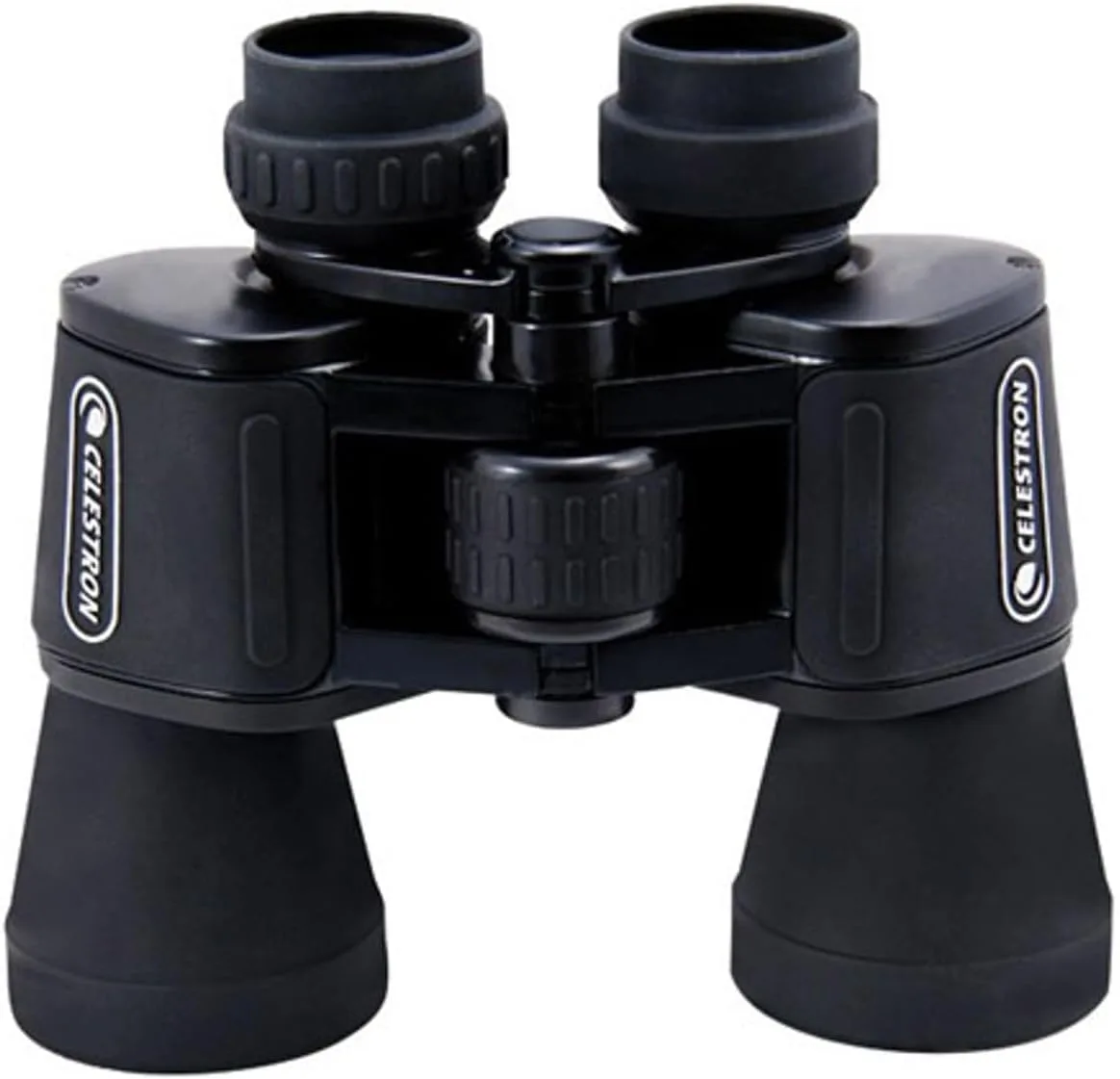
Image source: Bing (Web (fair-use with source credit))
Glass Quality
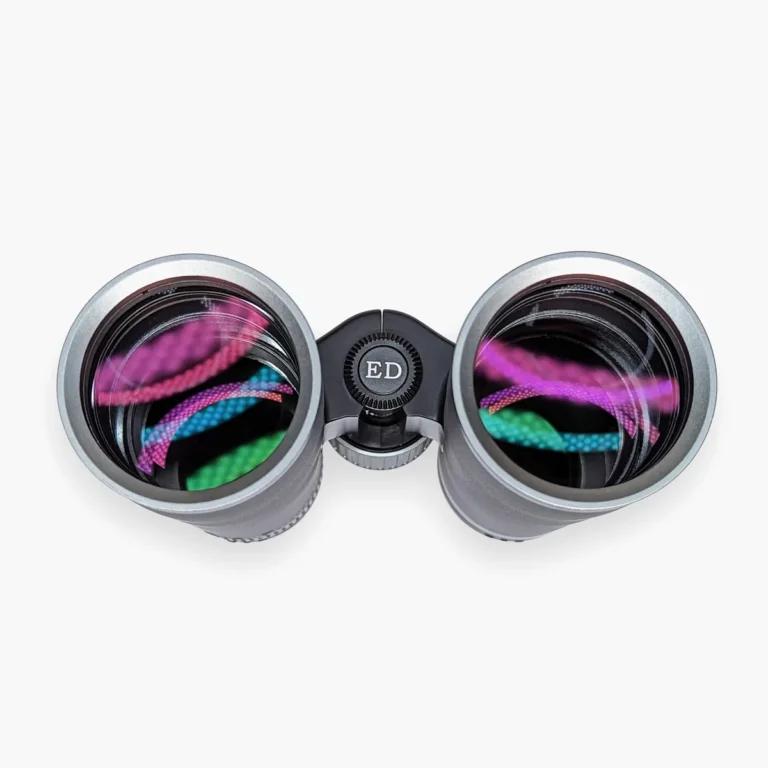
Premium binoculars use extra-low dispersion (ED) glass or high-definition (HD) glass. These materials reduce chromatic aberration, the purple fringing you see around high-contrast edges. Standard glass is cheaper but produces more color fringing, especially at the edges of the field of view.
Lens Coatings
Coatings are thin layers applied to lens surfaces to reduce light loss and glare. The best binoculars are fully multi-coated, meaning every air-to-glass surface has multiple anti-reflective layers. Phase correction coatings on roof prisms improve contrast and resolution.
Dielectric coatings on the prism mirrors boost light transmission to over 99 percent per surface.
Prism Type
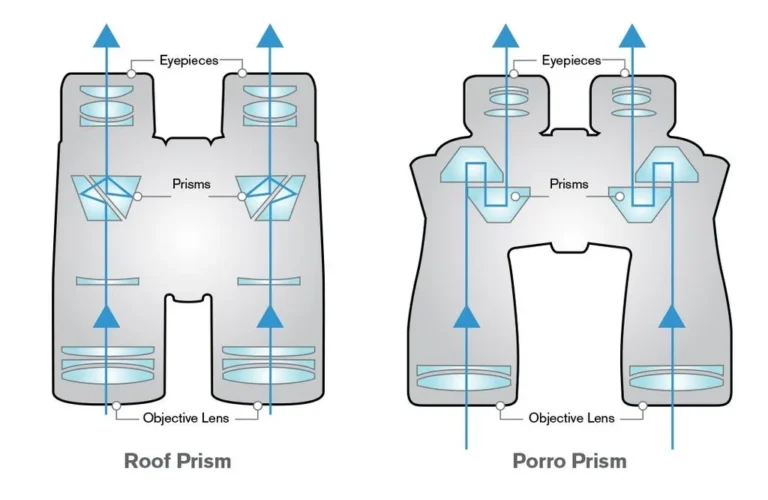
Porro prisms are older, bulkier, and cheaper to produce. They offer a wider field of view and better depth perception for the same price. Roof prisms are more compact and streamlined, but they require phase and dielectric coatings to match the image quality of a Porro at the same price point.
Under $200, a good Porro often beats a cheap roof prism in image quality.
Build Quality
Premium binoculars use magnesium alloy or polycarbonate chassis with rubber armor for shock absorption. They are nitrogen or argon purged for fog-proofing and O-ring sealed for waterproofing. Budget models often use plastic bodies that flex, causing misalignment over time.
A solid build means the binoculars stay collimated and functional for decades.
The Price of a Pair: Where Your Money Goes (and Where It Doesn't)
| Price Range | What You Get | What You Miss |
|---|---|---|
| Under $100 | Basic optics, plastic build, limited warranty | Poor low-light performance, no phase coating, frequent misalignment |
| $100-$400 | Fully multi-coated, metal chassis, good warranty | Edge softness, some chromatic aberration, heavier weight |
| $400-$1,000 | ED glass, phase and dielectric coatings, lifetime warranty | Still some edge softness, not as bright as premium |
| $1,000+ | Fluorite or ED glass, premium coatings, no-fault warranty | You pay for the last 5-10% of performance |
The biggest value is in the $100-$400 range. That's where you get fully multi-coated optics and a decent build. Above $400, you're paying for incremental improvements in glass and coatings.
Below $100, you're sacrificing image quality and durability.
Warranty is a hidden cost factor. A premium binocular with a lifetime no-fault warranty costs more upfront but can save you money if you drop it or break it. Budget models with a short warranty may need replacement every few years.
Over a decade, the premium pair can actually be cheaper if you factor in replacements.
The Decision Tree: Should You Spend More or Save?
Answer these three questions in order. Each branch leads to a clear price range.
Question 1: How often do you use binoculars?
- Less than 5 times a year: stay under $150.
- Monthly: spend $100-$300.
- Weekly or more: spend $200-$600.
- Professionally or daily: spend $500-$1,500+.
Question 2: What is your primary use case?
- Birding: mid-range to premium, 8×42, fully multi-coated, good close focus (6-8 feet).
- Hunting: mid-range, durable, waterproof, good low-light performance.
- Stargazing: large objective (50mm+), high magnification, tripod-ready.
- General outdoor: compact, lightweight, waterproof, 8×32 or 10×42.
Question 3: What is your budget?
- Under $100: look for Porro prisms, fully coated (not multi-coated).
- $100-$300: best value, get fully multi-coated, roof or Porro.
- $300-$600: get ED glass, phase coating, good warranty.
- $600+: you're in premium territory, focus on brand and warranty.
Final Recommendation:
- If you answered "rarely" to Q1 and "general" to Q2, buy a $100-$150 pair. You'll be happy.
- If you answered "weekly" to Q1 and "birding" to Q2, invest $300-$600. The difference is worth it.
- If you answered "professional" to Q1, spend $500-$1,500+. Your eyes and your work will thank you.
Who Really Needs Premium Binoculars? (Birders, Hunters, Stargazers, Pros)
Birders need to see fine details like feather patterns and eye rings. Poor optics can cause you to miss a key identification. Premium binoculars offer the sharpness and color accuracy needed for serious birding.
A good mid-range model is fine for backyard birding, but if you travel to see rare species, the upgrade is worth it.
Hunters need to spot game at dawn and dusk when light is low. A premium binocular with high light transmission can make the difference between seeing a deer and missing it. They also need durability in rough terrain.
A waterproof, fog-proof, rubber-armored model is essential. Mid-range models from brands with strong warranties are a solid choice.
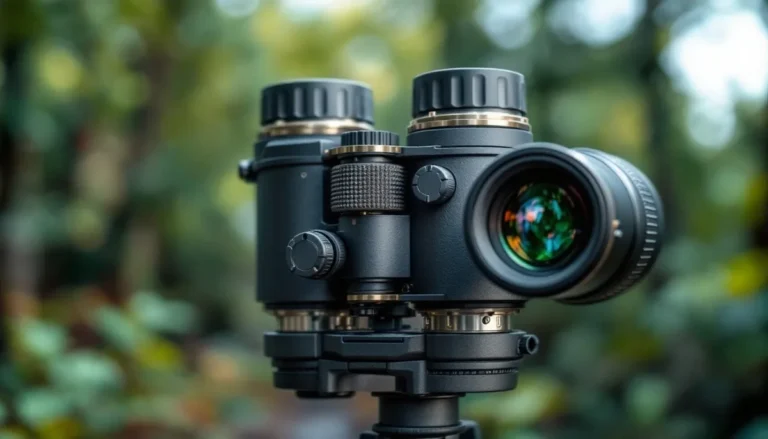
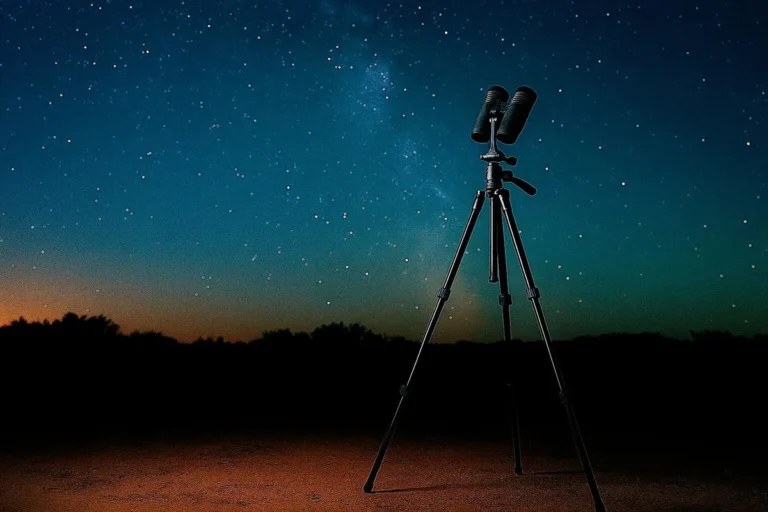
Stargazers benefit from large objective lenses and high magnification. Premium binoculars with ED glass minimize chromatic aberration, making stars appear sharper. A tripod adapter is essential for longer sessions.
For casual stargazing, a 10×50 in the $200-$400 range is adequate. For serious astronomy, $500+ is justified.
Professionals like guides, naturalists, and ornithologists use binoculars daily. They need reliability, repairability, and a warranty that covers accidents. Premium brands offer no-fault warranties that replace a broken pair for a small fee.
For a professional, the cost of a premium pair is a business expense, not a luxury.
When You Can Get Away with a Budget Pair (and Still Be Happy)
Not everyone needs premium binoculars. If you use binoculars a few times a year for casual backyard birding or a trip to the ballgame, a budget pair in the $50 to $100 range will serve you fine.
The key is matching the binocular to your actual needs. For daytime use in good light, the difference between a cheap pair and a mid-range pair is much smaller than in low light. You can get away with lower light transmission and simpler coatings when the sun is high.
What to look for in a budget pair: fully coated optics (not just "coated"), a Porro prism design for better image quality at the same price, and a weight under 18 ounces. Avoid zoom binoculars in this price range. They add complexity and reduce image quality.
Stick with a fixed magnification like 8x or 10x.
The biggest risk with budget binoculars is durability. A drop can knock them out of collimation. The image will look double or cause headaches.
If you treat them carefully and keep them in their case, they can last years. But they aren't built for rough use.
A good budget pair is better than no binoculars at all. If you're just starting out or unsure how much you'll use them, start cheap. You can always upgrade later.
Many birders and hunters started with a $60 pair before moving up.
Common Mistakes That Cost You Money (Over-Magnification, Wrong Prism, Ignoring Eye Relief)
The most common mistake is buying too much magnification. Many people think 12x or 16x is better because it makes things look bigger. In reality, higher magnification magnifies hand shake, narrows the field of view, and makes it harder to find and track moving objects.
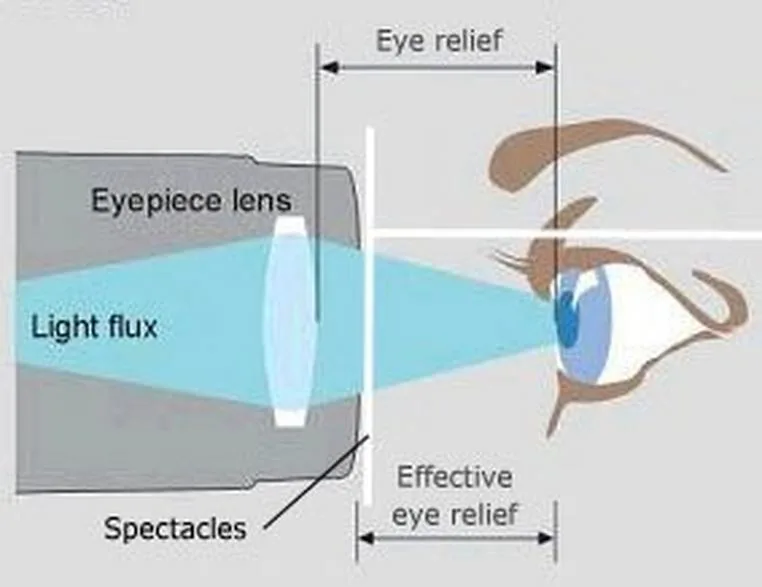
Image source: Bing (Web (fair-use with source credit))
For handheld use, 8x or 10x is the sweet spot. 8x gives a wider field of view and a steadier image. 10x pulls things closer but is harder to hold steady. Anything above 10x needs a tripod for a clear image.
The second mistake is choosing a roof prism binocular under $200 over a Porro prism at the same price. Roof prisms are more expensive to manufacture properly. A cheap roof prism lacks phase and dielectric coatings.
The image is dimmer and less sharp than a Porro at the same price point. If compactness is not critical, get a Porro.
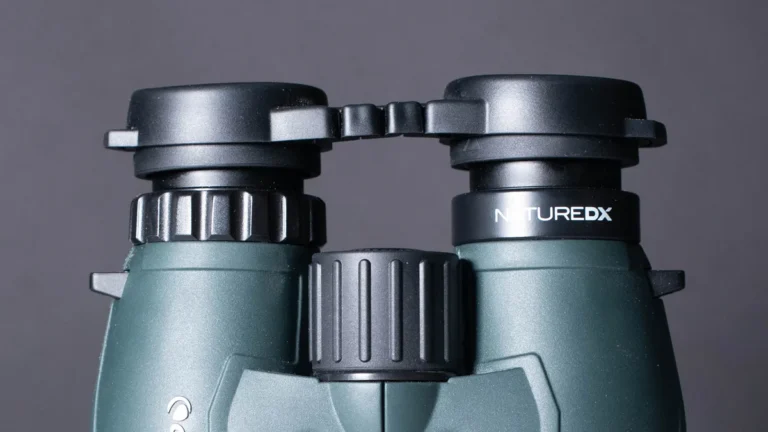
The third mistake is ignoring eye relief. Eye relief is the distance your eye can be from the eyepiece and still see the full field of view. If you wear glasses, you need at least 15 to 20 millimeters of eye relief.
Without enough eye relief, you get black rings around the image or can't see the full picture.
Other common mistakes include buying based on brand alone, skipping the warranty check, and not testing the weight in your hands. A heavy pair that feels fine in the store can be miserable on a long hike.
| Mistake | Why It Costs You | What to Do Instead |
|---|---|---|
| 12x magnification handheld | Shaky image, narrow field | Choose 8x or 10x |
| Cheap roof prism under $200 | Dim, poor contrast | Buy a Porro prism at the same price |
| Ignoring eye relief | Black rings, reduced field | Check eye relief is 15mm+ for glasses |
| Buying without testing | Uncomfortable fit, heavy weight | Hold the binoculars before buying |
| No warranty check | Expensive replacements | Look for lifetime or transferable warranty |
Expert Tips to Get the Most Out of Your Binoculars (Testing, Warranty, Maintenance)
Testing before buying. If you can, test binoculars in a store. Look at something with fine detail, like a sign or a tree branch 50 to 100 yards away. Check the focus mechanism.
It should be smooth, not stiff or loose. Adjust the diopter for your dominant eye. Look at the edges of the field.
Are they sharp or soft?
Using the warranty. A lifetime no-fault warranty is a huge advantage. Brands like Vortex, Swarovski, and Leupold offer warranties that cover accidental damage. You pay a small fee for repairs or replacement.
This can save you hundreds of dollars over the life of the binoculars. Register your warranty as soon as you buy.
Maintenance. Store binoculars in a dry place at room temperature. Use the lens caps when not in use. Clean lenses with a microfiber cloth and a lens brush.
Never use paper towels or your shirt. They can scratch the coatings. If the binoculars get wet, dry them with a soft cloth and let them air out.
Long-term care. Check the collimation every few years. Hold the binoculars up to your eyes and look at a distant object. If the image is double or causes eye strain, the alignment is off.
Some brands offer free collimation under warranty. Others charge a fee. Catching it early prevents headaches and keeps the image sharp.
Frequently Asked Questions
How much should I spend on binoculars for birding?
For serious birding, spend $200 to $600. The sweet spot is around $300 to $400. You get fully multi-coated optics, good low-light performance, and a reliable warranty.
For casual backyard birding, $100 to $200 is enough.
Is 12x magnification too much for handheld binoculars?
Yes, for most people. 12x magnifies hand shake significantly. You need a steady rest or a tripod to get a clear image. For handheld use, 8x or 10x is better. 8x is easier to hold steady and gives a wider field of view.
What does fully multi-coated mean on binoculars?
It means every air-to-glass surface has multiple anti-reflective layers. This reduces light loss and glare. Fully multi-coated binoculars transmit about 90 to 95 percent of available light.
"Fully coated" means one layer on each surface, which is less effective.
Do I need waterproof binoculars?
If you use binoculars outdoors in any weather, yes. Waterproof binoculars are sealed with O-rings and purged with nitrogen or argon. They won't fog up internally.
They can handle rain, snow, and humidity. Non-waterproof models can fog or grow mold inside.
Can I wear glasses with binoculars?
Yes, if the binoculars have enough eye relief. Look for models with 15 to 20 millimeters of eye relief. Twist-up eyecups let you adjust the distance.
If you wear glasses, keep the eyecups twisted down for a closer view.
What is the difference between Porro and roof prism binoculars?
Porro prisms are bulkier and cheaper to make. They offer a wider field of view and better depth perception for the same price. Roof prisms are more compact and streamlined.
They need phase and dielectric coatings to match Porro image quality. Under $200, Porro is usually better.
Final Verdict: Are Expensive Binoculars Worth It for You?
The answer depends on three factors: how often you use binoculars, what you look at, and your budget.
If you use binoculars a few times a year for general sightseeing, a $100 to $150 pair is perfectly adequate. You'll get decent optics and reasonable durability. You won't miss the premium features.
If you use binoculars weekly for birding, hunting, or stargazing, spend $200 to $600. The jump in image quality, low-light performance, and warranty is worth the extra cost. This is the best value range for most enthusiasts.
If you use binoculars daily or professionally, invest $500 to $1,500. The sharpness, brightness, and durability of premium binoculars are justified. The no-fault warranty protects your investment.
For professionals, it's a tool, not a luxury.
The diminishing returns are real. Going from $100 to $300 gives you a huge improvement. Going from $300 to $1,000 gives you a noticeable but smaller improvement.
Going from $1,000 to $3,000 gives you the last few percent of perfection.
So are expensive binoculars worth it? Yes, if you use them enough to appreciate the difference. No, if you only need them occasionally.
Match the binocular to your use, not your ego. That's the smartest buy you can make.