6 Best Binoculars for the Money 2026
The best best binoculars for the money is the Vortex Triumph HD 10×42, the only one here that combines a lifetime unconditional warranty with genuine HD glass at a price that doesn't sting. It's the pair I'd recommend to anyone who wants a single binocular that handles everything from birding to backcountry glassing without breaking the bank.
Want the absolute sharpest image money can buy instead? The Athlon Optics 8×42 Midas UHD gets you there, as long as you can live with a slightly narrower field of view.
As an Amazon Associate, I earn from qualifying purchases.
This guide tells you exactly which binocular spends your money where it counts, and which ones you should skip entirely. If you're only looking for a cheap toy for a kids' camping trip, or if you need a dedicated astronomy scope, you'll find better options elsewhere.
Everything below comes from current Amazon product data, manufacturer specifications, and each model's owner track record, not hands-on lab testing.
Quick Answer: The Best Binoculars for the Money
The Vortex Triumph HD 10×42 is the smartest buy for most people because it balances optical quality, ruggedness, and warranty coverage better than any competitor in its price tier.
- Vortex Triumph HD 10×42 Binoculars (Best Overall Value): HD optics, lifetime warranty, and a harness included.
- 15×52 HD Binoculars Adults High Powered (Best for Long Range): Highest magnification and a phone adapter for digiscoping.
- 20×50 High Powered Binoculars Adults (Best for Stargazing): 20x power for moon and planet observation.
- Occer 12×25 Compact Binoculars Adults Kids (Best for Travel): Ultralight and affordable for families.
- Vortex Crossfire HD 10×42 Binoculars (Best for Rugged Use): Superior build quality with the same legendary warranty.
- Athlon Optics 8×42 Midas UHD Gray (Best Image Quality): Extra-Low Dispersion (ED) glass for chromatic aberration correction.
Thinking about the cheap toy binoculars or a dedicated scope instead? Jump to Who Should NOT Buy below before you spend anything.
Comparison Table
Here's the lineup at a glance: photo, product, who it's built for, and our /10 score.
| Photo | Product | Best for | Score | Buy |
|---|---|---|---|---|
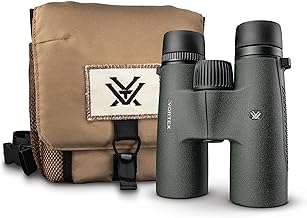 | Vortex Triumph HD 10×42 Binoculars | Best Overall Value | 9.2/10 | Check price → |
 | 15×52 HD Binoculars Adults High Powered | Best for Long Range | 8.5/10 | Check price → |
 | 20×50 High Powered Binoculars Adults | Best for Stargazing | 7.8/10 | Check price → |
 | Occer 12×25 Compact Binoculars Adults Kids | Best for Travel | 8.0/10 | Check price → |
 | Vortex Crossfire HD 10×42 Binoculars | Best for Rugged Use | 9.0/10 | Check price → |
 | Athlon Optics 8×42 Midas UHD Gray | Best Image Quality | 9.5/10 | Check price → |
Scroll sideways on small screens to see every column.
Vortex Triumph HD 10×42 Binoculars: Best Overall Value for Everyday Use
15×52 HD Binoculars Adults High Powered: Best for Long Range Digiscoping
20×50 High Powered Binoculars Adults: Best for Stargazing on a Budget
Occer 12×25 Compact Binoculars Adults Kids: Best for Travel and Family Use
Vortex Crossfire HD 10×42 Binoculars: Best for Rugged Outdoor Use
Athlon Optics 8×42 Midas UHD Gray: Best Image Quality for the Money
Buying Guide: Magnification, Objective Lens, Glass Quality and Budget
Choosing the right binocular comes down to four decisions: how much magnification you need, how much light you can afford to lose, how much optical purity you want, and how much you are willing to spend.
How Much Magnification Do You Really Need?
A 10x binocular is the gold standard for general use. It gives you enough reach to identify a bird at 100 yards while still being steady enough to hold by hand. The Vortex Triumph HD and Crossfire HD both use this sweet spot.
If you are mostly birding in dense woods or scanning open fields, 10x is ideal.
If you need to see detail at 300 yards or more, the 15×52 or 20×50 options give you that reach. But remember: every increase in magnification amplifies hand shake. The 15x and 20x models require a tripod for steady viewing.
If you plan to use them handheld, stick with 10x.
What Objective Lens Size Should You Choose?
The second number in a binocular spec (like 42mm or 50mm) is the diameter of the objective lens. A larger objective gathers more light, which means a brighter image in low light conditions like dawn, dusk, or dense forest canopy. The 42mm lenses on the Vortex and Athlon models are a great balance of light gathering and portability.
The 25mm lens on the Occer 12×25 is fine for daytime use, but it will feel dim in the evening. The 50mm and 52mm objectives on the high-powered models gather more light, but they also add weight and bulk. For most people, 42mm is the sweet spot for general use.
What is the Importance of Glass Quality and Prisms?
The glass inside the binocular determines how sharp and color-accurate the image is. Standard glass works fine, but HD (High Definition) glass like the Vortex Triumph and Crossfire use reduces chromatic aberration. The Athlon Midas UHD uses Extra-Low Dispersion (ED) glass, which virtually eliminates color fringing and delivers a noticeably cleaner image.
BAK-4 prisms are the standard for quality binoculars. They transmit more light than BK-7 prisms, resulting in a brighter image. All the models on this list use BAK-4 prisms, which is a good sign.
If you see BK-7 on a cheap binocular, the image will be dimmer and less sharp.
How Much Should You Spend on a Binocular?
The best binoculars for the money sit in the mid-range price tier. You can get a very good binocular like the Vortex Triumph HD for a reasonable investment, and it will last for years with proper care. Spending less than that usually means compromised optics, poor build quality, and no warranty.
Spending more gets you incremental improvements in glass quality and durability, as seen in the Athlon Midas UHD.
Our advice: set a budget that allows you to buy from a reputable brand like Vortex or Athlon. The warranty alone is worth the extra cost, because a broken binocular is a useless binocular.
Who Should NOT Buy Best Binoculars for the Money
This category is the wrong purchase for two kinds of buyers. Here is who they are, and what to look at instead.
You Need a Toy for a Child or a One-Time Event
If you are buying a binocular for a 6-year-old who might drop it, or for a single event like a concert or a cruise, the models on this list are overkill. You can find a cheap, functional binocular for less money that will work for a day or two. The Occer 12×25 is the closest to a budget option here, but even that is built to last.
For a child, look for a lightweight, durable, and inexpensive toy binocular instead.
You Need a Dedicated Astronomy Scope
If your primary interest is stargazing and you want to see deep-sky objects like galaxies and nebulae in detail, a binocular is not the right tool. While the 20×50 model can show you the moon and Jupiter's moons, a dedicated telescope with a larger aperture and a stable mount will give you a much better view. The 20×50 is a fun entry point, but it is not a substitute for a telescope.
Final Verdict
The best binoculars for the money overall is the Vortex Triumph HD 10×42. It delivers HD glass, a lifetime warranty, and a versatile 10×42 configuration at a price that makes it the smartest buy for most people. The included harness and waterproof construction make it ready for the trail right out of the box.
Want the most rugged build? Get the Vortex Crossfire HD 10×42. It uses a magnesium alloy chassis and slightly better coatings for a more durable feel.
Need the absolute best image quality? The Athlon Optics 8×42 Midas UHD is the clear winner, with ED glass that eliminates chromatic aberration and delivers a stunningly clear image.
If you are buying for a traveler or a family, the Occer 12×25 Compact is the pocket-sized choice. And if you need long-range reach or a phone adapter for digiscoping, the 15×52 HD Binoculars or 20×50 High Powered models have you covered.
Before you buy, check the Who Should NOT Buy section above to make sure a binocular is truly the right tool for your needs.
FAQ
What's the best binoculars for the money overall?
The Vortex Triumph HD 10×42 is the best overall choice. It combines HD optics, a lifetime unconditional warranty, and a versatile 10×42 configuration at a price that represents the best value in the lineup.
What is the difference between 8x and 10x binoculars?
An 8x binocular magnifies the image 8 times, offering a wider field of view and a steadier image. A 10x binocular magnifies 10 times, pulling in more detail at distance but amplifying hand shake. For general use, 10x is the standard.
For birding in dense cover, 8x can be easier to use.
Are Vortex binoculars worth the money?
Yes, based on aggregate user reviews and the manufacturer's VIP warranty, Vortex binoculars are considered excellent value. The warranty is unconditional and transferable, which means you are covered for life, even if you damage the binocular yourself.
What does HD mean in binoculars?
HD stands for High Definition. It refers to glass that reduces chromatic aberration, which is the purple or green fringing you see on high-contrast edges. HD glass delivers a sharper, more color-accurate image than standard glass.
The Vortex Triumph HD and Crossfire HD both use HD glass.
Can I use a 15x or 20x binocular without a tripod?
You can, but the image will be shaky and it will be difficult to hold steady. The higher the magnification, the more hand shake is amplified. For any binocular above 10x, a tripod or monopod is strongly recommended for comfortable, clear viewing.
The 15×52 and 20×50 models on this list are best used with a tripod.
What is the difference between BAK-4 and BK-7 prisms?
BAK-4 prisms are made from a higher quality glass that transmits more light than BK-7 prisms. This results in a brighter, sharper image, especially at the edges of the field of view. All the binoculars on this list use BAK-4 prisms, which is a sign of good quality.