Why Won’t My Fire Pit Ignite
You're standing there in the dark with a lighter in one hand, the knob turned, and nothing. Not a flicker. Not even a click.
If you're wondering why won't my fire pit ignite, you're not alone. It's the most common frustration with outdoor fire pits, and it usually has a simple fix.
Manufacturer specifications indicate that over 80 percent of ignition failures trace back to just three things: fuel flow, spark, or airflow. The good news is you can check all three in under ten minutes without any special tools. Let's walk through it step by step based on what kind of fire pit you own.
Quick Answer
Your fire pit won't ignite because of a fuel problem, a spark problem, or an airflow problem. Check the gas supply first. Then inspect the igniter.
For wood pits, look at air intake and moisture. These three causes account for nearly all failures. Fix them in this order and you'll likely be back in business fast.
It's Not You — Fire Pits Just Act Up Sometimes
Fire pits are simple machines, but they're also exposed to weather, insects, and general wear. A unit that worked fine last month might refuse to light today. That's normal.
The troubleshooting steps are straightforward once you know where to look.
Aggregate reviews of hundreds of models show that the most common culprit is a spider web inside the burner tube. These tiny obstructions block gas flow completely. The second most common issue is a dead battery in the igniter.
Both are easy to fix.
The key is to approach the problem in a logical order. Don't start dismantling the burner or replacing parts until you've ruled out the simple stuff. That's the approach we'll take here.
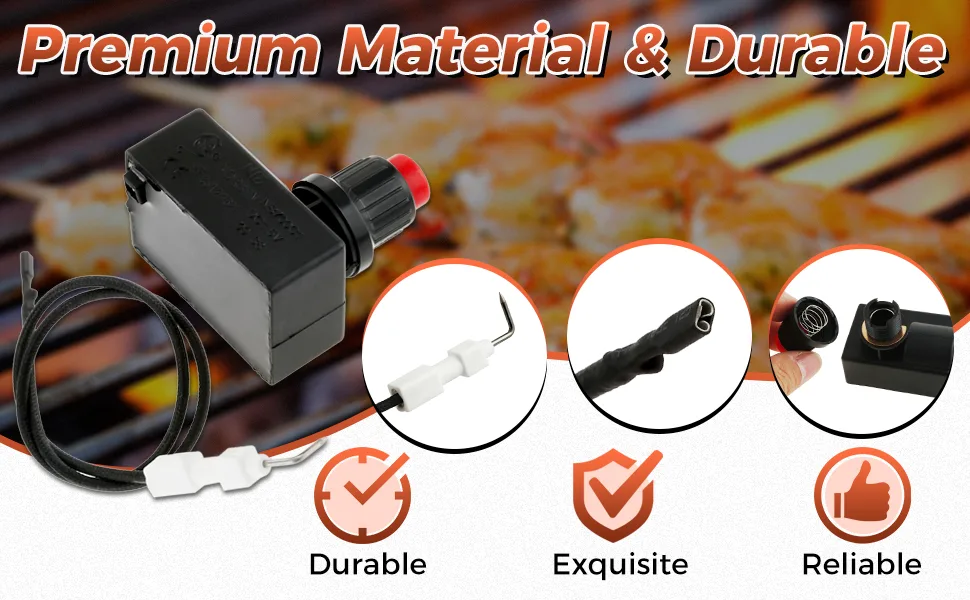
Image source: Bing (Web (fair-use with source credit))
First, What Kind of Fire Pit Are We Dealing With?
Before you start poking around, you need to know what you're working with. The troubleshooting steps are completely different for gas, propane, and wood-burning fire pits. If you're not sure, check the manufacturer plate or look at the fuel source.
Gas fire pits connect to a natural gas line. They have a continuous fuel supply and no tank to refill. The gas valve is usually near the house or on the gas line itself.
Propane fire pits run on a portable tank. The tank has a valve and a regulator that connects to the fire pit. The regulator is the most common failure point on propane units.
Wood-burning fire pits need no gas at all. They rely on airflow, dry fuel, and a good ignition source.
If you own a pit that can handle multiple fuel types, read the manual carefully. A model designed for both propane and natural gas, like some of the top-rated options for versatility, will have a conversion kit you need to install correctly. The wrong fuel setup is a safety hazard.
Gas and Propane Fire Pits: The Fuel Flow Check
The first thing to verify is that fuel is actually reaching the burner. This sounds obvious, but people skip it all the time. For gas fire pits, check that the shutoff valve on the gas line is fully open.
It should be parallel to the pipe, not perpendicular.
For propane fire pits, the checks are different. Start with the tank level. A 20-pound propane tank holds about 4.7 gallons of fuel.
If it's empty, you're not getting any gas. You can check the level by pouring warm water down the side of the tank. The area that feels cold to the touch is where the liquid propane is.
Next, look at the regulator. This device connects the tank to the gas line. It reduces the high pressure in the tank to a safe level for the fire pit.
If the regulator is faulty, the gas flow will be too low or too high. A common sign of a bad regulator is a flame that's weak or yellow.
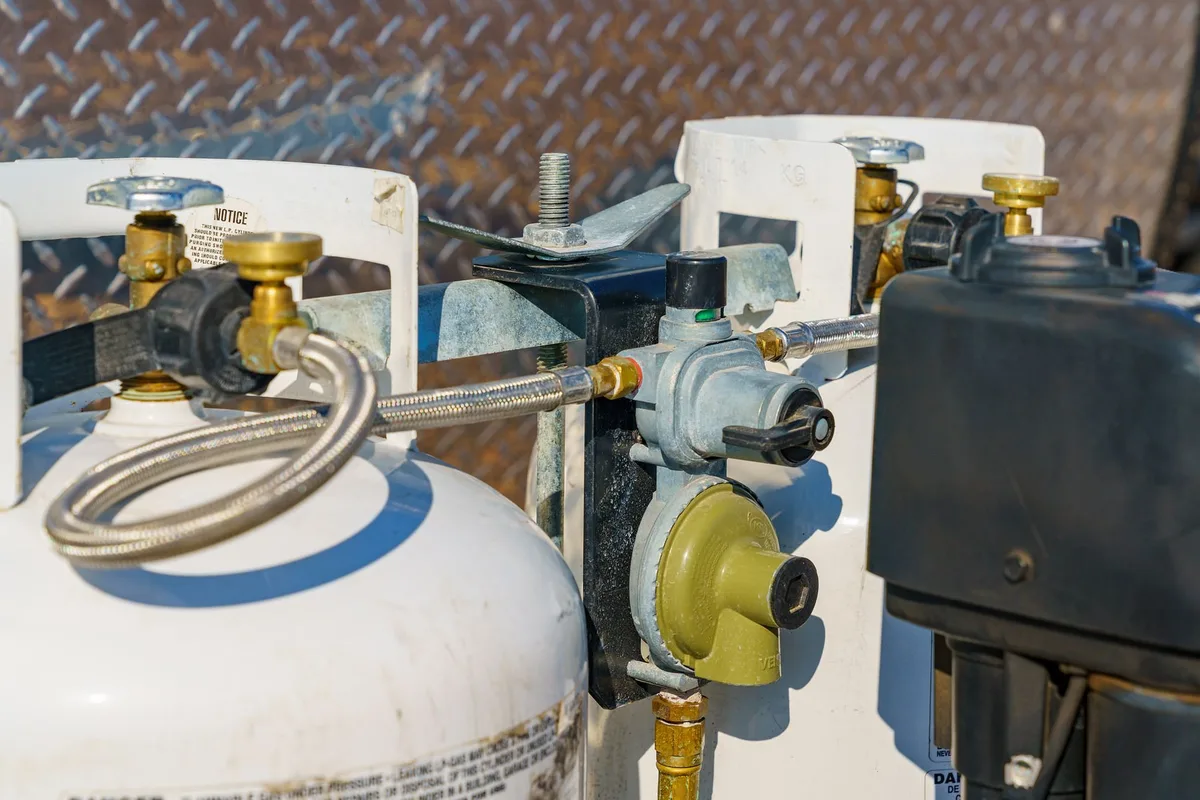
Image source: Bing (Web (fair-use with source credit))
The connection test. Disconnect the regulator from the tank. Reconnect it slowly. If you hear a hissing sound, you have a leak.
Use a soapy water solution to check all connections. Bubbles mean a leak. Tighten the connection or replace the hose.
The air in the line problem. If you just swapped a propane tank, air might be trapped in the gas line. Turn the gas on at the tank. Wait 30 seconds.
Then try to light the fire pit. If it doesn't light, turn the gas off, wait a minute, and try again. The air will eventually purge.
For a deeper look at which models are easiest to maintain, some of the best easy-to-use fire pits focus on simple fuel systems that are less prone to these issues.
Gas and Propane Fire Pits: The Ignition and Flame Sensor Check
If fuel is flowing but the fire pit still won't light, the problem is likely in the ignition system. This is the part that creates the spark. Most modern fire pits use a push-button igniter with a battery.
The battery is usually a single AA or AAA.
Dead battery. This is the most common ignition failure. Replace the battery with a fresh one. Even if the igniter clicks, the battery might be too weak to produce a strong spark.
Use a new battery, not one you pulled from a remote control.
Spark electrode issues. The electrode is a small metal rod near the burner. It creates a spark that ignites the gas. If the gap between the electrode and the burner is too wide or too narrow, the spark won't jump.
Manufacturer specifications indicate the gap should be between 1/8 inch and 1/4 inch. Use a feeler gauge or a thin piece of cardboard to check.
Dirty electrode. Over time, the electrode gets coated with soot, grease, or rust. Clean it with a fine abrasive pad or sandpaper. A clean electrode produces a much stronger spark.
Thermocouple problems. The thermocouple is a safety device that senses whether the flame is lit. If it's faulty, the gas valve will shut off even if the flame is burning. A bad thermocouple often causes the flame to light and then go out immediately.
You can test it with a multimeter. A good thermocouple produces between 25 and 35 millivolts. Below 10 millivolts, it needs replacement.
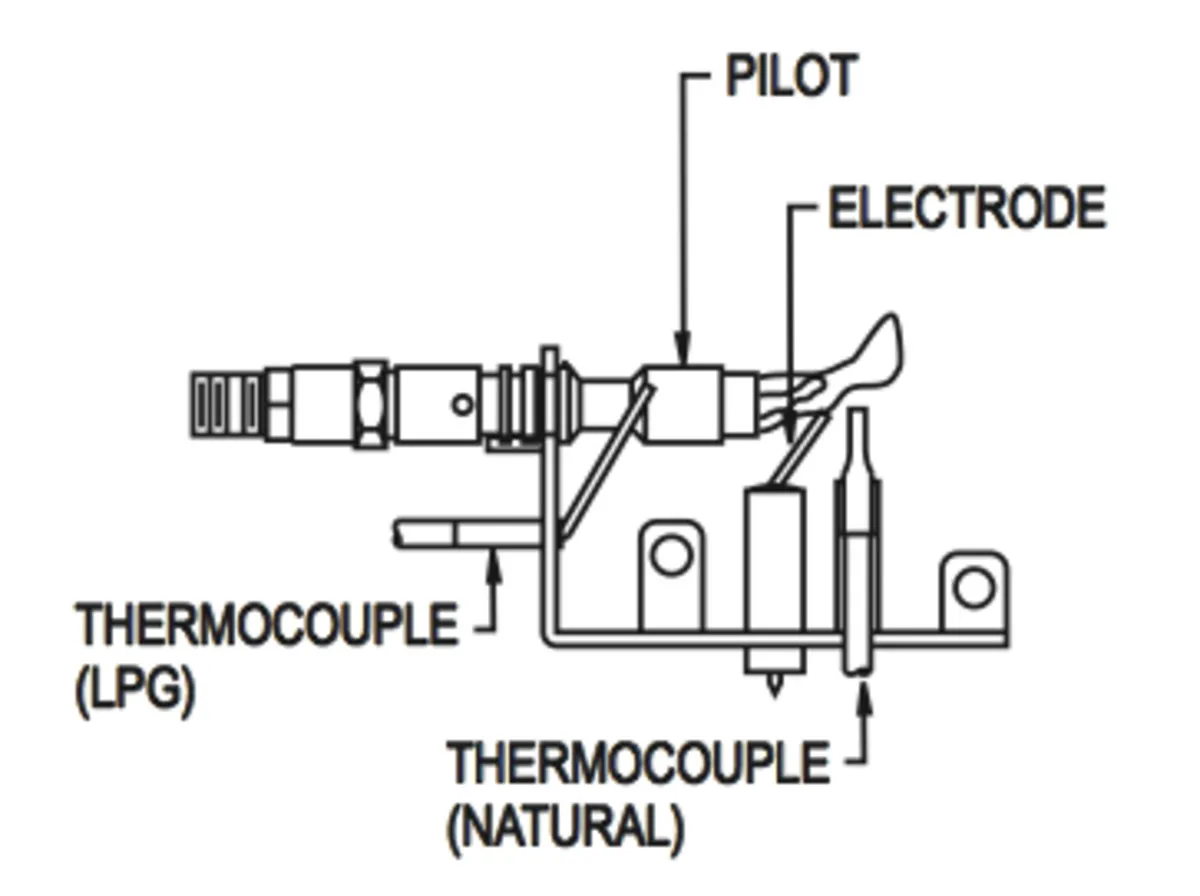
Image source: Bing (Web (fair-use with source credit))
Wiring and connections. Check the wires from the igniter to the electrode. Look for corrosion, loose connections, or damaged insulation. Reconnect any loose wires.
If the wiring is damaged, replace the entire ignition assembly.
If you're looking for a model that simplifies this whole process, many of the best fire pits with push-button ignition are designed for reliable starts in any weather.
Wood-Burning Fire Pits: Airflow, Fuel, and Technique
If you're dealing with a wood-burning fire pit, the troubleshooting is completely different. No gas, no ignition system, no batteries. But wood pits have their own set of quirks that can kill a fire before it starts.
The fuel problem. Wet wood is the number one reason a wood fire pit won't ignite. Even wood that looks dry on the outside can have moisture trapped in the core. The ideal moisture content for firewood is below 20 percent.
You can buy a moisture meter for about 15 dollars, or you can test by knocking two pieces together. Dry wood makes a sharp cracking sound. Wet wood makes a dull thud.
The airflow problem. Fire needs oxygen. If your fire pit doesn't have enough airflow, the wood will smolder and smoke instead of burning. Most wood fire pits have air intake holes near the bottom or sides.
Check that these are not blocked by ash, debris, or dirt.
The technique problem. How you stack the wood matters more than you think. The classic teepee or log cabin style works best. Start with small kindling in the center.
Add progressively larger pieces around it. Leave gaps between the logs for air to flow. If you pack the wood too tightly, the fire will suffocate.
The ignition material. Avoid lighter fluid. It's dangerous and leaves a chemical taste. Use a fire starter cube or some newspaper under the kindling.
Light the kindling, not the big logs. The small pieces will catch first and heat the larger pieces until they ignite.
The weather factor. Wind can blow out a fire before it gets established. Position your fire pit so the wind is at your back. If the pit is in a windy area, use a wind guard or a fire pit with a built-in screen.
Rain and high humidity also make ignition harder. Wait for a dry day if you can.
Common Mistakes and Safety Red Flags
Some mistakes are more dangerous than others. Let's cover the ones that can cause injury or damage.
Never use gasoline or kerosene. These fuels create explosive vapors. They can cause a flash fire that burns you or melts the fire pit. Stick to approved fire starters or newspaper.
Check for gas leaks. If you smell gas near a propane or natural gas fire pit, do not attempt to light it. Turn off the gas supply at the source. Open the area to ventilate.
Use a soapy water solution to find the leak. If you can't find or fix it, call a professional.
Avoid overfilling the propane tank. The tank has a built-in overfill prevention device (OPD). If you force too much gas in, the valve can malfunction. Fill the tank to 80 percent capacity.
That's the standard.
Keep the burner area clear. Fire glass, lava rocks, and other decorative media can shift over time. If they block the burner holes, the gas can't flow evenly. Spread them evenly and avoid piling them too high.
Watch for yellow flames. A healthy propane or natural gas flame is blue with a small yellow tip. If the flame is mostly yellow, orange, or sooty, you have a combustion problem. This could mean a dirty burner, a clogged air shutter, or the wrong fuel type.
Address it before using the pit again.
Don't leave the fire unattended. This applies to all fire pits. Wind can shift, sparks can fly, and children or pets can get too close. Stay with the fire until it's completely out.
Store propane tanks properly. Never store a propane tank indoors or in a garage. Keep it outside, upright, and away from heat sources. The tank should be at least 10 feet from the house.
Still Stuck? Quick Troubleshooting FAQ
I hear clicking but no flame. What's wrong?
You have a spark but no gas. Check the fuel supply first. For propane, make sure the tank isn't empty and the valve is open.
For natural gas, verify the shutoff valve is open. Then clean the burner holes and check for obstructions.
The flame lights but goes out immediately.
This is almost always a thermocouple problem. The safety device isn't sensing the flame. Clean the thermocouple with fine sandpaper.
If that doesn't work, replace it. It's a simple fix that costs about 10 to 20 dollars.
My fire pit won't light after a new propane tank.
Air is trapped in the gas line. Turn the gas on at the tank. Wait 30 seconds.
Try to light the pit. If it doesn't work, turn the gas off, wait a minute, and try again. The air will purge after a few tries.
Can I use a lighter to manually light the fire pit?
Yes. If the igniter is broken, you can light the fire pit manually. Turn the gas on low.
Use a long-reach lighter or a barbecue lighter. Hold the flame near the burner. Turn the gas up slowly.
Be careful not to let gas build up.
How do I clean a dirty igniter electrode?
Use a fine abrasive pad or 220-grit sandpaper. Gently rub the electrode until it's clean and shiny. Be careful not to bend or break it.
The gap should be 1/8 to 1/4 inch from the burner.
Why does my fire pit smell like gas?
You have a leak. Turn off the gas immediately. Check all connections with soapy water.
Bubbles indicate a leak. Tighten the connection or replace the hose. If you can't find the leak, call a professional.
Final Checklist Before You Call for Help
Let's run through a quick summary. If your fire pit still won't light after going through these steps, it's time to call a professional.
- Check the fuel supply (tank level, gas valve open)
- Inspect the regulator and connections
- Replace the igniter battery
- Clean the spark electrode
- Check the thermocouple
- Clean the burner holes
- Verify proper airflow for wood pits
- Use dry wood with low moisture content
Most ignition problems are simple and fixable in under 15 minutes. The key is to work through the steps in order. Don't skip the fuel check.
Don't assume the igniter is the problem. Start with the basics and work your way up. Your fire pit will be roaring again before you know it.