Can You Use a Fire Pit in Winter
Yes, you can use a fire pit in winter. But the real question is whether your specific setup can handle the cold safely. The answer depends on fuel type, fire pit material, and a few local conditions you might not have thought about.
Manufacturer specifications indicate that propane tank pressure drops significantly below 20°F. That affects flame output. Aggregate reviews from winter campers and backyard users confirm that wood fires work fine in snow.
But the risks shift. Let's walk through what changes when the temperature drops.
Quick Answer
Yes, you can use a fire pit in winter. Snow-covered ground is actually non-flammable. But cold weather introduces new risks.
Propane tanks may freeze up. Wood fires need dry fuel. Always check local burn bans first.
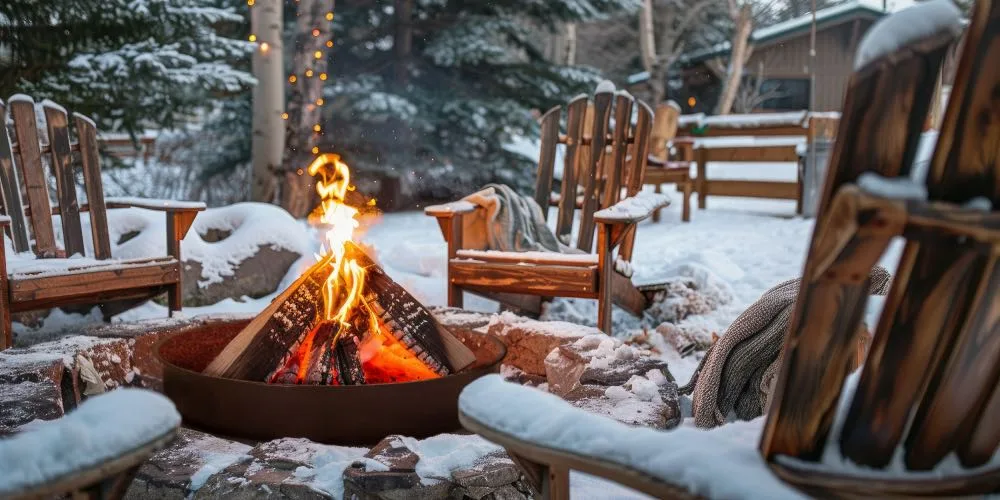
Image source: Bing (Web (fair-use with source credit))
So, Can You Actually Use a Fire Pit in Winter?
The short answer is yes, with the right preparation. Winter use changes the rules, but it does not ban them.
If you have a wood-burning fire pit, the cold is rarely a problem for the fire itself. Dry, seasoned wood burns just as hot at 10°F as it does at 70°F. The real challenge is keeping your wood dry.
Snow and ice on logs will kill a fire fast. Manufacturer specs confirm that moisture content above 20% reduces heat output and increases smoke.
If you use a propane fire pit, the cold directly affects fuel delivery. Propane stops vaporizing efficiently below about -42°F. But tank pressure starts dropping noticeably once temperatures hit 20°F.
That means a weaker flame or one that sputters. You can mitigate this with a winter-grade propane blend or a tank cover.
If you have a natural gas fire pit, cold weather is rarely an issue. Natural gas flows through underground lines. It stays at a consistent temperature.
The bigger concern is frost heave and ice formation around the gas line connection.
The National Fire Protection Association (NFPA) recommends maintaining at least a 10-foot clearance from any structure. That applies in every season. In winter, snow banks can shrink your usable space.
Clear a wide perimeter before you light up.
How Winter Conditions Affect Your Fire Pit
Cold weather changes how your fire pit behaves. It also changes how you should handle it.
Material matters. Cast iron and steel fire pits handle cold well. But stone or concrete fire pits can crack from frost. Water seeps into tiny pores, freezes, and expands.
Over a few freeze-thaw cycles, that hairline crack becomes a structural problem. Cover your fire pit or store it inside during months when you are not using it.
Propane tanks need special attention. Tank pressure drops in cold weather. A tank that gives you 10 hours of flame in summer might only give you 6 hours in winter. The fix is simple.
Keep the tank off the frozen ground. Place it on a wooden board or a fire-resistant mat. That prevents direct contact with snow and ice, which can further cool the tank.
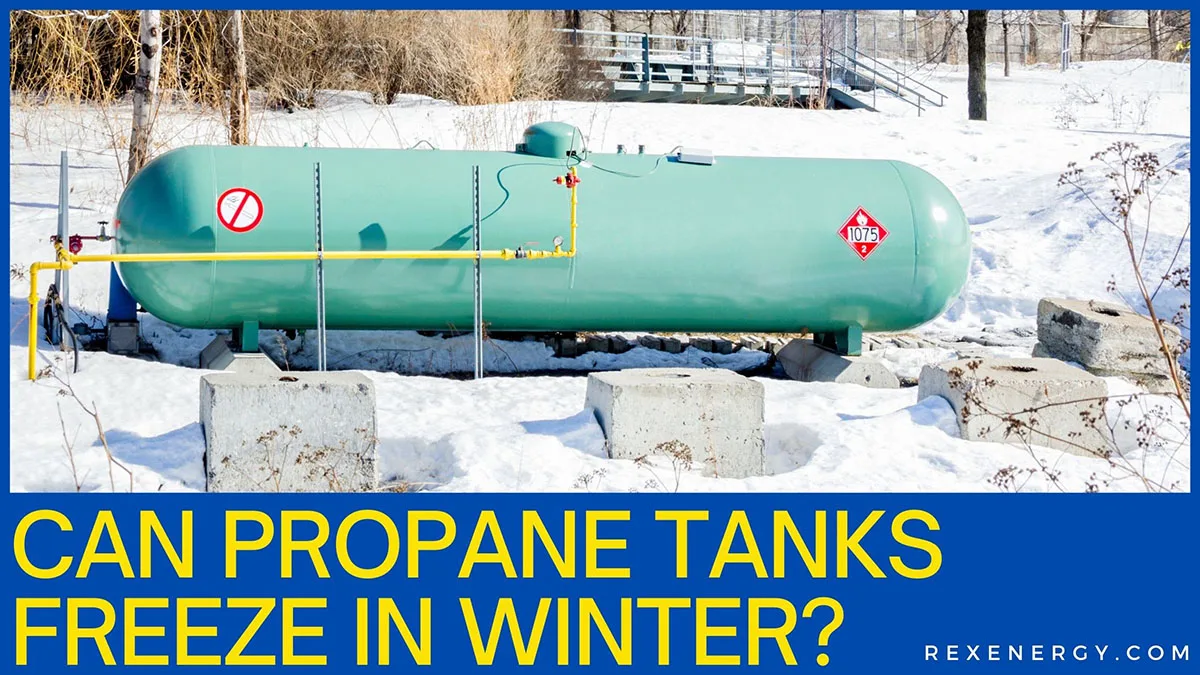
Image source: Bing (Web (fair-use with source credit))
Wind becomes a bigger factor. Winter winds are often stronger and more unpredictable. They can blow embers onto dry leaves or into snow banks that hide hot coals. A spark arrestor screen is not optional in winter.
It is a safety requirement.
Your fire pit itself can get damaged. If you leave a fire pit uncovered in winter, snow and ice can rust the metal. They can clog gas lines and ruin the burner. Covering it after each use extends its life significantly.
For more on material safety and frost considerations, check out guidance for models built for concrete patios.
Snow as a fire barrier. This is actually a benefit. Snow-covered ground is non-flammable. Embers that land on snow will extinguish quickly.
But you still need to keep the fire pit itself clear of snow. Never light a fire pit that is buried in snow. The melting water can damage the fire pit and douse the fire unevenly.
The Real Risks of Winter Fire Pit Use (and How to Avoid Them)
Winter fire pit use comes with a different set of risks than summer use. Some are obvious. A few catch people off guard.
Carbon monoxide poisoning tops the list. In winter, people move a fire pit close to a house, under a covered patio, or into a garage to stay warm. This is dangerous. Carbon monoxide is odorless and invisible.
Even a partially enclosed space can trap deadly levels. The U.S. Consumer Product Safety Commission (CPSC) warns against using any fuel-burning appliance in enclosed or partially enclosed spaces.
Always use your fire pit in an open area with good airflow.
Hidden embers in snow. Here is a scenario that causes real damage. You use your fire pit. It snows overnight.
The next morning you shovel the snow into a plastic trash can. Buried in that snow are hot embers. They smolder, melt the plastic, and start a trash fire.
Always let your fire pit cool completely. Dispose of ashes in a metal bucket, not snow.
Deck and patio damage. A fire pit on a wooden deck is risky in any season. In winter, the risk is different. The fire pit's heat melts snow.
That snow refreezes overnight. The ice can damage deck boards and create a slipping hazard. A fire-resistant mat is essential here.
Place it under the fire pit to catch embers and protect the deck surface.
Local burn bans do not pause for winter. Many people assume that winter means no fire danger. But dry winter conditions can lead to burn bans even in January. Check with your local fire department or municipal website before lighting up.
Some areas have specific rules about fire pit placement during snow season because emergency access can be blocked.
Propane tank handling in extreme cold. Do not leave a propane tank outside in deep snow for weeks. The tank's pressure relief valve can freeze or malfunction. Store tanks upright, off the ground, and away from direct contact with snow.
If the tank is too cold to produce a steady flame, do not try to warm it with a torch or hot water. That can cause a dangerous pressure spike. Let it warm up naturally indoors away from heat sources.
Or swap it for a fresh tank.
Fire pit collapse or tipping. Snow and ice can accumulate on a fire pit's legs or base. That makes it unstable. Before each use, check that the fire pit is level and not sitting on an icy patch.
A tipped fire pit can spill hot coals onto dry grass or a deck.
How to Safely Use a Fire Pit in Winter: A Step-by-Step Guide
Follow these steps to stay safe and get the most out of your winter fire pit.
Step 1: Clear the area. Shovel snow at least 3 to 4 feet out from the fire pit in all directions. Mark the perimeter so you remember where the safe zone is. If snow is deep, clear a path for people to walk around without tripping.
Step 2: Check for damage. Inspect the fire pit for cracks, rust, or ice buildup. For gas models, check the gas line connection for frost or blockages. For wood models, make sure the spark arrestor screen is intact and not clogged with ice.
Step 3: Use a fire-resistant mat. Place the fire pit on a fire-resistant mat, heat-shielded stone, or concrete. This is especially important on a deck or patio. The mat catches embers and prevents heat damage to the surface below.
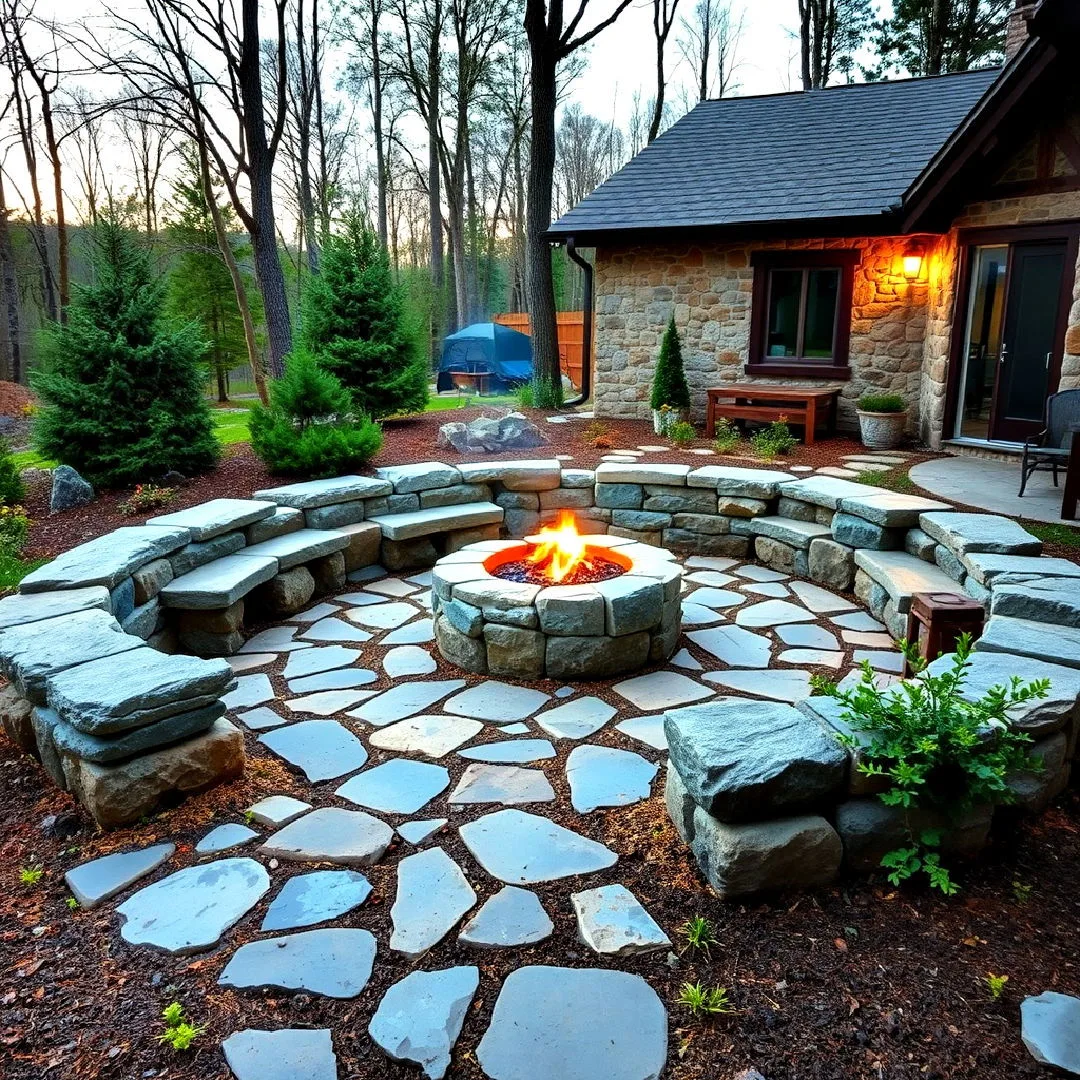
Image source: Bing (Web (fair-use with source credit))
Step 4: Use dry fuel only. For wood fires, use seasoned firewood with moisture content under 20%. Wet wood creates more smoke, less heat, and more creosote buildup. For propane fires, use a winter-grade propane blend if available.
Standard propane works, but you will get less pressure and shorter burn times.
Step 5: Light the fire safely. Never use gasoline, lighter fluid, or any accelerant. Use a fire starter, kindling, and a long-reach lighter. If the wind is high, consider a wind guard.
Do not light a fire in sustained winds over 20 mph. Embers can travel far.
Step 6: Keep a fire extinguisher nearby. A Class A, B, C extinguisher covers wood, liquid, and electrical fires. Also keep a bucket of sand or a garden hose within reach. Do not rely on snow to put out a fire.
Snow can melt and spread hot embers.
Step 7: Monitor the fire constantly. Never leave a winter fire unattended. Wind can shift suddenly and blow embers into dry brush or snow banks. Keep children and pets at least 3 feet from the fire pit.
Step 8: Extinguish fully. Let the fire burn down to ash. Do not pour water on a hot fire pit in winter. The rapid temperature change can crack the metal or stone.
Use sand or dirt to smother the fire. Let the ash cool completely before disposing of it in a metal ash bucket.
Step 9: Cover the fire pit. Once the fire pit is cold and dry, cover it with a weatherproof cover. This prevents snow, ice, and rust from damaging the unit over the rest of winter. If you use a gas fire pit, disconnect the propane tank and store it upright in a dry, ventilated area.
Propane vs. Wood vs. Natural Gas: Which Fuel Works Best in Cold Weather?
Each fuel type handles winter conditions differently. Here is a quick comparison based on our research and manufacturer specifications.
| Fuel Type | Cold Weather Performance | Key Risk | Best For |
|---|---|---|---|
| Propane | Tank pressure drops below 20°F. Flame weakens in extreme cold. | Tank freezing, reduced burn time | Quick setup, portable use, winter camping |
| Wood | Burns well with dry, seasoned wood. Affected by moisture. | Wet fuel, ash disposal in snow | Ambiance, high heat output, low cost |
| Natural Gas | No cold weather issues. Gas line may freeze if not buried deep enough. | Frost heave, professional installation required | Permanent installations, frequent use |
Propane is the most popular choice for portable fire pits. But cold weather is its weak point. If you plan to use a propane fire pit in winter, choose a model with a winter-rated regulator.
Some models also have a wind guard that helps maintain flame stability. For a reliable option, look at models designed for easy ignition in cold weather.
Wood is the most forgiving in winter. As long as your wood is dry, you get a hot, bright fire. The downside is that you need to store wood off the ground and covered.
Wet wood in winter is a common problem. Also, ash disposal is trickier in snow. Never dump warm ashes into snow.
They can stay hot for hours.
Natural gas is the best choice for year-round use if you have a permanent installation. The gas flows consistently regardless of outside temperature. The main drawback is cost.
You need a professional to run a gas line. You cannot move the fire pit. But for winter use, it is the most hassle-free option.
If you are not sure which fuel type fits your setup, consider a multi-fuel fire pit. These models let you switch between wood and propane. That gives you flexibility depending on the weather and your mood.
Frequently Asked Questions About Winter Fire Pit Use
Can I leave my fire pit outside in winter?
You can, but only if it is covered. Snow and ice cause rust on steel and cast iron models. They can crack stone or concrete fire pits.
Cover it with a weatherproof cover after each use. If you have a portable model, consider storing it in a shed or garage for the coldest months.
Will a propane fire pit work in freezing temperatures?
It will work, but not as well. Tank pressure drops once temperatures fall below 20°F. You will get a weaker flame and shorter burn time.
Keep the tank off the frozen ground. Place it on a wooden board or a fire-resistant mat. Some models have winter-rated regulators that help maintain pressure.
Is it safe to use a fire pit on snow?
Yes, with one major warning. Snow-covered ground is non-flammable, which is a safety benefit. But you must clear the snow from under and around the fire pit first.
The fire pit needs to sit on a flat, stable surface. Never place it directly on deep snow, which can shift and tip the unit.
Do I need to cover my fire pit in winter?
Yes, absolutely. Snow and ice accelerate rust. They clog gas lines and damage burner components.
A proper cover keeps moisture out. It also prevents debris from building up. If you do not have a cover, at least invert the fire pit or place a tarp over it.
For a more durable setup, look into models designed for year-round use.
Can I use a fire pit under a covered patio in winter?
No. This is a serious safety risk. Carbon monoxide can build up quickly in partially enclosed spaces.
The CPSC warns against using any fuel-burning appliance under a roof, overhang, or awning. Even with good airflow, the risk is not worth it. Keep the fire pit in an open area with no overhead cover.
How do I store a fire pit for winter?
Let it cool completely. Clean out all ash and debris. Disconnect the propane tank if you have one.
Store the tank upright in a dry, ventilated area away from heat sources. Cover the fire pit with a weatherproof cover. If possible, move it off the ground onto a pallet or concrete slab to prevent rust.
The Final Verdict: Should You Use a Fire Pit This Winter?
Yes, you can use a fire pit in winter. But only if you prepare properly. The risks are real but manageable.
If you burn wood: You are in the best position. Dry wood and a clear perimeter are all you need. Keep a spark arrestor screen on at all times.
If you use propane: Expect shorter burn times and weaker flames in extreme cold. Use a winter-grade propane blend if available. Keep the tank off the snow.
If you have natural gas: You have the easiest winter setup. Just check the gas line for frost. Make sure the area is clear of snow and ice.
If you are on a deck or patio: Use a fire-resistant mat. Clear snow at least 3 feet around the fire pit. Never leave the fire unattended.
If you are in a drought-prone area: Check for burn bans even in winter. Local fire departments can tell you the current restrictions.
The bottom line is simple. Winter fire pit use is safe with the right knowledge and preparation. Skip the shortcuts.
Clear the area. Use dry fuel. Keep a fire extinguisher nearby.
And never use a fire pit in an enclosed or partially enclosed space.
As of 2026, manufacturer specifications and safety standards remain clear. A fire pit can be a wonderful winter addition to your outdoor space. Just treat it with the respect it deserves.
Stay warm, stay safe, and enjoy the fire.