Can You Leave a Fire Pit Outside
So, can you leave a fire pit outside? The short answer is yes, but it depends on what it's made of, how you cover it, and the fuel type. Plenty of fire pits are built for year-round outdoor living.
Others will rust or crack within a season if you skip the right steps.
Manufacturer specs indicate that a steel fire pit left uncovered in a humid climate can lose up to 70% of its expected lifespan. That's a massive difference between a well-maintained unit and a neglected one. As of 2026, most warranties require proper storage or covering.
Let's walk through the details so you know exactly what your setup needs.
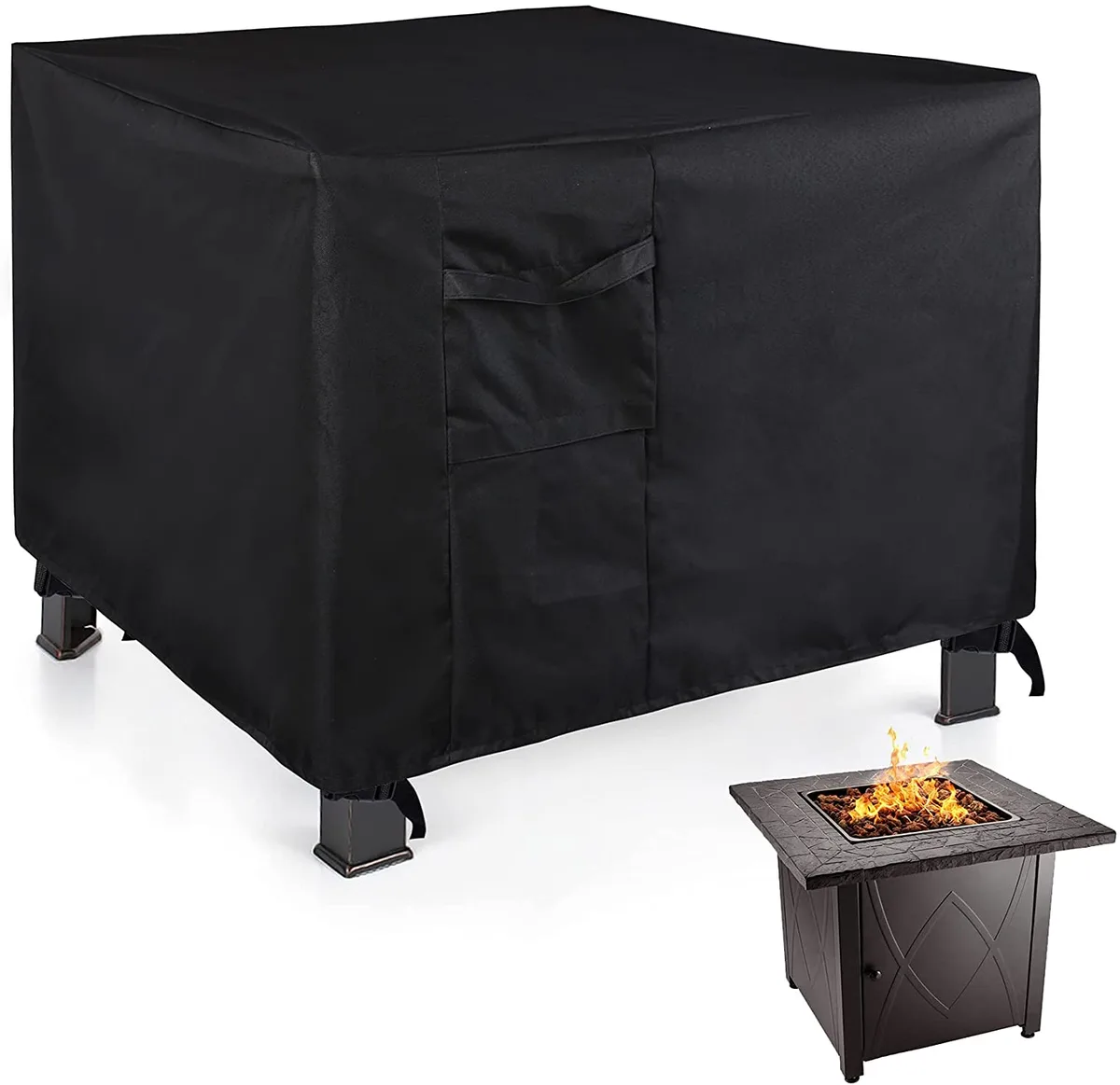
Image source: Bing (Web (fair-use with source credit))
Why "It Depends" Is the Honest Answer
You'll hear "it depends" a lot in the outdoor gear world. For fire pits, it's the real deal. The answer shifts based on your specific situation.
But once you understand the variables, you can make a confident decision.
The main variables are material, cover quality, and fuel type. A heavy-duty cast iron fire pit with a proper cover is a different story than a thin steel budget model left open to the rain. Aggregate reviews show that owners who skip storage or covers often end up with a rusted-out pit within 18 to 24 months.
Your local climate plays a huge role too. A dry climate like Arizona is much kinder to a fire pit than a humid coastal area like Florida. The same fire pit that lasts a decade in the desert might rust out in three years by the ocean.
The honest answer is that you can leave it outside. You just need to match the routine to your specific setup.
The Three Factors That Decide: Material, Cover, and Fuel Type
Material Matters Most
The material your fire pit is made from is the single biggest factor in whether it can handle outdoor exposure. Different materials have vastly different tolerances for moisture, temperature swings, and UV rays.
| Material | Rust Resistance | Best For |
|---|---|---|
| Steel (painted or powder-coated) | Moderate | Budget-friendly, with proper care |
| Corten steel (weathering steel) | High | Permanent outdoor placement |
| Cast iron | High | Heavy-duty, long-lasting |
| Copper | Very high | Premium, patina look |
| Stainless steel | Very high | Coastal climates, low maintenance |
| Stone or concrete | Variable (freeze-thaw risk) | Permanent installations with drainage |
Steel is the most common material, but it's also the most vulnerable if not protected. Corten steel develops a rust layer that protects the metal underneath, making it ideal for leaving outside. Cast iron is heavy and durable, but it can crack if water gets trapped and freezes.
Copper and stainless steel offer the best resistance to corrosion. They cost more upfront, but they last longer. If you're shopping for a unit that handles weather well, look for models designed for outdoor living spaces.
The Cover Makes or Breaks It
A good cover is non-negotiable if you're leaving your fire pit outside. But not all covers are created equal. The best covers are waterproof and breathable, with a secure fit using straps or drawstrings.
A cover that traps moisture underneath is worse than no cover at all. That's why breathable materials matter. They let condensation escape while keeping rain and snow out.
Budget covers often use cheap fabric that degrades in UV light within a year. Many easy-to-use fire pits include a quality cover right in the box, which saves you the hassle of finding one that fits.
Fuel Type Changes the Rules
Gas and propane fire pits have additional components that need protection. The ignition system, gas line, and burner can be damaged by moisture if not sealed properly. Wood-burning fire pits are simpler in that regard, but they still need ash removal and cover protection.
For propane fire pits, you should remove the tank and store it separately during cold weather. Propane can freeze or cause regulator issues below 40°F. Natural gas fire pits are more permanent, but the gas line connections need to be weatherproofed.
The National Fire Protection Association (NFPA) provides guidelines on propane tank storage, recommending outdoor, upright placement away from heat sources.
Your Climate and Seasonality Change the Timeline
Humid and Coastal Climates
If you live in a humid area or near the coast, salt air and moisture accelerate rust significantly. A steel fire pit that would last five years in a dry climate might only last two in a coastal environment.
Stainless steel or copper are wise choices for these areas. If you already have a steel pit, plan to inspect it every few weeks for rust spots. Apply a high-temperature paint or rust converter as soon as you see any signs.
Some fire pits built for year-round use come with thicker steel or better coatings that handle moisture better.
Cold and Snowy Climates
Winter brings a different set of challenges. Freeze-thaw cycles can crack stone or concrete fire pits if water seeps into small cracks and expands. Cast iron is also vulnerable if moisture gets trapped inside.
For these climates, consider storing the fire pit in a garage or shed during the off-season. If that's not an option, elevate it off the ground with pavers or a gravel base. This prevents ground moisture from seeping up.
A heavy-duty cover is essential. Check it periodically to make sure snow isn't pooling on top.
Dry and Hot Climates
Dry climates are the easiest on fire pits. UV damage is the main concern here, not moisture. A good cover that blocks direct sunlight will extend the life of your fire pit significantly.
The upside is that you can leave it outside year-round with minimal maintenance. Keep the cover on when not in use. Clean out ash regularly.
Fire pits in these conditions often last 10 to 15 years with proper care.
How to Leave a Fire Pit Outside Without Damaging It
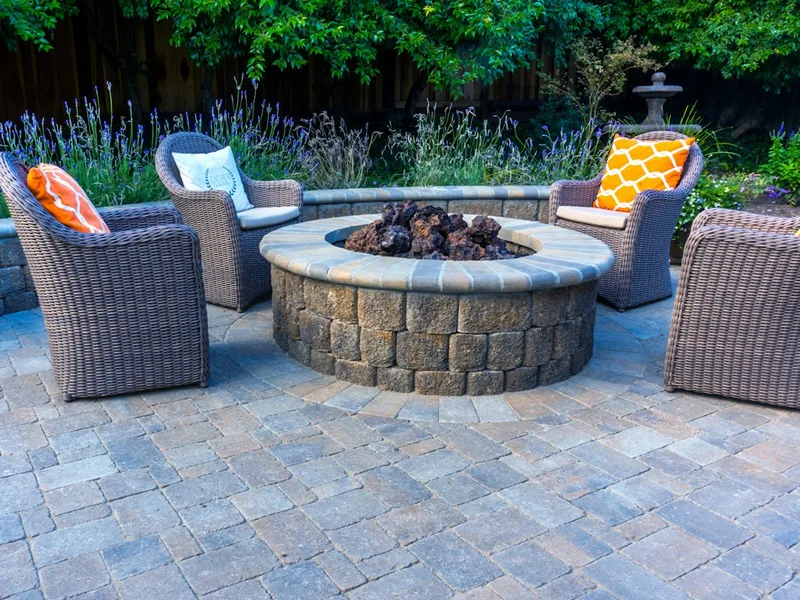
Image source: Bing (Web (fair-use with source credit))
Step 1: Cool Down Completely
Never cover a hot fire pit. Heat can melt the cover fabric or cause condensation that leads to rust. Wait at least 12 to 24 hours after the last flame before covering.
Step 2: Clean Out Ash and Debris
Ash absorbs moisture from the air, which accelerates rust. Scoop out the ash and dispose of it in a metal container. Also remove any debris like leaves, twigs, or animal nests that might have blown in.
Easy-clean fire pits often have removable ash pans that make this step much faster.
Step 3: Inspect for Rust or Damage
Check the interior and exterior for any signs of rust, cracks, or loose components. Catching a small rust spot early means you can treat it with a wire brush and high-temperature paint before it spreads.
Step 4: Apply a Quality Cover
Choose a cover that fits snugly and has ventilation or breathable fabric. Secure it with straps or bungee cords to prevent wind from blowing it off. A cover that flaps in the wind can damage the fire pit's finish.
Step 5: Elevate the Base
If your fire pit sits directly on grass or dirt, moisture can wick up from the ground. Place it on pavers, a gravel pad, or concrete blocks. This allows air to circulate underneath and prevents rust from forming on the bottom.
Fire pits designed for gravel patios or concrete patios often have longer legs or built-in stands that help with airflow.
Step 6: Disconnect Propane Tank (if applicable)
For gas fire pits, remove the propane tank and store it upright in a well-ventilated outdoor area. Never store a propane tank indoors or in a garage. Cover the gas line connection with a weatherproof cap.
The U.S. Department of Energy recommends keeping propane tanks outdoors and away from any ignition sources.
The Mistakes That Rust Fire Pits and Void Warranties
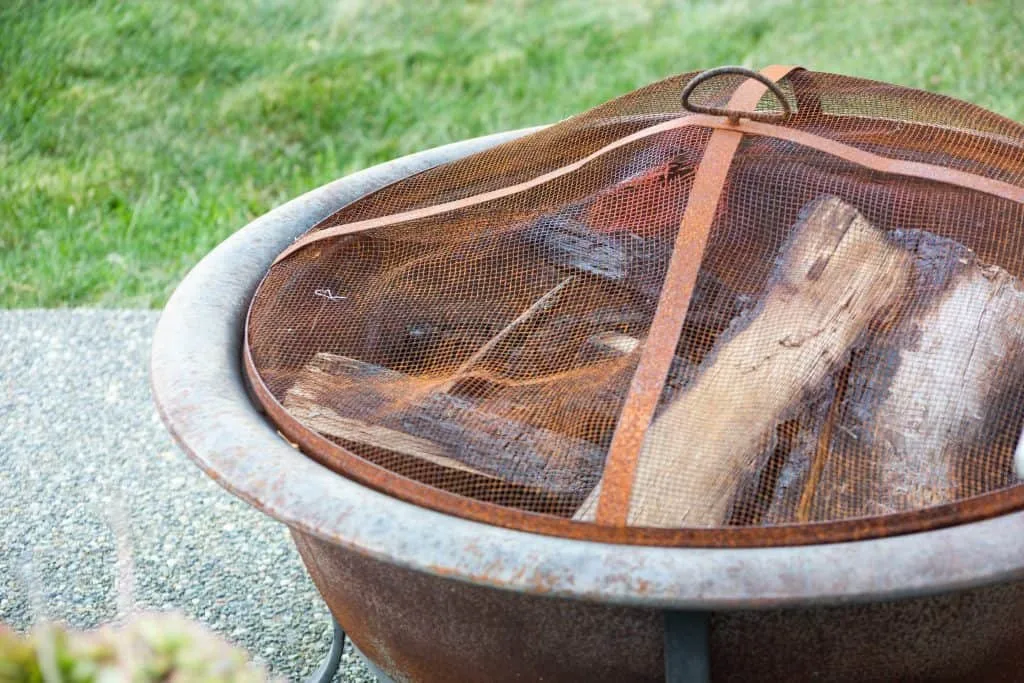
Image source: Bing (Web (fair-use with source credit))
Mistake 1: Covering a Hot Fire Pit
This is the number one mistake. People want to protect their fire pit, so they cover it right after use. The trapped heat and moisture create a perfect environment for rust.
Always wait until the fire pit is completely cool to the touch.
Mistake 2: Using a Non-Breathable Cover
A cheap tarp might seem like a good idea, but it traps condensation underneath. This leads to moisture buildup that causes rust and mold. Invest in a cover designed for fire pits with breathable material.
Mistake 3: Leaving Ash Inside
Ash is hygroscopic, meaning it attracts moisture from the air. A layer of wet ash sitting on the bottom of your fire pit will accelerate rust significantly. Clean it out after every use, especially if you plan to leave the pit outside.
Mistake 4: Not Elevating the Base
Direct contact with wet ground is a fast track to rust. The bottom of the fire pit is often where corrosion starts. Elevating it on pavers or a gravel pad allows air to circulate and prevents moisture from wicking up.
Mistake 5: Ignoring Small Rust Spots
A small rust spot might seem harmless, but it will spread quickly if left untreated. Use a wire brush to remove the rust, then apply a high-temperature paint or rust converter. This simple step can extend the life of your fire pit by years.
Even budget fire pits can last a long time if you catch rust early.
Mistake 6: Storing a Propane Tank Incorrectly
Propane tanks should never be stored in a garage, shed, or basement. They need to be outside in a well-ventilated area, upright, and away from heat sources. Also check the expiration date on the tank.
Most tanks are good for 12 years from the manufacture date.
Mistake 7: Ignoring Manufacturer Guidelines
Many warranties require specific storage or covering practices. If you leave your fire pit outside without a cover and it rusts, the manufacturer might deny your warranty claim. Always read the manual and follow the storage recommendations.
Quick Decision Guide: Leave It, Cover It, or Move It Inside
| If You Have… | Best Action | Why |
|---|---|---|
| Corten steel, stainless steel, or copper | Leave outside with a cover | These materials resist rust well |
| Cast iron or painted steel | Cover it, or move inside in winter | Vulnerable to freeze-thaw and rust |
| Gas or propane fire pit | Remove tank, cover the unit | Electronics need protection |
| Budget steel fire pit (under $100) | Move inside if possible | Thin steel rusts fast |
| Permanent stone or concrete | Leave outside, check for cracks | Freeze-thaw is the main risk |
If you're still unsure, think about your local climate and how often you use the fire pit. Frequent use means you might not want to drag it in and out of storage. In that case, invest in a high-quality cover and a rust-resistant material.
Fire pits with push-button ignition or electronic ignition need extra care since the electronics are sensitive to moisture.
Frequently Asked Questions
Can I leave my fire pit out in the rain?
Yes, but only if you have a waterproof cover that fits snugly. A breathable cover is best because it prevents condensation from building up underneath. Without a cover, rain will pool in the bowl and cause rust.
How long can a fire pit stay outside before it rusts?
It depends on the material and climate. Corten steel and stainless steel can last 10 to 15 years outdoors. Painted steel might start showing rust within 18 months in a humid area if left uncovered.
Should I remove the propane tank in winter?
Yes. Remove the tank when temperatures drop below 40°F. Store it upright outdoors in a well-ventilated area.
Cold weather can cause regulator issues and reduce propane pressure.
Can I store my fire pit in the garage?
You can store the fire pit itself in a garage, but make sure it is completely cool and free of ash. Never store a propane tank indoors. Also ensure the garage is dry to prevent condensation rust.
What's the best cover for a fire pit left outside?
Look for a cover that is waterproof, breathable, and UV-resistant. It should fit snugly with straps or a drawstring. Avoid cheap tarps that trap moisture and degrade in sunlight.
Will a fire pit crack in freezing temperatures?
Cast iron and concrete fire pits can crack if water gets trapped inside and freezes. Stone fire pits are also at risk. Elevate the pit and cover it to prevent water from pooling.
Stainless steel and corten steel handle freezing temperatures much better.