
How to Use a Fire Pit
The biggest mistake people make when learning how to use a fire pit is thinking it's just about striking a match. You can't just toss in some wood and hope for the best. Between 2018 and 2022, fire departments across the U.S. responded to an average of 5,300 outdoor fire pit and patio heater fires each year, according to the National Fire Protection Association (NFPA).
Most of those were preventable.
The common thread in nearly every incident report is a lack of basic preparation. People skip the pre-work, and they pay for it. So let's talk about what actually matters before you even think about lighting up.
The real process starts long before the first match.
Quick Answer
Use a fire pit in a safe, open location away from structures. Place it on a non-flammable surface. Use seasoned hardwood or approved fuel.
Build a teepee of kindling, then light it with a long-reach lighter. Never leave it unattended. Extinguish it completely with water or sand before leaving.
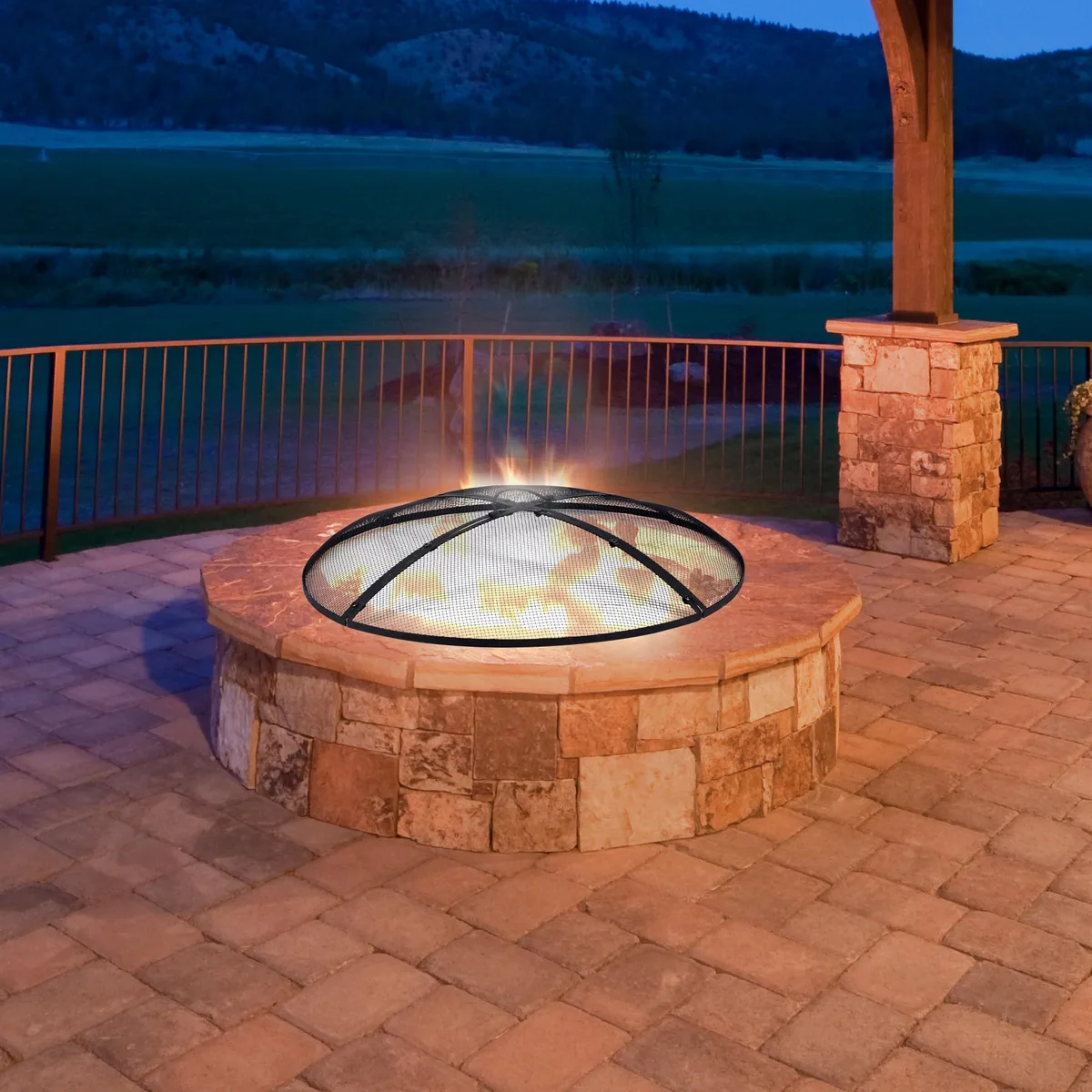
Image source: Bing (Web (fair-use with source credit))
Why Fire Pit Safety Actually Matters More Than the "How-To" Part
The NFPA tracks these incidents closely. Their data shows that the leading cause of these fires is simple: the fire pit was placed too close to a combustible structure. A wooden deck.
A vinyl fence. Overhanging tree branches. Dry grass.
The other major cause is improper fuel, like using lighter fluid or wet wood that pops and sends embers flying. These aren't rare accidents. They happen every year.
So when we talk about how to use a fire pit, the first step is always about where and what, not just how to strike a match. Safety isn't a separate section. It's the foundation of every correct step.
NFPA data and incident reports confirm that most fire pit mishaps come down to three things: placement, fuel, and supervision. Get those right, and you're already 90 percent of the way to a safe, enjoyable fire.
The NFPA recommends a minimum of 10 feet from any structure or combustible material. Some local codes are stricter. We'll cover those in the next section.
The point is, this isn't optional. It's a standard that exists because of real fires. A safe setup is a simple setup.
It's not complicated. It just requires attention to detail. For example, a fire pit on a deck has very different clearance needs than one on a concrete patio.
We've covered that in detail in our guide on fire pit placement for decks.
The Real Risks: What Can Go Wrong When You Light Up
Carbon monoxide poisoning is a silent danger. Never use a fire pit in an enclosed space like a garage, tent, or screened porch. Even a partially enclosed area can be dangerous.
Burn injuries from hot surfaces are another common issue. The fire pit itself, the metal ring, and the spark screen can stay hot for hours after the flames die.
Embers and sparks can travel, especially on a windy night. They can ignite dry leaves, a nearby woodpile, or a neighbor's roof. Unattended fires are the biggest risk.
A fire that seems low can flare up with a gust of wind. An unattended fire that gets out of control is a call to the fire department. And finally, improper extinguishing can lead to reignition.
The fire might look out, but embers can smolder for hours. You need to douse it with water or sand and stir the ashes until they are cool to the touch.
The US Forest Service emphasizes that you should never leave a fire unattended, even for a minute. The most common variable in outdoor fire accidents is simple human oversight. Here's a quick breakdown of the main risks.
| Risk | What It Looks Like | How to Prevent It |
|---|---|---|
| Carbon Monoxide | Headache, dizziness, nausea | Never use indoors or in an enclosed space. |
| Burns | Contact with hot metal or glass | Keep children and pets away. Use a spark screen. |
| Ember Travel | Small fires starting nearby | Check wind direction. Clear the area of debris. |
| Unattended Fire | Fire grows out of control | Assign a responsible adult to watch it. |
| Reignition | Smoldering embers flare up | Stir water into the ashes. Wait until they are cool. |
Getting It Right Before You Strike a Match: Placement, Fuel, and Local Rules
Choosing the right fuel is just as important as choosing the right location. Seasoned hardwood is the gold standard. It has a moisture content below 20 percent.
It burns hot, clean, and produces minimal smoke. Green wood, on the other hand, is full of moisture. It smokes heavily, creates more creosote, and is harder to light.
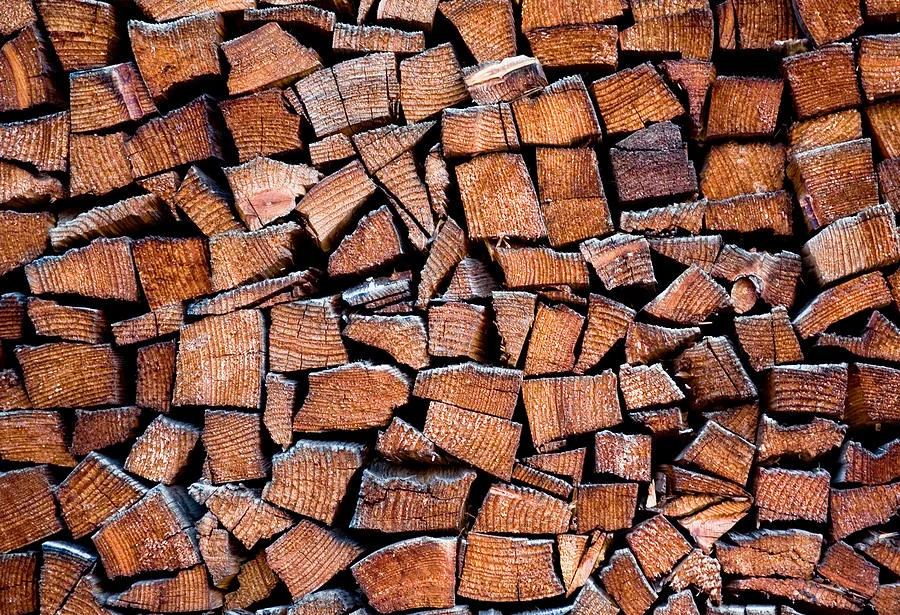
Image source: Bing (Web (fair-use with source credit))
You can check if wood is seasoned by looking for cracks in the end grain and hearing a hollow sound when you knock two pieces together. Manufactured fire logs are another option. They are consistent and produce less smoke, but you must check the manufacturer's instructions for use in a fire pit.
Some are designed for open fireplaces, not fire pits. Propane and natural gas models remove the fuel question entirely. You just turn a knob.
But they come with their own placement and ventilation requirements. If you want a cleaner burn, many people opt for a low-smoke model. That's a separate topic, but the fuel choice is a big part of it.
Before you buy any wood or light a match, check your local regulations. Some cities and counties have permanent burn bans. Others have seasonal restrictions.
Many homeowner associations have their own rules. A quick call to your local fire department's non-emergency line can save you a fine and a lot of trouble. They can tell you the current conditions and any specific rules for your area.
This is especially important in wildfire-prone regions like California, Colorado, and the Pacific Northwest, where restrictions can change daily based on weather and drought conditions.
How to Build, Light, and Maintain a Safe Fire (Step by Step)
This is the part most people think they know, but they often skip the details that make it work. A well-built fire starts with a good foundation. Follow these steps for a safe, reliable fire every time.
Step 1: Prepare the base. Clear the fire pit of any debris. If you have a grill grate, remove it. Make sure the air vents at the bottom are clear.
Step 2: Gather your materials. You need fire starters, kindling (small dry sticks), and seasoned hardwood. Keep a bucket of water or sand nearby.
Step 3: Build the fire. Place the fire starters in the center. Arrange the kindling in a teepee shape over the starters. Leave gaps for air to flow.
This is the classic method because it creates a strong draft.
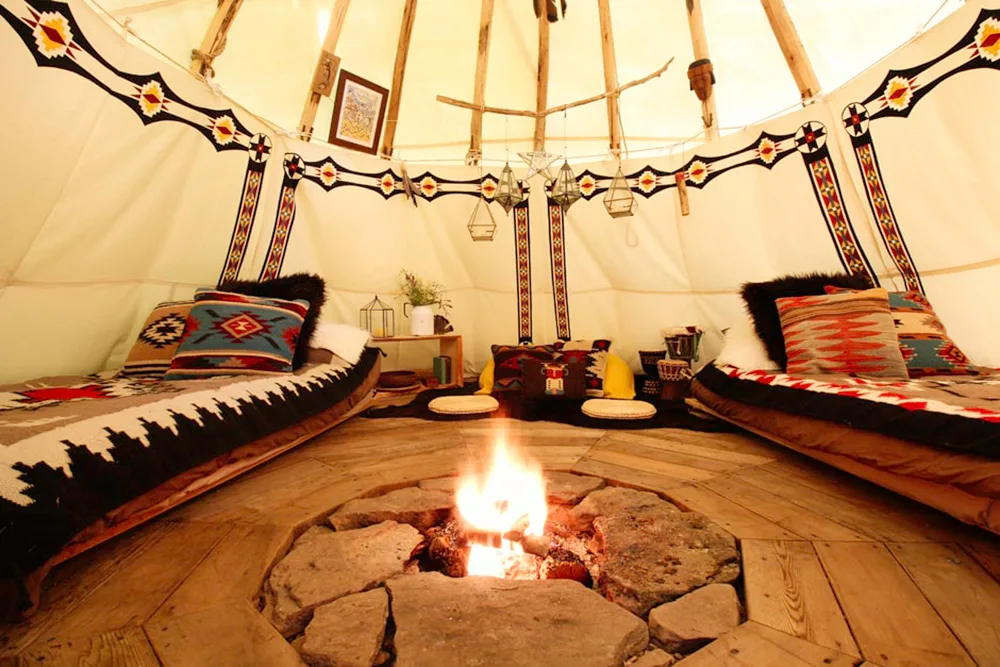
Image source: Bing (Web (fair-use with source credit))
Step 4: Light the fire. Use a long-reach lighter or a match. Light the fire starter from the bottom. Do not use lighter fluid or gasoline.
It's dangerous and creates a flare-up.
Step 5: Add fuel. Once the kindling is burning well, add one or two small logs. Do not overload the fire. A small fire is safer and easier to control.
You can always add more wood later.
Step 6: Maintain the fire. Keep a safe distance. Add more wood as needed, but keep the fire small. Use a fire pit tool set to handle hot materials.
For a simpler process, a reliable model with a push-button ignition can make the whole process much easier.
Step 7: Extinguish the fire. Let the wood burn down to ash. Douse the fire with water or sand. Stir the ashes with a shovel.
Continue adding water and stirring until the ashes are cool to the touch. Do not leave the fire pit until the ashes are cold. This is the step most people rush, and it's the one that causes the most problems.
The Mistakes Most People Make (and How to Avoid Them)
Even experienced fire pit owners make these errors. Each one is easy to fix once you know what to look for.
Mistake 1: Using accelerants. Lighter fluid, gasoline, or kerosene can cause a dangerous flare-up. The flame can shoot up several feet in seconds. Use a fire starter cube and kindling instead.
It takes a little longer, but it's much safer.
Mistake 2: Overloading the fire pit. A huge fire looks impressive, but it's harder to control and produces more embers. Keep the flames below the rim of the fire pit. A small, steady fire is safer and more enjoyable.
Mistake 3: Ignoring wind direction. Smoke blowing into your guests' faces ruins the evening. More importantly, wind can carry embers to dry grass or a wooden fence. Check the wind before you light.
Position yourself so the smoke blows away from seating areas.
Mistake 4: Using the wrong wood. Treated lumber, pallets, or painted wood release toxic chemicals when burned. Never burn them. Stick to seasoned hardwood or manufactured fire logs.
Softwoods like pine create more creosote and can cause popping that sends sparks flying.
Mistake 5: Leaving the fire unattended. This is the most common cause of fire pit accidents. If you need to go inside, assign someone to watch it or extinguish it completely. A fire can double in size in minutes with a gust of wind.
Mistake 6: Not having a fire extinguisher or water source nearby. A bucket of sand or a garden hose should be within reach before you light the first match. You don't want to run inside to find a bucket when a spark lands on dry grass.
Mistake 7: Putting the fire pit on a wooden deck without protection. A fire pit on a deck needs a non-flammable pad underneath. Many fire pits specify a minimum clearance from combustible surfaces. Check your owner's manual.
Some models are designed specifically for use on a deck, but most require a protective barrier.
Keeping Your Fire Pit in Shape: Cleaning, Storage, and Seasonal Care
A fire pit that's well maintained lasts longer and performs better. Neglect it, and you'll deal with rust, clogged vents, and poor performance.
Clean the fire pit after every few uses. Let the ashes cool completely. Remove them with a metal shovel and place them in a metal container with a lid. Ashes can stay hot for days.
Do not put them in a plastic trash can or compost bin.
Check the spark screen. A damaged screen allows embers to escape. Replace it if you see holes or tears. The mesh should be no larger than 1/4 inch to catch sparks effectively.
Inspect the fire pit for rust or cracks. Steel fire pits can rust over time, especially in humid climates. Remove surface rust with a wire brush and apply high-heat paint designed for fire pits. If you have a stone or concrete fire pit, check for cracks that could worsen with freeze-thaw cycles.
Store it properly. Cover the fire pit when it's not in use. Use a waterproof cover that fits snugly. If you live in a cold climate, consider moving it to a shed or garage during winter.
Freeze-thaw cycles can damage materials, especially if water gets trapped in the base.
Maintain the gas components. If you have a propane or natural gas fire pit, check the burner tubes for blockages. Clean the ports with a soft brush. Replace the propane tank when it's low.
Store the tank upright and away from heat sources. A well-maintained model can last for years with minimal upkeep.
Seasonal maintenance list.
| Task | Frequency | What to Do |
|---|---|---|
| Ash removal | Every 3-5 uses | Scoop out cool ashes, store in metal container |
| Spark screen check | Monthly | Look for holes, replace if damaged |
| Rust inspection | Each season | Wire brush surface rust, repaint with high-heat paint |
| Cover | After each use | Use waterproof cover, secure straps |
| Gas system check | Before first use each season | Clean burner ports, check for leaks |
When to Call a Professional
Most fire pit problems are easy to fix yourself. But some situations call for an expert. If you smell gas near your propane or natural gas fire pit, shut off the supply immediately.
Call a licensed gas technician. Do not light the fire pit until they inspect it.
If your fire pit is permanently installed and you notice cracks in the stone or concrete, consult a mason. Small cracks can worsen with freeze-thaw cycles. A professional can assess whether the structure is still safe.
For gas fire pits, any issue with the ignition system or burner that you can't fix with a simple cleaning needs a technician. People who try to fix gas leaks themselves often make things worse.
The same applies to electrical components. If your fire pit has an electronic ignition and it stops working, check the battery first. If that's not the issue, call an electrician or the manufacturer's support line.
Do not try to bypass safety switches. It's not worth the risk.
Frequently Asked Questions
How far should a fire pit be from a house?
The NFPA recommends at least 10 feet from any structure. Some local codes require 15 feet. Check with your local fire department for specific rules in your area.
Always maintain more clearance on windy days.
Can I use a fire pit on a wooden deck?
Yes, but only with the right precautions. Use a fire pit specifically rated for deck use and place it on a non-flammable pad. Keep it at least 10 feet from the house and never leave it unattended.
Some smaller models are designed for this purpose.
What is the best wood for a fire pit?
Seasoned hardwood like oak, hickory, or maple is best. It has a moisture content below 20 percent, burns hot, and produces minimal smoke. Avoid softwoods like pine, which create more creosote and can cause popping.
How do I put out a fire pit safely?
Let the wood burn down to ash. Douse the fire with water or sand. Stir the ashes with a shovel.
Continue adding water and stirring until the ashes are cool to the touch. Do not leave the fire pit until the ashes are cold. Extinguish it completely before leaving.
Can I use a fire pit during a burn ban?
No. Check with your local fire department before lighting a fire. Burn bans are in place for a reason.
Violating one can result in a fine and puts your community at risk. Some areas allow gas fire pits during burn bans, but confirm first.
How often should I clean my fire pit?
Remove ashes after every 3-5 uses. Deep clean the fire pit once a season. Check the spark screen monthly.
For gas fire pits, clean the burner ports before the first use of the season.