Best Spinning Reel: Top Picks For Every Angler
The best spinning reel balances smooth drag, light weight, strong gears, and easy casting for real fishing conditions.
A bad reel can turn a calm morning into a tangled mess. The bail may feel rough, the line may twist, or the drag may slip when a strong fish runs. I know that frustration because small details often decide whether a trip feels easy or tiring. The right spinning reel should cast cleanly, recover line fast, and stay comfortable in your hand. I reviewed these six popular models by looking at size, drag control, gear feel, line handling, comfort, and value. This guide will help you find the best spinning reel for bass, panfish, trout, surf fishing, and more.

KastKing Megatron Spinning Fishing Reels…
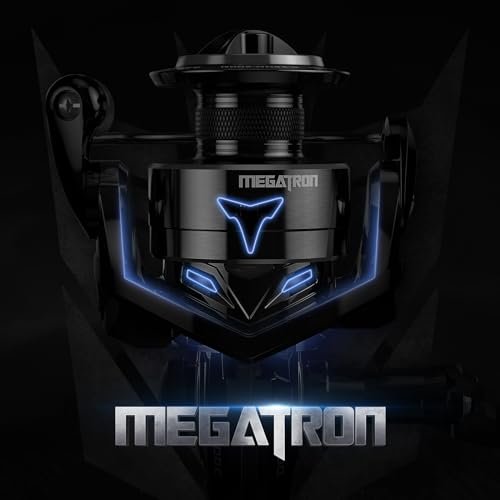
MOST POWERFUL TRANSFORMER IN FISHING – KastKing MegaTron transforms the industry with the roll out of another great freshwater and saltwater fishing reel. The MegaTron spinning reel brings you a…

Shimano C5000XG Sedona Spinning Reel…
Gear Ratio: 14.2 lbs (6.2 kg), Practical Drag Force: 13.3 lbs (6 kg), Maximum Drag Force: 24.3 lbs (11 kg) Weight: 11.2 oz (310 g) / Spool Diameter: 2.1 inches…
Check Price on Amazon →
KastKing Sharky III Spinning Fishing…
NEXT-GEN – KastKing Sharky III spinning reels look great. They are built tough to land trophy fish in saltwater and freshwater. Sharky III are superb lightweight fishing reels built with…
KastKing Megatron Spinning Reel

The KastKing Megatron 60 is a large spinning reel made for anglers who need more power than a small freshwater reel can offer. Its 5.2:1 gear ratio gives it a useful mix of retrieve speed and pulling force. The metal frame gives the reel a solid feel when you turn the handle under load. I see this size as a practical choice for larger freshwater fish, light saltwater use, and bottom rigs.
The first thing that stands out is the reel’s unusual metal body design. It looks bold, but the shape also gives your hand a firm place to hold during long fights. A large spool can carry heavier line and more backing, which helps when a fish makes a long run. Like any reel in this size class, it is heavier than a 1000 or 3000 reel, so balance matters when you pair it with a rod.
Pros:
- Large spool supports heavier line and longer runs
- Strong metal body feels stable under pressure
- 5.2:1 ratio offers useful all-around speed
- Good choice for larger freshwater species
- Distinct handle and body design provide a secure grip
- Useful for anglers who want extra reel capacity
Cons:
- Heavier than most light and medium spinning reels
- Large size may feel excessive for panfish or trout
- Not the best fit for ultralight rods
In practical use, the Megatron makes the most sense when your target fish can test your tackle. Think catfish, carp, pike, striped bass, and similar fish. The larger size gives you room for stronger line, while the sturdy frame helps the reel feel less fragile. It can also work well for anglers who fish from shore and need extra distance or line capacity.
I would not choose this reel for delicate finesse work. A light jig or small lure feels better on a compact reel with a lighter spool. The Megatron is more at home when strength, capacity, and control matter most. If you prefer a tough reel with a striking look, this model offers strong value for its size.
Shimano Sedona C5000XG Spinning Reel

The Shimano Sedona C5000XG is a strong all-purpose reel for anglers who want smooth operation from a trusted tackle brand. The C5000 size gives you more line capacity than a small bass or trout reel. Its extra-high gear ratio helps you pick up line quickly after a cast or when a fish swims toward you. This makes it useful for lures, soft plastics, jigs, and many light saltwater setups.
Shimano builds the Sedona line around simple, proven reel design. The handle feels steady, and the spool supports controlled line flow when you cast. The reel does not try to replace a heavy offshore reel, but it can handle a wide range of everyday fishing jobs. I especially like this model for anglers who want a dependable reel without paying premium flagship prices.
Pros:
- Fast retrieve helps remove slack quickly
- Versatile C5000 size suits many fishing styles
- Smooth feel supports repeated casting
- Good line capacity for medium-size targets
- Reliable brand reputation and broad parts support
- Works well with lures, bait, and soft plastics
Cons:
- Extra-high gear ratio may feel less powerful under heavy load
- Not designed for very large offshore fish
- Some anglers may want a stronger sealed reel for regular saltwater use
The C5000XG shines when you need speed. A fast retrieve lets you take up slack after a long cast and keeps a moving lure working at the right pace. It also helps when a bass, walleye, or inshore fish turns and runs toward the boat. That quick line pickup can make the difference between a tight hookset and a loose line.
I would pair it with a medium or medium-heavy rod for bass, walleye, redfish, snook, and similar targets. Rinse it with fresh water after saltwater trips and keep the drag clean. The Sedona is a smart pick for anglers who value smooth handling and fast line recovery. For many people, it comes very close to being the best spinning reel for general use.
KastKing Sharky III 3000 Spinning Reel

The KastKing Sharky III 3000 is one of the most flexible reels in this group. A 3000-size reel fits well on many medium-light and medium rods. It has enough capacity for bass, trout, walleye, panfish, and many inshore fish. This size also keeps the total rod-and-reel setup comfortable for long days on the bank or in a small boat.
The Sharky III is built around a sealed-style body design that helps limit water and dirt from reaching key areas. No spinning reel is maintenance-free, so I still recommend a clean rinse after saltwater use. The reel offers a good balance of weight, line capacity, and drag range. That balance is why the 3000 size remains popular with new anglers and experienced weekend fishermen.
Pros:
- Versatile 3000 size fits many rods
- Good balance of weight and line capacity
- Useful for freshwater and light inshore fishing
- Sealed-style design helps protect internal parts
- Comfortable choice for long casting sessions
- Strong value for anglers building a first tackle setup
Cons:
- May feel less refined than higher-priced Shimano or Daiwa reels
- Not ideal for very heavy line or large saltwater fish
- Routine cleaning remains important after wet use
When I recommend one reel size for a broad range of anglers, I often start with a 3000. It can cast small crankbaits, soft plastics, spinners, live bait, and light jigs without feeling too large. It also gives a new angler enough room to grow. You can use it for bluegill and trout today, then move to bass or walleye tomorrow.
The Sharky III works best for people who want one reel for many trips. It is not the lightest option here, and anglers who chase tiny fish may prefer a 1000 or 2000 size. Still, its practical design and flexible size make it an easy recommendation. For budget-minded buyers, this model is a serious candidate for the best spinning reel title.
Daiwa Crossfire LT Spinning Reel

The Daiwa Crossfire LT focuses on low weight, easy handling, and clean line flow. Its LT design helps reduce the tired feeling that can build during a long day of casting. The AIRDRIVE-style design, Digigear system, LC-ABS spool, and ATD-style drag system give it a modern feature set at an accessible price. This reel is a strong match for bass, trout, panfish, walleye, and light inshore work.
A light reel can improve the whole setup, not just the reel itself. When the reel balances near the rod grip, you can twitch a small lure with less wrist strain. The spool shape also matters because poor line flow can create wind knots and short casts. Daiwa designed this family with easy casting and practical comfort in mind, which makes it appealing for anglers who fish often.
Pros:
- Light design reduces hand and wrist fatigue
- LC-ABS spool supports smooth line release
- ATD-style drag helps provide steady pressure
- Digigear system gives the handle a solid feel
- Good match for light and medium rods
- Strong choice for repeated lure casting
Cons:
- Light construction may not suit heavy abuse
- Smaller sizes may have limited capacity for thick line
- Not a replacement for a dedicated heavy saltwater reel
I like the Crossfire LT for anglers who value comfort above flashy features. It feels at home on a dock, river bank, pond, or small boat. A light setup helps beginners learn casting, but it also helps skilled anglers make more casts without tiring. That matters because more good casts often lead to more bites.
The reel is best when matched to the right line and rod. Use a line size that fits the spool and target species, rather than forcing heavy line onto a small model. The Crossfire LT is not built for extreme drag pressure or harsh offshore use. Within its range, it offers excellent everyday value and may be the best spinning reel for light-tackle fans.
KastKing Spartacus II 1000 Spinning Reel
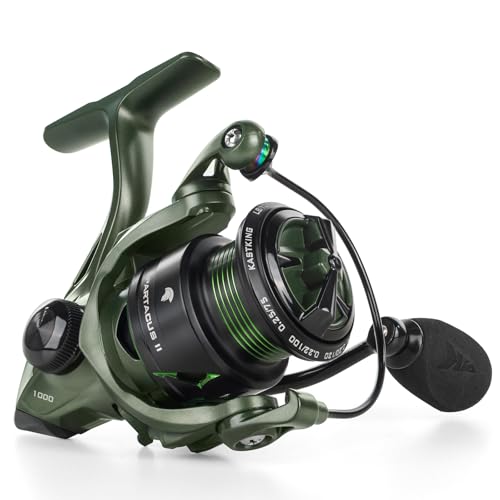
The KastKing Spartacus II 1000 is made for light fishing and smaller targets. Its compact size fits ultralight and light rods, making it a good option for trout, crappie, bluegill, perch, and small bass. The reel is listed for both freshwater and saltwater use, but I would treat saltwater use with care. A careful rinse and dry after every saltwater trip will help protect the reel.
A 1000-size reel changes how a setup feels in your hand. It makes small lures feel lively and helps you cast light line with less bulk. The tradeoff is lower line capacity and less power than a 3000 or 5000 reel. That is not a weakness when the reel matches the fish, rod, and line.
Pros:
- Compact size suits ultralight and light rods
- Comfortable for young anglers and long fishing days
- Good choice for trout, crappie, and panfish
- Helps small lures feel more natural
- Light body reduces setup weight
- Can serve for light freshwater and careful inshore use
Cons:
- Limited line capacity compared with larger reels
- Not suited to large fish or heavy cover
- Saltwater use requires careful cleaning and drying
I would choose the Spartacus II when the goal is fun, control, and light tackle. A small reel makes a two-pound bass feel like a real fight, while a trout or crappie can give you a memorable run. It also works well for beginners who need a simple setup that does not feel clumsy. The smaller frame can be easier for children to hold and operate.
Do not ask a 1000-size reel to do a 5000-size job. Heavy weeds, thick line, and large fish can place too much stress on a compact reel. For clean water and light line, however, it offers a pleasant fishing feel. It is a good value pick for anglers who want the best spinning reel for finesse and small species.
KastKing Sharky Baitfeeder III 6000
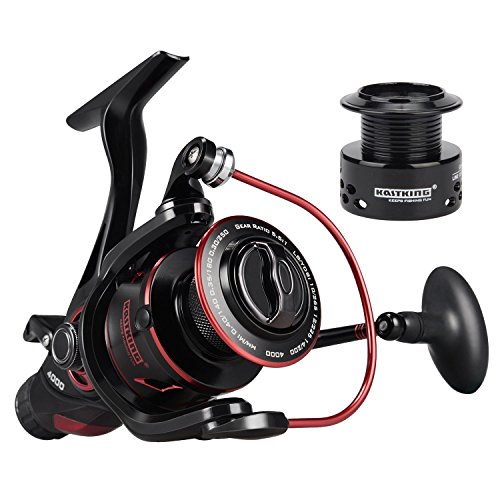
The KastKing Sharky Baitfeeder III 6000 is a specialized reel for anglers who fish live bait. Its baitfeeder system lets you set a lighter secondary drag for a baited hook. This allows a fish to take line with less resistance before you engage the main drag. The 6000 size adds the capacity and power needed for carp, catfish, pike, saltwater bait fishing, and other larger targets.
The reel uses a 5.5:1 gear ratio, which gives a useful blend of speed and strength for a large spinning reel. The big spool can hold plenty of line, a key benefit when a fish runs far from shore. The baitfeeder system takes practice, but it can be very useful when you need to let a fish move with bait before setting the hook. I see it as a tool for a specific style, not a general-purpose ultralight reel.
Pros:
- Built-in baitfeeder supports live-bait fishing
- Large 6000 size offers high line capacity
- Useful for carp, catfish, pike, and larger fish
- 5.5:1 ratio gives a practical retrieve rate
- Helpful for shore anglers who fish multiple rods
- Strong option for bait-and-wait techniques
Cons:
- Large and heavy for light lure fishing
- Baitfeeder takes time to learn and adjust
- May be more reel than casual anglers need
For a bait fisherman, the baitfeeder can feel like an extra set of hands. You can place a rod in a holder and let the secondary drag manage light pressure on the line. When the fish takes, you pick up the rod, turn off the baitfeeder, and use the main drag. Always follow local rules when fishing more than one rod.
The 6000 size makes this reel less comfortable for nonstop casting. It is better for stationary bait rigs than for working a lure all day. I would also rinse and dry it after saltwater trips, then check the drag and line roller. If live bait is your main method, this reel may be the best spinning reel for your needs because few standard reels offer the same control.
My Recommendation
Each reel serves a different angler, so I would not call one model perfect for every trip. The Shimano Sedona C5000XG is my top all-around choice because it combines a useful size, fast retrieve, smooth handling, and dependable design. The Daiwa Crossfire LT is better for anglers who want a light setup, while the KastKing Sharky III 3000 offers excellent flexibility at a budget-friendly level.
Choose the KastKing Spartacus II 1000 for trout, panfish, and ultralight fun. Pick the Megatron 60 when you need extra power and capacity. The Sharky Baitfeeder III 6000 is the clear specialist for live bait and larger fish. In my view, the best spinning reel is the one that matches your target fish, line, rod, and fishing style rather than the one with the longest feature list.
| Best for | Why |
|---|---|
| Best all-around use | Shimano Sedona C5000XG offers fast line pickup, solid capacity, and versatile performance. |
| Best light-tackle value | Daiwa Crossfire LT keeps the setup light and comfortable for repeated casting. |
| Best live-bait setup | KastKing Sharky Baitfeeder III 6000 gives you a separate baitfeeder drag and large capacity. |
How to Choose the Best Spinning Reel
Reel size should be your first decision. A 1000-size reel fits light line and small lures. A 3000-size reel works as a flexible middle option. A 5000 or 6000 reel provides more power and capacity for large fish, heavy line, and bait rigs.
Do not choose size by numbers alone. Brand sizing can vary, so check the listed line capacity and weight before you buy. The reel should balance near the front of the reel seat. If the rod tip drops hard, the setup may feel tiring even when the reel itself is not very heavy.
Match the Reel to Your Rod
A reel should work as part of a system. A 1000-size reel pairs well with an ultralight or light rod. A 2500 or 3000 reel often matches a medium-light or medium rod. Larger 5000 and 6000 reels belong on medium-heavy or heavy rods that can handle stronger line.
Balance also affects casting control. A reel that is too large can make a light rod feel awkward. A reel that is too small may not hold enough line for a long fight. I always think about the complete setup instead of judging a reel by itself.
Understand Gear Ratio
The gear ratio tells you how many times the spool turns with one handle rotation. A lower ratio often gives more cranking power. A higher ratio takes up line faster. Both can work well, but the best choice depends on the lures and fish you target.
The Shimano C5000XG has a fast retrieve, which helps when you need to remove slack quickly. The KastKing Megatron and Sharky Baitfeeder use ratios that suit larger reels and steady pressure. For general use, a middle ratio is often easiest to manage. Beginners should focus on smooth control before chasing extreme speed.
Look at the Drag System
The drag protects light line when a fish runs. It should start smoothly instead of sticking, then add pressure in a steady way. A rough drag can break line or pull a hook free. A smooth drag gives you time to guide the fish away from weeds and cover.
Set your drag before the first cast. A common starting point is about one-quarter to one-third of the line’s breaking strength, but the ideal setting changes with knots, cover, hooks, and fish behavior. Use a scale if you want precise results. Most anglers can start with a firm but smooth setting and adjust it during the fight.
Check Line Management
Good line management helps prevent loops and wind knots. The bail should close firmly, and the line roller should turn freely. The spool should lay line in even wraps rather than piling line at one end. These small points can matter more than a high bearing count.
Fill the spool to the proper level. Underfilling reduces casting distance. Overfilling can create loose loops that jump from the spool. Leave a small gap near the spool lip and follow the reel maker’s line instructions when possible.
Bearings and Retrieve Feel
More bearings do not always mean a better reel. Bearing quality, gear alignment, seals, and lubrication all affect the retrieve. A reel with fewer good parts can feel better than a reel with a large advertised number.
Turn the handle slowly when you inspect a reel. Listen for grinding or clicking. Check for side play in the handle and rotor. A small amount of movement may be normal on a budget reel, but the retrieve should still feel steady and controlled.
Freshwater and Saltwater Use
Saltwater is hard on fishing gear. Salt crystals can collect around the bail, line roller, handle, and drag. Even a reel labeled for saltwater needs care. Rinse it with low pressure, wipe it dry, and store it in a dry place.
Do not spray a strong water stream into the reel. High pressure can push salt and water deeper into the body. Avoid soaking the reel unless the manufacturer gives clear instructions. Regular light care often does more good than rare deep cleaning.
How Much Drag Do You Need?
Many anglers buy more drag power than they can use. A high maximum number does not guarantee a smooth working drag. For bass, trout, panfish, and walleye, smooth startup and fine adjustment matter more than extreme pressure.
Large catfish, carp, pike, and inshore fish may need more capacity and stronger drag. Yet rod action and line strength still set the real limit. Your reel cannot replace a strong rod, a good knot, and careful fish control.
Spinning Reel Maintenance Tips
Wipe the reel after each trip. Check the line for nicks and replace damaged sections. Inspect the bail spring, line roller, and handle knob before storing the reel. These quick steps can prevent small problems from becoming expensive repairs.
Keep the drag tightened during storage only if the manufacturer recommends it. Many anglers prefer to loosen the drag after fishing so the washers do not stay compressed. Store the reel away from direct heat and damp air. A reel bag can protect it from dust and knocks.
Best Spinning Reel Buying Tips by Fishing Style
For Bass Fishing
A 2500 or 3000 reel works well for many bass techniques. Use a faster ratio when you fish moving lures or need to pick up slack. A smooth drag matters when bass make a sudden run near cover. The KastKing Sharky III and Daiwa Crossfire LT both fit this style well.
For heavier jigs or thick line, step up in size. The Shimano Sedona C5000XG offers extra capacity while keeping a manageable shape. Match the reel with a medium or medium-heavy rod. This gives you enough control without making the setup feel like a winch.
For Trout and Panfish
Light line and small lures work best with a 1000-size reel. The compact KastKing Spartacus II can make small fish feel lively. The Daiwa Crossfire LT is another good choice when you want low weight and easy casting. Use a light rod with a soft tip to protect fine line.
Do not spool too much heavy line on a small reel. Thick line reduces capacity and can hurt lure action. Match your line to local fish, cover, and rules. A simple setup with a smooth drag often beats a complex setup for light fishing.
For Catfish and Carp
Catfish and carp can take long runs, especially in open water. A 5000 or 6000 reel gives you more line room and stronger gearing. The KastKing Megatron 60 offers a sturdy platform, while the Sharky Baitfeeder III adds useful live-bait control.
Use a strong rod and check your knots before each trip. Big fish often find weak points near the leader or hook. Set the drag so it gives line under a hard run, but keep enough pressure to guide the fish. Patience is part of the tackle system.
For Inshore Saltwater
Inshore anglers need line capacity, a smooth drag, and good care habits. A C5000 or 6000 reel can handle many light inshore jobs. The Shimano Sedona C5000XG works well for lure fishing, while the Megatron may suit heavier rigs.
Saltwater use can shorten reel life when anglers skip care. Rinse the outside with fresh water after every trip. Wipe the line roller and bail area. If the reel starts to feel rough, stop using it until you can inspect and clean it.
Common Spinning Reel Mistakes to Avoid
The first mistake is buying a reel that is too large for the rod. Large reels can hold more line, but they also add weight. That extra weight can make a light rod tiring and reduce casting comfort. Always check balance before you focus on maximum drag.
The second mistake is filling the spool too high. Full spools can cast far, but overfilled spools may create loops. Leave a small gap from the line to the spool edge. If you use braided line, add backing so the braid does not slip on the spool.
Another mistake is closing the bail by turning the handle every time. Manual bail closing can reduce sudden loops and protect the bail spring. It also helps you check that the line sits correctly on the line roller. This small habit can improve line life.
Some anglers also tighten the drag all the way when storing the reel. That can place long-term pressure on drag washers. Loosen the drag after the trip if the maker allows it. Then reset the drag before your next cast.
Line Choices for Spinning Reels
Monofilament is simple and forgiving. It costs less, handles knots well, and works for many beginner setups. It also stretches, which can soften sudden runs. That stretch may help new anglers avoid pulling hooks free.
Braided line has low stretch and a thin diameter. It can improve feel and add capacity, but it needs a leader in many clear-water situations. Use backing under braid to stop spool slip. A good knot between braid and leader also matters.
Fluorocarbon works well as a leader because it is tough and less visible under water. Full fluorocarbon can be harder to manage on some spinning reels. For many anglers, braid with a fluorocarbon leader gives a useful blend of feel, distance, and abrasion control.
Use line that fits the reel and target fish. Heavy line on a small spool can create memory and poor casting. Light line around sharp cover can break. The best spinning reel still needs the right line to perform well.
Are Expensive Spinning Reels Better?
Premium reels often offer lighter bodies, tighter tolerances, smoother gears, and better sealing. Those benefits can matter to anglers who fish many days each year. They may also provide a more refined feel after long use. Still, a high price does not make a reel right for every person.
Budget reels can provide excellent fishing when you match them to the right job. The Daiwa Crossfire LT, KastKing Sharky III, and Shimano Sedona show how useful modern entry and mid-level reels can be. Care and proper line setup will often have a bigger effect than a small difference in bearing count.
I suggest spending more when you fish hard, face harsh conditions, or need very low weight. Spend less when you fish a few times each season or need several matching reels. A good value reel should feel smooth, cast well, and hold up to normal care.
FAQs Of Best Spinning Reel
What size spinning reel is best for most anglers?
A 3000-size reel is a useful middle choice for many anglers. It fits medium-light and medium rods and works for bass, trout, walleye, and light inshore fishing. Choose a smaller or larger size when your target fish or line needs change.
Is a 1000-size reel good for bass?
It can work for small bass in open water with light line. However, a 2500 or 3000 reel offers more capacity and control around cover. The KastKing Spartacus II 1000 is better for light bass, trout, crappie, and panfish than heavy bass work.
Can I use these spinning reels in saltwater?
Some models can handle light saltwater use, but all need care. Rinse the reel with fresh water after each trip and dry it well. Do not use high-pressure spray because it may push salt into the reel body.
What gear ratio should I choose?
A medium ratio works for many general fishing styles. A high ratio helps you recover line fast and keep slack out. A lower ratio can give more cranking power for heavier lures and larger fish.
How often should I clean a spinning reel?
Wipe the reel after every trip. Rinse it after saltwater use, then let it dry before storage. Plan a deeper inspection when the handle feels rough, the drag becomes uneven, or the line roller stops turning freely.
Final Verdict: Which Should You Buy?
The Shimano Sedona C5000XG is my top pick for the best spinning reel because it offers speed, capacity, smooth handling, and broad use. Choose the Daiwa Crossfire LT for light weight, or the KastKing Sharky III 3000 for budget-friendly versatility.
Match the reel to your rod, line, target fish, and water. With proper setup and simple care, any of these reels can support better casts and more confident fights.