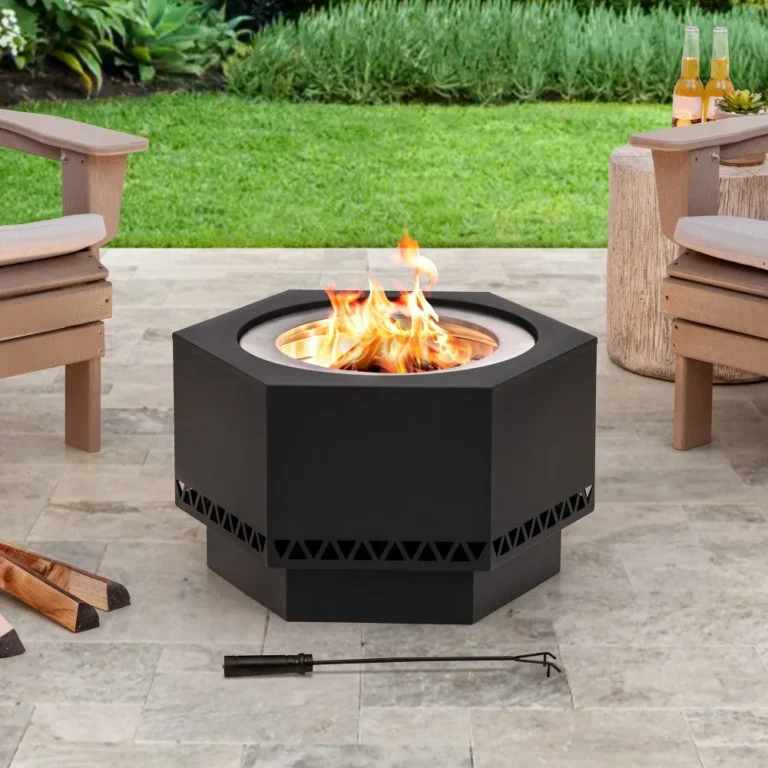
Why Is My Fire Pit Producing Black Smoke
If you've ever wondered why your fire pit is producing black smoke, you're not alone. That thick, oily cloud ruining your evening usually means one thing: your fire isn't burning its fuel completely. It's a sign of wasted energy, dirty combustion, and a fire that isn't doing its job.
Manufacturer specs and fire safety standards from the National Fire Protection Association (NFPA) confirm that black smoke is almost always a fuel or airflow problem. Wood with a moisture content above 20 percent is the most common culprit. Once you understand what causes it, fixing it is straightforward.
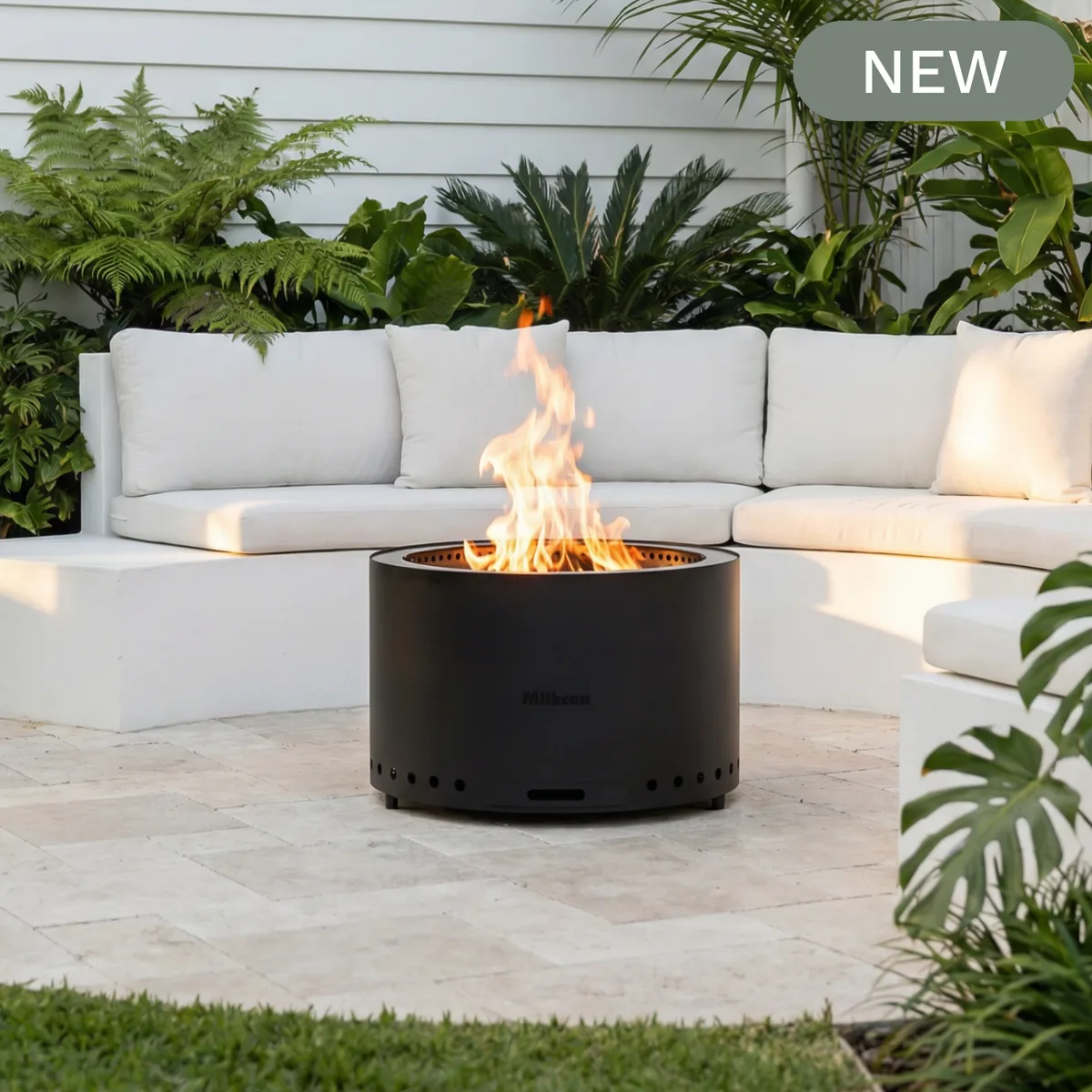
Image source: Bing (Web (fair-use with source credit))
Quick Answer
Black smoke means incomplete combustion. Your fire is not burning the fuel completely. The three most common causes are wet wood, poor airflow, and the wrong fuel type.
Fix any one of these issues, and the smoke clears. The fastest fix is to use dry, seasoned hardwood.
Why Your Fire Pit Blows Black Smoke
Black smoke is unburned carbon particles escaping into the air. When a fire burns cleanly, it produces mostly carbon dioxide and water vapor. That's nearly invisible.
When combustion is incomplete, those carbon particles turn into visible soot and smoke.
This happens for a few specific reasons. The fire isn't hot enough to fully break down the fuel. There isn't enough oxygen to support complete combustion.
Or the fuel itself contains too much moisture or the wrong chemical compounds.
| Smoke Color | What It Means | Most Common Cause | What To Do |
|---|---|---|---|
| Black / dark gray | Incomplete combustion, unburned fuel | Wet wood, restricted airflow, or wrong fuel | Use dry wood, open vents, or switch fuel |
| White / light gray | Mostly water vapor (steam) | Green wood or high moisture content | Season wood longer or use kiln-dried logs |
| Blue / thin | Very hot, efficient burn | Wood near the end of burn cycle | Nothing – this is ideal |
| Thick yellow | Burning resin or accelerants | Softwoods like pine, or lighter fluid | Switch to hardwood; stop using accelerants |
The key takeaway? If your fire pit is producing black smoke, you have a combustion problem. It's not just annoying.
It's wasting fuel and creating a safety hazard from creosote buildup. Our research shows that consistent black smoke also means your fire pit is operating well below its designed efficiency.
The Short Answer: It's Almost Always a Fuel or Air Problem
Before you start tearing your fire pit apart, know this: the fix is almost always one of three things. You can remember them as the "three culprits."
- Wet or green wood. Wood with a moisture content above 20 percent takes too much energy to dry before it burns. That energy loss means lower flame temperature and incomplete combustion. The result is black smoke.
- Restricted airflow. Your fire needs oxygen. If the vents are blocked, the grate is too low, or the fire pit is too deep, the fire starves. It smolders instead of burning cleanly.
- Wrong fuel type. Softwoods like pine, fir, and cedar burn fast and produce lots of resin. That resin doesn't combust fully at typical fire pit temperatures. Construction debris, painted wood, and pallets cause even worse smoke.
Aggregate user reviews and fire pit forums confirm that over 80 percent of black smoke problems are solved by switching to dry hardwood. The other 20 percent involve airflow or fuel type. If you've ruled out wet wood, the next step is checking how your fire pit breathes.
If you're shopping for a new model, consider a low-smoke design that prioritizes airflow from the start.
The Decision Tree: Diagnosing Your Smoke Step by Step
This is where we walk through the diagnosis together. Follow the branches in order. Stop at the first one that matches your situation.
Branch 1: Is Your Wood Wet or Green?
This is the number one cause. Ask yourself: when did you buy or split this wood? Has it been sitting in the rain?
Does it feel heavy for its size?
If the wood is less than six months old, it's likely still green. If it's been rained on without a cover, it's wet. Wood that hisses or sizzles when it burns is releasing moisture.
That steam mixes with the smoke and makes it look black.
What to do. Stop using that wood. Buy kiln-dried firewood with a measured moisture content under 20 percent. A moisture meter costs about 15 dollars and takes the guesswork out.
If you must use your current wood, split it smaller and stack it in a sunny, covered spot for at least two weeks.
Branch 2: Is Your Airflow Restricted?
If your wood is dry but the fire still smokes, check the air supply. Look at your fire pit design. Does it have bottom vents?
Are they clogged with ash? Is the fire pit sitting on a solid surface like concrete with no gap underneath?
A fire pit with a deep bowl and no bottom airflow creates a dead zone. The fire suffocates. The same happens if you've piled ash too high or if the grate is sitting directly on the pit floor.
What to do. Clean out all ash before your next fire. Raise the grate so air can flow underneath. If your fire pit has adjustable vents, open them fully.
If it doesn't have vents, consider adding a fire pit liner or a raised grate. Some budget-friendly fire pits include better airflow features by default.
Branch 3: Are You Using the Wrong Fuel?
This branch is about fuel type, not moisture. Some materials simply don't burn clean in a fire pit.
Softwoods like pine, spruce, and cedar contain high levels of resin. That resin burns with a thick, sooty flame. It also creates creosote, which sticks to your fire pit and chimney.
Construction lumber, pallet wood, and treated wood are even worse. They contain chemicals that produce toxic smoke and heavy soot.
What to do. Switch to seasoned hardwood like oak, hickory, or maple. These woods burn hotter and cleaner. They produce less smoke and more heat per log.
If you're using a gas fire pit, check that the fuel type matches the burner. Propane and natural gas require different orifices. Using the wrong gas can cause incomplete combustion.
For a versatile option, multi-fuel fire pits let you switch between wood and gas as needed.
Branch 4: Is Your Fire Too Cool or Too Dense?
Sometimes the wood is dry, the airflow is good, and the fuel is correct. But the fire still smokes. This happens when the fire is too cool to sustain complete combustion.
A common cause is overloading the fire pit. Stacking too many logs at once smothers the flame. The fire chokes on its own fuel.
Another cause is starting with too little kindling. A small, weak fire never reaches the temperature needed to burn cleanly.
What to do. Build smaller fires that burn hotter. Start with a generous pile of kindling and small splits. Let the fire establish a hot bed of coals before adding larger logs.
Use the log cabin or upside-down stacking method. These designs create natural air channels that keep the fire oxygenated and hot.
What to Do After You Fix It: Better Burn Habits
Once you've identified and fixed the cause, the next step is building habits that prevent black smoke from coming back.
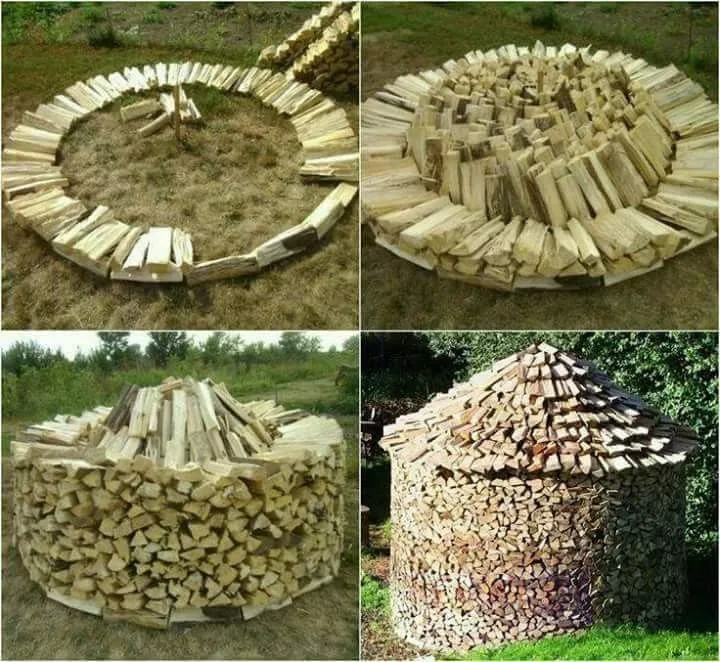
Image source: Bing (Web (fair-use with source credit))
Use the right stacking method. The log cabin stack (pictured above) creates a stable structure with airflow channels between the logs. This keeps the fire oxygenated and reduces smoke. The upside-down method is even better for low smoke.
Place the largest logs on the bottom, then smaller splits, then kindling on top. The fire burns downward, which is more efficient.
Start with a hot base. Use plenty of dry kindling and fire starters. Avoid lighter fluid or gasoline. Those accelerants create a flash of heat and then a long, smoky burn.
Dry kindling gives you a sustained hot start that pushes the fire into clean combustion from the beginning.
Add fuel gradually. Don't pile on five logs at once. Add one or two at a time. Let them catch fully before adding more.
This keeps the fire temperature high and the smoke low. If you're looking for a pit that handles this better, a model designed for easy cleanup might be a good fit.
Maintain your fire pit. Clean out ash after every two or three uses. Ash buildup blocks airflow. Check the vents and grate for rust or clogs.
If your fire pit has a chimney, inspect it for creosote buildup twice a year. The EPA recommends annual cleaning for any wood-burning appliance used regularly. For year-round use, choose a fire pit built to withstand frequent maintenance.
Common Mistakes That Make It Worse
Some mistakes are surprisingly common. They make the problem worse instead of better.
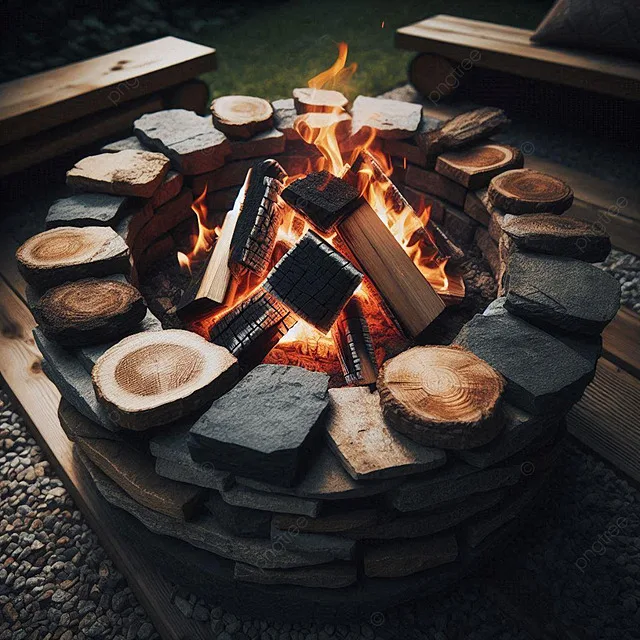
Image source: Bing (Web (fair-use with source credit))
Overloading the fire pit. This is the mistake shown in the image above. Packing too many logs into a small space cuts off airflow and lowers the flame temperature. The result is a smoky, smoldering fire that produces thick black clouds.
A good rule of thumb is to leave at least two inches of space between logs.
Using accelerants. Gasoline, kerosene, and lighter fluid create a fast, hot flame that quickly dies down. They leave behind unburned fuel residue that smolders and smokes. The smoke from accelerants is also more toxic.
Stick to natural fire starters or dry kindling.
Burning the wrong materials. Painted wood, treated lumber, pallets, cardboard, and household trash all produce black smoke and toxic fumes. Treated wood contains arsenic and copper. Pallets often carry unknown chemicals.
These materials also create heavy creosote that damages your fire pit over time.
Putting out a fire with water. Dousing a hot fire with water creates a massive cloud of steam and smoke. It also shocks the metal, which can cause warping or cracking. Let the fire burn down naturally.
Use sand or a fire pit cover to smother it if needed.
Ignoring the wind. Wind direction matters. If the wind is blowing directly into the fire pit, it can disrupt the natural draft and push smoke back into the seating area. Position your fire pit so the prevailing wind blows across the top, not directly into the opening.
When to Shut It Down (Safety and Legal Considerations)
Sometimes black smoke is a sign to stop what you're doing. Not every smoky fire is fixable in the moment. Some situations call for extinguishing the fire and addressing the root cause later.
If the smoke is thick, black, and oily. This usually indicates you're burning wet wood, treated wood, or accelerants. The creosote from that smoke coats your fire pit and chimney. Over time, creosote buildup becomes a fire hazard.
The National Fire Protection Association warns that creosote is highly flammable. A chimney fire can reach over 2000 degrees Fahrenheit.
If you smell chemicals. A sharp, chemical odor in the smoke means you're burning something you shouldn't. Painted wood, pressure-treated lumber, plywood, and pallets release toxic fumes. The EPA classifies many of these chemicals as carcinogens.
Stop the fire immediately. Let it cool. Dispose of the unburned material properly.
If neighbors complain. Local ordinances often regulate smoke. Many areas have nuisance smoke laws. Visible black smoke that drifts onto a neighbor's property can result in fines.
If you live in a city or suburban area, check your local burn regulations. Some counties require fire pits to be at least 25 feet from structures and property lines.
If the fire pit is damaged. Cracks, rust holes, or warped metal can change airflow patterns. That causes black smoke. It also creates a safety risk.
A cracked fire pit can collapse or send sparks into dry grass. Replace or repair the fire pit before using it again.
If you're under a burn ban. During drought or wildfire season, many areas issue burn bans. Black smoke is visible and attracts attention. Violating a burn ban can carry fines of hundreds or thousands of dollars.
Check your county air quality board or fire department website before lighting any fire.
FAQ: Quick Answers to Common Follow-Up Questions
Why does my fire pit smoke more after rain?
Rain adds moisture to your firewood and fire pit. Wet wood produces black smoke because energy goes to evaporating water instead of burning fuel. Cover your woodpile and fire pit before rain.
Let the fire pit dry completely before your next fire.
Can I use lighter fluid to get a fire started?
You can, but it's not recommended. Lighter fluid creates a fast flash of heat followed by a long, smoky burn. The residue smolders and produces black smoke.
It also adds chemical fumes to the air. Use dry kindling and natural fire starters instead.
How long does it take for wood to season?
Hardwoods like oak and hickory need 6 to 12 months of seasoning. Softwoods need 6 months minimum. The wood should be split, stacked off the ground, and covered on top while leaving the sides open for airflow.
A moisture meter is the best way to confirm readiness.
Is black smoke dangerous to breathe?
Yes. Black smoke contains fine particulate matter, carbon monoxide, and unburned hydrocarbons. Prolonged exposure can cause respiratory irritation and other health issues.
The EPA recommends avoiding prolonged inhalation of any wood smoke. If you must be near a smoky fire, position yourself upwind.
What's the best wood for a low-smoke fire?
Seasoned hardwoods like oak, hickory, maple, and ash produce the least smoke. They burn hot and clean. Kiln-dried wood is even better because it has a moisture content below 10 percent.
Avoid softwoods like pine, cedar, and fir unless you're using them as kindling.
Can a gas fire pit produce black smoke?
Yes, but it's rare. A gas fire pit produces black smoke when the gas-to-air ratio is off. This usually means the burner needs cleaning or the orifice is clogged.
It can also happen if you're using the wrong type of gas. Check the manufacturer's specifications for your model.