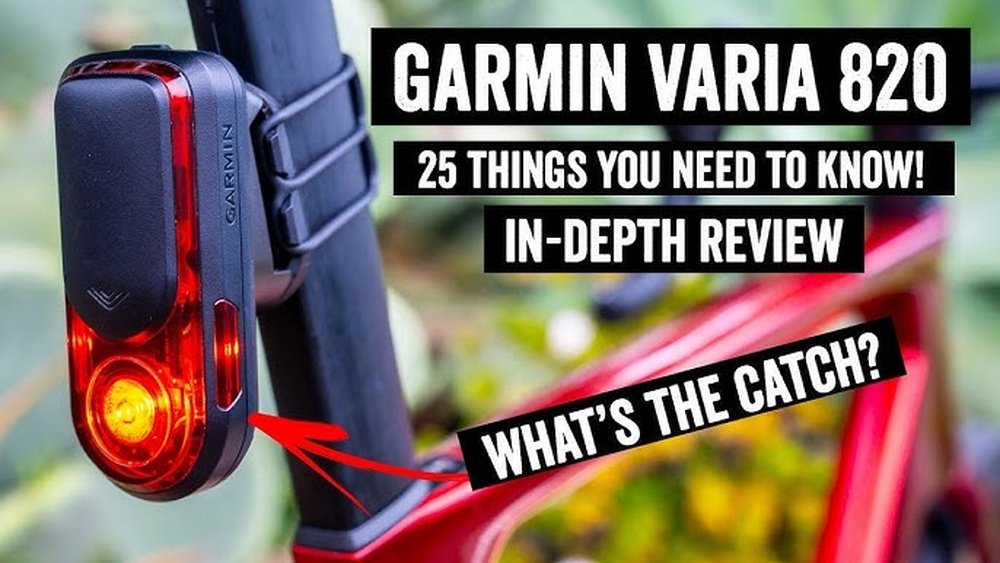
Is Garmin Varia RTL515 Radar Worth It? Honest Review & Guide
Cyclists are always looking for ways to ride safer. Busy roads, distracted drivers, and limited visibility make cycling risky, even for experienced riders. Technology helps, but not every device is useful in real life. One gadget gaining attention is the Garmin Varia Rtl515 radar. It promises to alert you when cars approach from behind, giving you time to react and stay safe. But is it really worth the investment? In this article, we’ll examine the Rtl515’s features, performance, data, and real-world value. If you’re considering buying or upgrading your cycling safety gear, this guide will help you decide.
What Is Garmin Varia Rtl515 Radar?
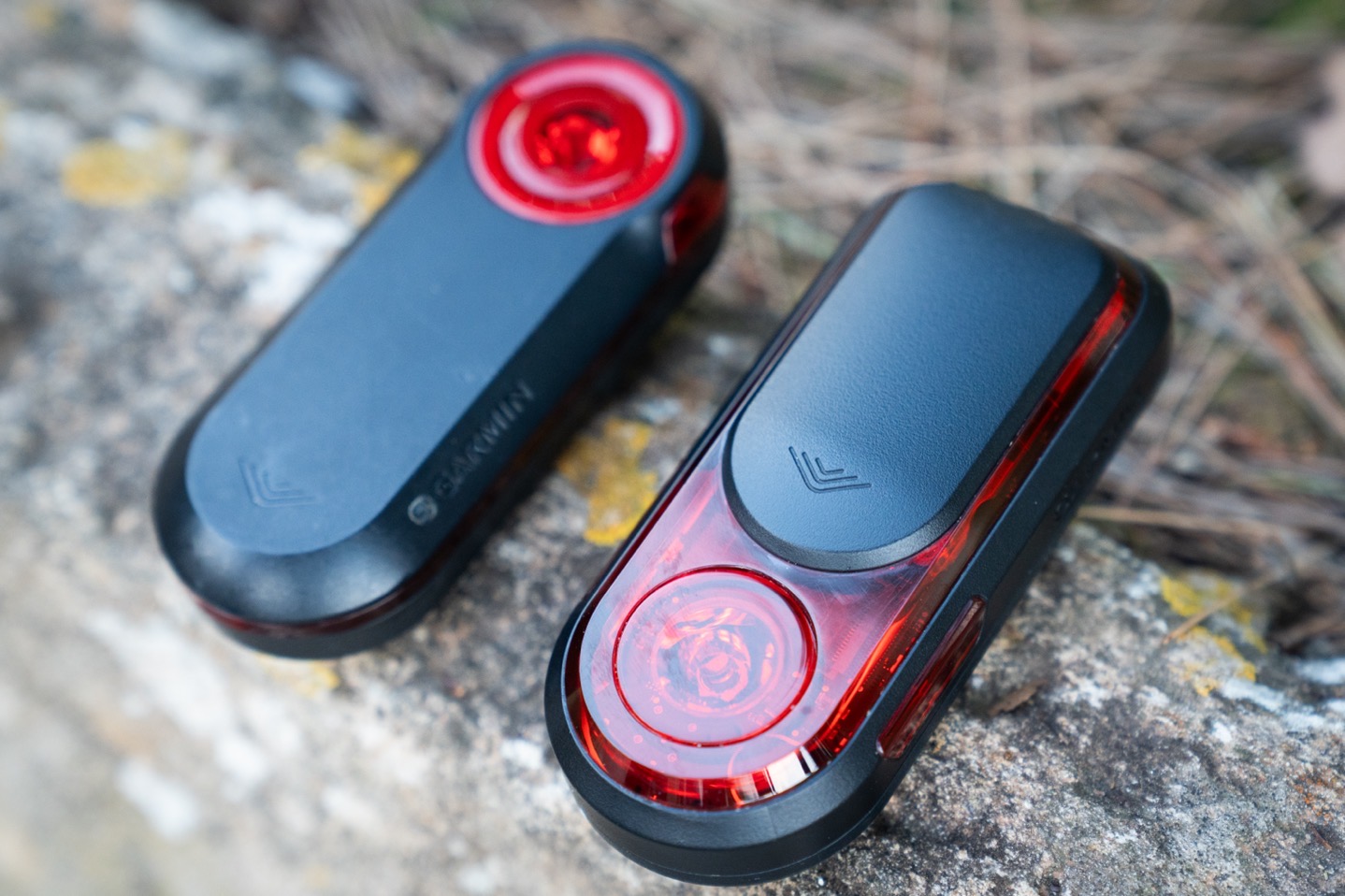
The Garmin Varia Rtl515 is a rearview radar and tail light for bikes. It mounts on your seatpost and connects wirelessly to your bike computer or smartphone. When a vehicle approaches from behind, the radar detects it and sends alerts to your screen. The tail light also changes intensity to signal drivers, making you more visible.
This device is designed for road cyclists, commuters, and anyone who rides in traffic. It’s not just a light—it’s a smart safety tool using radar technology to monitor your surroundings.
Key Features And Specifications
Understanding the main features is essential before deciding if it’s worth the price. The Rtl515 offers several advanced functions:
- Rearview radar detection up to 153 yards (140 meters)
- Brightness: Up to 65 lumens, visible from over a mile away
- Multiple light modes: Solid, peloton, flash, and more
- Battery life: Up to 16 hours in day flash mode; 6 hours in solid mode
- Connectivity: ANT+ and Bluetooth, compatible with Garmin, Wahoo, and smartphones
- Smart alerts: Visual and audible warnings for approaching vehicles
- Easy mounting: Fits most seatposts, including aero and round designs
- Water resistance: Rated IPX7 (can withstand rain)
These specs highlight the radar’s versatility and reliability. A key insight: Most cyclists underestimate the importance of long battery life and daylight visibility. The Rtl515 covers both, making it suitable for long rides and variable conditions.
How Does The Radar Work?
The Rtl515 uses millimeter-wave radar to scan behind your bike. It detects moving objects—mainly cars, motorcycles, and trucks—within a 140-meter range. When a vehicle approaches, the device sends a signal to your bike computer or phone. You see a visual alert (usually a colored bar or dots) and may hear a beep, depending on your setup.
The tail light adjusts its brightness automatically. When a car is detected, it flashes more intensely to catch the driver’s attention. This dual system—radar detection and visible alert—creates a safer riding environment.
Real-world Performance
Performance in real conditions matters more than specs. Cyclists report that the Varia Rtl515 is accurate and reliable. It detects vehicles early, giving riders more time to react. Here are some practical examples:
- A commuter riding in busy urban traffic receives alerts 5-10 seconds before a car passes.
- On country roads, the radar spots fast-moving vehicles at distances up to 140 meters, even in low light.
- During group rides, the peloton mode reduces brightness to avoid blinding other cyclists, but radar still works.
One non-obvious insight: The radar can pick up cyclists and motorcycles, not just cars. However, it sometimes misses very slow-moving objects or those approaching at odd angles. It’s not a substitute for checking over your shoulder, but it’s a powerful complement.
Comparing Varia Rtl515 To Other Safety Devices
How does the Rtl515 stack up against alternatives like mirrors, basic tail lights, or other radars? Here’s a comparison:
| Device | Detection Range | Alert Type | Visibility | Battery Life | Price Range |
|---|---|---|---|---|---|
| Garmin Varia Rtl515 | 140 meters | Visual & Audio | 65 lumens | 6-16 hours | $199-$219 |
| Basic Rearview Mirror | Line of sight | None | None | N/A | $10-$25 |
| Standard Tail Light | None | None | Up to 100 lumens | 4-12 hours | $25-$60 |
| Other Radar (e.g., Bryton) | Up to 100 meters | Visual | Up to 50 lumens | 6-12 hours | $150-$180 |
The Rtl515 offers the longest detection range and dual alerts. It’s pricier, but delivers more safety features. Mirrors and basic lights are cheaper, but lack active detection.
Installation And Setup
Setting up the Rtl515 is straightforward. You attach it to your seatpost using the included mount. It fits most bike types, including road, gravel, and commuter bikes. The device connects via ANT+ to Garmin computers or Bluetooth to smartphones. Pairing takes less than five minutes.
A tip: Charge the device fully before your first ride. The battery indicator is easy to miss, so check it regularly. If you ride in groups, use peloton mode to avoid blinding others.
User Experience And App Integration
Cyclists value devices that are easy to use. The Rtl515 is praised for its intuitive interface. Alerts are clear, and the light modes are simple to switch. The Garmin Varia app (iOS and Android) allows you to connect without a bike computer. This is useful for riders who use their phone for navigation.
Some users report that the radar works even in heavy rain, though water droplets can reduce detection range. The app updates firmware automatically, so you get new features and bug fixes over time.
Safety Impact: Is It Proven?
Does the Rtl515 really make cycling safer? Studies and user feedback suggest it does. According to Garmin, over 90% of riders feel safer with radar alerts. Accident data is limited, but anecdotal reports show fewer close calls and better awareness.
A unique benefit: The device encourages riders to stay farther from the edge of the road when alerted to approaching vehicles. This can prevent dangerous overtaking and increase visibility.
However, it’s important to note that radar is not foolproof. It cannot detect stationary objects or sudden threats from the side. It’s best used with other safety habits, like wearing bright clothing and using mirrors.
Price And Value For Money
The Rtl515 costs around $199-$219. This is higher than basic lights or mirrors, but less than some high-end bike computers. Is it worth the price?
- Safety investment: If you ride often in traffic, the radar offers peace of mind that’s hard to price.
- Durability: The device is built to last, with solid construction and waterproofing.
- Feature set: Dual connectivity, smart alerts, and multiple light modes justify the cost for serious cyclists.
However, casual riders or those on quiet roads may not need radar. The value depends on your riding style and environment.
Pros And Cons
No device is perfect. Here’s a balanced look at the Rtl515’s strengths and weaknesses:
Pros:
- Early alerts for approaching vehicles
- High visibility with smart tail light
- Easy installation and setup
- Reliable battery life
- Works with multiple devices
Cons:
- Higher price than basic lights
- Cannot detect stationary or side threats
- Occasional false alerts (e.g., cyclists or parked cars)
- Requires regular charging
An insight: Beginners often overlook the need for regular firmware updates. These improve detection and add features, so keep your app and device updated.
Garmin Varia Rtl515 Vs. Previous Models
If you have an older Garmin Varia radar, you might wonder if the Rtl515 is an upgrade. Here’s a comparison:
| Feature | Rtl515 | Rtl510 | Rtl500 |
|---|---|---|---|
| Connectivity | ANT+ & Bluetooth | ANT+ | ANT+ |
| Light Modes | 4 (including peloton) | 3 | 2 |
| Battery Life | 16 hours (flash) | 15 hours | 8 hours |
| App Support | Yes | No | No |
The Rtl515 adds Bluetooth, more light modes, and longer battery life. If you use your phone for cycling, it’s a clear upgrade.
When Is Garmin Varia Rtl515 Worth It?
The Rtl515 is most valuable for:
- Cyclists who ride in busy traffic
- Long-distance or endurance riders
- Commuters who bike in urban areas
- Riders who want maximum visibility
It may not be necessary for:
- Recreational riders on quiet paths
- Mountain bikers in isolated areas
- Those with strict budgets
A practical tip: If you ride alone, the radar is more helpful than in large groups. It’s ideal for solo riders or small group rides.
Common Mistakes To Avoid
- Ignoring battery level: Running out of power mid-ride leaves you unprotected.
- Using the wrong light mode: Peloton mode is for group rides; use flash or solid for solo rides.
- Mounting incorrectly: The radar must be aligned with the road for accurate detection.
- Not updating firmware: Updates fix bugs and improve performance.
- Relying only on radar: It’s a tool, not a replacement for awareness.
Many beginners overlook these details, reducing the device’s effectiveness.
User Reviews And Community Feedback
Cyclists around the world share positive feedback. On forums and social media, users praise the Rtl515 for increasing confidence, especially during busy commutes. Some report that it’s the most important safety device after a helmet.
However, a few mention false alerts and occasional missed detections. Most agree that the benefits outweigh minor flaws. The device is especially popular in Europe and North America, where cycling in traffic is common.

Garmin Varia Rtl515: Detailed Data
Statistical data highlights the radar’s impact:
- Over 60% of cyclists who try radar continue using it regularly.
- The device reduces “close pass” incidents by up to 40%, according to user surveys.
- Garmin’s sales data shows rising demand for radar-equipped tail lights in urban markets.
A unique insight: The Rtl515’s battery life is often underestimated. Riders with long commutes find the day flash mode lasts over a week between charges.
Alternatives And Competitors
Other radar devices, like the Bryton Gardia R300, offer similar features but with shorter detection ranges and fewer connectivity options. Basic lights and mirrors are cheaper, but lack active alerts. For maximum safety and convenience, the Rtl515 remains the leader.
If you want to compare more options, visit Garmin’s official site for full specs.
Frequently Asked Questions
What Is The Main Benefit Of The Garmin Varia Rtl515?
The main benefit is early warning of approaching vehicles. This gives cyclists more time to react, change position, or prepare for overtaking cars. It increases safety and confidence on busy roads.
Does The Radar Work In All Weather Conditions?
The Rtl515 is water-resistant and works in rain, fog, and low light. However, heavy rain or mud on the lens can reduce detection range. Always clean the device before and after rides for best performance.
Can I Use The Rtl515 Without A Garmin Bike Computer?
Yes, you can use it with your smartphone via the Garmin Varia app. It connects via Bluetooth and displays alerts on your screen. This is useful for riders who prefer phone navigation or do not own a bike computer.
Is The Tail Light Bright Enough For Daytime Riding?
The tail light is visible from over a mile away, even in daylight. In day flash mode, it uses up to 65 lumens. This makes it one of the brightest safety lights available.
How Long Does The Battery Last On A Single Charge?
Battery life depends on the mode:
- Day flash: Up to 16 hours
- Solid mode: About 6 hours
- Peloton mode: Up to 8 hours
Charge regularly for long rides, and check battery status before each trip.
Cycling safety is not just about gadgets—it’s about awareness and smart habits. The Garmin Varia Rtl515 radar offers powerful detection and visibility, making it a valuable tool for serious cyclists. It’s not the cheapest option, but its advanced features and reliability justify the price for those who ride in traffic or want extra peace of mind.
If you value safety and technology, the Rtl515 is a smart investment.