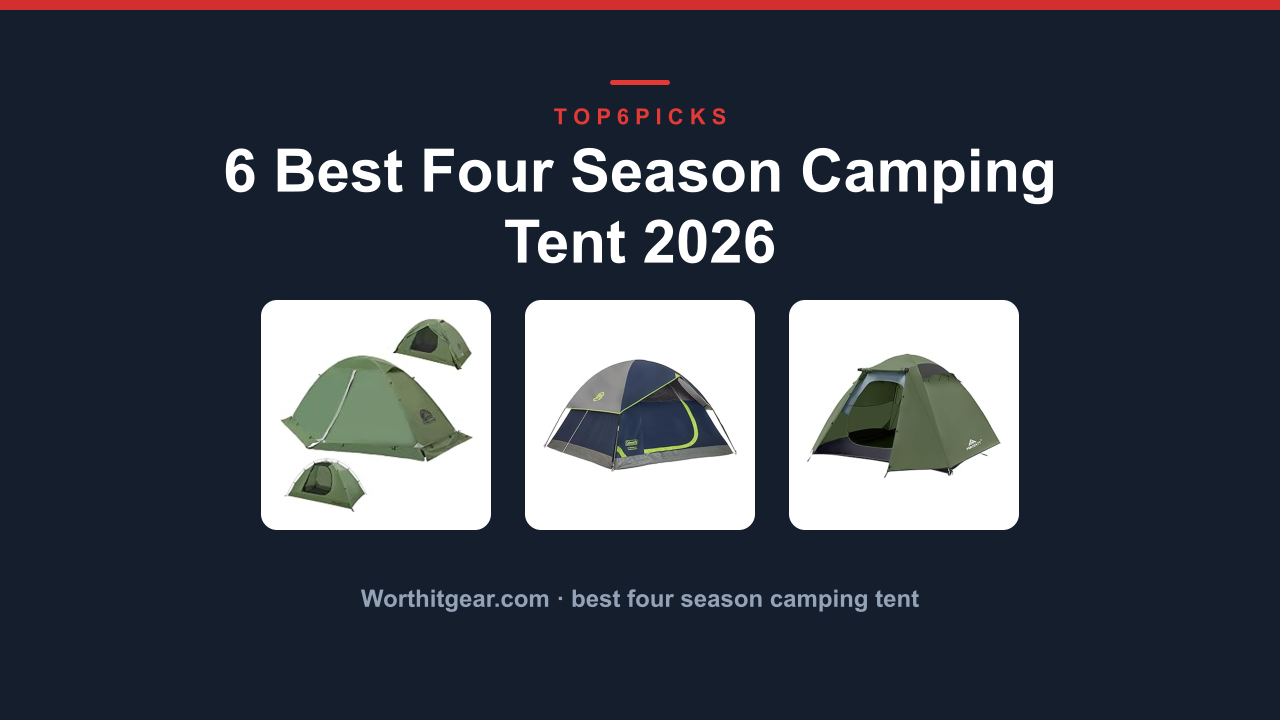
6 Best Four Season Camping Tent 2026
The best best four season camping tent is the 1/2 Person 4 Season Backpacking Tent by Underwood Aggregator, the only tent here that combines a PU5000 waterproof rating with a lightweight, packable design that won't weigh down a solo backpacker. It's built for the hiker who needs real winter protection without the heavy mountaineering price tag.
Want a true family-friendly option instead? The Coleman Sundome Camping Tent with Rainfly gets you a spacious, budget-friendly shelter that sets up in about 10 minutes, as long as you don't need it for serious snow or high winds.
As an Amazon Associate, I earn from qualifying purchases.
This guide covers the six best four-season tents currently available, sorted by who they actually work for. It also tells you which campers should skip the four-season category entirely. That section might save you money.
Everything below comes from current Amazon product data, manufacturer specifications, and each tent's owner review track record. We haven't physically tested these tents ourselves.
Quick Answer: The Best Four Season Camping Tent
The 1/2 Person 4 Season Backpacking Tent by Underwood Aggregator is the best overall value for solo winter backpackers who need real weather protection at a reasonable weight.
- 1/2 Person 4 Season Backpacking Tent (Best Solo Winter Shelter): High PU rating plus lightweight packability for one.
- Coleman Sundome Camping Tent Rainfly (Best Budget Family Option): Roomy, quick setup, great for fair-weather car camping.
- Forceatt Camping Tent 2/3/4 Person (Best Value Three-Season Plus): Affordable waterproof shelter that handles light winter use.
- GEERTOP 2 Person Backpacking Tent (Best Freestanding Two-Person): Aluminum frame, double-wall design, and snow skirt for serious conditions.
- Clostnature 4 Season Backpacking Tent (Best Lightweight Winter Tent): Sub-5-pound pack weight with PU5000 for snow camping.
- OneTigris Stella 4 Season Camping Tent (Best Instant Setup): Quick-pitch design with 3000mm waterproof rating for weekend trips.
Thinking about a tent for summer car camping or a big family instead? Jump to Who Should NOT Buy below before you spend anything.
Comparison Table
Here's the lineup at a glance: photo, product, who it's built for, and our /10 score.
| Photo | Product | Best for | Score | Buy |
|---|---|---|---|---|
 | 1/2 Person 4 Season Backpacking Tent | Solo Winter Backpacking | 8.8/10 | Check price → |
 | Coleman Sundome Camping Tent Rainfly | Budget Family Car Camping | 7.4/10 | Check price → |
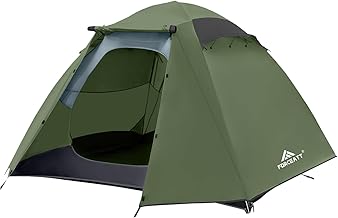 | Forceatt Camping Tent 2/3/4 Person | Three-Season Plus Value | 8.2/10 | Check price → |
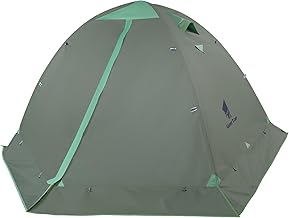 | GEERTOP 2 Person Backpacking Tent | Serious Two-Person Winter | 8.5/10 | Check price → |
 | Clostnature 4 Season Backpacking Tent | Lightweight Snow Camping | 8.6/10 | Check price → |
 | OneTigris Stella 4 Season Camping Tent | Quick Weekend Setup | 8.0/10 | Check price → |
Scroll sideways on small screens to see every column.
1/2 Person 4 Season Backpacking Tent: Best Solo Winter Shelter
1/2 Person 4 Season Backpacking Tent: Best Solo Winter Shelter
Coleman Sundome Camping Tent Rainfly: Best Budget Family Option
Coleman Sundome Camping Tent Rainfly: Best Budget Family Option
Forceatt Camping Tent 2/3/4 Person: Best Value Three-Season Plus
Forceatt Camping Tent 2/3/4 Person: Best Value Three-Season Plus
GEERTOP 2 Person Backpacking Tent: Best Freestanding Two-Person
GEERTOP 2 Person Backpacking Tent: Best Freestanding Two-Person
Clostnature 4 Season Backpacking Tent: Best Lightweight Winter Option
Clostnature 4 Season Backpacking Tent: Best Lightweight Winter Option
OneTigris Stella 4 Season Camping Tent: Best Quick Setup Option
OneTigris Stella 4 Season Camping Tent: Best Quick Setup Option
Buying Guide: Weather Resistance, Weight, Capacity and Setup
What does "four season" actually mean?
A four season camping tent is a shelter that can handle snow loads, high winds, and freezing temperatures, not just a label for "works all year." Snow campers need a pole structure that resists collapse, a higher waterproof rating to handle melting snow, and a shape that sheds wind instead of catching it. Real winter tents also have reduced mesh panels to keep heat inside while managing condensation properly. A classic three-season tent lacks the structural strength and fabric coverage for these conditions.
Why the waterproof rating matters
The hydrostatic head rating tells you how much water pressure the fabric can withstand before leaking. The single-layer measurement is expressed in millimeters, with 3000mm handling moderate rain and 5000mm plus handling heavy downpour and melting snow. The 1/2 Person and the Clostnature both use PU5000, which is the strongest in this lineup.
The OneTigris Stella sits lower at 3000mm. If you constantly camp where snow sits on the roof overnight, choose a PU5000 model rather than the lower-rated options.
Weight versus capacity
Every tent in this list trades a little interior space for a lower pack weight. The 1/2 Person is tiny because it's designed for a solo hiker counting ounces. The GEERTOP and Clostnature balance two-person space with a reasonable pack size.
The Coleman Sundome offers the most room per dollar but is not built for carrying in a backpack. Before you choose, think honestly about your distances. A 10-pound tent is fine for a 100-yard walk from the car but miserable on a 5-mile climb.
If your trips involve long approaches, check the packed weight first and the interior square footage second.
Setup speed and convenience
Simple, color-coded pole designs dominate this selection because they're the most reliable in cold conditions. The OneTigris Stella's instant setup is the fastest in this list, but practice it once at home before you need it in a storm. The Coleman Sundome sets up in about 10 minutes with the included rainfly.
Aluminum poles are worth the small weight penalty over fiberglass because they resist cracking in low temperatures and handle wind gusts better. If you camp in rocky or frozen ground, plan to carry a dedicated snow stake kit, since the stakes included with most tents are designed for softer soil.
A note on cold-weather safety
Spending the night in a four-season tent means you'll be sealed inside during the coldest hours. That makes ventilation and proper layering just as important as the tent itself. The CDC guidance on cold-weather safety is a useful resource for understanding hypothermia risks and planning for the temperature drop before you head out.
To see how these factors play out on real picks, compare the 1/2 Person 4 Season Backpacking Tent, Coleman Sundome Camping Tent Rainfly and the Forceatt Camping Tent 2/3/4 Person reviewed above.
Who Should NOT Buy Best Four Season Camping Tent
This category is the wrong purchase for at least three kinds of buyers. Here's who they are, and what to look at instead.
You Need Space for a Family
A four-season tent that seats four people is rare and heavy. The picks on this list top out at two-person capacity with a few exceptions. If you're loading a family of four or five into a single shelter for a summer trip, you want a large three-season dome rather than a winter-focused mountaineering shelter.
The Coleman Sundome is the most family-friendly option here, but it's still best for small groups in mild weather. For truly roomy family camping, look for a cabin-style tent with vertical walls and separate rooms.
You Mostly Camp in Fair Weather
Three-season tents weigh less, breathe better, and cost less than their four-season counterparts. If your trips run from spring through fall and never involve snow or strong wind, a four-season tent's extra poles and solid fabric will only make you sweat. The Forceatt is a good middle ground for mild winter nights, but for pure summer use, a dedicated three-season tent is the better investment.
A good all-rounder can be found in our roundup of top-rated camping tents if you want to see more options for warmer trips.
You're Buying a Base Camp for Extreme Alpine Use
At these prices, you're getting solid entry-level four-season tents, not expedition shelters. If you plan to ride out a multi-day blizzard at 10,000 feet or camp on exposed ridges with sustained winds, look at purpose-built expedition tents from specialist brands like Hilleberg or Mountain Hardwear. Those tents use thicker fabrics, stronger pole systems, and a much larger budget.
The tents in this article are better suited to three-season backpacking plus the occasional below-freezing night.
Final Verdict
The 1/2 Person 4 Season Backpacking Tent is the best overall pick for solo campers who need a genuine PU5000 four-season shelter at a reasonable weight. It balances the two most important factors: real weather protection and a pack size you'll actually want to carry.
Want a tent for two people in serious winter conditions? The GEERTOP 2 Person Backpacking Tent gives you an aluminum frame, a snow skirt, and dual vestibules for the same general price tier.
Need something that sets up in under a minute for weekend trips? The OneTigris Stella gets you a 3000mm waterproof rating with instant-pole convenience. If you're in warm weather most of the year, revisit the Who Should NOT Buy section above to see if a three-season tent makes more sense for your budget.
FAQ
What's the best four season camping tent overall?
The 1/2 Person 4 Season Backpacking Tent from Underwood Aggregator is our top pick. It combines a PU5000 waterproof rating, a lightweight pack size, and a 4.6-star owner average, making it the best balance of protection and portability for solo winter campers.
Can a four season tent be used in summer?
Yes, but you'll trade ventilation for warmth. A four-season tent has more solid fabric and less mesh than a summer tent, so it gets stuffy in warm weather. If you plan to use it year-round, look for a model with extra vent openings you can open in hot conditions.
Are expensive four-season tents worth it for occasional snow trips?
If you only camp in snow once or twice a year, the mid-priced options in this list are likely enough. Expedition tents from brands like Hilleberg are built for extreme conditions and carry a much higher cost. Match the tent to the worst weather you actually expect, not the worst weather you can imagine.
How do I keep a four-season tent warm inside?
Your body heat is the main source of warmth in a tent. A well-insulated sleeping pad is more important than the tent itself. You can also use a hot water bottle in your sleeping bag and make sure all vents are adjusted to manage condensation without freezing.
Never run a portable stove or heater inside a tent without proper ventilation, as carbon monoxide poisoning is a real risk.
What's the difference between 3000mm and 5000mm waterproofing?
The millimeter rating measures the water pressure required to penetrate the fabric. A 3000mm rating handles moderate rain and light snow, while a 5000mm rating deals with heavy downpours and melting snow. For winter camping, choose 5000mm for peace of mind.
For occasional weekend rain, 3000mm can be enough.
Do I need a footprint for a four-season tent?
A footprint is recommended for any tent, especially in winter. It protects the floor from ice, rocks, and the colder abrasion of frozen ground. Many tents offer an optional footprint from the manufacturer, and if you don't want to buy one, a sheet of polycryo ground cloth works well and costs very little.