How Long Do Binoculars Last
Ask ten different people how long do binoculars last and you'll get ten different answers. Some will say five years. Others will swear their grandfather's pair from the 1970s still works perfectly.
The truth is that binocular lifespan depends on a handful of specific variables, not a calendar date.
Manufacturer specifications indicate that a well-built pair of roof prism binoculars with nitrogen purging should remain fog-free and collimated for 20 to 30 years under normal use. But that number only applies if you understand what "normal use" actually means. Let's break down the real factors that decide whether your binoculars last five years or five decades.
Image source: Bing (Web (fair-use with source credit))
Quick Answer
Binoculars last between 2 and 30 years. The exact lifespan depends on build quality and care. Budget models often fail within 2 to 5 years.
Mid-range binoculars can last 10 to 15 years. Premium binoculars frequently survive 20 to 30 years or more.
The Pain Point: Why You Can't Get a Straight Answer
Search for "how long do binoculars last" and you'll find everything from "buy cheap, replace often" to "buy once, cry once." Neither is wrong. But neither tells you what to expect for your specific pair.
Binoculars don't have a rated hour count. They don't wear out from use the way a car engine does. They fail for specific reasons that have little to do with how many times you've looked through them.
Internal fogging is the most common killer. It happens when the seals break and moisture gets inside the tubes. The nitrogen or argon gas that keeps the lenses dry leaks out.
Condensation forms on the inner glass surfaces. Once that happens, the pair is basically done unless you pay for professional re-gassing.
Collimation loss is the second biggest issue. That is the technical term for the two barrels losing alignment. If you see double images or feel eye strain after a few minutes, your binoculars need collimation.
That repair typically costs between $60 and $150 at a professional shop. For a budget pair that cost $80 new, it is a write-off.
Lens coating wear is slower but equally fatal. The anti-reflective coatings on the glass surfaces can scratch, peel, or delaminate over time. This reduces light transmission and contrast.
The image looks hazy or washed out compared to a new pair.
The real issue is that most people don't know what to look for. They keep using binoculars that are already degraded. They blame their eyes when the image is soft.
Understanding the failure points makes the decision simple. You just need to know which branch you are on.
The Core Factors That Decide How Long Yours Will Last
These factors stack on top of each other. A weakness in any one area can shorten the life of an otherwise excellent pair.
Build Quality and Price Tier
The internal construction of a $50 pair versus a $500 pair is fundamentally different. Cheap binoculars use plastic internal components that warp with temperature changes. The focus mechanism uses a simple plastic gear that strips after a few thousand turns.
The prism alignment is held in place with adhesive rather than metal brackets.
Premium binoculars use machined aluminum or magnesium alloy chassis. The prisms are seated in precision-cut channels and secured with screws. The focus mechanism uses brass or stainless steel gears.
These differences translate directly into lifespan. A cheap pair might lose collimation from a single drop. A premium pair can survive being knocked off a truck tailgate.
Prism Type and Sealing
Porro prism binoculars are generally more durable than roof prism models at the same price point. The prism design is simpler. There are fewer internal reflecting surfaces.
The optical path is more forgiving of minor misalignment.
Roof prism binoculars require phase-correction coatings on the internal surfaces. Those coatings can degrade over time. High-end roof prism models solve this with better coating technology.
Cheap roof prism binoculars often have coating failures within 3 to 5 years.
Sealing is another critical factor. Look for O-ring seals and nitrogen or argon purging. A fully sealed pair will resist fogging indefinitely as long as the seals hold.
An unsealed pair will eventually get moisture inside, especially in humid climates or when moving between temperature extremes.
Storage Conditions
Binoculars stored in a hot car can reach internal temperatures over 150 degrees Fahrenheit. That heat degrades the lubricants in the focus mechanism. It can soften the adhesive holding the prisms.
It accelerates the breakdown of rubber armor.
Humidity is equally destructive. A binocular stored in a damp basement or garage will eventually develop fungus on the internal lens surfaces. Fungus etches the glass and cannot be cleaned off without professional disassembly.
The fix often costs more than the binoculars are worth.
The ideal storage location is a dry, temperature-stable indoor space. A drawer in your bedroom or a closet in your living room works perfectly. A padded case helps.
A desiccant pack inside the case is cheap insurance.
Frequency and Type of Use
Daily use in harsh conditions will always wear out binoculars faster than occasional use in fair weather. A hunting guide who uses their binoculars 300 days a year in rain, snow, and dust will need a new pair every 5 to 7 years. A casual birdwatcher who uses theirs on weekend mornings might get 20 years from the same model.
The type of use matters too. Astronomy binoculars that spend most of their time on a tripod experience less physical stress than hiking binoculars that get bounced around in a backpack. Marine binoculars exposed to salt spray need regular rinsing and careful drying.
How We Use Them: The Lifespan That Matches Your Hobby
Your specific activity determines what "long enough" means. Here are the most common use cases and what you can realistically expect.
Birdwatching and Casual Outdoor Use
If you take your binoculars out once or twice a week on fair-weather days, you are in the low-stress category. A mid-range pair in this scenario should easily last 10 to 15 years. The main risk is storage-related.
Keep them in a dry place and they will outlive your interest in the hobby.
The most common failure point for casual birdwatchers is the eyecups. The rubber twist-up eyecups can crack or become loose after 5 to 8 years. That is a cheap fix if you can find replacement parts.
But many manufacturers change designs and stop stocking spare parts.
Hunting and Backcountry Use
Hunters put their binoculars through the wringer. They get rained on. They get dropped.
They get stuffed into packs with heavy gear. They get used in freezing temperatures where the focus grease stiffens.
For hard hunting use, expect 5 to 8 years from a mid-range pair. A premium pair in the $500 to $1000 range might last 10 to 15 years of hunting use. The key difference is that premium binoculars use greases that stay fluid at lower temperatures.
They also have more robust armor that absorbs impacts better.
If you are a serious hunter, consider a model with a lifetime warranty. Several manufacturers offer unconditional lifetime coverage. If you break your binoculars, they repair or replace them for free.
That changes the lifespan calculation entirely.
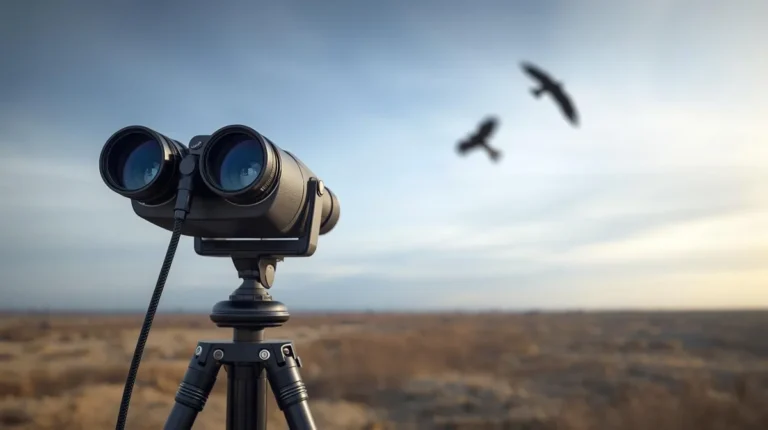
Astronomy and Tripod Use
This is the easiest scenario on binoculars. They sit on a tripod. They don't get dropped.
They don't get exposed to rain. They don't get bounced around.
For astronomy use, a well-made pair can last 20 to 30 years or more. The main risk is lens coating degradation from UV exposure. If you store them with the objective lenses facing a window, the sunlight can slowly damage the coatings over a decade.
Keep the lens caps on when they are not in use.
Marine and High-Humidity Environments
Saltwater is ruthless. The seals on marine binoculars are designed to resist it, but they still degrade over time. Expect 5 to 8 years from a dedicated marine pair before the seals start to fail.
Rinsing them with fresh water after every saltwater use extends that significantly.
Porthole-style marine binoculars with individual eyepiece focus are more durable than center-focus models in this environment. They have fewer moving parts. There are fewer places for salt and moisture to infiltrate.
What Price Tier Actually Gets You
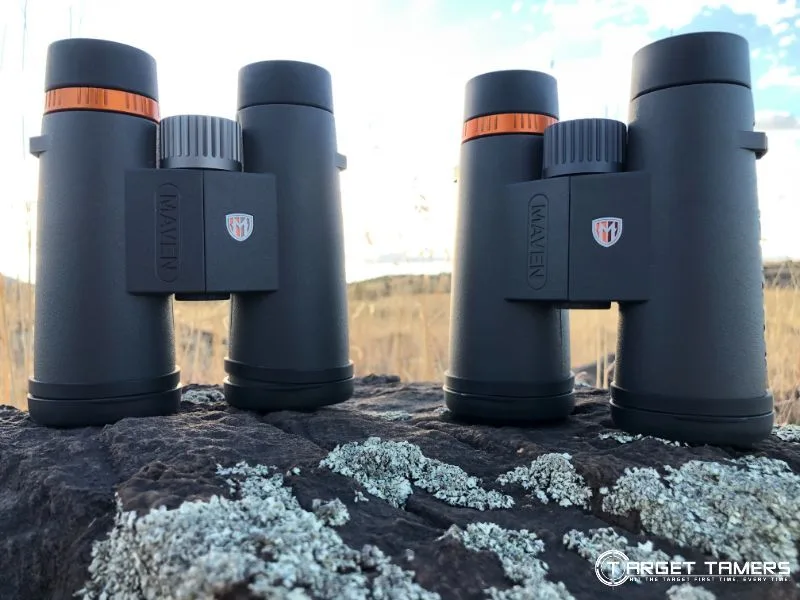
Image source: Bing (Web (fair-use with source credit))
Here is what each price range delivers in terms of lifespan. These are general guidelines based on aggregate reviews and manufacturer specifications.
| Price Tier | Typical Lifespan | Common Failure Mode | Worth Repairing? |
|---|---|---|---|
| Under $100 | 2 to 5 years | Collimation loss, internal fogging | No |
| $100 to $400 | 5 to 15 years | Focus mechanism wear, eyecup failure | Sometimes |
| $400 to $1000 | 10 to 20 years | Coating degradation, seal failure | Yes |
| Over $1000 | 15 to 30+ years | User damage, accidental drops | Yes |
Budget Binoculars (Under $100)
These are the disposable lighters of the optics world. They work fine for a few years. Then something breaks.
The repair cost exceeds the replacement cost. You toss them and buy another pair.
The biggest issue with budget binoculars is quality control. Even within the same model, there can be significant variation. One unit might stay collimated for 5 years.
Another might be slightly off from the factory and get worse quickly.
If you are on a tight budget, buy a well-reviewed model from a reputable brand rather than a no-name import. Brands like Celestron and Bushnell offer reasonable quality at the low end. Their warranty support is better than generic brands.
But don't expect heirloom performance.
Mid-Range Binoculars ($100 to $400)
This is the sweet spot for most people. You get genuine optical quality improvements. You get proper sealing and nitrogen purging.
You get decent warranty coverage.
The lifespan in this range varies widely based on the specific model. A well-built mid-range pair from Nikon or Vortex can easily last 10 to 15 years with reasonable care. The same price point from a less established brand might fail in 5 years.
The key differentiator in this range is the warranty. Vortex offers a lifetime unconditional warranty on most of their binoculars. Nikon offers a 10 to 25 year warranty depending on the model.
Those warranties effectively extend the lifespan of the product.
Premium Binoculars ($400 and Up)
This is the buy-it-for-life category. A premium binocular from Leica, Swarovski, or Zeiss is built to survive decades of use. The materials are better.
The assembly tolerances are tighter. The quality control is exceptional.
The lifespan difference between a $500 binocular and a $2000 binocular is not as dramatic as the price difference suggests. Both can last 20 years. The difference is in the experience during those 20 years.
The premium pair will have better optical performance from day one. It will maintain that performance longer.
The warranty coverage on premium binoculars is generally excellent. Most offer lifetime or near-lifetime coverage. Some offer transferable warranties that add resale value.
If you buy a used Swarovski, the warranty often transfers to you.
The real value of premium binoculars shows up in the long tail. After 15 years, a budget pair is long gone. A mid-range pair might still be working but feel tired.
A premium pair still feels like new.
The Cheap vs. Repair vs. Replace Decision
At some point every binocular owner faces this choice. Something breaks. The image goes soft.
The focus wheel stops turning smoothly. Do you fix it or throw it away?
The answer depends on the original purchase price. If you paid under $100, the math is simple. Professional collimation costs $60 to $150.
Re-gassing runs another $40 to $80. A full cleaning and lubrication service can hit $100 to $200. No repair makes sense for a budget pair.
If you paid $100 to $400, the calculation gets murkier. A $150 repair on a $300 pair that is otherwise in good condition might be worth it. The question is whether the binoculars have other issues.
If the lens coatings are already worn, repairing the focus mechanism is just delaying the inevitable.
For premium binoculars over $400, repair is almost always worth it. The optical quality is still excellent. The replacement cost is high.
A $200 service on a $1000 pair extends its life by another 10 to 15 years.
When to Fix a Pair
The best candidates for repair are premium binoculars with a single specific issue. Maybe the focus wheel is stiff. Maybe the eyecup is cracked.
Maybe the collimation is slightly off after a drop.
Contact the manufacturer first. Many premium brands offer flat-rate repair services. Swarovski and Leica have service centers that can restore a pair to like-new condition.
The cost is often less than a local repair shop charges.
Check the warranty before you pay anything. Vortex, Nikon, and Bushnell all have transferable warranties on many models. If your binoculars are still under warranty, the manufacturer covers the repair.
You just pay shipping.
When It's Smarter to Buy New
If the lens coatings are visibly damaged, buy new. Re-coating optical elements costs more than replacing the entire binocular. If the internal prisms are cracked or chipped, the repair cost exceeds the value.
If the binoculars are over 15 years old and the model is discontinued, finding replacement parts is difficult. Manufacturers change designs. They stop stocking parts for older models.
A repair shop might not be able to source the components.
If you have a budget pair with multiple issues, cut your losses. The image quality was never top-tier anyway. Use the money toward a better pair that will last longer.
What a Professional Collimation Costs
Here are the typical repair costs as of 2026. These are estimates from manufacturer service centers and independent optical repair shops.
| Repair Type | Typical Cost | Turnaround Time |
|---|---|---|
| Collimation only | $60 to $100 | 2 to 4 weeks |
| Full cleaning and lubrication | $80 to $150 | 3 to 6 weeks |
| Collimation plus cleaning | $100 to $200 | 4 to 8 weeks |
| Re-gassing (nitrogen or argon) | $40 to $80 | 2 to 4 weeks |
| Eyecup replacement | $20 to $50 | 1 to 2 weeks |
| Lens replacement | $100 to $300 | 4 to 12 weeks |
Independent repair shops are often faster than manufacturer service centers. But they may not have access to proprietary parts. If your binoculars need a specific internal component, the manufacturer is the better option.
Long-Term Maintenance: What Actually Helps
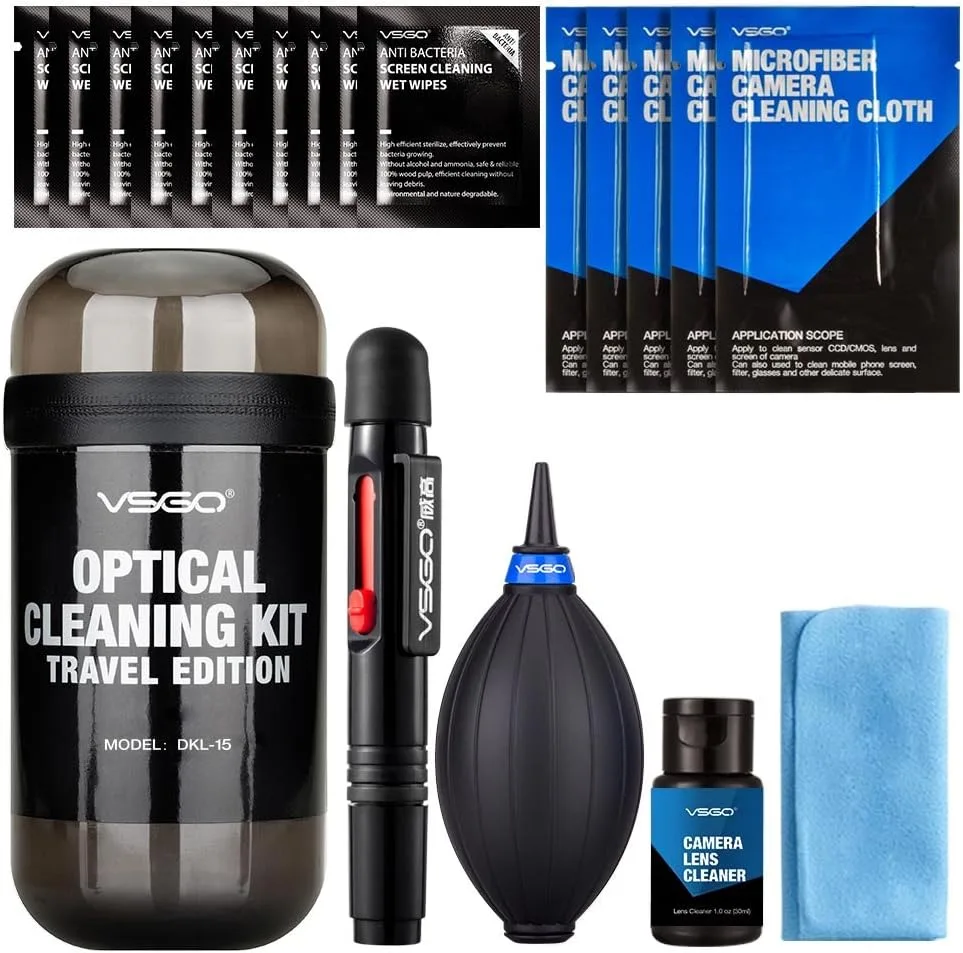
Image source: Bing (Web (fair-use with source credit)
Most binoculars fail from neglect, not from use. A few simple habits can double the lifespan of any pair. These are the maintenance practices that actually matter based on manufacturer recommendations.
Cleaning Done Right
The number one cause of lens coating damage is improper cleaning. Wiping a dusty lens with a dry cloth creates microscopic scratches. Those scratches accumulate over time.
The image gradually becomes hazy.
Use a rocket blower first. Blow off loose dust and grit before anything touches the glass. Use a soft brush to dislodge stubborn particles.
Then use a lens pen or a microfiber cloth with a few drops of lens cleaning solution.
Never use household cleaners. Never use paper towels. Never use your shirt.
The glass coatings on binoculars are soft. They scratch easily. A single cleaning with a dirty cloth can do permanent damage.
Storage That Doesn't Kill Seals
The O-ring seals on waterproof binoculars are rubber. Rubber degrades over time. Heat accelerates that degradation.
UV light accelerates it too.
Store binoculars in a cool, dark place. A padded case is fine. A drawer works.
A closet shelf is perfect. Avoid garages, attics, and vehicle glove boxes. The temperature swings in those locations are brutal on seals.
If you live in a humid climate, add a desiccant pack to the storage case. Silica gel packs absorb moisture. They keep the internal humidity low.
Replace them every few months or when they change color.
When to Re-Grease the Focus Mechanism
The focus wheel should turn smoothly. If it feels stiff or gritty, the internal grease is drying out. This is a common issue in binoculars that are 10 years or older.
You can fix this yourself if you are comfortable with basic disassembly. Remove the focus wheel cover. Clean out the old grease.
Apply a small amount of optical-grade grease. Reassemble.
If that sounds intimidating, send it to a professional. A focus mechanism re-grease is a standard service. It costs $40 to $80 and takes a few days.
The Annual Inspection
Once a year, give your binoculars a thorough check. Hold them up to a bright light and look through the objective lenses. Do you see any internal dust or haze?
That is a sign the seals are failing.
Look at the lens coatings. Do you see any spots where the coating is peeling or flaking? That is delamination.
It will only get worse.
Check the alignment. Look at a distant horizontal line. Close one eye.
Then switch eyes. If the line jumps up or down, the collimation is off. Get it fixed before the misalignment causes eye strain.
Special Situations That Kill Binoculars Fast
Some environments are brutal on optics. Knowing the risks helps you avoid them. Here are the most common situations that shorten binocular lifespan.
Leaving Them in a Hot Car
This is the single biggest preventable cause of binocular failure. The interior of a parked car can reach 150 degrees Fahrenheit on a sunny day. That heat damages everything.
The lubricants in the focus mechanism thin out and run. The nitrogen or argon gas inside expands and can push past the seals. The rubber armor can become sticky or brittle.
The adhesive holding the prisms can soften.
If you must leave binoculars in a car, use an insulated cooler bag. Put a desiccant pack inside. Keep them in the shade.
Better yet, take them with you.
Dropping Without a Neck Strap
The neck strap is not optional. It is a safety device. A dropped binocular that hits concrete or rock is almost always damaged.
The collimation shifts. The prisms crack. The armor gets gouged.
In our research, the most common cause of warranty claims on premium binoculars is accidental damage from drops. Use the strap. Wrap it around your wrist if you are not wearing it around your neck.
Just keep it attached.
Humid Storage Without Desiccant
Fungus grows on optical glass when the humidity stays above 60 percent for extended periods. The fungus spores are everywhere. They just need moisture to germinate.
Once fungus etches the lens coatings, the damage is permanent. Professional cleaning can remove the fungus growth. But the etched glass will never be as clear as it was.
The only fix is replacing the affected lens elements.
If you live in a coastal area or a tropical climate, use desiccant packs. Store binoculars in a sealed container with silica gel. Check the desiccant every few months and replace it when it is saturated.
Using Them in Salt Spray Without Rinsing
Salt water is corrosive. It attacks the metal parts inside the binocular. It can crystallize in the focus mechanism.
It damages the rubber armor.
If you use binoculars near the ocean, rinse them with fresh water after every outing. Use a gentle spray from a hose. Let them air dry completely before storing them.
Pay special attention to the hinge and focus wheel areas where salt accumulates.
The Final Decision Guide: Assess Your Pair Right Now
Here is a simple checklist to decide whether your binoculars are worth keeping or need replacing.
Step 1: Check the image quality.
Look at a distant object with fine detail. A brick wall works well. Is the image sharp across the full field of view?
If it is soft on one side, the collimation is off.
Step 2: Check for fogging.
Hold the binoculars up to a bright light. Look through the objective lenses. Do you see any haze, fog, or condensation between the glass elements?
If yes, the seals are compromised.
Step 3: Check the focus mechanism.
Turn the focus wheel through its full range. Does it feel smooth? Any gritty spots or stiff points indicate dried grease.
Any looseness indicates worn gears.
Step 4: Check the lens coatings.
Look at the front and rear lenses. Do you see any spots, streaks, or peeling areas? Minor scratches are cosmetic.
Peeling coating is a death sentence.
Step 5: Check the body.
Inspect the rubber armor. Is it cracked, sticky, or peeling? That is cosmetic but can indicate heat damage.
Inspect the eyecups. Are they cracked or loose? These are replaceable parts.
Step 6: Check the warranty.
Find your model number. Look up the warranty terms. If your binoculars are still under warranty, any defects are covered.
If not, weigh the repair cost against the replacement cost.
The Decision Tree:
- If the image is sharp and clear, keep using them.
- If the image is slightly soft but you are under warranty, send them in for repair.
- If the image is soft and the repair costs more than 50 percent of the replacement cost, buy new.
- If there is internal fogging and the binoculars cost under $200, replace them.
- If there is internal fogging and the binoculars cost over $500, send them to the manufacturer for service.
- If the lens coatings are peeling, replace them regardless of price.
- If the focus mechanism is stiff but the optics are perfect, service the focus mechanism.
Frequently Asked Questions
Can binoculars really last 30 years?
Yes, with proper care. Premium binoculars from Leica, Swarovski, and Zeiss routinely survive 30 years or more. The key is storing them in a dry, temperature-stable location and avoiding drops.
Many vintage binoculars from the 1970s and 1980s are still in active use.
Do expensive binoculars actually last longer than cheap ones?
Generally yes. Premium binoculars use better materials and tighter quality control. The internal components are metal rather than plastic.
The seals are more robust. The lens coatings are more durable. However, the user has the biggest impact on lifespan regardless of price.
How do I know if my binoculars need collimation?
Look at a distant horizontal line. Close your left eye, then your right eye. If the line appears to jump up or down when you switch eyes, the collimation is off.
Another sign is eye strain or headaches after using the binoculars for more than a few minutes.
Does warranty matter for binocular lifespan?
Absolutely. A lifetime warranty makes the binoculars effectively immortal. If anything breaks, the manufacturer fixes it for free.
Vortex, Swarovski, and Leica all offer lifetime warranties on many models. Check the warranty terms before you buy. A good warranty is worth paying extra for.
Can I fix fogged binoculars myself?
Do not attempt it. Fogged binoculars have lost their gas seal. The internal moisture needs to be removed and the binoculars need to be re-purged with nitrogen or argon.
That requires specialized equipment. A DIY fix will almost always fail and can permanently damage the optics. Send them to a professional.
What is the best way to store binoculars long term?
Store them in a dry, cool place with a stable temperature. A bedroom closet or a drawer works perfectly. Use a padded case to protect them from bumps.
Add a silica gel desiccant pack inside the case. Keep the lens caps on. Never store them in a vehicle, garage, or attic.