Best Fishing Kayak: Top Picks For Every Angler
The best fishing kayak balances stable handling, comfort, storage, and easy transport for your favorite waters.
You know the feeling: the fish are biting, but your boat wobbles every time you reach for a rod. A good fishing kayak solves that problem. It gives you a quiet way to reach shallow water, tight coves, and weed lines that larger boats miss. I reviewed these kayaks with real angler needs in mind, including seat comfort, stability, storage, tracking, weight, and fishing features. The right choice depends on your water, body size, gear load, and budget.

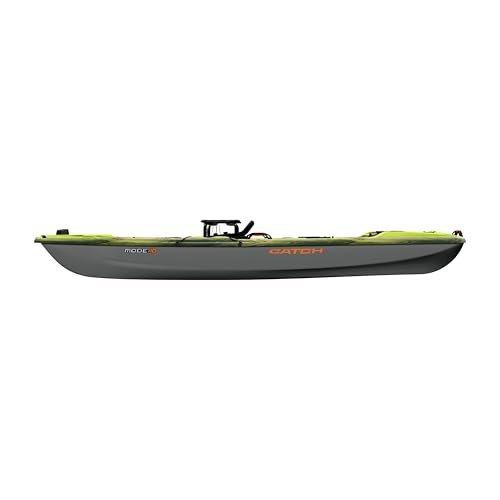
Pelican Catch Mode 110 TR…
Ergoboost seating system: The Ergoboost seating system is one of our most comfortable fishing chairs. It’s adjustable to allow a higher seating position and better angle of vision while also…

Pelican Catch Mode 110 -…
Stable: The tunnel hull offers maximum stability for a secure and steady ride. It also makes it incredibly easy to get in and out of the kayak. Its wide and…
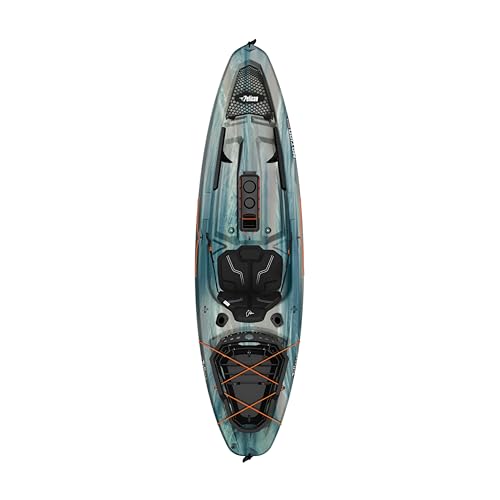
Pelican Sentinel 100X – Angler…
Ergolounge seating system : Extra-thick cushioning and an extra high and wide padded backrest. ExoPak removable storage compartment : The ExoPak removable storage compartment allows you to pack your gear…
Pelican Catch Mode 110 TR Fishing Kayak

The Pelican Catch Mode 110 TR is a 10.5-foot sit-on-top fishing kayak built for anglers who want a stable platform without jumping straight to a large pedal-drive boat. Its open deck gives you room to cast, shift your legs, and organize tackle. The raised Ergoboost seating system also gives you a better view over the water than a low molded seat. That higher position can make long fishing sessions feel much less cramped.
I like the gear rails because they make it easier to add a fish finder, camera, or rod holder without drilling into the hull. The wide hull design favors balance over speed, which is a smart trade for most lake and calm-river anglers. At 10.5 feet, it remains more manageable than many oversized fishing kayaks. Still, you should check the current product page for exact weight and capacity before buying, since package details can vary by model year.
Pros:
- Stable platform for casting and lure changes
- Raised seat improves comfort and visibility
- Gear rails support useful fishing add-ons
- Open sit-on-top layout makes entry simple
- Good size for lakes, ponds, and calm rivers
- Designed around fishing rather than casual paddling
Cons:
- Wide hull may feel slower than a touring kayak
- Hard-shell design needs a roof rack or trailer
- Added fishing gear can make transport tiring
My Recommendation
I recommend the Catch Mode 110 TR for anglers who want a comfortable, stable fishing kayak with a useful set of built-in rigging options. It suits lake fishermen, casual river anglers, and beginners who want more support while standing or casting from the seat. The raised chair is especially helpful for people who dislike sitting close to the floor all day. Among the models reviewed here, it offers a strong blend of comfort, stability, and upgrade potential at a practical size.
Pelican Catch Mode 110 Fishing Kayak

The standard Pelican Catch Mode 110 focuses on simple comfort. Its lawn-chair-style seat gives your back more support than a basic molded seat, and the open deck leaves space for a small tackle box, cooler, or dry bag. The 10.5-foot hull is short enough for many home storage areas but long enough to track well on calm water. This makes it a useful first step for people moving from a recreational kayak to a fishing setup.
This kayak has the broad, steady feel that helps new anglers relax. You can fish from a seated position without constantly correcting your balance, and the sit-on-top design makes a swim or wet launch less stressful. The trade-off is clear: a wide recreational fishing hull will not glide as quickly as a narrow touring kayak. I see this model as a comfort-first choice for ponds, small lakes, protected bays, and slow rivers.
Pros:
- Comfortable lawn-chair-style seating
- Stable shape helps new anglers build confidence
- Open deck provides easy access to tackle
- Simple sit-on-top design is easy to enter
- Useful 10.5-foot length for calm water
- Good choice for relaxed all-day fishing
Cons:
- Not the fastest option for long paddles
- May lack the advanced features of pedal kayaks
- Hard shell takes space to store and transport
My Recommendation
The Pelican Catch Mode 110 is best for beginners, casual anglers, and families who want a stable fishing kayak with a soft, supportive seat. It is also a good fit for anglers who value easy entry more than high speed. I would choose it for sheltered water and short to medium fishing trips. It delivers the core benefits most new kayak anglers need without forcing them to learn a complex drive system.
Pelican Sentinel 100X Angler Fishing Kayak

The Pelican Sentinel 100X Angler is a compact 10-foot sit-on-top kayak made for anglers who care about low weight and easy handling. Its Ergolounge seating system adds padding and back support while keeping the kayak fairly simple. The shorter hull is useful when you must carry the boat from a parking area to the launch. It also works well for smaller lakes, slow rivers, and quiet ponds.
This model appeals to me because not every angler needs a giant fishing platform. A compact kayak can be less demanding to load, store, and move, which means you may use it more often. The smaller size also makes it easier to turn in narrow channels. In exchange, you get less room for large coolers, batteries, and several tackle boxes, so pack with care.
Pros:
- Compact 10-foot size is easy to manage
- Lightweight design helps with solo transport
- Ergolounge seat adds padding and back support
- Stable sit-on-top layout for basic fishing
- Good fit for small vehicles and tight storage
- Easy turning in narrow creeks and ponds
Cons:
- Limited deck space for large tackle loads
- Short hull may track less smoothly in wind
- Best suited to calm water, not rough open water
My Recommendation
I suggest the Sentinel 100X Angler for solo fishermen who need a manageable, compact fishing kayak. It is a smart choice for a first kayak, a small-water boat, or a backup craft that does not take over the garage. Smaller adults and anglers with limited storage may appreciate it most. If your trips include heavy equipment or long crossings, choose a larger model instead.
Pelican Catch Mode 110 Premium Fishing Kayak

The premium Pelican Catch Mode 110 is designed for anglers who want a roomy, steady platform and a comfortable lawn-chair seat. The 10.5-foot length gives you enough deck area for fishing tools without making the hull excessively long. Its broad shape helps reduce the nervous side-to-side feel that can bother new paddlers. The granite finish also gives it a clean, understated look on the water.
I see this version as a practical middle ground. It has a more fishing-focused layout than a basic recreational kayak, yet it avoids the cost and maintenance of a motorized boat. The elevated seat can help reduce knee and hip strain during a full morning on the lake. As with any wide kayak, you should expect moderate speed and plan your gear so the boat stays balanced from bow to stern.
Pros:
- Wide hull supports a confident fishing stance
- Comfortable lawn-chair seat for longer trips
- Roomy deck gives tackle easier access
- Good 10.5-foot balance of space and portability
- Suitable for lakes and protected waterways
- Fishing-focused design feels more useful than a plain kayak
Cons:
- Wide hull is not built for speed
- Large shape can be awkward for one person to load
- Extra gear may require careful weight distribution
My Recommendation
This Catch Mode 110 is best for anglers who want a stable recreational fishing kayak with extra comfort. I would choose it for bass fishing, panfish trips, and calm-water outings where casting room matters more than fast travel. It is also well suited to people who need a supportive seat for several hours. For many buyers, it offers better value than a premium pedal kayak while still feeling purpose-built for fishing.
Intex Excursion Pro K2 Inflatable Kayak

The Intex Excursion Pro K2 takes a different path from the hard-shell models above. This inflatable kayak comes as a two-person set with paddles and a high-output pump, and its SuperTough PVC construction is made for regular recreational use. The adjustable bucket seats let you change the seating position for one or two paddlers. Its compact packed size is the main reason many people consider an inflatable kayak.
I find this format useful for apartment dwellers, travelers, and anglers who cannot carry a hard kayak. The 400-pound listed capacity gives two people or one person with fishing gear room to plan a trip, but you should always subtract your equipment weight from the total. Inflation takes time, and you must inspect pressure, valves, and the hull before launching. It is best on calm lakes and protected water, not fast rivers, surf, or rough conditions.
Pros:
- Folds for easier storage and car transport
- Includes paddles and a high-output pump
- Supports one or two paddlers
- Adjustable seats help fit different users
- Strong PVC construction suits casual use
- Useful for travelers without roof racks
Cons:
- Requires inflation and drying after each trip
- Less rigid than a hard-shell fishing kayak
- Two-person use leaves less room for fishing gear
- Not ideal for sharp rocks, heavy waves, or fast current
My Recommendation
The Excursion Pro K2 is best for occasional anglers, couples, and travelers who need a portable fishing kayak. I would select it when storage space and transport matter more than fast setup or maximum deck stability. It works well for calm-water exploration and light fishing trips. If you fish often or carry a large tackle load, a hard-shell kayak will usually feel simpler and more secure.
Pelican Catch 110HDII Pedal Fishing Kayak

The Pelican Catch 110HDII adds a HyDryve pedal system to a 10-foot sit-on-top fishing kayak. Pedal power lets you move while keeping both hands available for a rod, net, or fish finder. That is a major benefit when wind pushes your kayak away from a productive spot. The Ergocast seat is shaped for support and gives this kayak a more serious angling feel.
Pedal drive does not make a kayak effortless, but it can reduce the arm fatigue that comes with long paddles. I especially value it for anglers who like to cover water, hold position near structure, or troll at a slow pace. The drive also adds parts that need rinsing, inspection, and careful storage. Watch shallow water, weeds, and submerged limbs, and follow the maker’s instructions before using the drive in unfamiliar areas.
Pros:
- Pedal system keeps hands free while fishing
- Useful for covering water with less arm work
- Ergocast seat supports longer outings
- Fishing layout gives access to key equipment
- Compact 10-foot hull turns well
- Helpful for trolling and wind management
Cons:
- Pedal drive adds weight and maintenance
- Shallow water may require removing or lifting the drive
- Usually costs more than a paddle-only kayak
- Drive parts can catch weeds or underwater debris
My Recommendation
I recommend the Catch 110HDII for active anglers who want hands-free movement and better control over fishing position. It is a strong fit for lake fishermen, people who troll, and anyone who spends long days moving between spots. I would not choose it solely for casual paddling because the drive adds cost and care. For serious fishing use, however, it may be the most capable Best Fishing Kayak option in this group.
Lifetime Muskie Angler Sit-On-Top Kayak

The Lifetime Muskie Angler is a classic sit-on-top fishing kayak that includes a paddle and measures 120 inches long. Its length gives it a useful balance between straight tracking and manageable transport. The sit-on-top form makes it easy to climb aboard and drain splash water. It is built for anglers who want a straightforward paddle kayak rather than an inflatable or pedal model.
This kayak makes sense when you want basic fishing function at a sensible level of complexity. A paddle has few moving parts, and that keeps care simple after a muddy launch or a long day on the lake. The included paddle also means you can get started without adding one to the first purchase. It will not provide the hands-free control of a pedal drive, but many anglers prefer the reliability and quiet feel of a standard paddle.
Pros:
- Includes a paddle for a ready-to-use package
- 120-inch hull tracks well on calm water
- Simple paddle design needs little maintenance
- Sit-on-top layout supports easy entry and exit
- Good choice for budget-minded anglers
- Quiet movement works well for fishing approaches
Cons:
- Hands stay busy while paddling and casting
- Basic design may offer fewer modern rigging options
- Long hull still needs suitable storage space
My Recommendation
The Lifetime Muskie Angler is best for budget shoppers and new anglers who want a simple fishing kayak with a paddle included. It suits calm lakes, ponds, and slow rivers where you can plan your route and avoid rough conditions. I would pick it for reliable weekend use rather than advanced tournament fishing. Its straightforward design can be a real advantage when you want to launch, fish, rinse, and store the kayak without fuss.
How I Choose the Best Fishing Kayak
Choosing a fishing kayak is not just a matter of picking the longest boat or the one with the most rod holders. I start with the water you fish most often. A calm pond has very different needs from a windy reservoir, tidal bay, or moving river. Hull shape, seat height, storage, and total load all matter more than a flashy feature list.
I also look at how often you will move the kayak. A boat that stays on a trailer can be large and feature-rich. A boat that must travel from a garage to a launch by hand should be lighter and shorter. The best fishing kayak is the one you can carry, store, and launch without turning every trip into hard work.
Stability and Hull Design
Stability is the first feature I check because fishing involves movement. You reach for pliers, turn to grab a net, lift a fish, and sometimes stand to cast. A wider hull usually feels more stable, but it may move more slowly through the water. A narrow hull can paddle faster, yet it may feel less forgiving for a new angler.
Primary stability describes how steady the kayak feels when you first sit in it. Secondary stability describes how it behaves as it leans farther. Beginners often notice primary stability first. Still, no kayak is impossible to tip, and you should learn the limits of your boat in shallow, calm water before standing.
Seat Comfort
A poor seat can ruin a good fishing day. Look for a raised or well-padded seat with back support and useful adjustment. A higher seat makes it easier to see and stand, but it can also raise your center of gravity. I prefer a seat that gives support without making the kayak feel top-heavy.
Try to keep your knees slightly bent and your feet supported. This position helps you control the kayak and reduces pressure on your lower back. If you have hip, knee, or back concerns, check the seat dimensions and adjustment range before ordering. A comfortable kayak is more likely to become a regular part of your outdoor life.
Weight Capacity
Never treat the listed capacity as spare room. Your body weight, paddle, seat, battery, fish finder, cooler, tackle, water, and safety gear all count. I leave a practical margin below the maximum capacity so the kayak remains stable and sits at the proper level in the water.
Overloading can reduce freeboard, which is the distance between the water and the top edge of the kayak. Low freeboard lets waves and wake enter more easily. It can also make tracking and turning less predictable. Before buying, make a simple list of everything you plan to carry.
Storage and Rigging
Fishing creates clutter fast. Rods, lures, pliers, line cutters, sunscreen, snacks, and a phone all need a safe place. Look for sealed hatches for items that must stay dry and open tank wells for bulky gear. Gear tracks can help you mount accessories without drilling.
Do not fill every storage area just because it exists. Loose gear can become a hazard during a capsize. I keep small items in a tackle tray, secure rods with leashes when needed, and place heavy items low and near the center. Smart packing improves stability as much as a good hull does.
Paddle or Pedal Drive?
Paddle kayaks are simple, quiet, and often less expensive. They are also lighter in many cases and easy to use in shallow water. A good paddle technique can move a kayak efficiently while giving you excellent control around docks and cover.
Pedal kayaks offer hands-free movement, which helps when trolling or holding a fishing position. They can reduce arm fatigue on long trips, but they add weight, cost, and maintenance. A pedal drive can also strike rocks, logs, or weeds. I would buy one only if hands-free movement solves a real problem in the way I fish.
Transport and Storage
Measure your storage space before ordering. A 10-foot kayak may fit in a garage, but the width can still cause problems. You should also measure the opening of a shed or the length of a truck bed. A wall rack, ceiling hoist, kayak cart, or trailer may be useful depending on the hull weight.
Use two people for a heavy hard-shell kayak when possible. Lift with your legs, not your back, and do not drag the hull over rough ground. For a roof rack, follow the rack maker’s weight limit and tie-down instructions. Secure the bow and stern when driving at highway speed.
Safety Essentials
The U.S. Coast Guard requires a properly sized personal flotation device for each person on a recreational kayak. I wear mine every time, even on warm, calm water. A whistle or sound device, a light when required, drinking water, and a phone in a waterproof case are also wise choices.
Check local rules before launching. Some waters require registration, special lights, or invasive-species cleaning steps. Look at the weather and wind before leaving shore. Tell someone where you are going and when you expect to return. A fishing kayak should open the door to adventure, not remove your safety margin.
Best Fishing Kayak Comparison
| Best for | Why |
|---|---|
| Best overall comfort | Pelican Catch Mode 110 TR offers a raised seat, stable hull, and useful gear rails. |
| Best for hands-free fishing | Pelican Catch 110HDII uses a pedal system for movement while your hands stay on the rod. |
| Best for easy transport | Intex Excursion Pro K2 packs down and includes the pump and paddles. |
Fishing Kayak Features That Matter in 2026
Kayak fishing continues to grow, and newer models now offer more ways to customize a small boat. Fish finders, action cameras, anchor systems, pedal drives, and battery boxes can all improve a trip. But more equipment also adds weight, cost, and failure points. I still favor a solid hull, a comfortable seat, and safe handling before smart gadgets.
Many anglers now use compact electronics with phone apps or portable sonar. These tools can help locate depth changes and fish-holding structure, but they do not replace local knowledge. Protect electronics from spray and use a secure mount. Carry a paddle even if you use pedals, because a backup means you can get home if a drive fails.
In 2026, buyers should also pay close attention to model names and package contents. Retail listings can show similar colors or updated seats under nearly identical names. Before checkout, confirm the hull length, seat, drive, paddle, pump, capacity, and included accessories. Read recent customer feedback for shipping damage, missing parts, and assembly concerns.
How to Set Up a Fishing Kayak
I set up the kayak on shore before pushing off. I place the seat in its normal position, secure the paddle, check drain plugs, and make sure every hatch is closed. Then I load heavy items low and near the center. This simple routine prevents many small problems later.
Keep one rod ready and store the rest where they cannot interfere with a paddle stroke. Put pliers and cutters within reach, but attach them with a short leash. Use a soft cooler or compact fish bag rather than a tall hard cooler if stability is a concern. Leave room to land a fish without knocking gear into the water.
On your first trip, do not carry a full tournament load. Bring the safety basics, one or two rods, a small tackle box, water, and a snack. Paddle in a protected area and practice turning, stopping, reversing, and reaching for gear. Once you know how the boat behaves, add equipment one piece at a time.
Who Should Buy a Fishing Kayak?
A fishing kayak is a good match for people who enjoy quiet access to water and do not need a motor. It can reach shallow flats, narrow creeks, and small coves with little disturbance. It also costs less to store and operate than many powered boats. For many anglers, the kayak becomes both fishing tool and outdoor escape.
It may not suit you if you fish far offshore, carry a very large load, or face strong current and rough waves often. A kayak has limits. You need to understand the water, check conditions, and choose a boat with enough stability and capacity for your body and equipment.
I also recommend trying before committing when possible. A local dealer, rental service, or kayak club can show you how different hulls feel. One person may love a compact boat, while another needs a wide platform and a tall seat. Comfort and confidence are personal, so honest testing has real value.
Care and Maintenance Tips
Rinse the kayak with fresh water after use, especially after saltwater trips. Salt can damage metal parts, pedal components, and electronics over time. Let seats, hatches, and the hull dry before long-term storage. Store the kayak out of direct sun when possible, because heat and ultraviolet exposure can shorten the life of some materials.
Inspect the hull for deep cuts, cracks, or unusual soft spots. Check straps, buckles, foot braces, seat fittings, and drain hardware before each outing. If you use an inflatable kayak, test for leaks and keep it away from sharp surfaces during setup. Never ignore a slow leak or a damaged valve.
Pedal-drive users should follow the maintenance schedule in the manual. Remove weeds and line before they wrap around the drive. Keep the mechanism clean and store it as directed. Good care protects your investment and helps the kayak work correctly when you are far from the launch.
FAQs Of Best Fishing Kayak
What is the best fishing kayak for beginners?
A stable sit-on-top kayak with a comfortable seat is usually best for beginners. The Pelican Catch Mode 110 models offer a forgiving platform and easy entry. Start on calm water and learn basic rescue skills before fishing alone.
Is a pedal fishing kayak better than a paddle kayak?
Neither is better for every angler. Pedal kayaks keep your hands free and can help you cover water, while paddle kayaks are often lighter, simpler, and less costly. Choose pedals only if hands-free control matters to your style of fishing.
Can I stand in a fishing kayak?
Some wide fishing kayaks support standing better than narrow recreational models. Check the manufacturer’s guidance and practice near shore first. Keep your weight centered, avoid sudden movements, and wear a personal flotation device.
What size fishing kayak should I buy?
A 10- to 10.5-foot kayak works well for many small lakes and calm rivers. Longer kayaks can track better and carry more gear, but they need more storage and transport space. Match the size to your water, body size, equipment, and launch conditions.
Are inflatable kayaks good for fishing?
Inflatable kayaks can work well for light fishing on calm water. They are easy to store and transport, but they take time to inflate and need careful cleaning and drying. Avoid sharp rocks, rough surf, and heavy gear unless the model clearly supports those conditions.
Final Verdict: Which Should You Buy?
For most anglers, the Pelican Catch Mode 110 TR is the best fishing kayak here because it blends stability, comfort, useful rails, and manageable size. Choose the Catch 110HDII if hands-free pedal control matters most.
For low-cost simplicity, consider the Lifetime Muskie Angler. For easy travel and storage, choose the Intex Excursion Pro K2. Check current specifications, capacity, and availability before ordering.