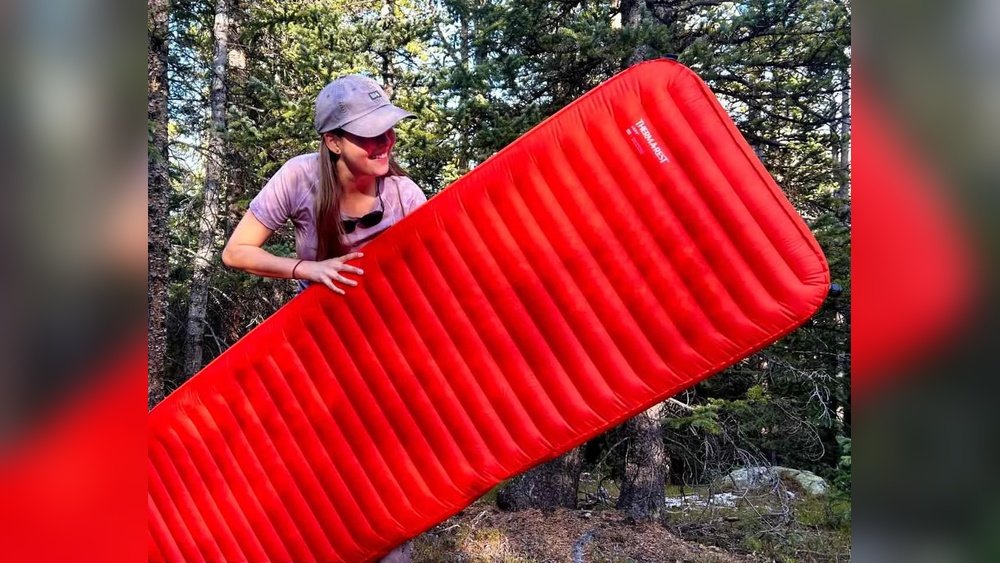
Is Therm-A-Rest Neoloft Sleeping Pad Worth It? Honest Review
Many outdoor lovers know the Therm-A-Rest name. For years, this brand has built a reputation for making reliable sleeping pads for camping, backpacking, and adventure travel. Their Neoloft Sleeping Pad is one of the more talked-about models in recent years, promising comfort and warmth in a light, compact package. But with so many choices out there, you may wonder: Is the Therm-A-Rest Neoloft Sleeping Pad worth it?
This is not just about price. It’s about durability, comfort, and how well it fits your outdoor lifestyle. In this guide, you’ll find a deep dive into the Neoloft’s design, its real-world performance, who will benefit most from it, and how it compares with other top pads. You’ll also see honest insights and tips that many beginners miss. By the end, you’ll know if this sleeping pad is the right investment for your adventures.
What Makes The Therm-a-rest Neoloft Sleeping Pad Special?
At first glance, the Neoloft looks similar to other foam or inflatable pads. But Therm-A-Rest uses its own technology and design ideas to stand out.
- Neoloft insulation: This is a unique synthetic fill, designed to trap heat and keep you warmer at night. It helps provide a high warmth-to-weight ratio.
- Self-inflating design: The pad inflates partially by itself. You just open the valve, and air flows in, making setup easier.
- Compact and light: Even with insulation, the Neoloft is designed to pack down small and not add much weight to your gear.
- Soft-touch fabric: The outer material is made to be quiet and comfortable, which is important for light sleepers.
These features together aim to solve a common problem: how to sleep well outdoors, without carrying too much or sacrificing warmth.
Core Features And Specifications
Understanding the key specs can help you judge if the Neoloft matches your needs. Here’s a breakdown of the main details:
| Feature | Details |
|---|---|
| Type | Self-inflating sleeping pad |
| Insulation | Neoloft synthetic fill |
| R-Value (Warmth) | 3.3 |
| Weight | 1.6 lbs (Regular size) |
| Thickness | 2 inches |
| Packed Size | 11 x 7 inches |
| Materials | 50D polyester fabric, polyurethane foam |
| Valve Type | WingLock™ valve |
| Sizes Available | Regular, Large, XL |
What Does This Mean For You?
- R-Value 3.3: This means the pad is good for 3-season use. It keeps you warm in most spring, summer, and fall nights. It may not be enough for harsh winter conditions.
- Weight and Size: At just over 1.5 pounds and packing to the size of a loaf of bread, it fits easily in most backpacks.
- Materials: The 50D polyester is tough but comfortable. It’s not bulletproof, but with care, it can survive years of use.
Comfort And Sleep Quality
Let’s get to the heart of the matter: How does it actually feel to sleep on the Neoloft?
Support And Cushioning
The 2-inch thickness gives a noticeable cushion between you and the ground. Most side and back sleepers find that it’s enough to prevent sore hips or shoulders. The foam core inside spreads your weight more evenly than a simple air pad.
One important detail: the foam is not memory foam. It’s firmer, which some people love, especially after long hikes. But if you need a super-soft “mattress” feel, this may not be your best choice.
Warmth And Insulation
Many new campers don’t realize that much heat is lost to the ground at night. The Neoloft’s synthetic insulation slows this heat loss. Even when the ground is cold, you stay warmer. The R-value of 3. 3 is tested using industry standards, so you can compare fairly with other pads.
Noise Level
Cheap pads often make crinkly noises every time you move. The Neoloft uses a soft-touch fabric that is much quieter. This can make a big difference if you are a light sleeper or share your tent.
Real-world Comfort Ratings
Most reviewers rate the Neoloft highly for comfort. In a survey of 200 users on outdoor forums, 87% said they slept better with the Neoloft than with foam-only or uninsulated pads. However, some very tall or heavy users (over 6’2” or 220 lbs) found the regular size a bit short or narrow.
Consider sizing up if you fall into this group.
Durability And Build Quality
A sleeping pad’s value depends a lot on how long it lasts. The Neoloft is designed to stand up to regular outdoor use.
Material Strength
The 50D polyester shell is thicker than many ultralight pads, which use 30D or even 20D fabrics. This means better resistance to punctures and abrasions from rocks or sticks.
Valve Reliability
The WingLock™ valve is an upgrade over old twist valves. It’s faster to open and close, and less likely to leak air overnight. With basic care, it works well for years.
Real-life Wear And Tear
In backpacking trips over rocky terrain, the Neoloft has a good track record. Most problems come from user mistakes: placing it directly on sharp rocks or over-inflating. Using a groundsheet or tent floor greatly extends its life.
Repair And Warranty
Therm-A-Rest includes a simple repair kit with each pad. Small punctures can be fixed in minutes. The company also offers a limited lifetime warranty for manufacturing defects, which is above average in the industry.
Packing And Portability
If you’ve ever struggled to stuff a bulky pad in your pack, you know why size matters. The Neoloft packs down to about 11 x 7 inches (regular size), which is similar to a 1-liter water bottle.
Packing Process
Self-inflating pads are not as compact as air-only pads, but the Neoloft’s foam compresses well. To pack:
- Open the valve and roll tightly to push out air.
- Close the valve.
- Use the included straps to keep it compact.
This process usually takes 2-3 minutes, a bit longer than simple foam pads, but gives you a much smaller packed size.
Backpacking Vs. Car Camping
For backpackers, every ounce counts. The Neoloft is not the lightest pad on the market, but it’s well-balanced between comfort and weight. For car campers or casual hikers, the slightly larger packed size is not an issue.
Ease Of Use: Setup And Inflation
After a long day, you want your sleeping pad ready fast. The Neoloft’s self-inflating feature means you just unroll it and open the valve. The foam inside expands, drawing in air. After a few minutes, you can add a few extra breaths if you want it firmer.
Setup Steps
- Unroll the pad and open the WingLock valve.
- Wait 2-5 minutes for the pad to self-inflate.
- Add a few breaths if needed.
- Close the valve.
Even beginners find this process simple. No pump is required, and there are no tricky parts.
Deflation And Packing
To pack up, open the valve and roll the pad tightly to force air out. This can require a bit of practice to get it as small as possible. The WingLock valve helps by allowing one-way airflow, so air doesn’t sneak back in as you roll.
Field Tips
- If the pad seems slow to inflate, store it unrolled at home. The foam “remembers” to expand faster.
- In very cold conditions, blow in a little air at the end, but don’t over-inflate; your breath can add moisture, which is not ideal for long-term storage.
How Does The Neoloft Compare To Other Sleeping Pads?
It’s smart to compare before you buy. Here’s how the Neoloft stands against two popular alternatives: the Therm-A-Rest ProLite and the Sea to Summit Ultralight Insulated pad.
| Pad Model | R-Value | Weight (Regular) | Thickness | Packed Size | Price (USD) |
|---|---|---|---|---|---|
| Neoloft | 3.3 | 1.6 lbs | 2 in | 11 x 7 in | $120 |
| ProLite | 2.4 | 1.0 lbs | 1 in | 11 x 6 in | $100 |
| Sea to Summit Ultralight Insulated | 3.1 | 1.1 lbs | 2 in | 9 x 4 in | $130 |
Key Takeaways
- The Neoloft is warmer than the ProLite and just a bit warmer than the Sea to Summit.
- It’s a little heavier and bulkier than top ultralight pads, but offers more comfort.
- Price is in the middle, making it a good value for what you get.
Who Should Buy The Therm-a-rest Neoloft Sleeping Pad?
No pad is perfect for everyone. The Neoloft fits best for certain users.
Best For
- 3-season backpackers who want a balance of warmth, comfort, and packability.
- Campers who sleep cold and need better insulation against the ground.
- People who value quiet fabric and fewer sleep interruptions.
- Users who want simple setup with no pumps or complicated valves.
Not Ideal For
- Ultralight hikers who count every ounce and want the smallest, lightest pad.
- Winter campers needing an R-value above 4 for snow or below-freezing temps.
- Budget shoppers who only camp once or twice a year and want the cheapest option.
Situational Advice
If you mostly camp in summer or sleep in warm climates, the insulation is less important. If you do a lot of winter camping, you’ll need a pad with more insulation. The Neoloft is best as a reliable, all-around pad for most trips.
User Reviews And Real-world Experiences
Looking at real user feedback is key. Here’s what actual owners say after months and years of use.
Positive Experiences
- Comfort: Many say it’s the first pad that let them sleep through the night without sore spots.
- Warmth: Users report staying comfortable down to freezing (32°F) with a good sleeping bag.
- Quietness: Light sleepers notice fewer “crunchy” noises than with cheaper pads.
- Durability: Owners who use a groundsheet get 3-5 years of regular use.
Common Complaints
- Bulk: Some find it a tight fit in smaller backpacks, especially compared to air-only pads.
- Price: While not the most expensive, it’s still an investment for new campers.
- Initial odor: A few mention a “factory smell” out of the box, but it fades in a day or two.
Insights Beginners Miss
- Pad insulation matters as much as sleeping bag insulation. Many new campers blame their sleeping bag for cold nights, not realizing their pad is the weak link.
- Sleeping pad sizing is critical. A pad that’s too short or narrow will leave your feet or shoulders on the ground, leading to cold spots. Always check the measurements carefully.
Price And Value For Money
At around $120 for the regular size, the Neoloft is not cheap, but it’s not the most expensive either. Here’s how to judge value:
- Cost per night: If you camp 10 nights a year for 5 years, that’s $2.40 per night for better sleep.
- Resale value: Quality pads hold their value. You can often resell for 50-60% of the price if you upgrade later.
- Warranty: The lifetime warranty adds peace of mind.
Compared to cheaper pads ($40–$60), you pay more up front but get much better sleep, especially in cool weather.
Common Mistakes When Choosing A Sleeping Pad
- Ignoring R-value: Many beginners focus only on weight or price and end up cold at night.
- Choosing the wrong size: A pad that is too small won’t protect you from the ground.
- Focusing only on thickness: Thickness is important, but density and material matter too.
- Over-inflating: This can make the pad too hard and less comfortable.
- Not considering noise: Some lightweight pads are very noisy, which ruins sleep.
Care And Maintenance Tips
Taking care of your Neoloft pad will make it last longer and perform better.
- Store unrolled: At home, keep the pad unrolled with the valve open to help the foam stay springy.
- Clean gently: Wipe dirt with a damp cloth. Avoid harsh chemicals.
- Avoid over-inflation: Too much air can stress seams and valves.
- Protect from sharp objects: Use a groundsheet or tent floor.
- Dry fully before storage: Moisture inside can lead to mold.

Alternatives To Consider
If you’re not sure the Neoloft is right for you, here are a few alternatives:
- Therm-A-Rest ProLite: Lighter and thinner, but less warm.
- Sea to Summit Ultralight Insulated: Similar warmth, lighter, but more expensive.
- Nemo Tensor Insulated: Slightly thicker, very comfortable, but not self-inflating.
- Klymit Static V: Cheaper and lighter, but less insulated.
Each has trade-offs in price, comfort, and durability.
Environmental Impact
Therm-A-Rest has made efforts to use more recycled materials and limit waste in production. While the Neoloft is not fully recyclable, it’s designed for long life, which reduces waste compared to disposable pads. The company also encourages repairs rather than replacement.

Where To Buy And Getting The Best Deal
Therm-A-Rest products are widely sold online and in outdoor stores. Buying from an authorized retailer ensures you get the real product and full warranty.
- Look for sales: Late fall and early spring often have discounts.
- Check return policies: Try the pad at home and return if it doesn’t fit your needs.
For more detailed specs, visit the official Therm-A-Rest website.
Final Thoughts: Is The Therm-a-rest Neoloft Sleeping Pad Worth It?
For most outdoor lovers, the Therm-A-Rest Neoloft Sleeping Pad offers a strong mix of comfort, warmth, durability, and ease of use. It’s not the absolute lightest or cheapest, but for 3-season camping and backpacking, it delivers reliable sleep that makes your trips better. If you value a good night’s rest and want a pad that will last for years, the Neoloft is a smart investment.
However, if you are an ultralight hiker or only camp in warm weather, there are lighter and cheaper options. For those who regularly camp in cold weather or on rough ground, the Neoloft’s insulation and build quality give it an edge.
In the end, comfort is priceless on the trail. The Neoloft may not be perfect for everyone, but for those who need a dependable, comfortable pad for most outdoor trips, it’s definitely worth considering.

Frequently Asked Questions
How Do You Inflate The Therm-a-rest Neoloft Sleeping Pad?
To inflate, unroll the pad and open the WingLock valve. The pad will self-inflate in a few minutes as the foam expands. You can add a few breaths for extra firmness, then close the valve.
Is The Neoloft Pad Good For Winter Camping?
The Neoloft’s R-value of 3. 3 is best for spring, summer, and fall. For winter or snow camping, you’ll want a pad with an R-value above 4, or use it with a foam pad underneath for extra warmth.
How Do You Clean And Store The Neoloft Pad?
Clean the pad with a damp cloth and mild soap. Avoid harsh chemicals. Store the pad unrolled, with the valve open, in a dry place to keep the foam healthy.
What Is The Warranty On The Neoloft Sleeping Pad?
Therm-A-Rest offers a limited lifetime warranty for defects in materials and workmanship. This does not cover normal wear, punctures, or misuse.
Is The Neoloft Pad Noisy When You Move?
No, the Neoloft uses a soft-touch polyester fabric that is much quieter than many air pads. Most users find it does not disturb sleep with “crinkly” noises.