Is Lifestraw Peak Series Gravity Filter Worth It? Honest Review
The outdoors offers freedom, fresh air, and endless adventure. But when you’re far from civilization, clean water isn’t always easy to find. That’s where portable water filters like the Lifestraw Peak Series Gravity Filter come in. But is this popular filter truly worth your money and backpack space? Let’s break down its real-world value, performance, and whether it matches the hype.
What Is The Lifestraw Peak Series Gravity Filter?
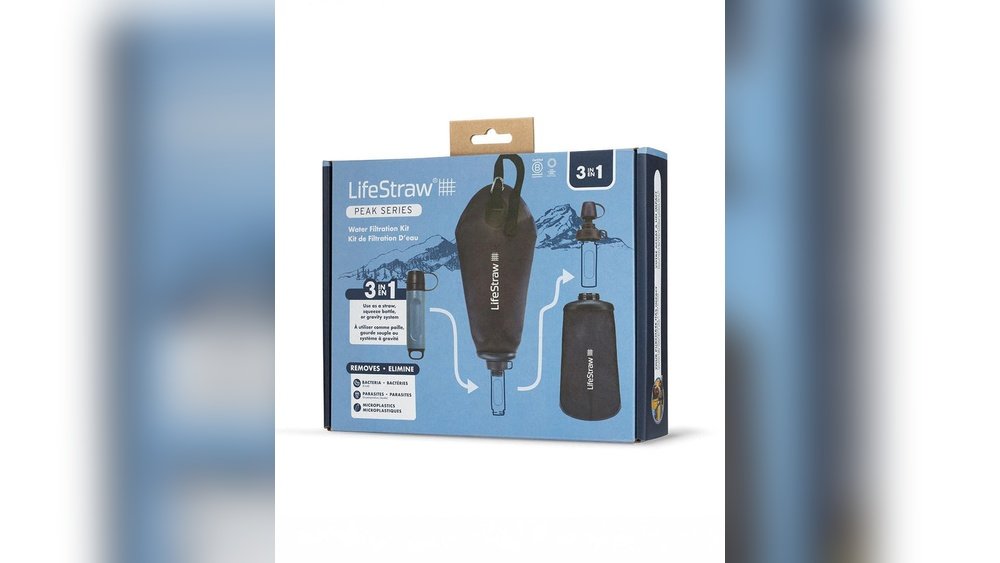
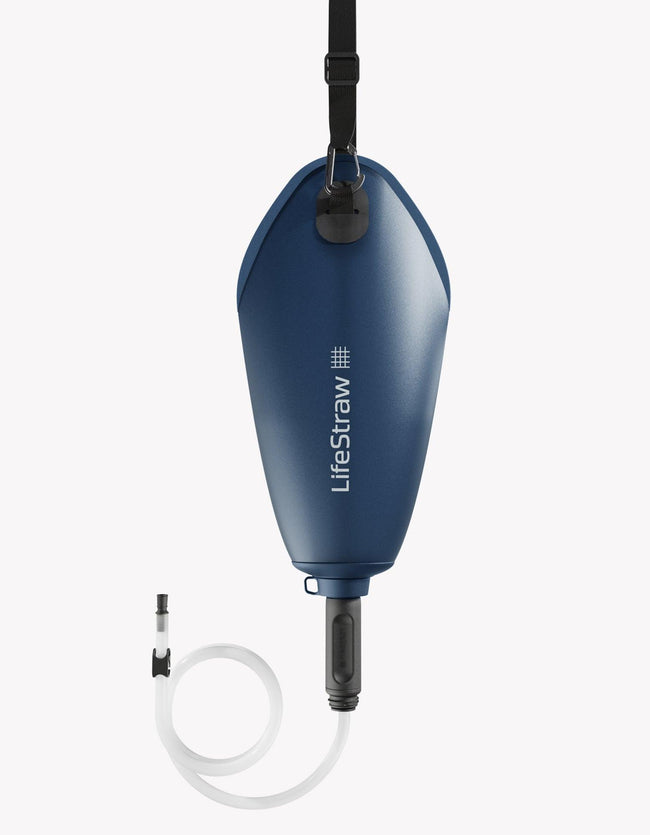
The Lifestraw Peak Series Gravity Filter is a portable water filtration system designed for backpackers, hikers, campers, and emergency preppers. It uses gravity—not pumps or batteries—to pull water through a microfilter, removing bacteria, parasites, and microplastics. The system usually includes a large water bag (ranging from 3L to 8L), a hollow fiber filter, and a hose with a simple shutoff valve.
Gravity filters like this aim to combine convenience with high-capacity filtration. Just fill the bag from a stream or lake, hang it, and let gravity do the work. Clean water flows out, ready for cooking, drinking, or filling bottles.
Who Is It For?
While almost anyone can use the Lifestraw Peak Series Gravity Filter, it’s best for:
- Backpackers and hikers who need to filter water for groups or long trips.
- Campers who want a hands-free way to filter large volumes.
- Families or small groups needing water for cooking and cleaning.
- Emergency preparedness (home or car kits).
Solo hikers or day trippers might find it overkill, but for larger needs, gravity systems shine.
Key Features And Specifications
Understanding the main features helps you decide if this filter fits your needs.
- Filter Type: Hollow fiber membrane
- Pore Size: 0.2 microns
- Removes: 99.999999% of bacteria, 99.999% of parasites, 99.999% of microplastics
- Flow Rate: Up to 0.5 liters per minute (depends on bag height, water quality)
- Capacity: Filters up to 2,000 liters (528 gallons) before replacement
- Weight: Around 6.9 oz (with 3L bag)
- Bag Sizes: Typically 3L, 8L
- No chemicals, batteries, or moving parts
- BPA-free materials
The Peak Series is an upgrade from previous Lifestraw gravity filters, with tougher material, improved valves, and easier maintenance.
How Does Gravity Filtration Work?
Gravity filters use elevation to move water. You fill the bag with dirty water, hang it (usually on a tree branch), and let gravity pull water through the filter. Clean water exits from a hose at the bottom.
There’s no squeezing, pumping, or sucking. This system is especially useful for filtering water for several people, or for camp tasks like cooking and washing up.
Advantages Of Gravity Filtration
- Hands-free: Just fill and hang—no pumping.
- High volume: Filters several liters at once.
- Good for groups: One setup serves many.
- Less effort: Useful after a long hike.
Limitations
- Needs a place to hang: Not ideal in open deserts.
- Slower than pump filters for one bottle: Filling just one bottle can feel slow.
- Heavier than straw or squeeze filters: More gear to carry.

Real-world Performance
Lab results are important, but how does the Lifestraw Peak Series Gravity Filter perform in real conditions?
Filtration Speed And Flow Rate
Most users report that the flow rate is reliable but not fast—expect about 0.5 liters per minute with a full bag and clean water. This means filtering 3 liters takes around 6–8 minutes. If water is very silty, the flow slows down and may need backflushing.
Filtration Quality
The 0.2-micron filter reliably removes:
- Bacteria: E.g., E. coli, Salmonella
- Parasites: E.g., Giardia, Cryptosporidium
- Microplastics
It does not remove chemicals, heavy metals, or viruses. In North American and European backcountry, this is usually enough. In areas with virus risk, you’ll need extra purification (like chlorine tablets).
Durability
The Peak Series uses puncture-resistant material for the bag and reinforced hose connections. Users report it stands up to rough use, unlike older Lifestraw bags that sometimes leaked. The filter itself is rugged and resists freezing damage (if you keep it dry when cold).
Maintenance
Backflushing is simple: just reverse the flow with clean water to clear debris. This keeps the flow rate high and extends the filter’s life. No replacement cartridges are needed until you reach the 2,000-liter limit.
Portability
The entire kit rolls up small. The 3L version fits easily in a backpack side pocket, though it’s bulkier than a basic straw filter. At around 7 ounces, it’s light for a group system.
Comparing Lifestraw Peak Series To Other Popular Gravity Filters
How does the Lifestraw Peak Series Gravity Filter stack up against top competitors?
Here’s a quick comparison with two top rivals: the Platypus GravityWorks and the Sawyer Gravity System.
| Filter System | Weight | Bag Capacity | Flow Rate | Filter Life | Price Range (USD) |
|---|---|---|---|---|---|
| Lifestraw Peak Series Gravity Filter | 6.9 oz | 3L / 8L | 0.5 L/min | 2,000 L | ~$60–$80 |
| Platypus GravityWorks | 11.5 oz | 4L | 1.5 L/min | 1,500 L | ~$110–$120 |
| Sawyer Gravity System | 8.1 oz | 3L | 0.7 L/min | Up to 378,000 L | ~$60–$70 |
Insights:
- The Lifestraw is lighter than the Platypus and about the same as the Sawyer.
- Platypus offers the fastest flow, but at a higher price and heavier weight.
- Sawyer’s filter lasts much longer but can clog more easily if not backflushed often.
What Makes The Lifestraw Peak Series Stand Out?
Some unique strengths set the Peak Series apart:
- Durability: The bag uses tough, abrasion-resistant material. Older models often tore at seams; this one holds up much better.
- Modular design: The filter can be used directly as a straw or attached to bottles and hydration packs, making it more versatile.
- Simple maintenance: Backflushing is easy—no tools or special adapters needed.
- No moving parts: Fewer things to break or go wrong.
- Affordable replacement parts: If the bag or hose fails, you can buy replacements without replacing the whole system.
When Is The Lifestraw Peak Series Gravity Filter Worth It?
This filter is worth it if:
- You often hike or camp with 2 or more people.
- You need to filter water for cooking, cleaning, or groups.
- You want a system that works without pumping or squeezing.
- You value rugged construction and easy cleaning.
It may not be worth it if:
- You only do solo day hikes (a basic straw or squeeze filter is smaller and lighter).
- You need virus protection.
- Speed is your top priority (look at Platypus or pump filters).
Real User Experiences And Field Reports
Looking at real-life feedback helps reveal details you won’t find in marketing material.
Positive Feedback
- Group backpackers love the ability to filter many liters at once, freeing up time at camp.
- Families appreciate not having to pump or squeeze—kids can even fill bottles themselves.
- Long-distance hikers report the bag survives rough handling and bushwhacking.
- Users like the modular filter, which can be removed and used as a straw in emergencies.
Common Complaints
- The flow rate drops with silty water—backflushing helps, but it’s not instant.
- The hose can kink if not packed carefully.
- The shutoff valve sometimes drips if not closed tightly.
- Some find the filter clog resistance lower than Sawyer, especially in muddy water.
Non-obvious Insights
- Hanging the bag higher (on a tall branch or tent pole) speeds up flow. Even an extra foot of height can make a noticeable difference.
- Always fill the bag as full as possible; a fuller bag means more gravity pressure and better flow.
- In cold weather, always empty and dry the filter at night—freezing water inside can damage the fibers permanently.
How To Use The Lifestraw Peak Series Gravity Filter
If you’ve never used a gravity filter, the process is simple but requires a few tips for best results:
- Find the cleanest water you can. Even though the filter removes bacteria and parasites, clear water clogs the filter less.
- Fill the bag. Scoop water from a stream or lake. Try not to stir up mud.
- Hang the bag. The higher you hang it, the faster the water flows.
- Attach the filter and hose. Make sure connections are tight.
- Open the valve and let gravity pull water through the filter into your bottle or pot.
- Backflush after each use, especially with silty water. Use clean water to push out debris.
Maintenance Tips
- Backflush often—it keeps the filter flowing fast.
- Store the filter dry between trips to avoid mold and freezing damage.
- Inspect hoses and seals for cracks before each trip.
Is It Easy For Beginners?
The Lifestraw Peak Series is beginner-friendly. There’s no need to learn complicated pump strokes or chemical mixing. However, two things often catch beginners out:
- Bag filling: Getting water into the bag can be tricky in shallow streams. Use a cup or scoop if needed.
- Hose kinks: If the hose is bent in your pack, it can block flow. Straighten it out before use.
With a little practice, most people find it easy and reliable.
Price And Value
The Peak Series Gravity Filter usually retails between $60–$80, depending on bag size and sales. That’s mid-range for gravity filters. Compared to pump filters (which can cost $100+), it’s a good value for groups.
What Are You Getting For Your Money?
- High-quality materials that last for years.
- 2,000-liter filter life—enough for dozens of trips.
- Modular use: The filter works with bottles and as a straw.
- Trusted Lifestraw brand—known for humanitarian projects and solid warranties.
If you use it for group trips, the cost per liter is very low compared to bottled water or chemical tablets.

Environmental Impact
One overlooked benefit: using a gravity filter like the Lifestraw Peak Series helps reduce single-use plastic waste. Instead of buying bottled water for every trip, you use local water sources. The filter itself is made from BPA-free plastics and is designed to last for years.
Lifestraw also funds clean water projects around the world, so buying their products supports broader access to safe water. For more on their impact, see the Lifestraw official site.
Lifestraw Peak Series Gravity Filter: Pros And Cons Summary
To help you decide at a glance, here’s a summary of strengths and weaknesses.
| Pros | Cons |
|---|---|
| – High-capacity filtration – Rugged, durable bag – No pumping required – Simple maintenance – Modular filter use – Affordable price for groups |
– Slower flow than some rivals – Needs hanging point – No virus removal – Hose can kink – Not best for solo trips |
When To Choose A Different Filter
There are cases where the Lifestraw Peak Series isn’t the best choice:
- Solo, ultralight hikers: A small squeeze filter or straw saves more weight and space.
- International travel: If you’re worried about viruses, look for a filter-purifier combo.
- Speed is vital: Pump filters or Platypus GravityWorks are faster for large groups.
- Heavily polluted water: No gravity filter removes chemicals or heavy metals—use a purifier or boil water.
Long-term Use And Reliability
One hidden advantage of the Peak Series is its long-term reliability. With proper care (regular backflushing, storage out of freezing temps), users report years of use. The bag is less likely to leak than older models, and the filter resists clogging with normal care.
However, the actual lifetime depends on water quality. Very muddy or silty water will shorten filter life. Some hikers carry a pre-filter (like a piece of cloth) to remove big particles before water enters the bag—this small trick can double filter life.
Final Verdict: Is The Lifestraw Peak Series Gravity Filter Worth It?
If you need to filter water for two or more people, want a reliable system for camp use, and value simplicity and durability, the Lifestraw Peak Series Gravity Filter is one of the best options on the market. It’s not the absolute fastest, but it offers a balance of weight, price, and ease of use that’s hard to beat for most backpackers and campers.
Beginners will appreciate the simple setup and low maintenance. Experienced hikers will like the rugged build and modular filter. The only times it falls short are for solo ultralight trips, or in places where viruses are a concern.
For most outdoor adventures, it’s a smart investment that keeps you hydrated, healthy, and hassle-free.
Frequently Asked Questions
Does The Lifestraw Peak Series Gravity Filter Remove Viruses?
No, the filter is designed to remove bacteria, parasites, and microplastics, but not viruses. If you’re traveling in areas with known virus contamination, consider adding water purification tablets or a UV purifier after filtering.
How Often Do I Need To Backflush The Filter?
For best performance, backflush after every use, especially if the water source is cloudy or silty. This keeps the flow rate high and extends the filter’s life.
Can I Use The Filter With Other Water Bags Or Bottles?
Yes, the Peak Series filter is modular. It connects to many standard water bottles, hydration bladders, or even directly as a straw. Check compatibility with your gear before your trip.
How Long Does The Filter Last?
The filter is rated for up to 2,000 liters (528 gallons) under normal conditions. Extremely dirty water can reduce this. Regular backflushing extends life.
Is It Safe For Children To Use?
Yes, the system is safe for children under supervision. There are no chemicals, and the hands-free flow is easy for kids to fill their own bottles. Always supervise young children near water sources.
With the right care, the Lifestraw Peak Series Gravity Filter can be your go-to camp water solution for years to come. It’s not perfect for every trip, but for most outdoor adventures, it’s a practical, reliable, and worthwhile investment in clean water.