

Is Garmin Inreach Mini 2 Worth It: 2026 Review
Yes, for remote travel safety, emergency messaging, and real peace of mind, the Garmin inReach Mini 2 is often worth it.
If you spend time outside cell service, the Garmin inReach Mini 2 can feel less like a gadget and more like a lifeline. I’ve seen plenty of people buy it for “just in case” trips, and then end up using it for weather checks, route confidence, and family check-ins far more than they expected. The real question is not whether the Garmin inReach Mini 2 is good, but whether its size, features, and subscription cost match the way you travel.
What the Garmin inReach Mini 2 actually does
The Garmin inReach Mini 2 is a compact satellite communicator. It lets you send and receive text messages when you are far beyond cell coverage, share your location, and trigger an SOS in an emergency.
That matters because it is not just a GPS tracker. It is a two-way safety device built for hikers, overlanders, paddlers, hunters, climbers, and anyone who regularly goes off grid. In my experience, that is where the Garmin inReach Mini 2 starts to make sense: it solves a real problem, not a “nice to have” one.
The device uses the Iridium satellite network, which is known for broad global coverage. That gives it a real edge over devices that only work through cellular networks or limited satellite systems.
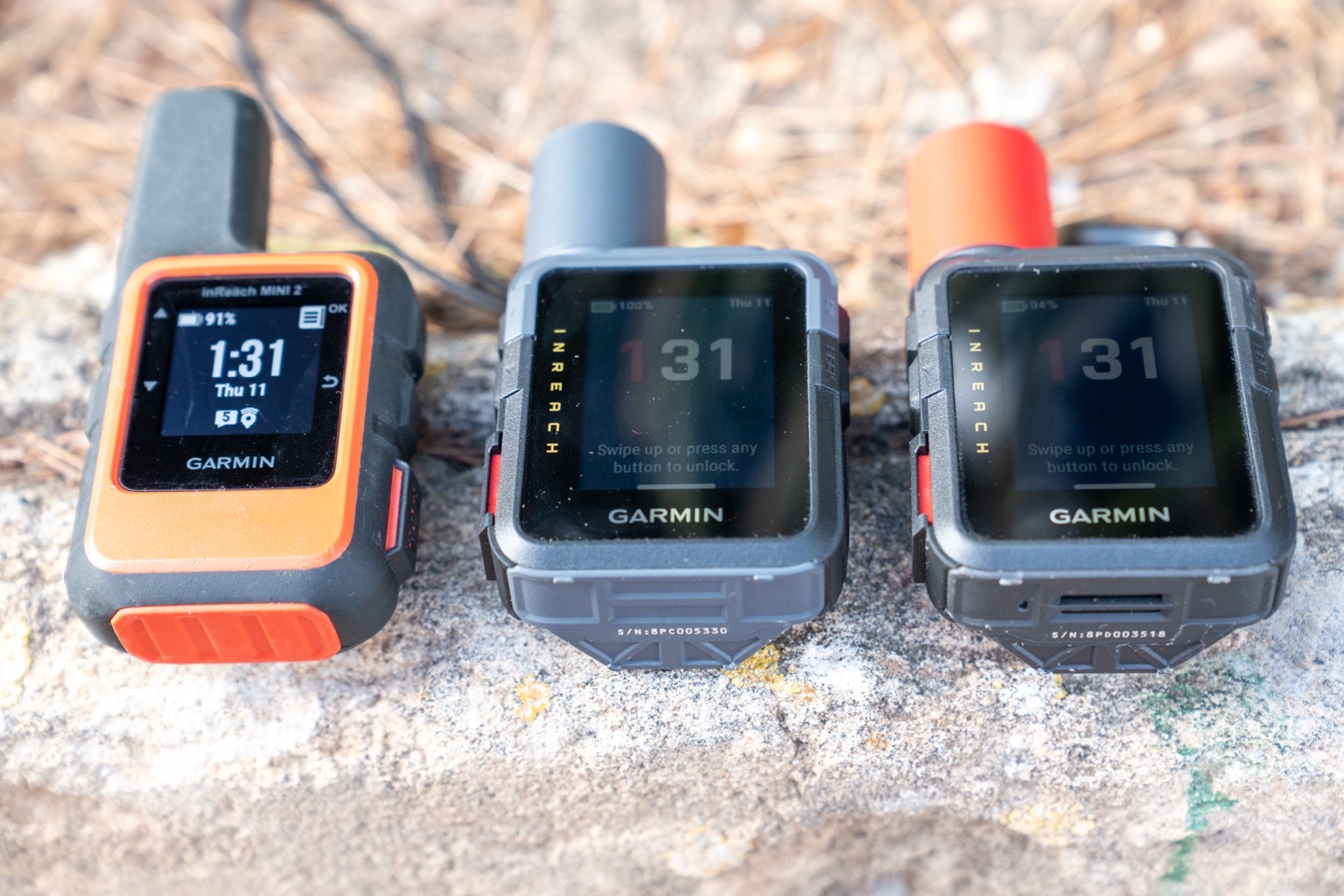
Is Garmin inReach Mini 2 worth it for most people?
For many outdoor users, yes, the Garmin inReach Mini 2 is worth it. It is especially worth it if you travel alone, go into remote areas, or want a dependable way to call for help.
But if your trips are mostly day hikes near towns, park roads, or places with decent cell service, it may be overkill. In that case, a phone with offline maps and a battery pack may cover most of your needs at a lower cost.
The best way to think about it is this: if you would regret not having a satellite communicator in a real emergency, then the Garmin inReach Mini 2 is likely worth the money. If you are buying it for occasional peace of mind but never leave coverage, you may be paying for more than you need.
Key reasons people buy the Garmin inReach Mini 2
People usually do not buy the Garmin inReach Mini 2 because it is flashy. They buy it because it solves pain points that show up in the backcountry.
Two-way satellite messaging
This is one of the biggest reasons the Garmin inReach Mini 2 stands out. You can send short texts and receive replies even when there is no cell service.
That is useful for simple things like:
- Telling family you are running late
- Updating a group on route changes
- Asking for weather help or trail conditions
- Reassuring people after a long day outdoors
SOS emergency function
The SOS button connects you to an emergency response center through satellite. If you are injured, lost, or unable to get help any other way, that feature can be life changing.
This is the core value of the device. In real use, the biggest win is not just “sending a signal.” It is being able to communicate enough detail so responders understand what is happening.
Compact size and light weight
The Garmin inReach Mini 2 is tiny compared with many GPS units. It fits in a pocket, clips to a pack, and does not feel like dead weight.
That matters more than people think. Big devices often stay in a bag. Small ones get carried every time.
Global satellite coverage
Because it uses the Iridium network, the Garmin inReach Mini 2 works in many remote places around the world. That makes it attractive for international adventurers and people who travel in very isolated regions.
Long battery life
Battery life is one of the Mini 2’s strongest points. For multi day trips, that can be a major advantage, especially when compared with a smartphone that is also handling maps, photos, and music.

Where the Garmin inReach Mini 2 really shines
The Garmin inReach Mini 2 is not for everyone, but in the right setting, it is excellent.
Solo hiking and backpacking
If you hike alone, the Garmin inReach Mini 2 offers a level of reassurance that a phone cannot match. I have always felt that solo travel changes the value equation because the smallest problem becomes a bigger one when nobody is nearby.
A twisted ankle, getting off trail, or a sudden storm can turn serious fast. In those moments, the Mini 2 gives you a way to contact someone without depending on cell towers.
Overlanding and road trips in remote areas
Remote roads can look simple on a map and still leave you stranded without signal. If you drive long dirt routes, desert trails, or mountain passes, the Garmin inReach Mini 2 adds a useful safety layer.
It is also handy when your vehicle breaks down in a dead zone. That is one of those situations people do not plan for, but absolutely want a backup for.
Boating, paddling, and water sports
Water changes everything. Phones die, get wet, or lose signal quickly, while the Garmin inReach Mini 2 is built for outdoor use and emergency communication.
For kayak trips, river runs, and offshore activities, that added communication line can be a major comfort.
Travel in countries with weak coverage
If you go to remote parts of the world where coverage is patchy, the Garmin inReach Mini 2 can be a smart insurance policy. It is especially useful for expeditions, guided trips, and long transit days where you may not know when service will appear again.
What the Garmin inReach Mini 2 does not do as well
No device is perfect, and it is better to be honest about the limits before you buy.
It is not a full GPS replacement
The Garmin inReach Mini 2 has navigation support, but it is not the same as carrying a full-featured GPS map device. The screen is small, so route planning and map viewing are limited.
For many users, that is fine. Still, if you want rich mapping, large route views, and heavy on-device navigation, you may want a dedicated GPS unit instead.
It needs a subscription
This is the biggest tradeoff. To use messaging and SOS features, you need an active subscription.
That means the real cost is not just the hardware price. It is the device plus the monthly or annual plan. For some users, that is still worth it. For others, it changes the answer completely.
The screen is tiny
The compact size is great for portability, but the display is small. That can make typing, reading long messages, and checking details slower than on a phone.
In practice, the Mini 2 works best as a communicator first and a tiny navigation tool second.
It is not ideal for casual users
If you only need an emergency locator once or twice a year, renting or borrowing may make more sense. The Garmin inReach Mini 2 shines when it is part of your regular outdoor kit, not when it sits in a drawer.
Garmin inReach Mini 2 subscription costs and value
The subscription is where buyers often pause. And honestly, they should.
Garmin uses service plans that vary based on how often you message, whether you need tracking, and how much flexibility you want. That means the monthly cost can be reasonable for some users and hard to justify for others.
Here is the simple way to judge value:
- If you travel often in remote places, the monthly fee may feel small compared with the safety benefit
- If you only go off grid a few times a year, the ongoing cost may feel high
- If you share the device across family members or work trips, the cost becomes easier to spread out
The Garmin inReach Mini 2 is best viewed like insurance. You hope you do not need it often, but when you do, the value can be obvious.
Who should buy the Garmin inReach Mini 2?
The Garmin inReach Mini 2 makes the most sense for people who actually spend time outside reliable cell range.
It is a strong fit for:
- Backpackers and hikers
- Solo travelers
- Hunters and anglers
- Climbers and mountaineers
- Paddlers and boaters
- Overlanders and remote drivers
- Field workers in isolated areas
It is probably not the best fit for:
- Casual campers near developed areas
- City travelers
- People who always hike in well covered parks
- Users who want a large GPS screen and advanced mapping
If your trips are predictable and close to help, the device may be more than you need. If your trips are remote, the Garmin inReach Mini 2 starts to look much more practical.
Real-world pros and cons
Here is the simplest way to weigh it.
Pros
- Very compact and easy to carry
- Reliable satellite messaging
- SOS emergency support
- Good battery life
- Useful for solo and remote travel
- Works in places without cell service
Cons
- Requires a paid subscription
- Small screen limits navigation
- Message sending is slower than a phone
- Not the best choice for heavy map users
- Higher total cost over time
In real use, the pros are about safety and confidence. The cons are mostly about cost and convenience. That is why the Garmin inReach Mini 2 is such a personal decision.
Tips to get the most out of the Garmin inReach Mini 2
I always tell people to test the device before they depend on it. That sounds obvious, but a lot of users skip this step and only learn the menu system when they are already outside coverage.
A few practical tips:
- Pair it with your phone before your trip so texting feels easier
- Set up preset messages for common updates
- Practice sending an SOS in a safe demo environment
- Keep it charged and in an easy-to-reach pocket
- Update firmware and check your plan before leaving
- Store emergency contacts and check-in messages in advance
One mistake I see often is treating the device like a panic button you never touch. The more familiar you are with it, the more useful it becomes when the weather turns or plans change.
How it compares to using a smartphone alone
A smartphone is great for maps, photos, and local communication. But it depends on cell coverage, battery life, and weather protection.
The Garmin inReach Mini 2 fills the gap your phone cannot. It gives you satellite messaging and SOS capability where phones usually fail. That is why many experienced users carry both.
A phone plus offline maps is fine for many trips. A phone plus the Garmin inReach Mini 2 is a much stronger setup for remote travel.
Frequently Asked Questions of Is Garmin inReach Mini 2 Worth It?
Is the Garmin inReach Mini 2 good for hiking?
Yes, it is very good for hiking, especially in remote areas with no cell service. It gives you two-way messaging, tracking, and SOS support in a small package.
Do I need a subscription to use the Garmin inReach Mini 2?
Yes, you need an active subscription for messaging and emergency services. Without a plan, the device will not provide its main satellite communication features.
Can the Garmin inReach Mini 2 replace my phone?
No, it cannot replace a phone for everyday use. It works best as a backup safety device and satellite communicator when your phone has no signal.
Is the Garmin inReach Mini 2 better than the original Mini?
For many users, yes. The Mini 2 improves battery life, adds better navigation support, and offers a more refined overall experience.
How accurate is the Garmin inReach Mini 2 for location sharing?
It is generally accurate enough for safety and tracking use. Like most satellite devices, accuracy can vary by location, tree cover, and sky visibility.
Is the Garmin inReach Mini 2 worth it for casual campers?
Usually not, unless you camp far from cell service often. For occasional campground trips, the subscription cost may outweigh the benefits.
Conclusion
The Garmin inReach Mini 2 is worth it if you value safety, communication, and peace of mind in remote places. Its biggest strengths are satellite messaging, SOS support, and a size that makes it easy to carry every time you head out.
If you are a serious hiker, solo traveler, paddler, or overlander, it can be one of the smartest pieces of gear you own. If you mostly stay near roads and cell coverage, the device may be more than you need.
The best move is to match the tool to your real travel habits, not your worst-case fantasy. If remote travel is part of your life, consider adding the Garmin inReach Mini 2 to your kit and compare plan options before your next trip.