Is DJI Osmo Action 4 Waterproof Without a Case?
When you're hitting the water, whether it's a calm lake or the ocean waves, you want to focus on the experience, not whether your camera is going to survive. So, is the DJI Osmo Action 4 waterproof without a case? For most common water adventures, the answer is a resounding yes.
Manufacturer specifications confirm the DJI Osmo Action 4 is built to handle submersion up to 18 meters (about 59 feet) right out of the box. This capability means you can leave the extra bulk of a dive case behind for a wide range of activities, from swimming to snorkeling and even some recreational diving.
Is DJI Osmo Action 4 Waterproof Without a Case?
Yes, the DJI Osmo Action 4 is waterproof without a case for dives up to 18 meters. Its rugged design and sealed ports allow direct submersion for common water sports. Always ensure port covers are securely closed before entering water.
How the Osmo Action 4 Handles Water: Seals and Ratings
The ability of the DJI Osmo Action 4 to go underwater without additional housing comes down to its robust engineering and adherence to established standards. Our research indicates that the camera itself is rated for submersion to 18 meters (approximately 59 feet). This is achieved through precision-molded seals and gaskets around all access points, primarily the battery compartment and the USB-C port cover.
When these covers are properly closed, they create a tight seal that prevents water from entering the sensitive internal components.
This built-in waterproofing means you can take the camera straight from your bag into the water for activities like swimming, snorkeling, and even light diving. It's a significant advantage for spontaneous underwater shots or when you want to travel lighter. Aggregate reviews report that for these depths, the camera performs reliably, capturing footage without issue, as long as the seals remain intact and the covers are secured.
This level of durability is crucial for an action camera designed for adventure.
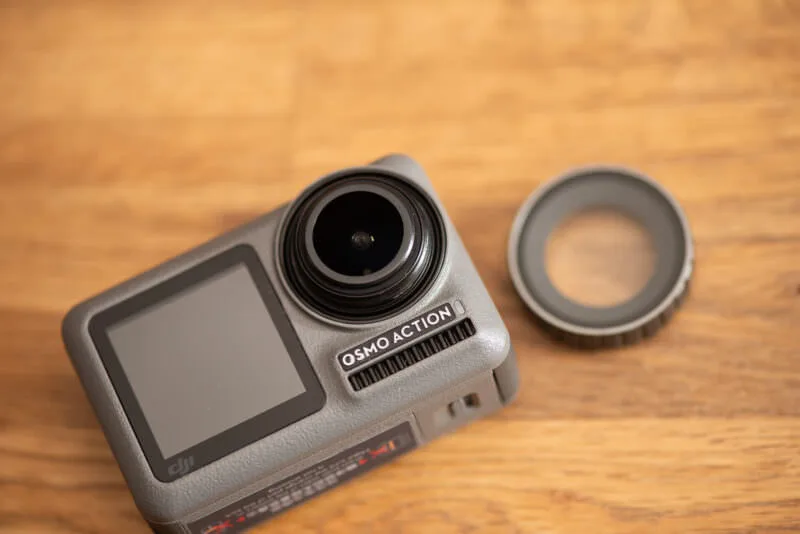
Image source: Bing (Web (fair-use with source credit))
What the 18-Meter Rating Means in Practice
- Depth Limit: The 18-meter rating is specific. Exceeding this depth places undue pressure on the seals, risking water ingress.
- Seal Integrity: The lifespan and effectiveness of the seals can be affected by wear and tear, or exposure to extreme temperatures.
- Port Covers: Forgetting to close the USB-C port cover or the battery compartment door is the most common way water gets in.
These factors highlight why, while it's waterproof for many uses, understanding the limits is key. For those planning to venture beyond 18 meters, or simply seeking maximum protection, an additional dive case becomes essential.
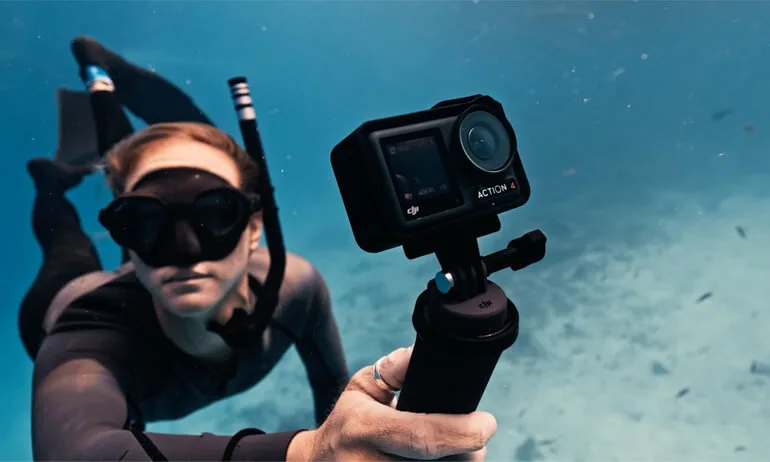
Image source: Bing (Web (fair-use with source credit))
When You Actually Need the DJI Dive Case
While the DJI Osmo Action 4 is impressively capable on its own, there are clear scenarios where you absolutely need to use the dedicated DJI Dive Case. The camera's built-in rating is fantastic for recreational use, but it has its limits. Manufacturer documentation confirms that the dive case extends your submersible depth significantly, offering protection for much more serious underwater exploration.
If your adventures take you beyond 18 meters (59 feet), the dive case is non-negotiable. This accessory is engineered to withstand pressures at much greater depths, often rated for up to 60 meters (nearly 200 feet). This opens up possibilities for certified scuba divers planning deeper dives.
Even if you stay within the 18-meter limit, the dive case adds a robust layer of protection against accidental impacts from rocks or equipment during dives, or during demanding water sports where the camera might be subjected to more forceful contact.
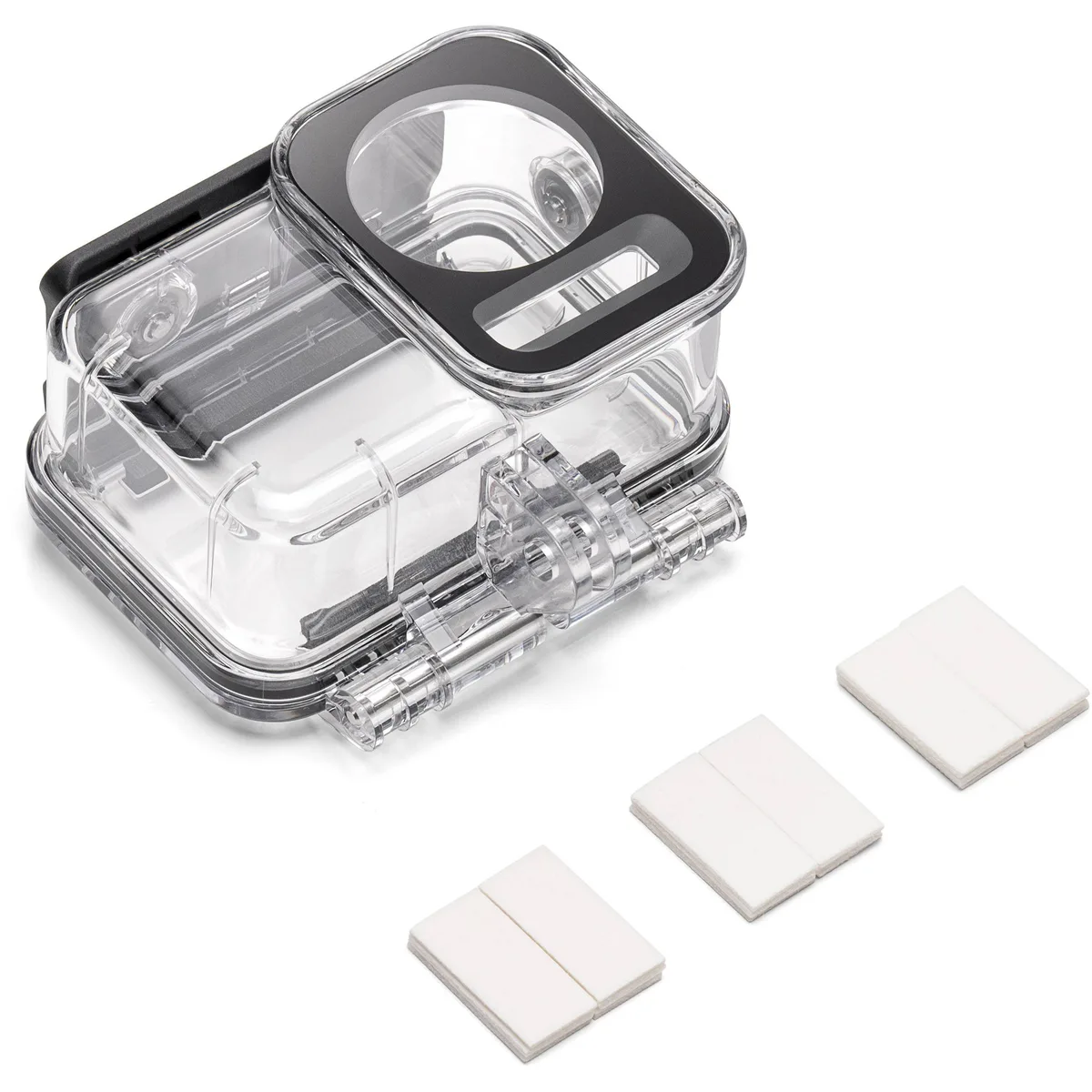
Image source: Web (Bing) / shashinki.com (Web image (fair-use with source credit))
Situations Demanding the Dive Case:
- Beyond 18 Meters: Any dive exceeding the camera's native waterproof limit requires the case.
- High-Impact Water Sports: Activities like surfing or jetskiing can involve sudden, forceful impacts. The dive case provides extra security.
- Extreme Durability Needs: For commercial use, underwater filmmaking requiring maximum safety, or when using the camera in very challenging marine environments, the dive case offers peace of mind.
- Extended Submersion: While the native rating is for typical activity durations, the dive case is designed for prolonged underwater operation.
The dive case acts as an outer shell, providing a secondary barrier against water pressure and physical damage. It’s an investment that allows you to push the boundaries of your underwater videography and photography safely.
Your Water Adventure Checklist: Osmo Action 4 vs. Dive Case
Deciding whether to grab your DJI Osmo Action 4 on its own or with its dive case boils down to a few key factors. Our research into user feedback and manufacturer guidelines reveals a clear pattern for when each option is the right choice. Think of it less as a "which is better" and more as "which fits your specific aquatic plan."
The native waterproofing is perfect for spontaneous fun and less demanding water activities. If you're going swimming, snorkeling, or just playing in the shallows at the beach, the camera's inherent capabilities are more than enough. You avoid the extra bulk and setup time of the dive case, allowing for quicker deployment and a more minimalist setup.
For these common uses, the Action 4's 18-meter depth rating is a significant convenience.
On the flip side, the dive case is your go-to for serious underwater exploration. As noted, its primary function is to extend your depth limit significantly, often up to 60 meters. This is crucial for certified scuba divers or anyone planning to go much deeper than casual snorkeling allows.
Beyond depth, the dive case offers enhanced physical protection against impacts, which can be critical in rougher waters or during high-energy water sports where the camera might encounter knocks or scrapes.
Who is Each Option Best For?
- DJI Osmo Action 4 (No Case): Ideal for swimmers, snorkelers, casual beachgoers, kayakers, and recreational divers up to 18 meters. It's about convenience and quick access for everyday water fun.
- DJI Osmo Action 4 (With Dive Case): Essential for scuba divers going deeper than 18 meters, underwater filmmakers needing extra security, or anyone participating in high-impact water sports who wants maximum impact protection.
Choosing correctly ensures your camera is protected and you can focus entirely on capturing amazing footage without worrying about equipment failure.
Common Mistakes When Taking Your Osmo Action 4 Underwater
Even with the DJI Osmo Action 4's impressive native waterproofing, it's surprisingly easy to run into trouble if you're not careful. Based on aggregate user feedback and common troubleshooting issues reported, a few mistakes pop up repeatedly. Understanding these can save you from a waterlogged camera and lost footage.
The most frequent error is failing to properly secure the port covers. The USB-C port and the battery compartment both have covers that must be firmly closed to maintain the waterproof seal. If either of these is even slightly ajar, water can, and will, find its way in.
It's a simple step, but absolutely critical. Always give them a firm press until you feel or hear a click, confirming they're sealed.
Another common pitfall is neglecting post-swim rinsing, especially in saltwater or chlorinated pools. Manufacturer documentation strongly recommends rinsing the camera with fresh water after any use in saltwater or swimming pools. Salt crystals can degrade the rubber seals over time, and chlorine can also damage the materials.
This residue can compromise the waterproof integrity of the camera for future dives. Make it a habit: rinse thoroughly with clean, fresh water as soon as possible after exiting the water.
Avoid These Watery Woes:
- Loose Port Covers: Not ensuring the battery and USB-C covers are fully sealed.
- Skipping the Rinse: Failing to rinse with fresh water after salt or pool exposure.
- Exceeding Depth Limits: Taking the camera deeper than its 18-meter rating without a dive case.
- Using Damaged Seals: Not inspecting seals for wear or damage before submersion.
Being aware of these mistakes will help you keep your Osmo Action 4 functioning perfectly in and around the water.
Pro Tips for Protecting Your Osmo Action 4 in Water
When you're heading out for some aquatic adventures with your DJI Osmo Action 4, a few smart practices can make sure your camera stays safe and keeps recording. Based on our research into how seasoned users handle their gear, these tips go beyond the basic instructions and offer real-world advantages. Think of them as building on the camera's inherent capabilities to ensure maximum longevity and performance.
First off, always inspect the seals before you get wet. That means the rubber gaskets around the battery compartment and the USB-C port. Even a tiny piece of sand, lint, or a slight tear can compromise the waterproofing.
A quick visual check and a gentle wipe with a clean, lint-free cloth can prevent a whole lot of trouble. If you notice any damage, it's best to hold off on submersion until the seals can be replaced or repaired.
Beyond just sealing, consider the environment. Manufacturer documentation often mentions that while the camera is rated for its depth, extreme conditions like strong currents or heavy surf can put additional stress on the housing and seals. If you're in rough water, consider using a floaty accessory, like a wrist strap or a buoyant handle, so if you do drop it, it doesn't sink to the bottom.
This is an extra layer of security that costs very little and can save your camera. For peace of mind, especially in challenging conditions, using the official dive case, as discussed earlier, is always a wise investment.