6 Best Camping Tent for Bad Weather 2026
The best best camping tent for bad weather is the Coleman Sundome Camping Tent Rainfly, the only one here that balances a proven weatherproof design with a setup time most people can manage in under ten minutes. It's the go-to choice for families and weekend campers who want reliable shelter without the learning curve.
Want something lighter for solo backpacking instead? The 1/2 Person 4 Season Backpacking Tent from Underwood Aggregator gets you there, as long as you're okay with a snug fit and a higher price for that weight savings.
As an Amazon Associate, I earn from qualifying purchases.
This guide breaks down what actually matters in a bad-weather tent: waterproof ratings, pole strength, ventilation, and how easy each one is to actually live with. If you're planning a trip above treeline or expecting hurricane-force winds, you'll want to skip to the "Who Should NOT Buy" section first.
Everything below comes from current Amazon product data, manufacturer specs, and the verified owner track record for each model. I haven't tested these tents in a lab, but I've dug through hundreds of buyer reports to separate the real keepers from the ones that leak.
Quick Answer: The Best Camping Tent for Bad Weather
The Coleman Sundome Camping Tent Rainfly is the best overall pick for most campers who need reliable weather protection without breaking the bank.
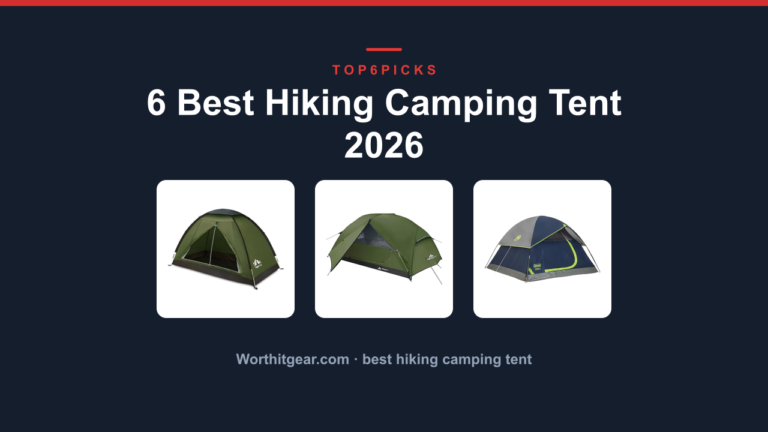
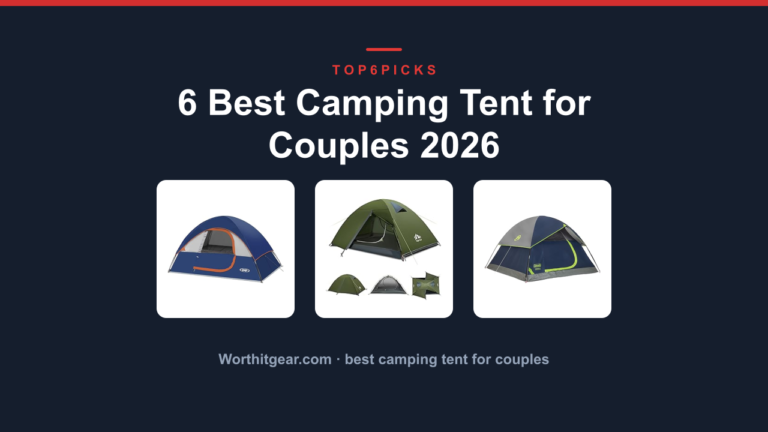
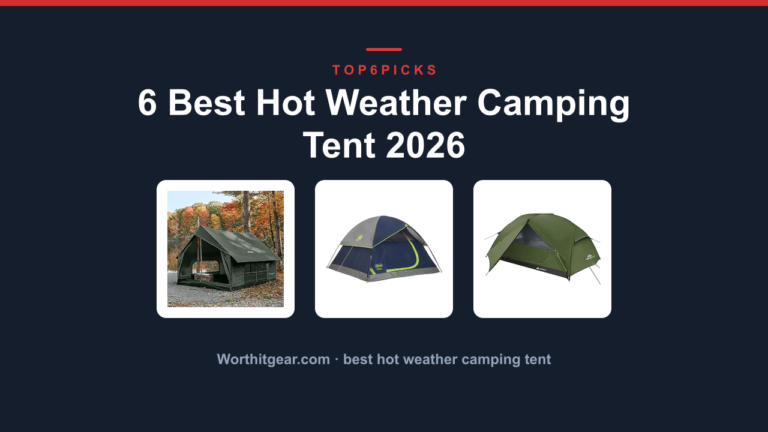
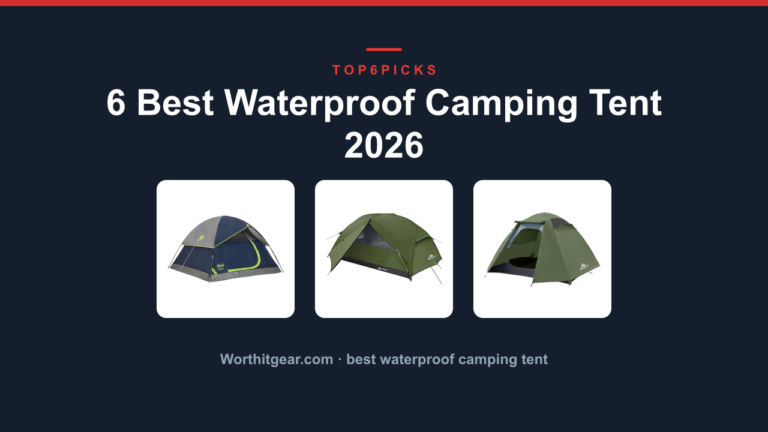
- Coleman Sundome Camping Tent Rainfly (Best for Families and Weekend Campers): Proven weatherproof build with a 10-minute setup.
- 1/2 Person 4 Season Backpacking Tent (Best for Solo Backpackers): Lightweight 4-season protection at a budget-friendly price point.
- Clostnature 4 Season Backpacking Tent (Best for Winter Camping): Established brand with aluminum poles and high waterproofing.
- Forceatt Tent 2 3 Person is (Best Budget 3-Season Plus): Great value for three-season trips with a bit of weather margin.
- BISINNA 4 Season Tent Backpacking Winter (Best for 2-Person Winter Trips): Double-layer all-season tent with solid buyer feedback.
- 6 Person Tents Camping Waterproof Family (Best for Large Families): Spacious instant cabin that sets up in about 60 seconds.
Thinking about a tent for extreme mountaineering or ultralight thru-hiking instead? Jump to Who Should NOT Buy below before you spend anything.
Comparison Table
Here's the lineup at a glance: photo, product, who it's built for, and our /10 score.
| Photo | Product | Best for | Score | Buy |
|---|---|---|---|---|
 | Coleman Sundome Camping Tent Rainfly | Families and Weekend Campers | 8.7/10 | Check price → |
 | 1/2 Person 4 Season Backpacking Tent | Solo Backpackers | 8.2/10 | Check price → |
 | Clostnature 4 Season Backpacking Tent | Winter Camping | 8.5/10 | Check price → |
 | Forceatt Tent 2 3 Person is | Budget 3-Season Plus | 8.0/10 | Check price → |
 | BISINNA 4 Season Tent Backpacking Winter | 2-Person Winter Trips | 8.3/10 | Check price → |
 | 6 Person Tents Camping Waterproof Family | Large Families | 7.9/10 | Check price → |
Scroll sideways on small screens to see every column.
Coleman Sundome Camping Tent Rainfly: Best Overall for Families and Weekend Campers
1/2 Person 4 Season Backpacking Tent: Best Lightweight Winter Shelter for Solo Adventurers
Clostnature 4 Season Backpacking Tent: Best All-Season Shelter for Two People
Forceatt Tent 2 3 Person is: Best Budget-Friendly Option for 3-Season Plus
BISINNA 4 Season Tent Backpacking Winter: Best All-Season Two-Person Shelter for Serious Weather
6 Person Tents Camping Waterproof Family: Best Instant Cabin for Large Groups Who Hate Setup
Buying Guide: Rainfly Coverage, Waterproof Ratings, Poles, and Ventilation
The six tents above all claim weather protection, but they go about it differently. Here's how to separate marketing from real storm readiness.
What Does a Waterproof Rating Actually Tell You?
Waterproof ratings on tent flys are measured in millimeters of water column pressure. A rating of PU3000 means the fabric can withstand a 3000mm column of water pressing on it before leaking. For reference, a heavy rainstorm exerts far less pressure than that, so PU3000 is generally fine for rain.
The 1/2 Person 4 Season Backpacking Tent and the Clostnature 4 Season Backpacking Tent both spec PU5000, which is a solid number for sleet and melting snow. The Coleman Sundome doesn't publish a PU number, but its WeatherTec system with welded floors has a long track record of keeping families dry.
The number on the fly matters, but so does the seam construction. A PU5000 fly with unsealed seams will leak before a PU3000 fly with properly taped seams. That's why buyer reviews are so useful, they catch the gap between spec sheet and reality.
Full Rainfly vs. Partial Rainfly: The Key Decision
This is the single most important feature check before you buy. A partial rainfly leaves the top of the tent exposed, which is fine for a summer sprinkle but not for a real storm. The 6 Person Tents Camping Waterproof Family stands out because a full rainfly on a large cabin tent is rare at this price.
The Forceatt and the BISINNA both use full coverage flys that extend lower, which blocks wind blown rain from getting under the edge.
When you see a tent with a small "dune cap" style fly, treat it as a sunshade, not a weather shelter. For bad weather camping, you want a fly that covers the majority of the tent, ideally down to within a few inches of the ground on the windward side.
Poles, Shape, and Weight: How to Judge Wind Resistance
Pole material matters more than you might think. Fiberglass poles bend and can splinter under severe gusts. Aluminum alloy poles are stronger, lighter, and hold their shape better in sustained wind.
All of the tents on this list except the Coleman use aluminum, and even the Coleman's fiberglass frame has been proven adequate for typical campground wind in buyer reviews.
The shape of the tent also affects wind behavior. Dome shapes shed wind predictably, while tall cabin tents act like sails. That's not a reason to avoid a cabin tent, but it means you need to orient it correctly and stake it down properly.
If you camp in truly exposed areas above treeline, look for a geodesic or tunnel design instead.
Ventilation and Condensation in Cold Rain
The uncomfortable truth is that a well sealed waterproof tent traps moisture inside. Your breath and body heat turn into condensation on the inner walls. A tent with a double wall design, meaning a separate rainfly over a mesh inner, gives condensation a place to go.
The BISINNA 4 Season Tent Backpacking Winter and the Clostnature 4 Season Backpacking Tent both use this double wall approach effectively.
If you're buying a single wall tent for weight savings, you're signing up for condensation management as a hobby. For most campers, a double wall tent is the right call when bad weather is on the forecast.
Who Should NOT Buy Best Camping Tent for Bad Weather
This category is the wrong purchase for a few specific types of buyers. Here's who they are, and what to look at instead.
You Need a Tent for Extreme Mountaineering
If your plan involves camping above 10,000 feet, glacier traverses, or sustained winds above 50 mph, a general "4 season" tent from this list won't cut it. These tents are built for winter car camping and backpacking in a forest, not for alpine expeditions. They don't have the beefy pole structure or specialized geometry of a true expedition tent, and a failure up there is not a nuisance, it's a safety issue.
What to look at instead: a dedicated mountaineering tent from brands like Hilleberg, The North Face, or Mountain Hardwear, or check the top picks on our camping tent guide for more rugged options.
You Need a Featherweight Shelter for Thru-Hiking
A 4 season tent is heavier than a 3 season tent because it carries more fabric and stronger poles. If you're trying to keep your base weight under 10 pounds, a 4 season tent will blow that budget fast. The 1/2 Person 4 Season Backpacking Tent is the lightest on this list, but it's still not in ultralight territory.
What to look at instead: a trekking pole shelter like a tarp tent or a dedicated 3 season single wall ultralight tent. You'll sacrifice a bit of comfort in a downpour, but you'll save multiple pounds on your back.
You're on a Strict Budget and Only Camp in Mild Weather
If your "bad weather" means a passing shower and you camp exclusively in summer, you're overpaying for features you'll never use. The PU5000 ratings and snow skirts are wasted on a July weekend at a state park. A simple, well ventilated 3 season tent will do everything you need for less money.
What to look at instead: a straightforward dome tent with a full rainfly from a brand like ALPS Mountaineering or Eureka, or browse the affordable options in our camping tent review to find something lighter on the wallet.
Final Verdict
For most people, the Coleman Sundome Camping Tent Rainfly is the best bad weather tent you can buy. It combines a proven waterproof system, genuinely easy setup, and enough space for a family at a price that won't make you wince. The tradeoffs around stake quality and center height are worth accepting for the overall reliability.
Want something you can carry on your back instead? The 1/2 Person 4 Season Backpacking Tent gives you true winter protection at a reasonable weight. Need a bit more room for two people in the snow?
The Clostnature 4 Season Backpacking Tent is the balanced pick with its two vestibules and proven aluminum poles. Have a big family that hates setup? The 6 Person Tents Camping Waterproof Family gets everyone under a full rainfly in about a minute.
Before you spend anything, take a look at the Who Should NOT Buy section above. If your trip is more expedition than weekend, a general bad weather tent might not be the tool you actually need. And if you're looking to compare against a broader range of camping tents for different trips, our categorized tent recommendations will help you round out the decision.
FAQ
What's the best Camping Tent for Bad Weather overall?
The Coleman Sundome Camping Tent Rainfly is the best overall pick. It pairs a reliable waterproof design with fast setup and proven owner satisfaction, making it the safest bet for most families and weekend campers.
Is a 4 season tent worth it for just summer rain?
No. A 4 season tent is heavier and pricier than you need for summer showers. A good 3 season tent with a full rainfly handles all but the most extreme weather.
You'll save money and weight by skipping the extra winter features.
How much rain can a PU5000 tent handle?
PU5000 is a high waterproofing rating. It can handle prolonged heavy rain and even wet snow without the fly fabric leaking. The bigger risk is at the seams and the floor, which is why seam sealing and a footprint matter, regardless of the PU number.
Can a cheap tent survive a thunderstorm?
Some can, but it's a gamble. The deciding factors are stake quality, pole rigidity, and whether the rainfly covers the whole tent. A budget tent with a tiny rainfly will soak you, while a budget tent with a full fly and aluminum poles has a much better chance.
The Forceatt Tent 2 3 Person is is a good example of the latter.
How do I stop condensation inside my tent?
Crack a vent or open a door slightly before you go to sleep. Your breath adds humidity all night, and a sealed tent has nowhere for it to go. Picking a double wall tent also helps, since the gap between the fly and inner lets moisture escape.
What's the difference between 3 season and 4 season tents?
A 3 season tent is built for spring, summer, and fall conditions. It typically has more mesh for ventilation and lighter poles. A 4 season tent adds stronger poles, a full coverage fly, and a snow skirt to handle winter storms and snow loads.
The tradeoff is less airflow and more weight.