Best Cycling Gloves: Top Picks For Comfort And Safety
The best cycling gloves combine grip, comfort, padding, breathability, and a secure fit for safer rides.
A long ride can turn small problems into big ones. Sweat makes the bars slippery, road buzz numbs your hands, and one quick fall can scrape your palms. I have found that the right cycling gloves act like a quiet layer of armor. They help you hold the bar with less strain while keeping your hands cooler and more comfortable. In this guide, I compare six popular options for road cycling, mountain biking, commuting, and casual rides. I focus on fit, padding, grip, ventilation, ease of removal, and value so you can choose with confidence.

HTZPLOO Bike Gloves – Cycling…
These Bike gloves with effective shock-absorbing padding protection ,relieve hand fatigue and reduce road vibration Our cycling gloves provide Anti-slip silicone gel on the palm,increase your grip and help you…
Lamicall Bike Gloves for Men…
【Breathable & Flexible】The back of the hand is made with moisture-wicking stretch Lycra and breathable mesh to keep your hands cool and dry. We’ve added extra air holes on the…
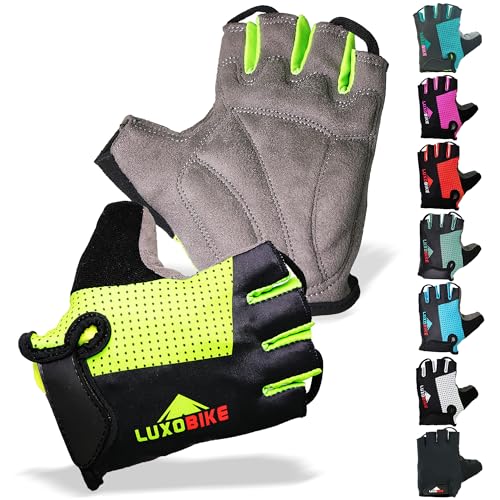
LuxoBike Bike Gloves for Men…
IMPACT RESISTANCE: Ride with confidence knowing our mtb gloves for men provide exceptional hand protection against falls and impacts, minimizing the risk of injury and numbness even during the most…
HTZPLOO Bike Gloves

The HTZPLOO bike gloves offer a simple design for riders who want basic hand protection without extra bulk. The half-finger cut leaves your fingertips open for shifting, braking, and using a phone at a stop. Their padded palm helps soften road vibration, which can make a clear difference on rough pavement and long bike paths. The anti-slip surface also helps your hands stay steady when the ride gets warm.
I see these gloves as a strong value choice for casual riders, commuters, and new cyclists. The lightweight build does not feel overly warm during mild or hot weather. The hook-and-loop wrist closure helps you create a snug fit, while pull tabs can make removal easier after a sweaty ride. As with any budget glove, careful sizing matters because a loose palm can reduce control and create folds.
Pros:
- Padded palm helps reduce road vibration
- Half-finger design supports easy brake and gear control
- Anti-slip surface improves handlebar grip
- Lightweight construction suits warm-weather rides
- Useful for men and women
- Wrist closure helps create a secure fit
- Good value for casual cycling and commuting
Cons:
- Limited protection compared with full-finger mountain bike gloves
- Padding may feel basic for very long or highly technical rides
- Fit can vary by hand shape, so measuring is important
My Recommendation
I recommend the HTZPLOO gloves for riders who want affordable comfort and grip for daily cycling. They are especially useful for beginners, fitness riders, and commuters who spend most of their time on paved roads. The open fingers make them easy to use with brake levers and touch screens. If you need the Best Cycling Gloves for simple rides without a high price, this pair offers a practical starting point.
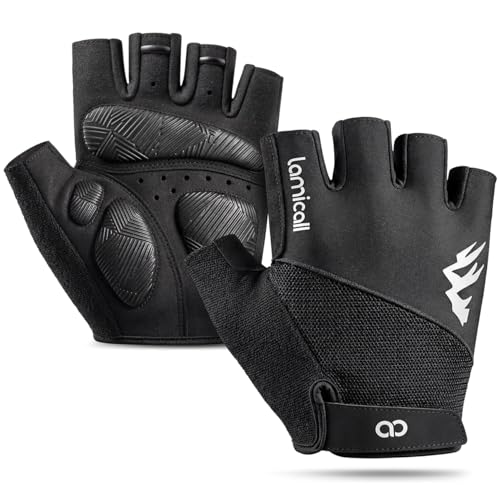
Lamicall Bike Gloves

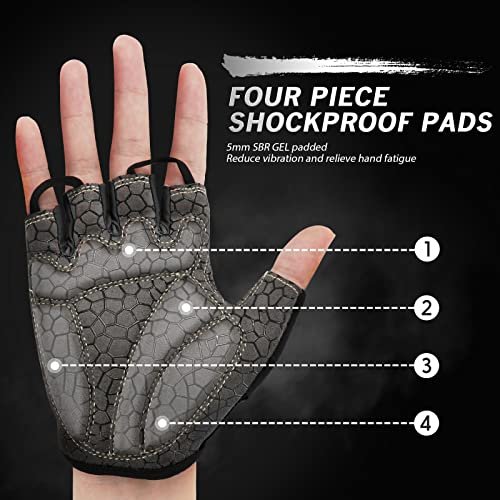
Lamicall bike gloves focus on comfort at the contact point between your hands and the bars. Their shock-absorbing palm padding helps take the edge off bumps, cracks, and rough bike-trail surfaces. The anti-slip palm gives you a more planted feel when you change hand position or ride over uneven ground. The half-finger shape also keeps your hands free for quick control.
These gloves may appeal to riders who want a soft, flexible feel instead of a stiff protective shell. The breathable style works well for summer rides, indoor cycling sessions, and everyday errands. I also like this type of glove for riders who often suffer from hand fatigue because the padding can spread pressure across the palm. Still, riders with very wide hands should check the size chart before ordering.
Pros:
- Shock-absorbing palm padding supports longer rides
- Anti-slip material helps maintain bar control
- Half-finger style allows natural finger movement
- Breathable design suits warm conditions
- Comfortable option for road, fitness, and city cycling
- Flexible construction does not restrict hand movement
- Designed for both men and women
Cons:
- Half-finger coverage leaves the fingertips exposed
- Not the best match for cold-weather riding
- Padding may not satisfy riders who prefer thick gel inserts
My Recommendation
I would choose the Lamicall gloves for road riders and commuters who want a soft, light glove with useful palm support. They work best on paved routes, bike lanes, and moderate trails rather than aggressive downhill terrain. Riders who feel pressure near the base of the thumb may appreciate the padded contact area. For many people, this is one of the Best Cycling Gloves choices when comfort and a flexible fit matter most.
LuxoBike Padded Bike Gloves

The LuxoBike cycling gloves are built around padded palm comfort, ventilation, and everyday grip. They use a half-finger layout, so riders can move their fingers freely while keeping the main pressure points covered. The palm padding helps reduce the sharp feel of vibration from handlebars, especially on older roads or hard-packed paths. An anti-slip surface adds confidence when the bars become damp.
This pair is a good fit for mountain bikers, e-bike riders, and recreational cyclists who want more cushioning than a very thin glove provides. The breathable construction can help limit the hot, damp feeling that often develops inside low-quality gloves. I would use them for trail rides with moderate technical demand, but I would not treat them as a substitute for full-finger gloves with reinforced knuckle protection. Their strongest feature is balanced comfort for a broad range of riding styles.
Pros:
- Padded palm helps cushion bumps and bar vibration
- Anti-slip surface supports steady steering
- Breathable design helps release heat
- Half-finger cut improves finger mobility
- Suitable for mountain bikes and e-bikes
- Useful for recreational and fitness rides
- Comfortable balance of padding and flexibility
Cons:
- Does not fully protect fingers or knuckles
- May feel warm for some riders in extreme heat
- Trail riders may want stronger abrasion protection
My Recommendation
I recommend LuxoBike gloves for riders who split their time between pavement, bike paths, and light trails. They make sense for e-bike users because the padding can help during longer rides at a steady pace. They are also a useful choice for people who want a little more cushion without moving to a bulky full-finger glove. If you want versatile Best Cycling Gloves for recreational use, this model deserves a close look.
Giro Bravo II Gel Bike Gloves

The Giro Bravo II Gel gloves are aimed at riders who want established cycling design and extra palm cushioning. Gel padding helps soften repeated impact from road seams, small potholes, and rough pavement. The half-finger cut keeps the controls easy to reach, while the glove shape supports a natural riding position. Giro also includes practical details that can make a difference during regular use, such as a secure wrist fit and sweat-management features.
In my experience, gel gloves work best when the padding lines up with your hand and your riding position. They can reduce pressure, but they cannot fix a poor bike fit or bars that sit too low. The Bravo II is a strong road and fitness option for riders who spend several hours in the saddle. It may feel more structured than a soft budget glove, but that extra structure can improve support on longer routes.
Pros:
- Gel palm padding helps reduce pressure and vibration
- Good match for road and endurance riding
- Half-finger design supports precise control
- Recognized cycling brand with a performance focus
- Secure wrist design helps prevent slipping
- Useful for riders who spend hours on the bike
- Stylish Sapphire color adds visual appeal
Cons:
- May cost more than basic cycling gloves
- Gel padding can feel too firm for riders who prefer a thin glove
- Half-finger coverage offers limited fall protection
My Recommendation
The Giro Bravo II is one of my top choices for road cyclists, endurance riders, and anyone who often feels palm pressure. It offers a more refined feel than many low-cost gloves, especially when the size and padding position are correct. I would pair it with a proper bike fit for the best result. For riders seeking the Best Cycling Gloves for long paved rides, the Bravo II is a dependable option with strong comfort value.
INBIKE Mountain Bike Gloves
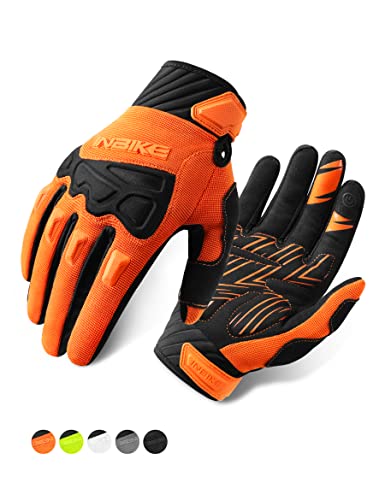
The INBIKE mountain bike gloves take a more protective approach than the half-finger road models in this review. Their full-finger coverage helps shield the hands from branches, dust, and light contact with the ground. Knuckle guards add another layer for trail riding, while the padded palm supports grip and comfort. This design fits riders who want more coverage during technical or unpredictable rides.
Full-finger gloves can also help prevent blisters because they create a barrier between the hand and the bar. They are useful in cooler weather, though the added material may feel warm during a hot summer climb. I would look closely at dexterity when choosing this style because a glove should not slow braking or shifting. The INBIKE design is most appealing to trail riders who place protection above a barely-there feel.
Pros:
- Full-finger coverage protects more of the hand
- Knuckle guards add useful trail protection
- Padded palm helps improve comfort on rough terrain
- Helps reduce scrapes from branches and minor falls
- Good option for mountain biking and trail use
- Can provide extra warmth in cool conditions
- Supports a secure grip during active riding
Cons:
- Warmer than half-finger gloves in hot weather
- Full-finger design may reduce touch-screen convenience
- Protective features can feel bulkier than road gloves
My Recommendation
I recommend the INBIKE gloves for mountain bikers, trail riders, and riders who want more hand coverage. They are a better choice than half-finger gloves when branches, gravel, or occasional falls are part of the ride. The knuckle protection gives added peace of mind, but riders should still wear a helmet and use safe riding skills. For off-road use, these may be among the Best Cycling Gloves for protection and control.
Giro Jag Road Cycling Gloves

The Giro Jag gloves target road riders who prefer a clean, light, and close-fitting design. The half-finger cut gives easy access to brake levers and shifters. Its palm padding helps take the sting out of road vibration without making the glove feel overly thick. The black color also gives it a simple look that works with almost any cycling kit.
I like this type of glove for riders who want reliable daily performance rather than heavy trail armor. A close fit helps reduce bunching, which can become irritating during a long ride. The glove should feel snug but not tight around the wrist or fingers. If you ride mostly on smooth roads and value a streamlined feel, the Jag is a sensible and well-balanced choice.
Pros:
- Light design suits road cycling
- Half-finger layout supports fast control changes
- Palm padding helps reduce road buzz
- Close fit can limit bunching and hot spots
- Simple black style matches most cycling clothing
- Good choice for daily training and commuting
- Performance-focused design from Giro
Cons:
- Not designed for strong knuckle or finger protection
- May feel too light for rough mountain trails
- Riders with broad hands should check sizing carefully
My Recommendation
The Giro Jag is best for road cyclists, club riders, commuters, and fitness riders who want a light glove with useful palm padding. It offers a clean feel for riders who dislike bulky handwear. I would choose it for paved routes, daily training, and long weekend rides. If a streamlined fit ranks high on your list of Best Cycling Gloves features, this model is worth considering.
How I Choose the Best Cycling Gloves
A cycling glove should do more than look sporty. It should solve real problems at the handlebar, such as pressure, sweat, vibration, and loss of grip. I look at how the glove behaves after the first hour, not just how it feels for five minutes in a store. Comfort matters because small seams and tight spots become much more noticeable as the miles add up.
I also consider the type of bike and terrain. A road glove usually needs light padding, airflow, and easy control. A mountain bike glove needs more coverage, better abrasion resistance, and secure material around the fingers. A commuter may want a mix of comfort, visibility, and quick removal.
Palm Padding and Pressure Relief
Palm padding is one of the main reasons cyclists buy gloves. The padding sits between the hand and the bar, so it can soften vibration and reduce pressure. Gel, foam, and synthetic padding each have a different feel. Thick padding is not always better because too much material can make the hand feel unstable.
The best design places padding under common pressure zones without blocking natural hand movement. If you often feel tingling, numbness, or pain, gloves may help, but they are not the only answer. Check your saddle height, reach, bar angle, and hand position too. Medical guidance often treats repeated hand numbness as a signal to adjust position and take breaks, rather than simply adding thicker padding.
Grip and Handlebar Control
A glove should help your hand stay on the bar without forcing you to squeeze too hard. Silicone prints, textured synthetic leather, and rubber-like palm panels can improve grip. This matters most in rain, sweat, fast descents, and rough trail sections.
Good grip should still allow small adjustments. I do not want a palm that sticks so strongly that it makes hand movement awkward. The right glove feels secure but natural. It should work with flat bars, drop bars, and e-bike controls.
Half-Finger Versus Full-Finger Gloves
Half-finger gloves expose the fingertips. They feel cool and make it easy to shift, brake, and handle small items. They are popular for road rides, commuting, fitness cycling, and warm weather.
Full-finger gloves cover the whole hand. They offer better protection from branches, gravel, insects, and minor scrapes. Many mountain bike gloves use this design, and some include knuckle guards. The trade-off is extra warmth and a little less touch-screen access.
Breathability and Sweat Control
Hot hands can become slippery hands. Breathable mesh, perforated palms, and moisture-moving fabric help release heat. These features are especially helpful in humid areas and during hard climbs.
Breathability does not mean the glove must be thin everywhere. A good glove can use airy fabric on the back while keeping stronger material on the palm. I also look for a soft thumb panel because cyclists often use it to wipe sweat from the face.
Fit and Sizing
Fit often decides whether a glove feels premium or annoying. Measure around the widest part of your hand and compare that number with the brand’s chart. If your fingers are long but your palm is narrow, pay close attention to finger length and wrist closure.
A cycling glove should fit close to the skin. It should not cut into the wrist, pinch between the fingers, or leave excess fabric at the palm. A loose glove can bunch and cause blisters. A tight glove can restrict blood flow and make your hands feel numb.
Wrist Closures and Easy Removal
Hook-and-loop closures help adjust the fit. They also make it easier to remove gloves when your hands are sweaty. Pull tabs are another small feature that can save time after a ride.
The closure should stay flat and should not scratch the opposite wrist. It should also hold firm when you grip the bars. If the strap loosens during a ride, the glove can shift and create pressure in the wrong place.
Durability and Care
Sweat, sunscreen, dust, and road grime can wear out cycling gloves. Follow the care label and wash them after hard rides when possible. Most fabric cycling gloves do best with cool water, mild detergent, and air drying.
Do not place wet gloves on a hot radiator or use high heat unless the care instructions allow it. Heat can weaken elastic fibers, damage synthetic materials, and shrink the fit. Turn gloves inside out when practical and close hook-and-loop straps before washing to reduce snags.
Best Cycling Gloves Buying Guide for 2026
In 2026, riders have more choices than ever, but the basic buying rules remain simple. Start with the ride you actually do. Do not buy a heavy downhill glove if you ride a road bike on smooth pavement. Do not choose a thin road glove if your trail rides include frequent falls and brush.
Think about weather, distance, and control. A summer rider may value ventilation more than warmth. A winter commuter may need insulation and a longer cuff. Someone with hand pain may need padding, a better bike fit, and a glove that does not compress the wrist.
For Road Cycling
Road riders usually benefit from half-finger gloves with light or medium padding. A low-profile palm keeps the hand close to the bar. Breathable back fabric helps during climbs, while a sweat-wipe thumb adds comfort.
The Giro Bravo II and Giro Jag are strong choices in this group. The Bravo II makes more sense for riders who want gel support. The Jag suits riders who prefer a lighter road feel.
For Mountain Biking
Mountain bikers should consider full-finger gloves. They protect against branches, dust, and accidental contact with the ground. A grippy palm helps when the trail becomes steep or wet. Knuckle protection can add confidence, but it should not restrict brake control.
The INBIKE model is the clearest match for this use. LuxoBike can work for moderate trails when you want a half-finger design with padding and airflow.
For Commuting
Commuters need comfort and easy control. Half-finger gloves can help prevent blisters on daily rides. Look for a secure closure, a durable palm, and enough padding for rough city streets.
HTZPLOO and Lamicall are practical commuter picks. Both focus on grip and palm comfort without adding the bulk of a protective trail glove.
For E-Bike Riding
E-bike riders often spend longer periods on the bike, so comfort can matter more than weight. A padded palm can help on long trips, while a secure grip supports confident steering. Full-finger gloves may be useful if you ride on trails or in cool weather.
LuxoBike is a versatile option for mixed e-bike use. Lamicall may suit riders who mostly travel on paved paths and want a soft, flexible glove.
For Hot and Humid Weather
Choose a glove with mesh on the back, perforated palm sections, and a short or moderate cuff. Avoid thick insulation and heavy protective panels unless your route requires them. Half-finger gloves usually feel cooler, but they leave the fingertips exposed.
Remember that no glove can stop all sweat. Keep a small towel nearby, wash the gloves often, and adjust your grip instead of squeezing the bars. Relaxed hands stay cooler and reduce fatigue.
For Cool Weather
Full-finger gloves provide more coverage than half-finger models. However, standard cycling gloves may not be warm enough for winter. In very cold weather, look for insulated cycling gloves with wind protection and enough room for movement.
Do not wear a glove so tight that it reduces circulation. Cold hands can become stiff, and stiff fingers make braking less precise. Test your controls before starting a cold-weather ride.
Best Features for Different Riders
| Best for | Why |
|---|---|
| Road and endurance riders | Gel or foam palm padding helps reduce pressure during long paved rides. |
| Mountain and trail riders | Full-finger coverage, knuckle guards, and a grippy palm add useful protection. |
| Commuters and casual cyclists | Light half-finger gloves offer comfort, grip, and simple everyday value. |
Common Cycling Glove Mistakes
Buying the Wrong Size
Many riders choose gloves based on a shirt or shoe size. That method often fails because hand shapes vary. Measure your hand and check the product chart before ordering.
Choosing Padding Without Checking Placement
A thick palm does not guarantee comfort. If the padding sits in the wrong place, it can create new pressure. Look for a glove that matches your normal hand position on the bars.
Ignoring the Weather
A glove that feels great in spring may feel too warm in July. Likewise, a breathable half-finger glove will not offer much help on a cold winter morning. Match the material and coverage to the season.
Expecting Gloves to Fix Bike Fit
Gloves can reduce vibration, but they cannot correct a poor reach or an uneven saddle position. If you feel regular numbness, adjust the bike and consider advice from a qualified bike fitter or health professional. Use gloves as one part of a comfort plan.
Failing to Wash Them
Dirty gloves collect sweat and salt. That buildup can cause odor, skin irritation, and faster fabric wear. Wash them often and let them dry fully before storing them.
How to Test Cycling Gloves on a Ride
Start with a short ride before using new gloves on a long event. Check whether the fingers bend without pulling at the seams. Make sure you can reach the brakes and shifters without changing your grip.
After 20 to 30 minutes, notice any hot spots. Look at the base of the thumb, the center of the palm, and the wrist. If the glove twists, slips, or causes tingling, stop and adjust it. A small fit problem rarely improves after several more hours.
I also suggest testing removal. Pull the glove off using the tabs rather than yanking the fingers. This protects the seams and makes the gloves last longer. If you ride in changing weather, test how easily you can remove or replace them while standing safely off the road.
Are Padded Cycling Gloves Worth It?
For many cyclists, yes. Padded gloves can make the bars feel less harsh and may help reduce palm pressure. They also provide a barrier against friction and minor scrapes.
Still, padding is not magic. Very thick padding can reduce bar feel or shift under the hand. Choose a moderate amount unless you know that you need more. The Best Cycling Gloves are the ones that fit your hands, riding style, and terrain.
Half-Finger or Full-Finger: Which Is Better?
Neither style wins for every rider. Half-finger gloves are cooler and make control access simple. Full-finger gloves provide more coverage and suit trails, cooler days, and riders who want added protection.
Many cyclists keep both styles in their gear bag. That approach makes sense because weather and routes change. Use half-finger gloves for a hot road ride and full-finger gloves for a wooded trail.
FAQs Of Best Cycling Gloves
What are the Best Cycling Gloves for beginners?
Beginners often do well with lightweight half-finger gloves that include palm padding and an anti-slip surface. HTZPLOO and Lamicall are practical starting options for paved rides and commuting.
Do cycling gloves help with numb hands?
They may help reduce vibration and pressure, but numbness can also come from bike fit, wrist position, or excessive grip force. Adjust your position and consult a health professional if numbness continues.
Should mountain bike gloves cover the fingers?
Full-finger gloves are usually better for mountain biking because they protect against branches, dirt, and scrapes. They also offer more coverage during a minor fall.
How tight should cycling gloves fit?
They should fit snugly without restricting circulation. The palm should not bunch, and the fingers should not feel cramped. A secure wrist closure should hold the glove in place without digging into the skin.
How do I wash cycling gloves?
Follow the care label. In many cases, cool water, mild detergent, and air drying work well. Close hook-and-loop straps before washing and avoid high heat unless the manufacturer permits it.
Final Verdict: Which Should You Buy?
The Giro Bravo II is my top overall pick for long road rides because its gel padding, fit, and control-friendly design balance comfort and performance. Choose INBIKE for trail protection, or HTZPLOO for simple daily value.
The Best Cycling Gloves should match your hands, route, and weather. Check sizing, compare padding, and choose the coverage that helps you ride with less pain and more control.