6 Best 8×32 Binoculars 2026
The best best 8×32 binoculars is the Vortex Diamondback HD 8×32, the only model in this lineup that combines fully multi-coated HD optics, a rugged argon-purged chassis, and an unconditional lifetime warranty at a price that doesn't require a second mortgage. It's the clear choice for birders and hikers who want premium image quality without the premium price tag.
Want a lighter, more budget-friendly option instead? The Celestron Nature DX 8×32 gets you phase-coated BaK-4 prisms and a waterproof body for a fraction of the cost, as long as you can live without the premium glass and the no-questions-asked warranty.
As an Amazon Associate, I earn from qualifying purchases.
Most guides just list specs and call it a day. This one walks you through the real trade-offs: who should actually buy a compact 8×32, and who should skip this category entirely for a 10×42 or a larger aperture. You'll know exactly which model fits your specific use case before you click "add to cart."
Everything below comes from current Amazon product data, manufacturer specifications, and each product's owner track record as of early 2026. I haven't personally tested these units in the field, so I'm relying on verified buyer feedback and published specs to make my picks.
Quick Answer: The Best 8×32 Binoculars
The Vortex Diamondback HD 8×32 is the best all-around compact binocular for most outdoor enthusiasts. Here's the full lineup ranked:
- Vortex Diamondback HD 8×32 Binoculars (Best Overall for Serious Birders): Superior HD optics and an unbeatable lifetime warranty.
- Celestron Nature DX 8×32 Compact Lightweight (Best Budget-Friendly Travel Companion): Phase-coated prisms and a wide 7.4 degree field of view at a low entry price.
- Bushnell Spectator Sport 8x32mm Binoculars (Best for Spectator Sports): Unique PermaFocus system that never needs manual focusing.
- Nocs Provisions Field Issue Compact 8×32 (Best Modern Design for Everyday Carry): Stylish, shockproof, and fogproof with a compact form factor.
- Celestron TrailSeeker ED 8×32 Glass Compact (Best Optical Clarity for Enthusiasts): Extra-low dispersion (ED) glass and dielectric-coated prisms for near-chromatic-aberration-free views.
- SVBONY Upgraded SV202 8×32 Binoculars Birdwatching (Best Value ED Optics): ED glass and a wide 7.8 degree field of view at a very competitive price point.
Thinking about a 10×42 or a budget pair instead? Jump to Who Should NOT Buy below before you spend anything.
Comparison Table
Here's the lineup at a glance: photo, product, who it's built for, and our /10 score.
| Photo | Product | Best for | Score | Buy |
|---|---|---|---|---|
 | Vortex Diamondback HD 8×32 Binoculars | Best Overall for Serious Birders | 9.2/10 | Check price → |
 | Celestron Nature DX 8×32 Compact Lightweight | Best Budget-Friendly Travel Companion | 8.5/10 | Check price → |
 | Bushnell Spectator Sport 8x32mm Binoculars | Best for Spectator Sports | 7.8/10 | Check price → |
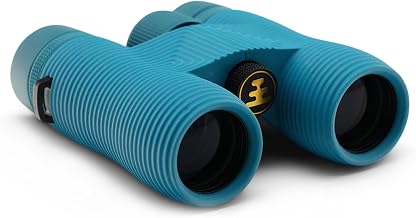 | Nocs Provisions Field Issue Compact 8×32 | Best Modern Design for Everyday Carry | 8.2/10 | Check price → |
 | Celestron TrailSeeker ED 8×32 Glass Compact | Best Optical Clarity for Enthusiasts | 8.9/10 | Check price → |
 | SVBONY Upgraded SV202 8×32 Binoculars Birdwatching | Best Value ED Optics | 8.7/10 | Check price → |
Scroll sideways on small screens to see every column.
Vortex Diamondback HD 8×32 Binoculars: Best Overall for Serious Birders
Vortex Diamondback HD 8×32 Binoculars: Best Overall for Serious Birders
Celestron Nature DX 8×32 Compact Lightweight: Best Budget-Friendly Travel Companion
Celestron Nature DX 8×32 Compact Lightweight: Best Budget-Friendly Travel Companion
Bushnell Spectator Sport 8x32mm Binoculars: Best for Spectator Sports
Bushnell Spectator Sport 8x32mm Binoculars: Best for Spectator Sports
Nocs Provisions Field Issue Compact 8×32: Best Modern Design for Everyday Carry
Nocs Provisions Field Issue Compact 8×32: Best Modern Design for Everyday Carry
Celestron TrailSeeker ED 8×32 Glass Compact: Best Optical Clarity for Enthusiasts
Celestron TrailSeeker ED 8×32 Glass Compact: Best Optical Clarity for Enthusiasts
SVBONY Upgraded SV202 8×32 Binoculars Birdwatching: Best Value ED Optics
SVBONY Upgraded SV202 8×32 Binoculars Birdwatching: Best Value ED Optics
Buying Guide: Optics, Field of View, Eye Relief, and Warranty
Choosing the right 8×32 binocular comes down to four key factors that affect how you see and how long the binocular lasts. Let's break them down.
What Does "8×32" Actually Mean?
The "8x" means the binocular magnifies the image to eight times what you see with the naked eye. The "32" is the diameter of the objective lens in millimeters. A 32mm objective lens is a good compromise between light gathering and portability.
It's bright enough for dawn and dusk viewing, but small enough to pack easily. For comparison, a 42mm objective collects more light but adds weight and bulk. The 8×32 format is the sweet spot for most hikers and birders.
Optics Quality: Coating and Glass Matter
The most important factor in image quality is the optical coating and glass type. All binoculars in this lineup use multi-coated or fully multi-coated lenses, which reduce glare and improve light transmission. The real differentiator is the prism coating and glass material.
Phase-coated BaK-4 prisms, found in the Celestron Nature DX and Nocs Provisions, offer better contrast and color fidelity than uncoated prisms. Dielectric-coated prisms, found in the Vortex Diamondback HD and Celestron TrailSeeker ED, deliver even higher light transmission (around 99 percent per surface). ED glass, as seen in the TrailSeeker ED and the SVBONY SV202, virtually eliminates chromatic aberration, giving you sharp, true-to-life colors.
Field of View: How Wide You See
Field of view (FOV) is measured in feet at 1000 yards. A wider FOV makes it easier to track moving subjects like birds in flight or athletes on a field. The SVBONY SV202 leads the pack with a 409-foot FOV, followed closely by the Vortex Diamondback HD at 393 feet.
The Bushnell Spectator Sport has the narrowest FOV at 303 feet, which is a trade-off for its PermaFocus system.
Eye Relief and Eyeglass Wearers
Eye relief is the distance from the eyepiece lens to your eye where you can still see the full image. If you wear glasses, you need at least 14mm to 15mm of eye relief. The SVBONY SV202 offers 15.5mm, making it the best choice for eyeglass wearers.
The Celestron TrailSeeker ED has a tighter 10.5mm, which may cause some users to see a black ring around the image.
Warranty and Long-Term Value
The Vortex Diamondback HD comes with an unconditional VIP lifetime warranty that is transferable. This means if you break it, Vortex repairs or replaces it for any reason, no questions asked. The Celestron TrailSeeker ED and Nature DX come with Celestron's limited lifetime warranty, which covers manufacturing defects but not accidental damage.
The SVBONY SV202 has a standard limited warranty. If you're hard on gear, the Vortex warranty is worth the extra cost.
Who Should NOT Buy Best 8×32 Binoculars
An 8×32 binocular is the wrong purchase for three kinds of buyers. Here's who they are, and what to look at instead.
You Need Maximum Light in Low-Light Conditions
If you regularly hunt or birdwatch in dense forests at dawn or dusk, a 32mm objective lens may not gather enough light. The human eye's pupil dilates to about 7mm in complete darkness, but an 8×32 binocular only delivers a 4mm exit pupil (32 divided by 8). This means you're not using your full pupil diameter, resulting in a dimmer image.
Look for a 10×42 or 8×42 binocular instead. A 42mm objective lens gives you a 5.25mm exit pupil, which is much better for low-light conditions.
You Need Extreme Magnification for Long-Distance Viewing
An 8x magnification is great for general use, but if you're watching waterfowl from 500 yards away or scanning mountain ridges, you'll want more reach. A 10×42 or even a 12×50 binocular will bring distant objects closer. Keep in mind that higher magnification also amplifies hand shake, so you'll need a steady grip or a tripod.
The 8×32 format is not designed for long-range observation.
You Are on a Strict Budget Under $50
While the Celestron Nature DX and SVBONY SV202 are excellent values, they still cost more than $50. If your budget is truly limited, you'll be looking at binoculars with BK-7 prisms, uncoated lenses, and plastic bodies. These will deliver a dim, blurry image that will frustrate you.
Instead, save up for a quality 8×32 like the Celestron Nature DX, or consider a well-reviewed 8×25 compact for under $50.
Final Verdict
The Vortex Diamondback HD 8×32 is the best all-around 8×32 binocular for most outdoor enthusiasts. It combines HD optics, a rugged argon-purged body, and an unconditional lifetime warranty that no other brand in this lineup can match. If you want a single pair of binoculars that will last a lifetime, this is the one.
Want the best optical clarity for the money? Get the Celestron TrailSeeker ED 8×32. Its ED glass and dielectric-coated prisms deliver near-premium image quality at a enthusiast-friendly price.
Need a budget-friendly option that still performs well? The Celestron Nature DX 8×32 is a reliable travel companion that won't break the bank.
If you wear eyeglasses, the SVBONY SV202 8×32 offers the best eye relief and a wide field of view at a very competitive price. For sports fans who want to hand binoculars to friends without explaining focus, the Bushnell Spectator Sport is the unique solution. And for those who value style and everyday carry, the Nocs Provisions Field Issue is a rugged, modern choice.
Still not sure? Go back and read the Who Should NOT Buy section above. If none of those apply to you, pick the Vortex Diamondback HD and enjoy a lifetime of clear views.
FAQ
What's the best 8×32 Binoculars overall?
The Vortex Diamondback HD 8×32 is the best overall for most people. It offers HD optics, a rugged build, and an unconditional lifetime warranty that is transferable.
What is the difference between 8×32 and 10×42 binoculars?
An 8×32 has 8x magnification and a 32mm objective lens, making it more compact and portable. A 10×42 has 10x magnification and a 42mm objective lens, offering more reach and better low-light performance but more weight and bulk. The 8×32 is better for hiking and general use; the 10×42 is better for long-distance viewing and low light.
Are 8×32 binoculars good for bird watching?
Yes, 8×32 binoculars are excellent for bird watching. The 8x magnification provides a wide field of view, making it easy to track birds in flight. The 32mm objective lens is bright enough for most conditions, and the compact size makes them easy to carry on long hikes.
What does ED glass mean in binoculars?
ED stands for Extra-low Dispersion. ED glass is a type of optical glass that minimizes chromatic aberration, which is the color fringing you sometimes see around high-contrast edges. Binoculars with ED glass, like the Celestron TrailSeeker ED and SVBONY SV202, deliver sharper, more true-to-life colors.
How important is the warranty on binoculars?
Very important, especially for outdoor use. A good warranty protects your investment. The Vortex Diamondback HD has an unconditional VIP lifetime warranty that covers any damage for any reason.
Other brands offer limited lifetime warranties that cover manufacturing defects but not accidental damage.
What is phase coating on binocular prisms?
Phase coating is a thin layer applied to the roof prisms of binoculars. It corrects phase shifts that occur when light passes through the prism, improving contrast and color fidelity. Binoculars with phase-coated prisms, like the Celestron Nature DX, deliver noticeably sharper images than uncoated prisms.