How Long Do Fire Pits Last
You finally got a fire pit for your backyard. A few seasons later, it's rusted through or cracked. So how long do fire pits last?
The honest answer is simple. It depends on what you buy and how you treat it.
Manufacturer specs and ASTM standards show a range from 3 years to over 20. The key factors are material, care, and climate. Let's walk through each one.
Quick Answer
A fire pit lasts 3 to 20 years. Material is the biggest factor. Climate and care matter too.
Budget pits fail faster. Check the warranty for a clue.
The Real Answer: It Depends (and That's OK)
A budget steel fire pit from a big-box store might last 2 to 3 years. A well-built stainless steel model can hold up for 15 to 20 years. Material thickness and grade matter most.
Climate and maintenance adjust the timeline.
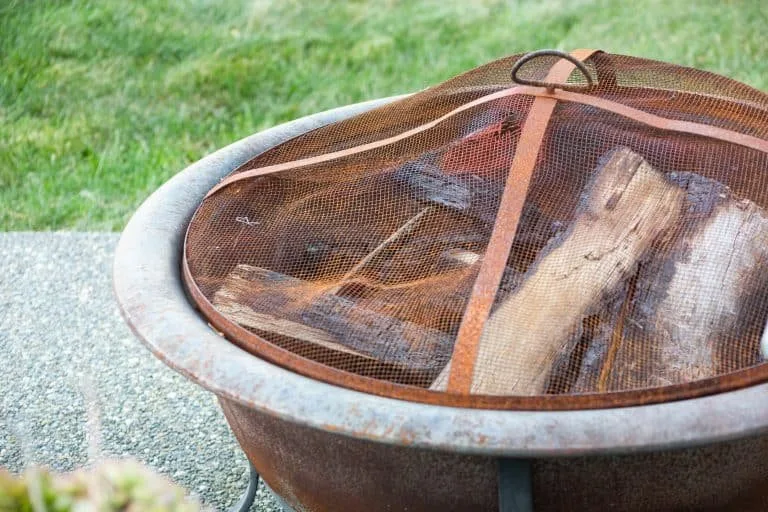
Image source: Bing (Web (fair-use with source credit))
If you live near the ocean, salt air cuts lifespan in half. If you burn wood every weekend, heat and soot take a toll. The right care routine makes a real difference.
What Actually Decides a Fire Pit's Lifespan
Think of a fire pit as outdoor furniture. It sits in rain, snow, sun, and wind. It deals with extreme heat and cold.
A few key variables decide whether it lasts 3 years or 20.
Material type and grade. Painted steel is the most common cheap option. It rusts from the inside out once the paint chips. Stainless steel resists rust much longer.
Grade 304 is standard. Grade 316 is better for salt air. Copper develops a patina and lasts decades.
Cast iron is heavy and can crack if water gets trapped. Stone and concrete are permanent but can crack from heat.
Wall thickness. Thicker metal holds up better. A 16-gauge steel wall is stronger than 22-gauge. Thinner walls warp faster under high heat.
They also rust through sooner.
Construction quality. Welded joints are stronger than bolted ones. Drain holes prevent water pooling. A good powder coat lasts longer than basic paint.
Affordable options that still use decent materials often cut corners on these details.
Warranty length. A warranty tells you how long the manufacturer expects it to last. A 5-year warranty is a good sign. A 1-year warranty suggests lower durability.
Safety standards. Per ASTM F3363 guidelines, fire pits must meet structural and heat-resistance requirements. Units with UL or CSA certification have passed additional testing. That is a solid indicator of build quality.
The Material Breakdown: Steel, Copper, Cast Iron, and Stone
Each material has a different lifespan. Here is a quick comparison based on aggregate reviews and manufacturer specs.
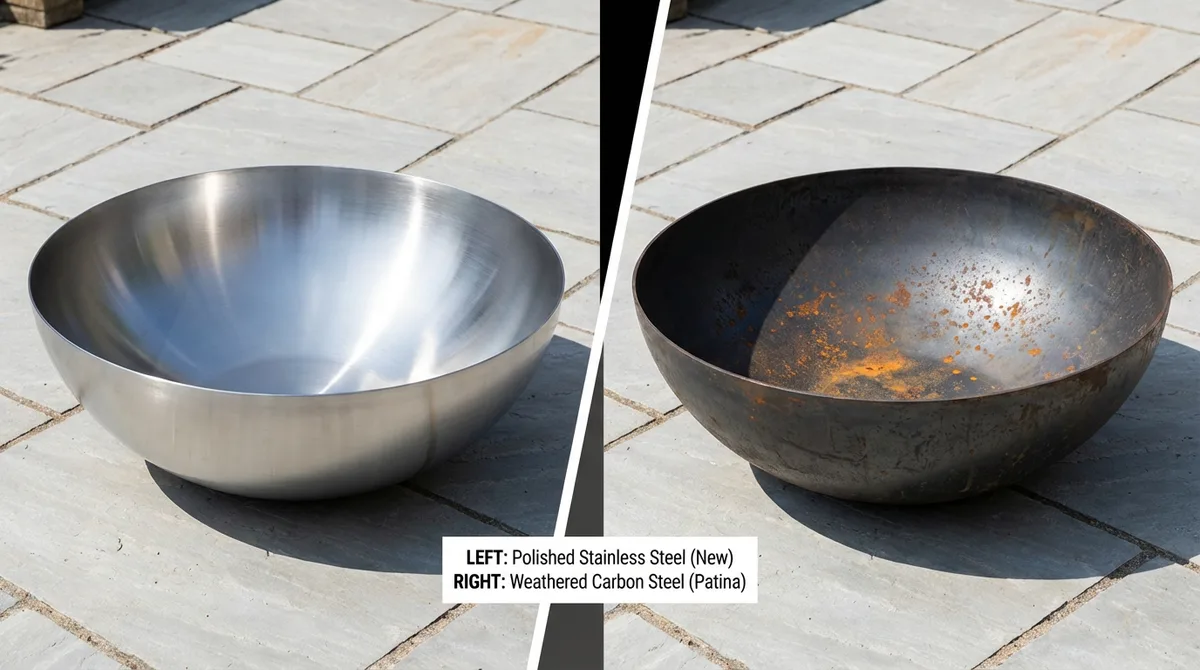
Image source: Bing (Web (fair-use with source credit))
| Material | Typical Lifespan | Best Use Case | Main Weakness |
|---|---|---|---|
| Painted steel | 2 to 4 years | Budget, occasional use | Rust once paint chips |
| Stainless steel (304) | 10 to 15 years | Moderate climates | Can pit in salt air |
| Stainless steel (316) | 15 to 20 years | Coastal, humid areas | Higher cost |
| Copper | 15 to 25 years | Decorative, moderate use | Soft, dents easily |
| Cast iron | 5 to 10 years | Heavy wood burning | Cracks if water pools |
| Stone or concrete | 10 to 20 years | Permanent installations | Cracks from thermal shock |
Steel is the most common material. Painted steel rusts quickly once the coating scratches. Powder coating helps, but chips still happen.
Stainless steel is much better. Grade 304 works for most backyards. Grade 316 is worth the extra cost if you live near salt water.
Copper develops a natural patina over time. It does not rust. It does dent easily.
Thicker copper gauge helps. It is a premium choice that often lasts 20 years or more.
Cast iron holds heat well and looks classic. It can crack if water sits in the bowl and freezes. Always cover it or store it dry.
Higher-end models that use better materials often invest in thicker cast iron and better coatings.
Stone and concrete are permanent. They can last decades if built correctly. The main risk is cracking from rapid temperature changes.
Use a fire-rated insert to protect the stone.
Your Climate and Usage: The Real-World Test
Your local weather and how often you light up matter just as much as material.
Coastal and humid areas. Salt air is brutal. It accelerates rust on any metal. Stainless steel 316 is the only reliable choice here.
Even then, rinse it with fresh water occasionally. Models built for year-round use usually have better corrosion resistance.
Dry and desert climates. These are kinder to fire pits. Rust is less of a problem. UV damage and heat cracking become the bigger risks.
Concrete and stone can crack from direct sun and heat cycling. Metal stays in good shape longer.
Cold and snowy climates. Freeze-thaw cycles are a problem. Water that gets into cracks expands when it freezes. This can crack cast iron, stone, and concrete.
Always drain water from the bowl. Store it upside down or under a cover.
Heavy usage. A fire pit used every weekend wears faster than one used once a month. High heat degrades paint and coatings. Soot and ash build up and trap moisture.
Frequent cleaning becomes essential.
Light usage. A fire pit that gets lit a few times a year can last much longer. The main enemy is weather, not heat. A good cover keeps it dry and extends life significantly.
Maintenance That Actually Extends the Life
You can double a fire pit's lifespan with basic care. Here is what works.
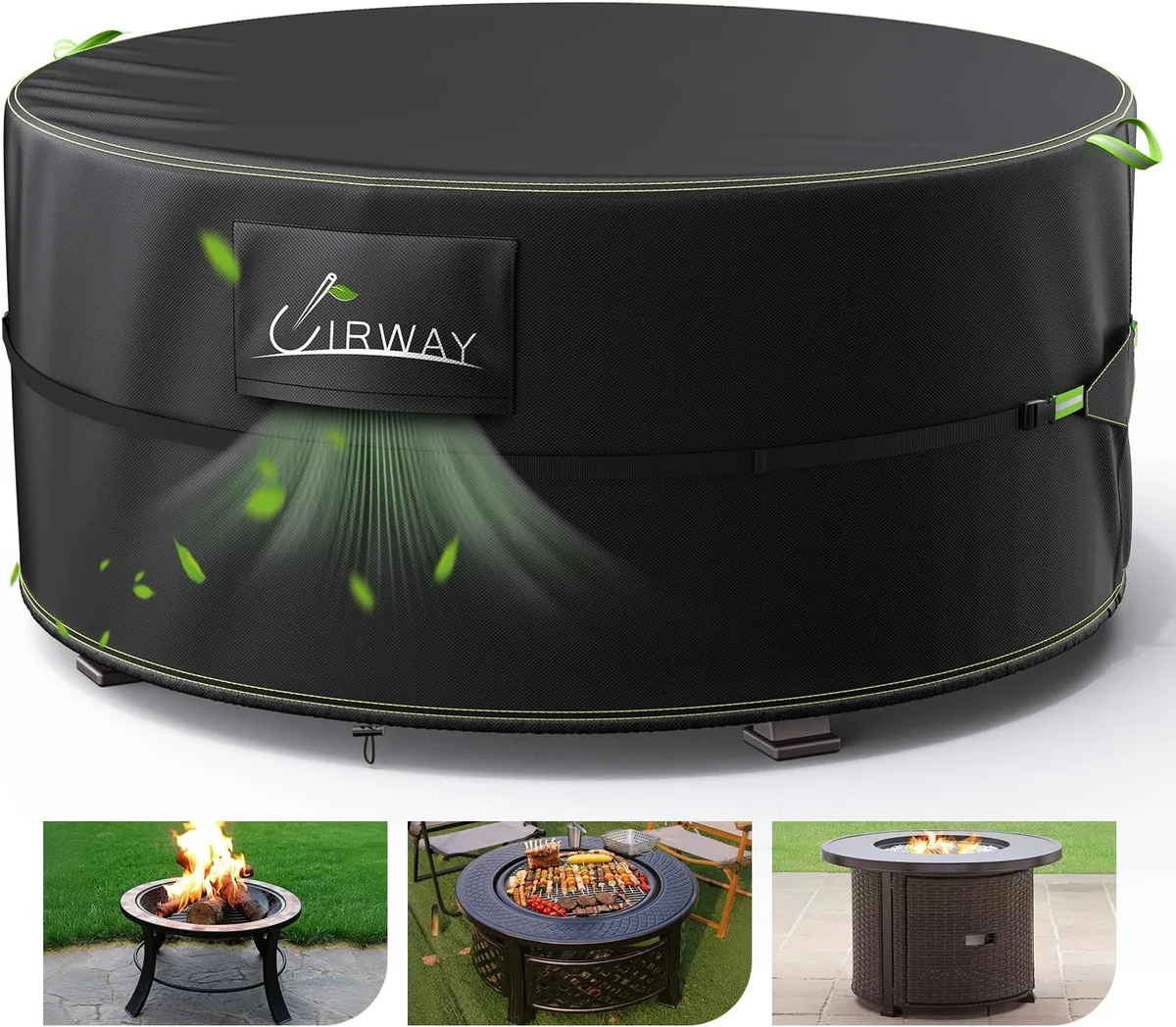
Image source: Bing (Web (fair-use with source credit))
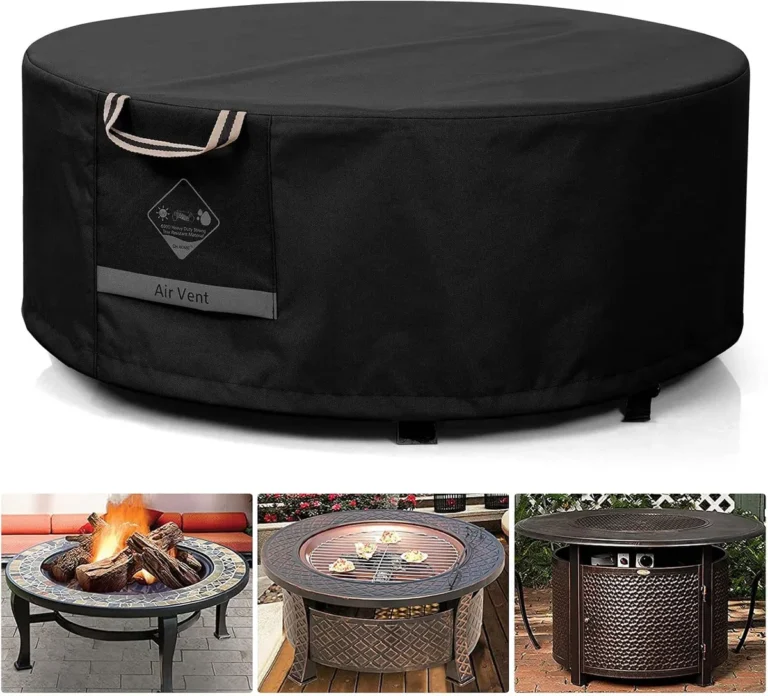
Use a cover. This is the single best investment. A waterproof cover keeps rain, snow, and debris out. It prevents water from pooling in the bowl.
It slows rust and cracking. Models that are simpler to keep up often come with a fitted cover.
Clean it regularly. Ash absorbs moisture and holds it against the metal. Remove ash after each use. Wipe down the exterior with a damp cloth.
For gas pits, check the burner ports for clogs and spider webs.
Check for rust early. Touch up paint chips immediately. Use high-heat spray paint for metal pits. For stainless steel, use a non-abrasive cleaner.
Scrub with a soft brush to remove surface rust before it deepens.
Store it properly in winter. If you live in a cold climate, move portable pits to a shed or garage. For permanent pits, cover them tightly. Drain any water from the bowl.
Remove propane tanks and store them separately.
Inspect gas components. For gas fire pits, check the burner, gas line, and thermocouple annually. Look for corrosion, cracks, or leaks. Test the ignition system before the first use each season.
Replace parts as needed.
Avoid water damage. Do not let water sit in the bowl. Drill drainage holes if your pit does not have them. Elevate the fire pit slightly off the ground to allow airflow underneath.
Common Mistakes That Shorten a Fire Pit's Life
You can buy the best fire pit on the market. One mistake can slash its lifespan in half. Here are the most common ones.
Skipping the cover. Rain and snow pool in the bowl. Water sits against the metal or stone. Rust and cracking follow fast.
A quality cover costs less than a replacement. Use it every time.
Leaving ash in the bowl. Ash is hygroscopic. It pulls moisture from the air. That moisture stays against the metal.
Clean the bowl after every few uses. Dry it out before covering.
Using the wrong fuel. Wood pits need dry seasoned wood. Wet wood creates more smoke and creosote. That acidic residue eats through paint and coatings.
For gas pits, use the correct propane or natural gas hookup. Do not modify the fuel type.
Neglecting rust spots. A small rust spot becomes a hole in months. Touch it up with high-heat paint right away. For stainless steel, use a non-abrasive cleaner.
Do not wait until the bowl is compromised.
Storing it wet. Putting a cover on a damp fire pit traps moisture. Let it dry completely first. Store portable pits in a dry shed or garage.
Drain any standing water before covering.
Forgetting gas components. Gas fire pits need annual checks. Clogged burner ports cause uneven flames. Corroded gas lines can leak.
Check the thermocouple and ignition system. Models with push-button ignition are simpler to maintain but still need inspection.
Aggregate user reviews show that covers and cleaning are the two biggest factors. Skip them and you lose years of life.
Quick Decision Guide: How Long Will Your Fire Pit Last?
This is a simple if/then guide. Match your situation to find your expected lifespan.
If you bought a budget steel pit (under $100): Expect 2 to 3 years. The paint will chip. Rust will follow.
Use a cover and store it indoors in winter. You might get 4 years with perfect care.
If you bought a mid-range steel pit ($100 to $300): Expect 3 to 5 years. These often have better paint or powder coating. Thicker gauge helps.
A cover and regular cleaning push it to 5 or 6 years.
If you bought a stainless steel pit (304 grade): Expect 10 to 15 years. This is the sweet spot for most backyards. Keep it covered and clean.
Rinse it if you live near salt air.
If you bought a stainless steel pit (316 grade): Expect 15 to 20 years. This is the best choice for coastal areas. It resists salt corrosion well.
Follow the same care routine.
If you bought a copper pit: Expect 15 to 25 years. Copper patinas but does not rust. It dents easily.
The main risk is physical damage, not corrosion.
If you bought a cast iron pit: Expect 5 to 10 years. The biggest risk is cracking from trapped water. Always store it dry.
Cover it tightly. Use it often to keep it dry from the heat.
If you built a stone or concrete pit: Expect 10 to 20 years. Use a fire-rated insert to protect the stone from thermal shock. Seal the stone annually.
Watch for cracks from freeze-thaw cycles.
The warranty is a good shortcut. A 5-year warranty means the manufacturer expects at least 5 years. A 1-year warranty means lower confidence.
The National Fire Protection Association provides safety guidelines for outdoor fire features. Their standards help you choose a safe and durable setup.
Frequently Asked Questions
How long do fire pits last on average?
The average is 5 to 10 years. That blends budget pits with premium ones. Your actual lifespan depends on material, climate, and care.
A cheap steel pit lasts 2 to 3 years. A stainless steel pit can last 15 years.
Does a gas fire pit last longer than a wood fire pit?
Yes, generally. Gas fire pits have less soot and moisture. They avoid the acidic residue from wood smoke.
The components like burners and igniters can wear out. But the structure lasts longer. Expect 10 to 15 years for a quality gas pit.
How can I tell if my fire pit is rusting?
Look for orange or brown spots on the metal. Check the bottom and inside of the bowl. Those areas trap moisture.
Also check around the legs and welds. Surface rust can be treated. Deep rust means replacement time.
Should I cover my fire pit every time?
Yes, every time. Rain and dew are enough to start rust. A cover blocks moisture and debris.
It also keeps animals out. Make sure the pit is completely dry before putting the cover on. Wet under the cover is worse than no cover.
Can I repaint a rusted fire pit?
Yes, if the rust is only surface deep. Sand the rust down to bare metal. Clean the surface.
Apply high-heat spray paint rated for outdoor use. Cure the paint according to the instructions. Deep rust holes cannot be repaired safely.
How long do propane tanks last for a fire pit?
A standard 20-pound propane tank lasts 8 to 12 hours on high heat. That depends on your burner's BTU rating. A 30,000 BTU pit uses about 1 pound of propane per hour.
Always store tanks upright and away from heat.