
How to Protect a Fire Pit From Rain
If you want to know how to protect a fire pit from rain, the answer depends on your specific setup. A portable wood-burning pit needs different treatment than a built-in gas unit. The wrong approach can cause more damage than leaving it uncovered.
Manufacturer specifications indicate that an unprotected steel fire pit can show visible rust within 30 days in a humid climate. That is a short lifespan for something you likely spent a few hundred dollars on. Getting the right protection from the start makes all the difference.
Quick Answer
Cover your fire pit when it is cool and dry. Use a breathable cover for gas units. Store portable pits indoors when possible.
Improve drainage around built-in fire pits. Inspect your cover regularly for damage.
Why Weather-Proofing Matters More Than You Think
Rain starts a chain of problems that can ruin a fire pit in a single season. Rust is the most obvious. A steel bowl or ring exposed to moisture will oxidize within weeks, especially if the factory coating has any scratches.
Cast iron rusts just as fast. Copper pits develop a patina, but water pooling inside leads to uneven pitting.
For gas fire pits, the stakes are higher. Water can get into the burner tube, the gas line, or the ignition system. A wet pilot light will not stay lit.
Moisture in the burner causes uneven flames or a clogged orifice. Water in the propane tank connection corrodes the threads. That becomes a safety issue.
Wood-burning pits have their own problems. Ash left in the bowl absorbs water and turns into alkaline sludge. That sludge accelerates rust and makes cleaning harder.
Stone or concrete fire pits trap water that freezes and cracks the material. Freeze-thaw cycles are destructive.
The damage is often hidden. You might not see the rust until it is too late. The burner might fail after a few rain events, not immediately.
A proactive approach beats a reactive one every time.
Reviews from fire pit owners consistently point to moisture as the leading cause of premature failure. You can avoid being part of that statistic. If you are still shopping, a simple design that is easy to maintain will save you trouble later.
The First Decision: What Kind of Fire Pit Do You Have?
The first branch in this decision tree is simple. You need to know what you are working with. The most important split is between portable and built-in fire pits.
If you have a portable fire pit, the easiest solution is to move it. Store it in a shed, garage, or under a covered porch when rain is coming. That eliminates the need for a cover entirely.
If you cannot move it, you need a cover that fits.
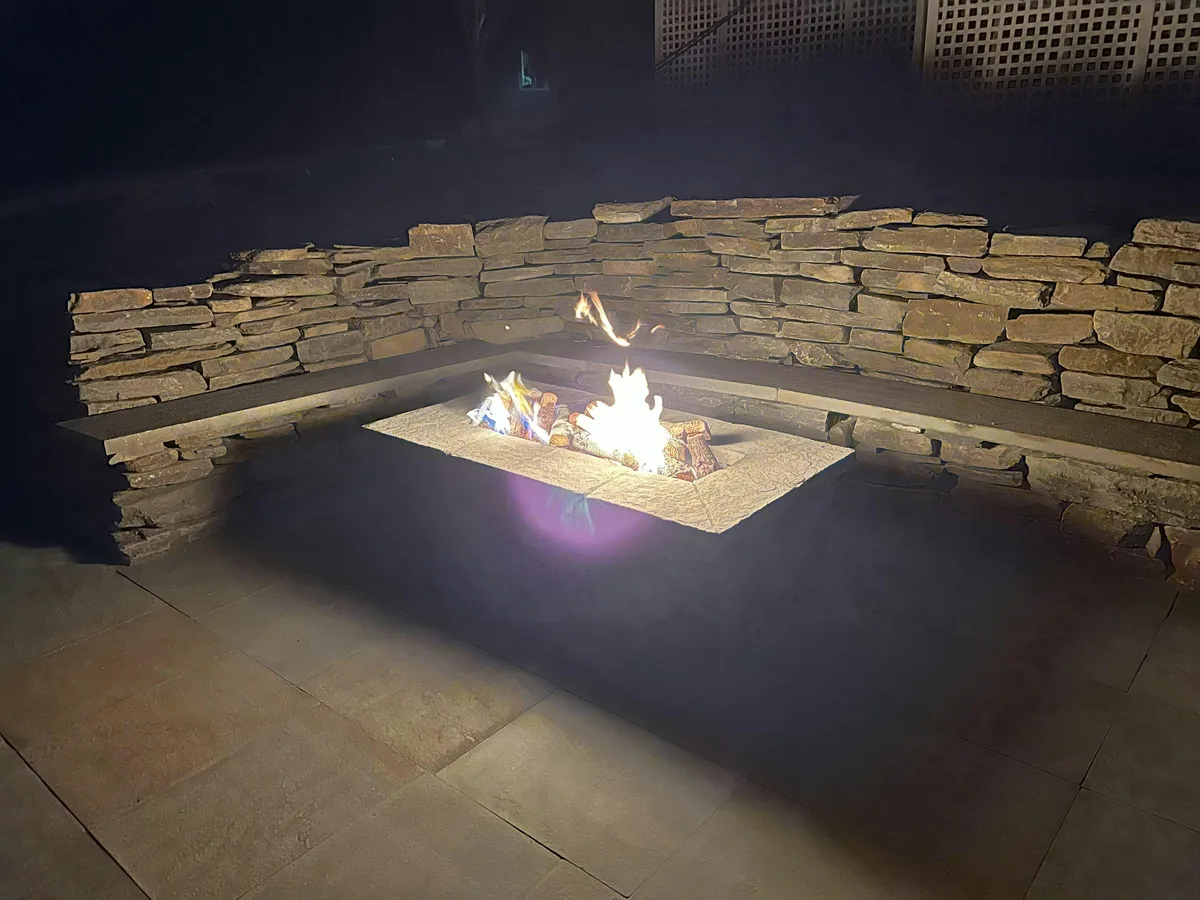
If you have a built-in fire pit, you are not moving it. It is part of the landscape. You need a permanent or semi-permanent solution.
A cover is the bare minimum. A shelter or canopy is better.
The next branch is the fuel type. Gas fire pits need a cover that allows airflow. Trapping gas fumes under a non-breathable cover is a hazard.
Wood-burning fire pits can use a solid cover, but you need to let the ash dry completely before covering.
Then there is the material. Steel and cast iron rust quickly. Aluminum and copper are more resistant.
Stone and concrete crack from freeze-thaw. Each material has its own vulnerabilities.
There is no one-size-fits-all answer. The right protection starts with an honest assessment of your fire pit. If you are still shopping, a durable model built for all seasons can make weatherproofing easier from day one.
The Second Decision: Where and How Do You Use It?
Your local climate is the next big variable. If you live in a dry area like the Southwest, a simple cover might be enough. If you are in the Pacific Northwest, you need something more robust.
Coastal areas with salt air accelerate corrosion even faster.
Ask yourself a few questions. Do you use your fire pit year-round or only seasonally? If you use it every week, you need a cover that is easy to remove and replace.
If you store it for the winter, you can use a heavier cover or a tarp sealed with bungee cords.
What kind of surface is it on? A fire pit on gravel drains well. Water has a place to go.
A fire pit on concrete or a wooden deck might sit in a puddle after heavy rain. Elevating the fire pit with bricks or pavers helps.
Is your fire pit in a wind-prone area? If so, a lightweight cover will blow off. You need one with a drawstring hem, straps, or a buckle system.
Some people use a heavy object like a brick on top of the cover to hold it down.
If you have a deck, be extra careful. Water runoff from the fire pit cover can stain the wood or cause mildew. A cover that directs water away from the deck is a good idea.
If you are building a new setup, a fire pit for a concrete patio or a setup designed for a gravel surface often comes with better drainage.
These conditions change the recommendation. A simple cover might work for one person and fail for another. Taking the time to assess your specific situation is worth it.
Your Best Protection Options, Branch by Branch
Once you know your fire pit type and your local conditions, you can choose the right protection. Here is a breakdown of the main options.

| Option | Best For | Key Consideration |
|---|---|---|
| Custom-fit cover | Portable fire pits, all materials | Must be breathable for gas units |
| Universal tarp | Budget-conscious users, temporary use | Needs tie-downs, can trap moisture |
| Permanent shelter | Built-in fire pits, high-rain areas | More expensive, requires installation |
| Move indoors | Small portable fire pits | Only if you have storage space |
| Drainage improvement | Any fire pit on a flat surface | Reduces water pooling around the base |
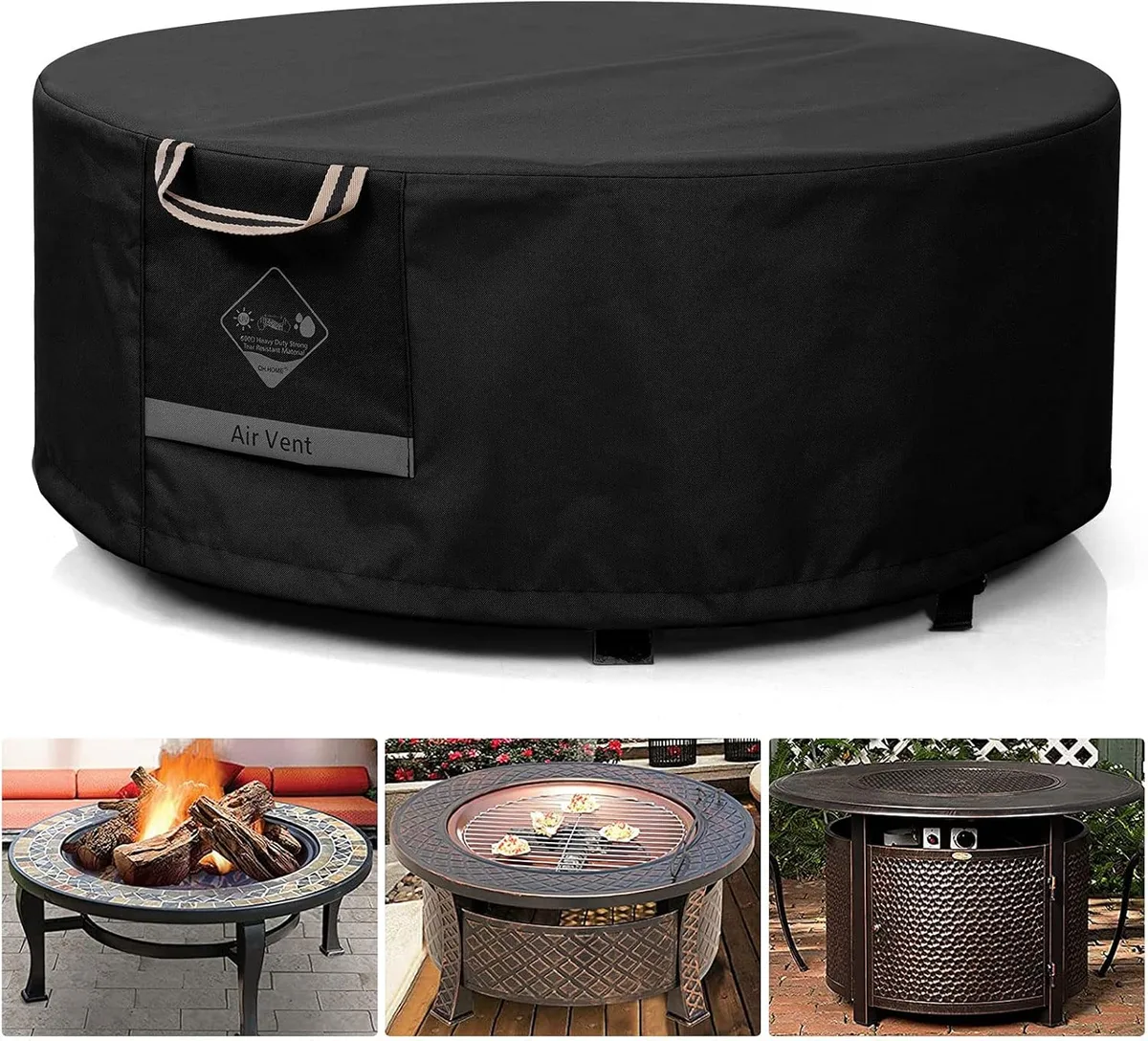
If you choose a cover, look for one made of heavy-duty polyester or vinyl with a waterproof coating. A breathable cover is essential for gas fire pits. For wood-burning pits, a non-breathable cover is fine as long as the fire pit is completely dry and cool.
If you choose a shelter, consider a pergola with a solid roof or a freestanding canopy. The shelter should extend at least a few feet beyond the fire pit to keep rain from blowing in.
If you choose to move the fire pit, make sure the storage area is dry and ventilated. Never store a gas fire pit with the propane tank attached indoors.
The right choice depends on your specific branch. A custom cover is the most common solution for a reason. It balances cost, convenience, and protection.
A quality cover is a worthwhile investment for any fire pit owner.
Mistakes That Will Sink Your Fire Pit (Literally)
Even with the best intentions, people make mistakes that damage their fire pits. Here are the most common ones.
- Covering the fire pit while it is still hot. This can melt the cover or trap heat and cause a fire. Always wait until the fire pit is cool to the touch.
- Using a non-breathable cover on a gas fire pit. Trapped gas fumes can be a hazard. Use a cover with vents or a breathable fabric.
- Not securing the cover. A loose cover will blow off in the first windstorm. Use straps, drawstrings, or weights.
- Covering wet ash. Ash holds moisture. If you cover a wet fire pit, the moisture stays trapped and accelerates rust. Let it dry out first.
- Forgetting to check the cover for damage. UV rays and wind can degrade a cover over time. Inspect it every few months and replace it when it starts to crack.
- Storing a gas fire pit with the propane tank attached. Even if the tank is off, the connection can corrode. Detach the tank and store it separately.
- Ignoring drainage. If water pools around the base of your fire pit, the bottom can rust out. Improve the drainage or elevate the fire pit.
Per the NFPA guidelines for outdoor fire pits, any cover should be made of flame-resistant material and should never be placed on a warm unit. That is a safety rule you should not ignore.
Avoiding these mistakes is simple once you know about them. A little attention goes a long way in extending the life of your fire pit.
Frequently Asked Questions
Can I use a regular tarp to cover my fire pit?
Yes, but only for temporary use. A tarp can trap moisture underneath, which accelerates rust. Make sure the fire pit is completely dry and cool before covering.
Use bungee cords or straps to secure the tarp in windy conditions.
Do I need to cover my fire pit if it is under a roof?
A roof provides good protection, but wind-driven rain can still reach the fire pit. If the fire pit is on the edge of a covered patio, a cover is still a good idea. If it is fully sheltered, you may not need one.
Can a fire pit cover cause rust?
Yes, if the cover traps moisture. A non-breathable cover on a wet fire pit holds water against the metal. That is why you should always let the fire pit dry completely before covering.
A breathable cover helps prevent this problem.
How often should I replace my fire pit cover?
Most covers last one to three years. Budget covers may need replacement every season. Heavy-duty covers can last three to five years.
Inspect your cover for cracks, fading, or tears every few months. Replace it at the first sign of damage.
Should I disconnect the propane tank before covering a gas fire pit?
Yes. Detach the propane tank and store it separately in a dry, ventilated area. The tank connection can corrode if left attached.
This also prevents gas from building up under the cover.
Is it okay to cover a fire pit made of stone or concrete?
Stone and concrete are porous and can absorb water. A cover helps prevent water from seeping in and freezing. Make sure the cover is breathable to allow moisture to escape.
Elevate the fire pit slightly to improve drainage underneath.