Is Readywise Emergency Food Bucket Worth It? Honest Review
When you hear about emergency food buckets, it’s easy to think they are only for “doomsday preppers.” But with unpredictable weather, power outages, or even job loss, more people are buying these kits for peace of mind. Readywise Emergency Food Buckets are among the most popular options in the US. But are they really worth your money? Let’s dig deeper, look beyond the marketing, and see if Readywise delivers real value for the average family.
What Is A Readywise Emergency Food Bucket?
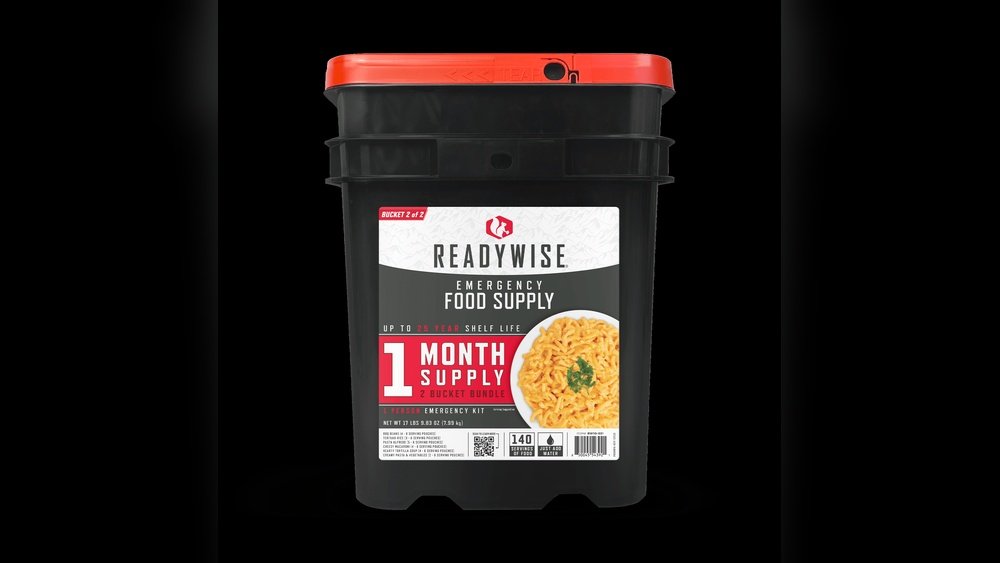
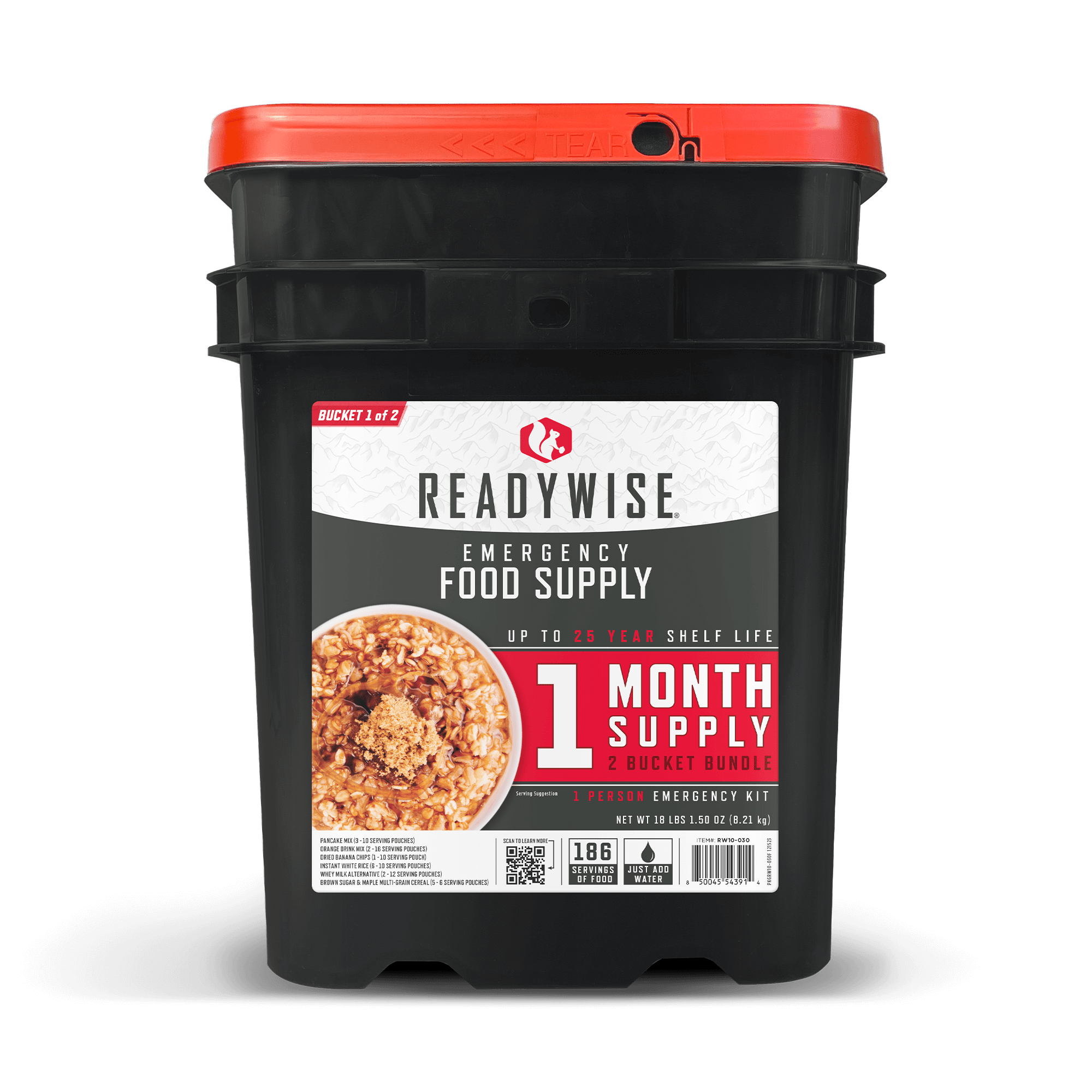
A Readywise Emergency Food Bucket is a plastic container filled with sealed food pouches. These buckets are designed to last a long time—up to 25 years in storage. Most of the food is freeze-dried or dehydrated, so you just add hot water to cook it.
The goal is to give you enough meals to survive for days, weeks, or even longer if normal food sources are not available.
Readywise offers different bucket sizes and meal plans. Some buckets are meant for 72 hours, while others claim to feed a family for a whole month. The company says their meals are easy to prepare, lightweight, and have a long shelf life.
Who Buys Emergency Food Buckets—and Why?
People from all backgrounds buy emergency food kits. Some live in hurricane or earthquake zones. Others want to be ready for job loss or supply chain problems. Even busy parents sometimes buy them for quick, no-fuss meals.
A few reasons why people choose Readywise buckets:
- Long shelf life: Up to 25 years sealed, making them a “buy and forget” option.
- Peace of mind: Knowing you have backup food during disasters.
- Easy storage: Buckets stack well, fit in closets or garages, and don’t take much space.
- Simplicity: No cooking skills required—just add water.
However, many buyers are surprised by the details: portion sizes, actual calories, and food taste. Before you buy, it’s smart to look closer at what you’re getting.
What’s Inside A Readywise Emergency Food Bucket?
You might imagine gourmet meals, but most Readywise buckets contain simple, carb-heavy dishes. Common meals include:
- Pasta Alfredo
- Cheesy Lasagna
- Tomato Basil Soup
- Rice & Beans
- Apple Cinnamon Cereal
Each bucket usually comes with a mix of breakfasts, lunches, and dinners. You’ll also see powdered milk or drink mixes in some kits. The food is sealed in Mylar pouches, which keep out moisture and oxygen.
Here’s a typical breakdown for a 60-serving bucket:
| Meal Name | Number of Servings | Calories per Serving |
|---|---|---|
| Creamy Pasta | 8 | 220 |
| Hearty Tortilla Soup | 8 | 150 |
| Southwest Rice | 8 | 230 |
| Apple Cinnamon Cereal | 8 | 170 |
| Teriyaki Rice | 8 | 210 |
| Cheesy Macaroni | 8 | 250 |
| Potato Pot Pie | 8 | 180 |
| Orange Drink Mix | 4 | 60 |
This mix shows that most meals are based on pasta, rice, or potatoes. If you want a lot of protein or fresh vegetables, you may be disappointed.
How Does Readywise Compare To Other Brands?
Let’s put Readywise side by side with two other well-known emergency food brands: Mountain House and Augason Farms.
| Brand | Calories per Day (avg) | Protein per Day (avg) | Price per Serving | Shelf Life |
|---|---|---|---|---|
| Readywise | 1,200–1,500 | 30–40g | $2–$3 | Up to 25 years |
| Mountain House | 1,800–2,000 | 50–60g | $3–$5 | Up to 30 years |
| Augason Farms | 1,600–1,800 | 45–50g | $1.50–$2.50 | Up to 25 years |
Some important points:
- Readywise is often cheaper than Mountain House but more expensive than Augason Farms.
- Calorie count is usually lower with Readywise, especially in smaller kits.
- Protein is limited, which matters in an emergency.
- Shelf life is similar across all brands.
Non-obvious insight: Many people miss that “servings” don’t always mean “meals.” One “serving” of soup might be just 150 calories—not enough for a filling meal.
Taste And Nutrition: What To Expect
If you’re picturing a home-cooked meal, adjust your expectations. Most feedback says Readywise food is bland, salty, and starchy. This is common with emergency kits, but some brands taste better than others.
Here’s what to expect:
- Texture: Meals are soft, sometimes mushy, because they are rehydrated.
- Flavor: Many dishes taste similar. Seasonings are mild, probably to suit all tastes.
- Protein: Most meals are low in protein. You might need to add canned meat, beans, or protein powder for balance.
- Vitamins: There are few vegetables, so vitamin content is limited.
If you rely only on these meals for several days, you might get “menu fatigue”—getting tired of the same taste and texture.
Non-obvious insight: If you have food allergies or need gluten-free options, check labels carefully. Some Readywise buckets include allergens like milk, soy, and wheat.
Is The Portion Size Enough In A Real Emergency?
One of the most common complaints is that Readywise “servings” are small. The company often advertises a certain number of servings, but daily calories can be much lower than what an adult actually needs.
- Average adult needs: 2,000–2,500 calories per day (more if active or in cold weather)
- Typical Readywise bucket: 1,200–1,500 calories per day
For example, a “1-month supply” for one person may only last two weeks if you eat a full 2,000 calories per day.
If you buy a bucket, check the total calories, not just the serving count. You might need to buy extra buckets—or supplement with other food—to get enough energy.
How Easy Is It To Prepare Readywise Meals?
Ease of use is one of Readywise’s main selling points. You don’t need cooking skills, just water (preferably hot). Here’s how it works:
- Open the pouch.
- Pour contents into a pot or bowl.
- Add the recommended amount of water (usually 1–2 cups).
- Stir and let sit for 10–15 minutes.
You can use cold water in a pinch, but the food will take longer to rehydrate and may taste worse.
Pro tip: If you store these buckets for emergencies, keep extra water and a way to boil it—like a camp stove or portable heater.
Shelf Life And Storage: Is The 25-year Claim Real?
Readywise claims up to 25 years of shelf life, but this depends on storage conditions:
- Cool, dry place: Best for long-term storage. Basements or climate-controlled closets work well.
- Avoid heat and humidity: High temperatures can shorten shelf life, even if sealed.
- Check for damage: If pouches are punctured or the bucket cracks, food can spoil faster.
The packaging (Mylar pouches) is designed to block oxygen and moisture. Still, it’s smart to check your kit every couple of years for any broken seals.
Cost Breakdown: Is Readywise Expensive?
Readywise buckets are not cheap, but you pay for convenience and long shelf life. Let’s break down the cost:
- 60-serving bucket: $120–$150 (about $2–$2.50 per serving)
- 120-serving bucket: $200–$250 (about $1.70–$2 per serving)
- Meal cost: Higher than cooking from scratch, but similar to fast food or takeout
Remember, most servings are not full meals—many are small portions. If you want 2,000 calories per day, you might need to double up on servings, raising the cost.
Compared to stocking up on canned foods or dry staples, Readywise is pricier. But it’s lighter, easier to store, and lasts longer than most canned foods.
When Is A Readywise Bucket Worth Buying?
Readywise buckets make sense for some people, but not everyone. Consider buying if you:
- Want a “set and forget” food backup with long shelf life
- Have limited storage and need compact options
- Are new to emergency prepping and want something easy
- Value convenience over price per calorie
But you might want to skip Readywise if you:
- Have strict dietary needs (allergies, vegan, gluten-free)
- Want high-protein meals or more variety
- Prefer to build your own emergency food stash with canned and dry goods
Pro tip: Some experienced preppers buy one bucket for quick emergencies, but rely on home-packed food for longer situations.
Real User Experiences: What Do People Say?
Reviews are mixed but generally positive for what Readywise offers. Users often praise the easy storage and long shelf life, but some mention:
- Small portions that may not fill you up
- Meals tasting “okay, but not great”
- Some pouches with damaged seals (rare, but check on delivery)
A few users report using the kits during hurricanes or blizzards and being glad they had them, even if the food was plain. Others use buckets for camping or hiking trips, appreciating the light weight.
Non-obvious insight: Some buyers regret not checking expiration dates on delivery—always check, as some retailers sell older stock.
Readywise Vs. Diy Emergency Food Storage
Some people save money by making their own emergency food kits. How does Readywise compare to DIY options?
Readywise Pros:
- No planning needed
- Meals in one compact container
- 25-year shelf life (if stored well)
DIY Pros:
- Cheaper per calorie
- You control the menu and portion size
- Easier to meet dietary needs
Readywise Cons:
- Higher price per meal
- Less control over ingredients
- Smaller portions and less protein
DIY Cons:
- Takes more time and planning
- Shorter shelf life for some foods
- Requires rotation and regular checks
If you’re busy or new to prepping, Readywise is simple. But if you want more control and savings, building your own stash might be better.
Common Mistakes When Buying Emergency Food Buckets
- Assuming servings = full meals: Always check the calories, not just the serving count.
- Ignoring protein content: Low-protein diets can make you feel weak during emergencies.
- Not checking for allergens: Some buckets may contain common allergens.
- Not planning for water needs: You’ll need extra water to cook the food.
- Forgetting about taste fatigue: Eating the same food daily can get boring fast.
Are There Better Alternatives?
Readywise is not the only option. Mountain House offers tastier meals with more protein but at a higher price. Augason Farms has more variety and often better calorie value. Some people buy a mix: one Readywise bucket for quick access, plus other brands for variety.
If you want more real food taste and protein, you might add canned chicken, tuna, or beans to your emergency stash. Mixing freeze-dried kits with regular pantry items gives you the best of both worlds.

Practical Tips For Making The Most Of Readywise Buckets
- Supplement with extra protein: Keep canned meat, beans, or protein powder handy.
- Rotate your stock: Check the bucket every couple of years for damage or expired pouches.
- Store with water and cooking tools: Don’t forget you’ll need clean water and a way to heat it.
- Try a meal before you store: Cook one pouch before an emergency, so you know what to expect.
- Label with purchase date: Makes it easy to track freshness.
How Readywise Fits Into A Balanced Emergency Plan
A Readywise bucket is a good starting point, but it shouldn’t be your only plan. Experts recommend:
- Having at least 3 days of food and water for everyone in your home
- Storing foods you actually like and know how to prepare
- Including non-food essentials: Water filters, first aid, flashlights, and batteries
Readywise can be a “backup to your backup”—something to rely on if your main food supply runs out.

The Bottom Line: Is Readywise Emergency Food Bucket Worth It?
If you want convenience, long shelf life, and easy storage, Readywise buckets deliver. You pay more per calorie than basic pantry staples, and you get mostly starchy, simple meals. The food is not gourmet, but it will keep you fed in an emergency.
For peace of mind and basic coverage, Readywise is a solid choice—especially for beginners or those short on time. If you want more variety, nutrition, or value, consider mixing in other brands or making your own kit.
Remember, no emergency food is perfect. The best plan is a mix of long-term kits, familiar pantry foods, and fresh supplies when possible. For more on emergency preparedness, the US government Ready.gov site is a helpful resource.
Frequently Asked Questions
What Is The Shelf Life Of Readywise Emergency Food?
Readywise claims their food lasts up to 25 years if stored in a cool, dry place. Heat and humidity can shorten this time. Check for damaged pouches or buckets every few years to ensure freshness.
How Many Calories Are In A Readywise Meal Bucket?
A typical Readywise bucket provides about 1,200–1,500 calories per day. Portion sizes are smaller than most people expect, so check the total calories per kit—not just the number of servings.
Is The Food In Readywise Buckets Healthy?
The meals are high in carbohydrates and low in protein and fresh vegetables. They are designed for survival, not balanced nutrition. For better health, add protein and vitamin-rich foods to your emergency supply.
Do You Need Hot Water To Prepare Readywise Meals?
Hot water makes the food taste better and rehydrates it faster, but you can use cold water in an emergency. Expect longer wait times and a different texture if you use cold water.
Are Readywise Buckets Good For People With Allergies Or Special Diets?
Most Readywise meals contain common allergens like milk, soy, and wheat. They do offer some gluten-free options, but always read labels carefully if you have allergies or dietary restrictions.