
How to Store a Fire Pit
You might think storing a fire pit is as simple as tossing a cover over it and forgetting about it until next spring. But if you do that, you could end up with a rusted-out bowl, a damaged gas line, or worse, a safety hazard. The right way to handle how to store a fire pit depends on what type you own, where you live, and how much time you want to spend on maintenance.
In our research, the single most common storage mistake is trapping moisture under a non-breathable cover. Per manufacturer specifications, steel fire pits can develop rust in as little as one wet season if stored improperly. That is a $200 to $500 replacement cost you can avoid with a few simple steps.
Let's walk through exactly what to do.
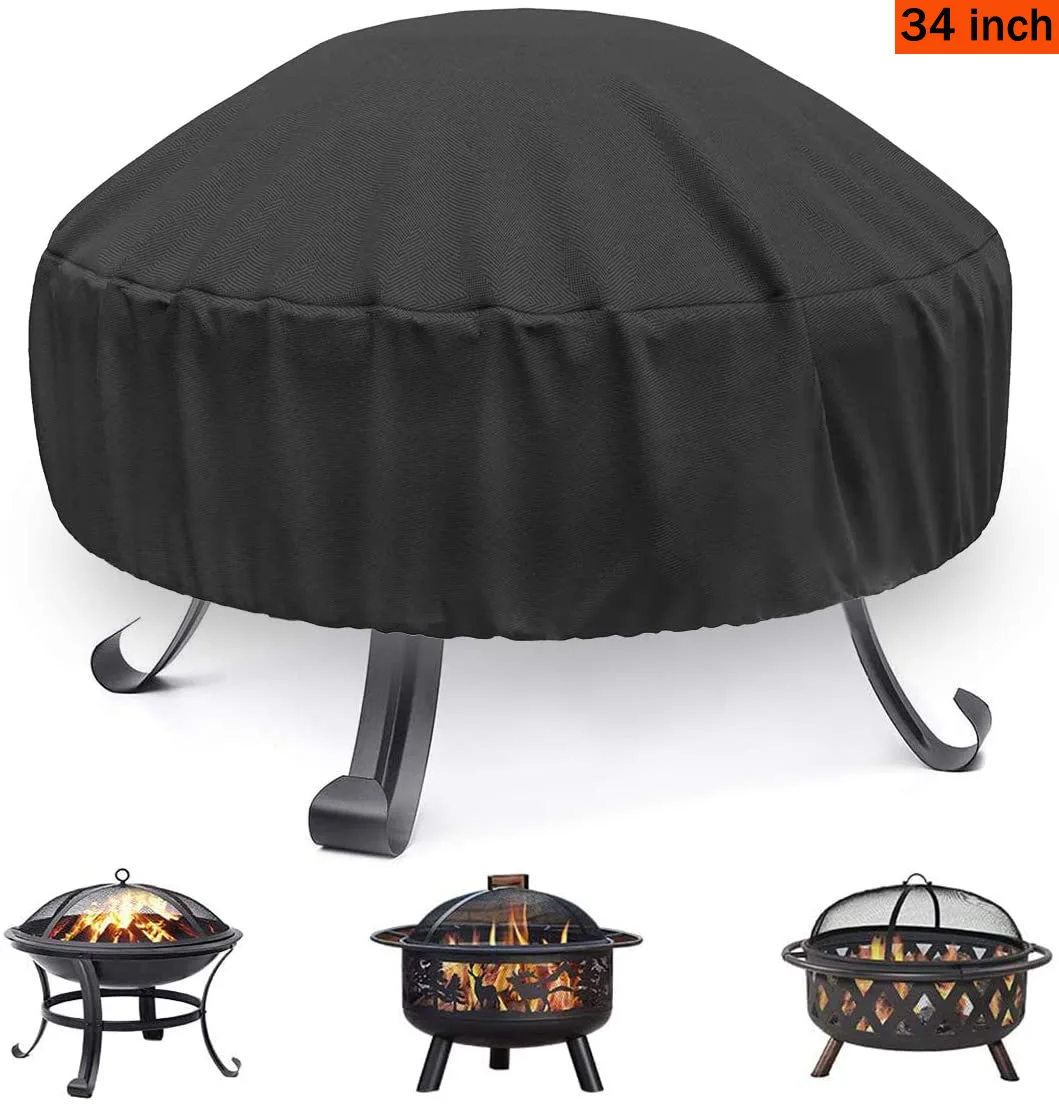
Image source: Bing (Web (fair-use with source credit))
Quick Answer
Store your fire pit only after the ashes are completely cold. Clean the bowl or burner thoroughly. Dry every part fully.
Cover with a breathable, waterproof cover. Store propane tanks upright and outdoors. Disconnect gas lines.
Keep the pit off damp ground. That is the short version. The rest of this guide covers the details based on your specific setup.
Why Storing a Fire Pit Wrong Can Ruin It (and Risk Your Safety)
Most people do not think about fire pit storage until the first frost hits. Then they panic, throw a tarp over it, and hope for the best. That approach leads to expensive damage and sometimes dangerous situations.
The biggest threat is moisture. When water gets trapped against a steel or cast iron fire pit, it creates rust. Rust does not just look bad.
It eats through the metal, creating holes and weak spots. A rusted-through fire bowl is a fire hazard the next time you light it up. Hot embers can fall through the bottom and ignite your deck or patio.
There is also the hidden danger of gas components. If you have a propane fire pit and you leave the tank connected during storage, the regulator can freeze or corrode. A damaged regulator can cause a gas leak when you reconnect it.
For natural gas pits, leaving the line open or unprotected can lead to debris blocking the orifice or moisture freezing inside the pipe.
Then there is the biological side. Moisture inside a covered fire pit creates a perfect breeding ground for mold, mildew, and insects. We have seen reports of wasp nests, spider colonies, and even small rodents living inside fire pits that were stored improperly.
Cleaning that out is not a fun spring project.
The bottom line is simple: proper storage takes about 20 minutes and saves you hundreds of dollars. It also keeps your family safe. If you are looking for a unit that is easier to maintain, consider a model that is designed for easy cleaning.
The Three Fire Pit Types and How Storage Changes for Each
Not all fire pits are the same. The storage process changes dramatically based on the fuel type and construction. Let's break them down.
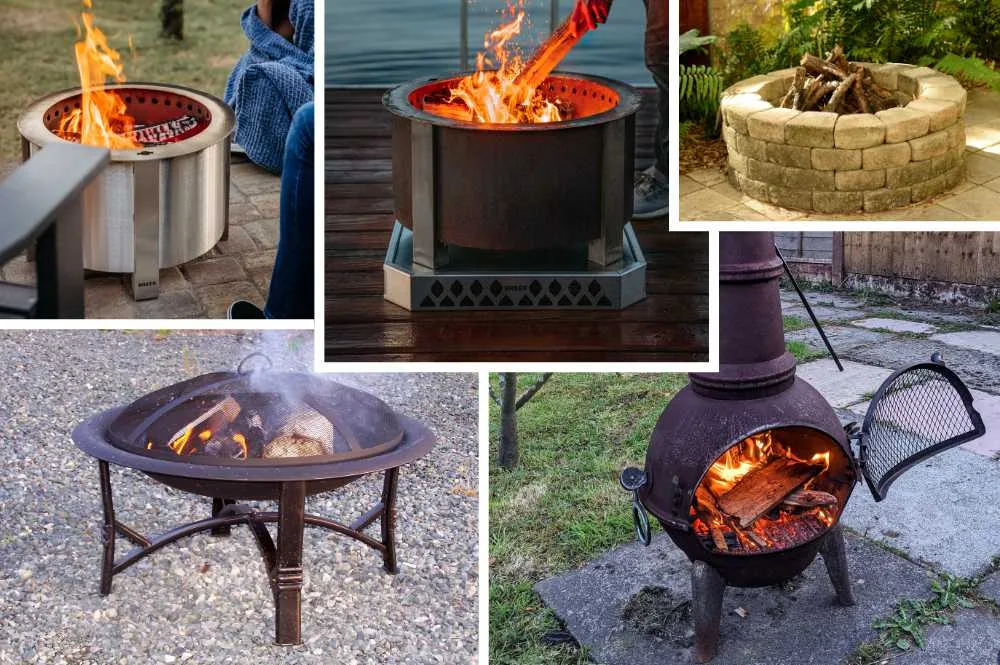
Image source: Bing (Web (fair-use with source credit))
Wood-Burning Fire Pits
These are the most common and the most forgiving to store. But they have one critical step that people rush: ash removal.
Wood-burning pits produce ash that can stay hot for 24 to 48 hours. If you try to clean it too soon, you risk burning yourself or starting a fire in your trash can. The National Fire Protection Association recommends placing cold ashes in a metal container with a tight lid.
Never use plastic, cardboard, or paper bags.
Once the ash is gone, you need to clean the bowl. A wire brush and mild soap work well. Rinse thoroughly and dry completely.
Then apply a light coat of cooking oil or high-temp paint to protect the metal from rust. That is especially important for cast iron pits, which are prone to cracking if moisture seeps into the metal.
Propane Fire Pits
Propane models require more steps because of the fuel system. The tank must be disconnected and stored separately. The regulator and burner assembly need to be cleaned and dried.
Here is the rule: never store a propane tank indoors or in a garage. Even a small leak can create a dangerous gas buildup. The tank should be stored upright, outdoors, in a shaded area away from heat sources.
If you live in a cold climate, the tank can stay outside as long as it is out of direct snow and ice. Propane handles freezing temperatures fine as long as the tank is full or nearly empty.
Natural Gas Fire Pits
These are permanent installations. You cannot move them. But you still need to prepare them for storage.
The gas line should be turned off at the valve. Some models have a removable burner assembly that you can clean and store indoors. The fire glass or lava rocks should be removed, washed, and dried before being placed back in the pit.
Cover the entire unit with a breathable cover that fits tightly.
Natural gas pits are less prone to freezing than propane, but the regulator can still be damaged by moisture. Check your owner's manual for specific instructions as of 2026, since newer models may have electronic ignitions that need battery removal.
Key Factors That Determine Your Best Storage Option
Your climate and storage location are the two biggest variables. Here is how to think about them.
Climate
If you live in a dry, desert climate, you have fewer concerns. UV damage is your main enemy. A good cover that blocks sunlight will protect the paint and finish.
You can probably store the pit outdoors year-round.
If you live in a humid or coastal climate, moisture is your enemy. You need a breathable cover that lets trapped water evaporate. A non-breathable tarp traps condensation underneath, which accelerates rust.
You might also want to store the pit on a gravel or concrete pad to keep it off the damp ground. A model built for year-round use often handles these conditions better.
If you live in a snowy climate with freeze-thaw cycles, you have the toughest conditions. Water expands when it freezes, which can crack stone, concrete, and even metal. The best option is to store the pit indoors, in a garage or shed.
If you have to keep it outside, elevate it off the ground and use a heavy-duty cover that sheds snow.
Storage Location
- Garage or shed: Best for long-term storage. Keep the pit off the floor to prevent moisture wicking. Make sure the area is dry and ventilated.
- Covered patio: Good if the cover is waterproof and breathable. Watch for wind that can blow the cover off.
- Open yard: Requires a secure cover that straps around the base. The pit should be on a hard, level surface.
- Under a deck: Not recommended. The deck blocks snow but traps moisture and critters. Use a cover and check regularly.
If your pit sits on a hard surface, choosing a model suited for concrete patios can make storage simpler.
Step-by-Step: How to Store Your Fire Pit Based on Its Type
Here is the practical workflow. Follow these steps based on your fire pit type.
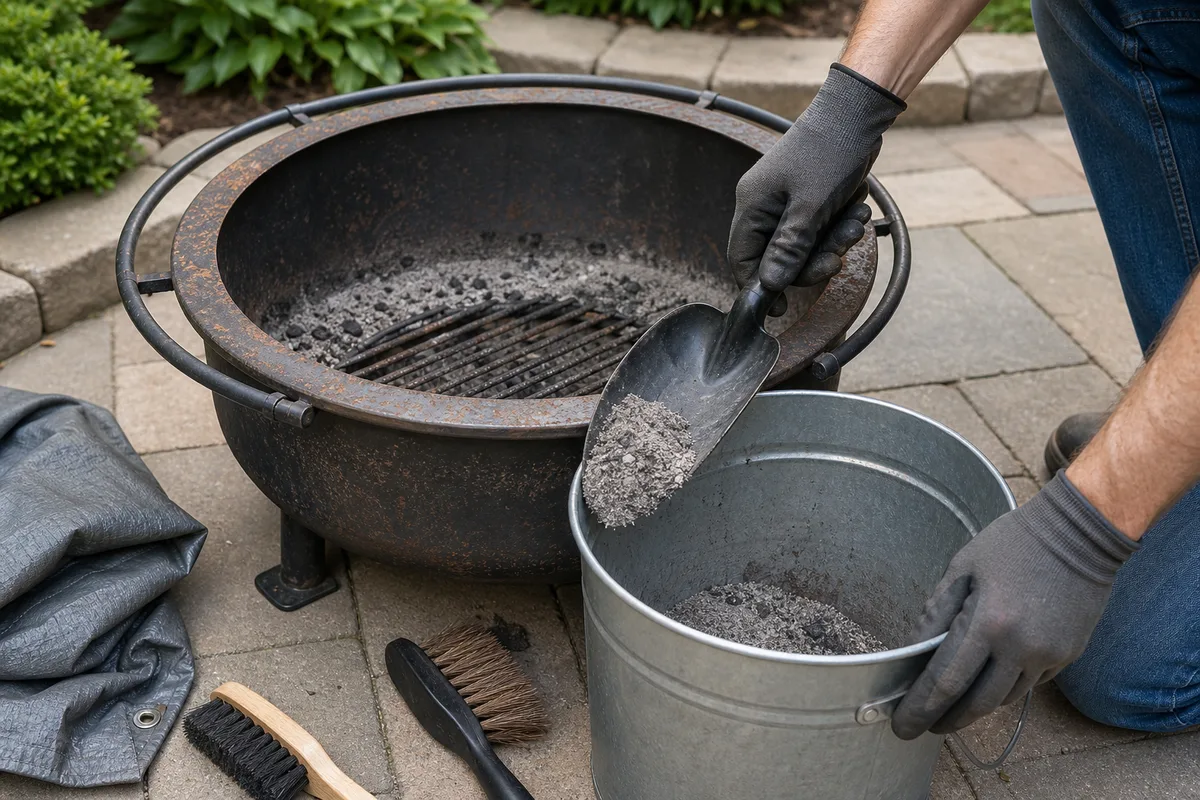
Image source: Bing (Web (fair-use with source credit))
For Wood-Burning Fire Pits
- Wait 48 hours after the last fire. Even if the ashes look cold, embers can stay hot deep inside.
- Remove the ashes. Use a metal scoop and place them in a metal bucket with a lid. Store the bucket away from the house.
- Wipe down the bowl. Use a stiff brush and warm soapy water. Rinse thoroughly.
- Dry every part completely. Use a towel or let it air dry in the sun.
- Apply a protective coating. For cast iron, rub a thin layer of vegetable oil over the entire surface. For steel, consider a high-temp paint touch-up if you see any bare spots.
- Cover the pit. Use a breathable, waterproof cover that fits snugly. Secure it with straps or bungee cords.
- Store the pit off the ground. Place it on bricks, pavers, or a wooden pallet to prevent moisture from wicking up from the soil.
For Propane Fire Pits
- Turn off the gas at the tank. Close the valve fully.
- Disconnect the propane tank. Unscrew the hose from the tank.
- Remove the tank. Store it upright, outdoors, in a shaded area. Never store it indoors.
- Remove the lava rock or fire glass. Place them in a bucket or bag. Wash them with water and let them dry completely.
- Clean the burner assembly. Use a soft brush to remove debris. Check the burner ports for clogs.
- Dry the entire unit. Use a towel or let it air dry.
- Cover the fire pit. Use a cover that fits around the burner and the table or base.
- Store the propane tank separately. If you live in a very cold climate, keep the tank in a well-ventilated outdoor storage area.
For Natural Gas Fire Pits
- Turn off the gas line at the shutoff valve. This is usually located near the house or at the pit itself.
- Remove the burner assembly if possible. Clean it with a soft brush and dry it thoroughly.
- Remove the fire media (lava rock, glass, or logs). Wash and dry them.
- Clean the pit body. Wipe down the interior and exterior.
- Dry everything completely.
- Reinstall the burner assembly and fire media.
- Cover the entire pit. Use a cover that fits over the top and sides.
- Check the gas line. If you live in a freeze-thaw climate, verify that the line is buried deep enough to avoid freezing. The typical requirement is 12 to 18 inches below the frost line.
Mistakes That Damage Fire Pits and Create Safety Hazards
We have seen a lot of well-meaning owners make the same errors. Here are the ones to avoid.
Leaving Ashes in the Pit
This is the most common mistake. Ashes absorb moisture from the air and hold it against the metal. That creates a perfect environment for rust.
It also attracts pests. Always remove cold ashes before storage.
Using a Non-Breathable Cover
A plastic tarp or a cheap vinyl cover traps condensation. The moisture sits against the metal and causes rust. Always use a cover that is labeled as breathable or that has vents.
The cover should be waterproof but allow air circulation.
Storing a Propane Tank Indoors
This is a serious safety violation. Propane tanks can leak slowly, and the gas is heavier than air. It can accumulate in a garage or shed and create an explosion risk.
Per the National Fire Protection Association, propane tanks must be stored outdoors, upright, and away from ignition sources.
Not Cleaning the Burner
Gas fire pits have small burner ports that can clog with dirt, spider webs, or debris. If you store the pit without cleaning it, the burner may not light evenly or could produce a dangerous flame pattern. A quick cleaning before storage prevents this.
Storing a Wet Pit
If you clean the pit and then cover it while it is still damp, you have just created a rust incubator. Dry everything thoroughly. Use a towel, let it sit in the sun, or use a leaf blower to dry the hard-to-reach areas.
Ignoring the Manufacturer's Instructions
Every fire pit is different. Some have specific storage requirements. For example, some cast iron pits need to be oiled, while others should not be oiled.
Some covers are designed to fit only certain models. Check your owner's manual before you start. If you have lost it, look up the model online.
That 10-minute read can save you a lot of money.
Fire Pit Storage FAQs
How long should I wait before storing my fire pit after the last fire?
Wait at least 48 hours for wood-burning pits. Embers can stay hot deep inside the ash pile. For gas pits, let the unit cool for about 30 minutes after you turn off the flame.
Touch the metal surface to confirm it is cool before covering.
Can I store my propane fire pit in the garage?
No. Never store a propane tank indoors or in a garage. The tank can leak slowly, and propane gas is heavier than air.
It can accumulate and create an explosion risk. Store the tank outdoors, upright, and away from heat sources.
Do I need to remove lava rocks before storing my fire pit?
Yes, for gas fire pits. Remove the lava rock or fire glass and wash them with water. Let them dry completely before storing them in a separate container.
This prevents moisture from being trapped against the burner assembly.
What type of cover is best for fire pit storage?
Use a breathable, waterproof cover. A non-breathable tarp traps condensation against the metal. That causes rust.
Look for covers with vents or fabric that allows air circulation. The cover should fit snugly and have straps to hold it in place.
How do I prevent rust on my cast iron fire pit during storage?
Clean the cast iron thoroughly and dry it completely. Rub a thin layer of vegetable oil or high-temp oil over the entire surface. This creates a protective barrier against moisture.
Reapply the oil every few months if the pit is stored outdoors.
Should I cover my natural gas fire pit in winter?
Yes. Cover the entire unit with a breathable cover. Turn off the gas line at the shutoff valve.
Remove any fire media and clean the burner assembly. Check that the gas line is buried below the frost line to prevent freezing.
Final Decision Guide: What to Do for Your Specific Situation
Here is a quick reference table to match your situation to the right storage plan.
| Your Situation | Recommended Storage Steps |
|---|---|
| Wood-burning pit, mild climate | Clean ashes, dry bowl, oil cast iron, use breathable cover, store on gravel pad |
| Wood-burning pit, snowy climate | Clean ashes, dry bowl, oil cast iron, store indoors in garage or shed if possible |
| Propane pit, any climate | Disconnect tank, store tank outdoors upright, clean burner, remove fire media, use cover |
| Natural gas pit, freeze-thaw climate | Turn off gas line, clean burner, remove fire media, use cover, verify frost line depth |
| Portable pit, RV or camping | Clean completely, dry all parts, store in dry storage compartment, disconnect propane tank |
| Permanent stone or concrete pit | Clean surface, seal cracks, use breathable cover, check for drainage around base |
The most important takeaway is this: dry everything before you cover it. Moisture is the enemy. A few extra minutes of drying time can add years to your fire pit's life.
And always follow the manufacturer's instructions for your specific model.
If you need a pit that is safe for a wooden deck, take a look at our recommendations for deck-friendly fire pits. A well-chosen pit makes storage simpler and keeps your outdoor setup looking great.






One Comment